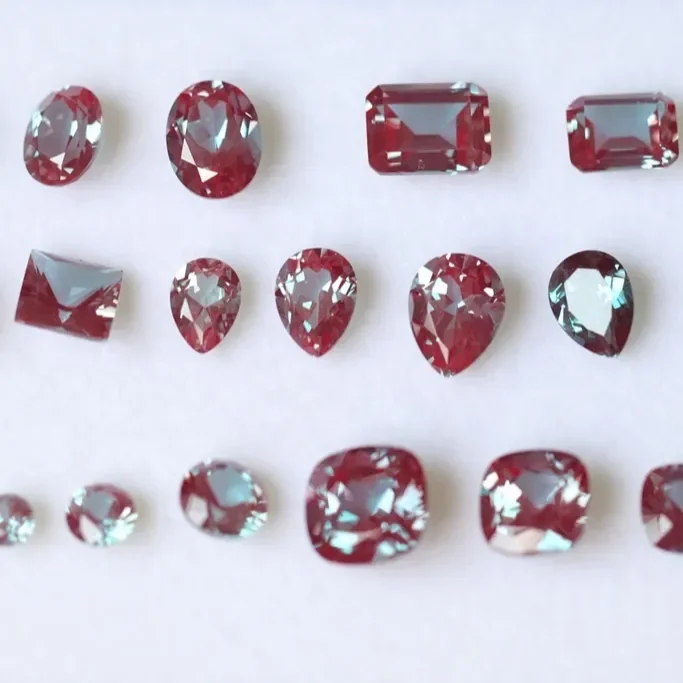
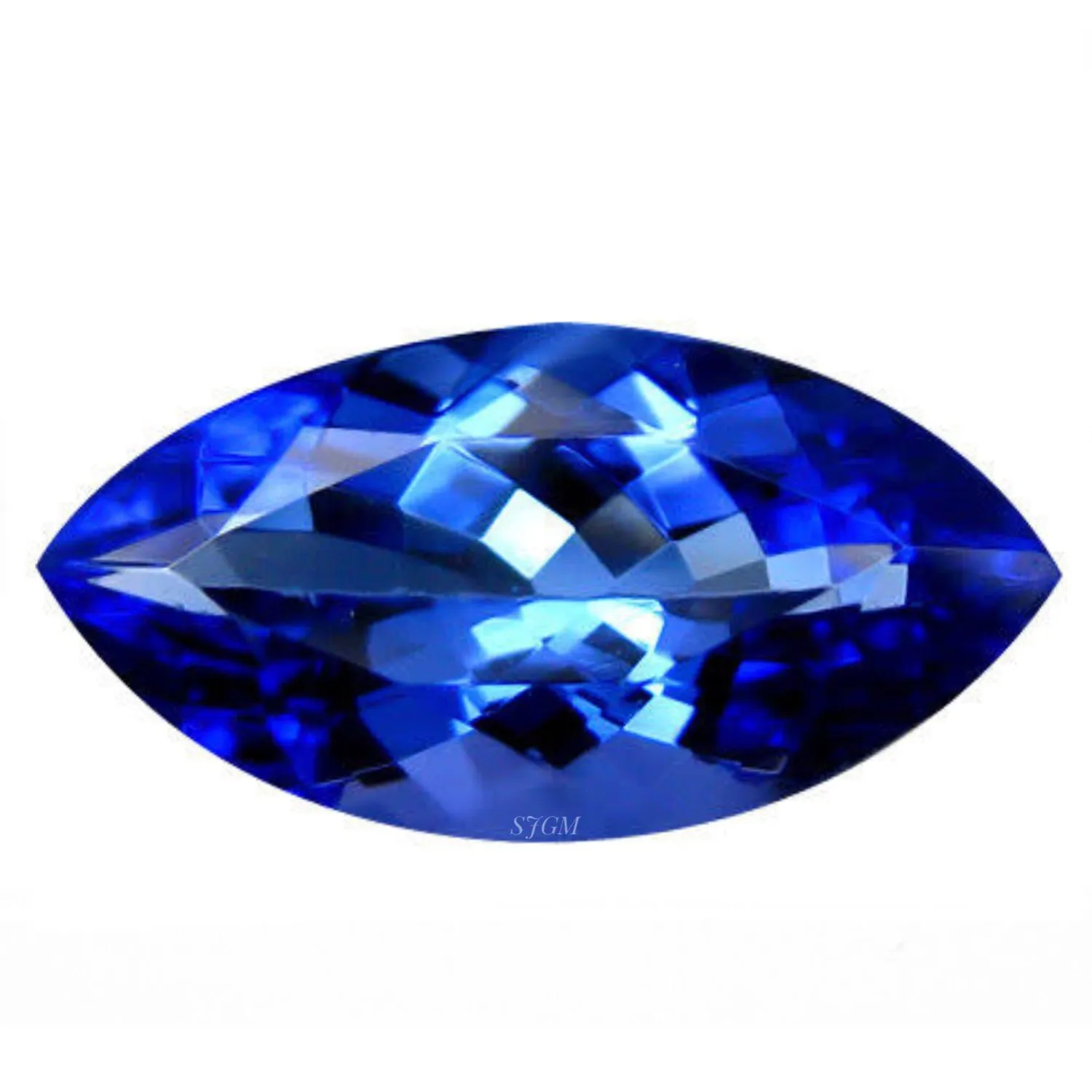
1.50X3mm Marquise Cut Natural Sapphire High Quality Faceted Loose Wholesale Factory Price Silver Natural Himalayan Kyanite
- Category: >>>
- Supplier: SUNSHINE JAIPUR GEMS & MINERALS
Share on (10000001921611):
Product Overview
Description
Products Description
GEMSTONE NAME | KYANITE Marquise Cut 1.50X3mm | ||||||
APPLICATION | Natural Gemstone | ||||||
PRICE (USD) | 0.50 - 7.00 $ | ||||||
MOQ | 10 Pieces | ||||||

The Gemstone " KYANITE ''
A variety of kyanite, Himalayan Kyanite is also known as the gem from the 'Roof of the World,' to pay homage to its high-altitude origin in Nepal's Himalayan region. Named after the Greek word kyanos, meaning "blue," kyanite gleams a vivid royal blue. This earns it comparisons with the finest Ceylon and Kashmir Sapphire. Kyanite is strongly anisotropic, meaning it has a different hardness depending on the crystal axis direction. Due to this variation in hardness, the mineral was once commonly called disthene, which means "two strengths."
Determining Kyanite Value
Is Himalayan Kyanite valuable? The value of Himalayan Kyanite primarily depends on its color. In addition, clarity, cut, and carat weight all factor into the value of a gem. These guidelines will help you choose the perfect stone for your collection.
THE HISTORY OF KYANITE
Its name is derived from the Greek word 'kuanos' or 'kyanos', which means 'deep blue', alluding to its typical blue color. However, in addition to blue, kyanite can also be colorless, white, gray, green, orange or yellow. With kyanite, color is typically not consistent throughout. In fact, most stones exhibit areas of light to dark color zones, along with white streaks or blotches. Kyanite is a polymorph of both andalusite and sillimanite. Polymorph gemstones share similar chemical compositions, but they exhibit different crystal structures. Kyanite forms as triclinic crystals, while andalusite and sillimanite are both orthorhombic.
Is Himalayan Kyanite valuable? The value of Himalayan Kyanite primarily depends on its color. In addition, clarity, cut, and carat weight all factor into the value of a gem. These guidelines will help you choose the perfect stone for your collection.
THE HISTORY OF KYANITE
Its name is derived from the Greek word 'kuanos' or 'kyanos', which means 'deep blue', alluding to its typical blue color. However, in addition to blue, kyanite can also be colorless, white, gray, green, orange or yellow. With kyanite, color is typically not consistent throughout. In fact, most stones exhibit areas of light to dark color zones, along with white streaks or blotches. Kyanite is a polymorph of both andalusite and sillimanite. Polymorph gemstones share similar chemical compositions, but they exhibit different crystal structures. Kyanite forms as triclinic crystals, while andalusite and sillimanite are both orthorhombic.
KYANITE ORIGIN AND SOURCES
Brazil, Cambodia, and Burma are primary sources of kyanite. However, stones generally show inconsistent colors. Usually, they display a grayish tone and are not fully transparent. This limits their use as a gemstone.
However, the finds in Nepal of high-quality kyanite have been delivering gemstones of exceptional blue color and transparency.
In 1995, prospectors found Himalayan Kyanite in the Kali Gandaki region of Nepal. Located on the Nepalese plateau, in the kingdom of Mustang, it is one of Earth's highest points.
How is Himalayan Kyanite Mined?
Kyanite occurs in metamorphic rocks from the mountainous terrain of the Himalayan belt. The mine is hard to reach due to the high altitude, rugged-rocky roads, and dense forestation.
Local villagers are the primary miners and commute by motorbike. Otherwise, it takes around two days to walk to the mine. Mining takes place for only about six months per year, as heavy snow falls in the winter.
Excavation of Himalayan Kyanite uses traditional mining techniques, also known as small-scale artisanal mining. It uses simple manual tools, such as shovels, pickaxes, hammers, chisels, and pans. Highly skilled workers are involved in extracting and selecting quality stones.
However, the finds in Nepal of high-quality kyanite have been delivering gemstones of exceptional blue color and transparency.
In 1995, prospectors found Himalayan Kyanite in the Kali Gandaki region of Nepal. Located on the Nepalese plateau, in the kingdom of Mustang, it is one of Earth's highest points.
How is Himalayan Kyanite Mined?
Kyanite occurs in metamorphic rocks from the mountainous terrain of the Himalayan belt. The mine is hard to reach due to the high altitude, rugged-rocky roads, and dense forestation.
Local villagers are the primary miners and commute by motorbike. Otherwise, it takes around two days to walk to the mine. Mining takes place for only about six months per year, as heavy snow falls in the winter.
Excavation of Himalayan Kyanite uses traditional mining techniques, also known as small-scale artisanal mining. It uses simple manual tools, such as shovels, pickaxes, hammers, chisels, and pans. Highly skilled workers are involved in extracting and selecting quality stones.
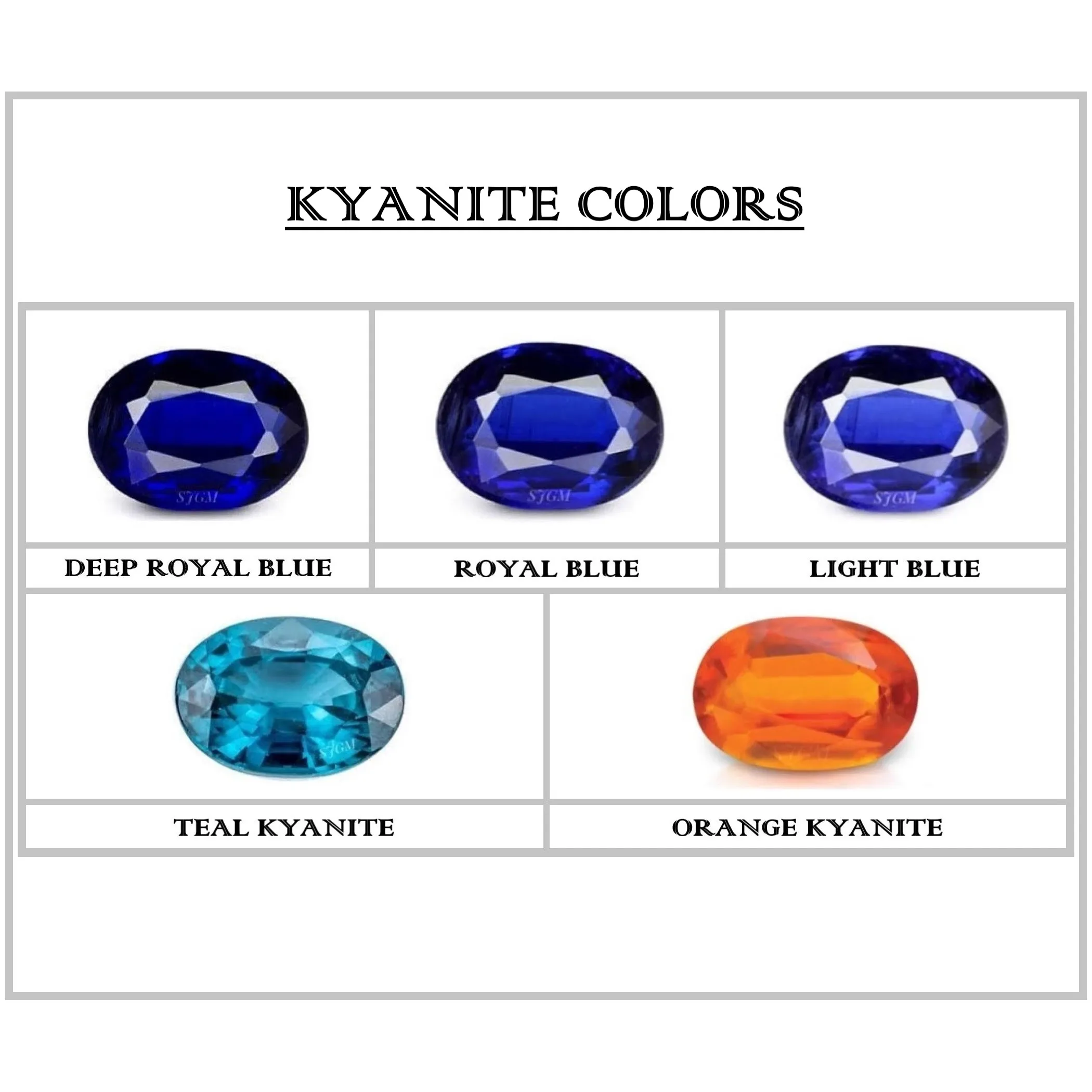
Kyanite Varieties And Colors
The deep blue of Himalayan Kyanite is reminiscent of a beautiful midnight ocean. It shows uneven shades of blue in a single specimen. These lighter and darker color zones and streaks often present in the center.
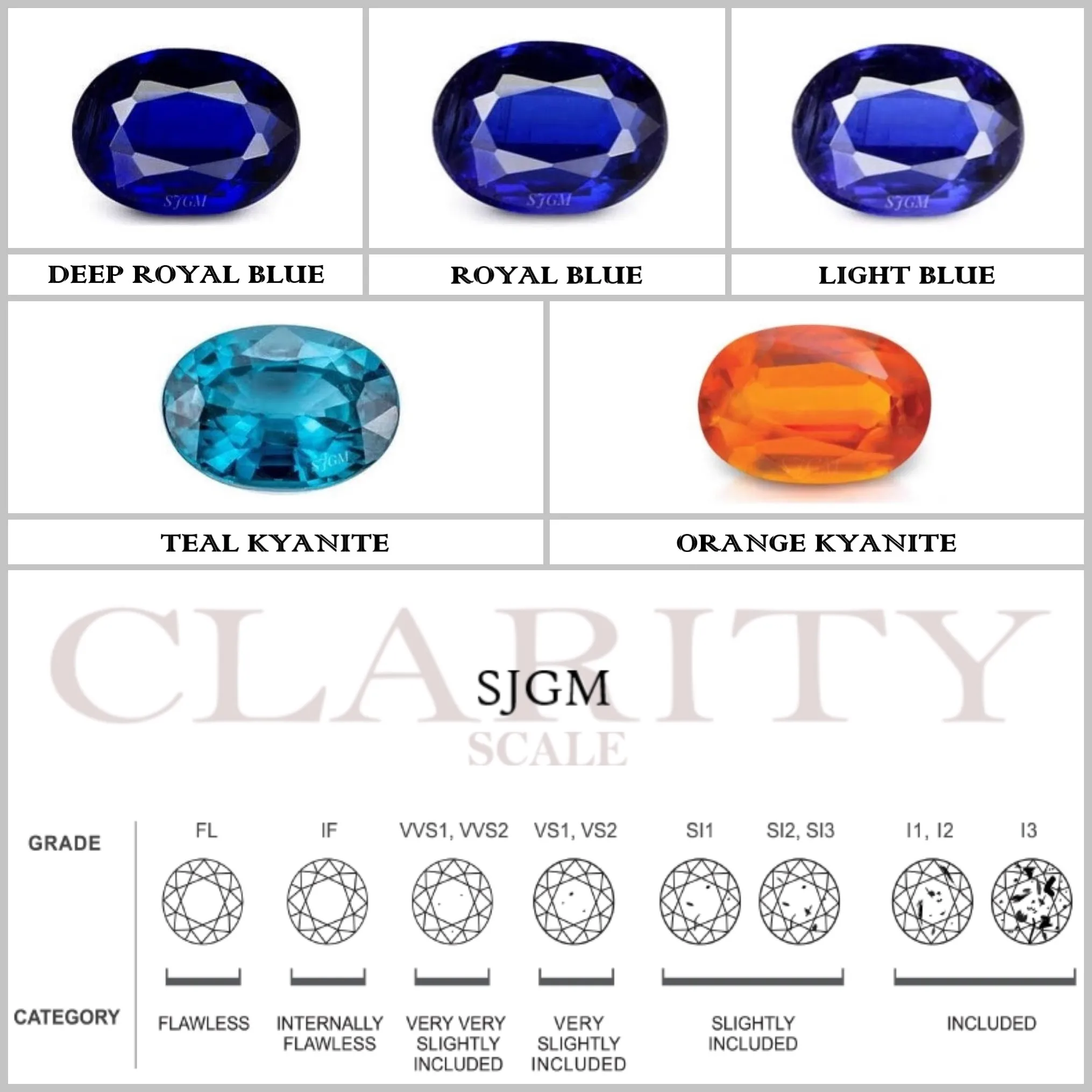
Himalayan Kyanite Clarity
Kyanite can be transparent to translucent. Transparent specimens are more desirable. Almost all kyanite stones exhibit some visible inclusions. Color zoning is often mistaken for internal inclusions. Stones with eye-clean clarity command higher prices.
Himalayan Kyanite Clarity
Kyanite can be transparent to translucent. Transparent specimens are more desirable. Almost all kyanite stones exhibit some visible inclusions. Color zoning is often mistaken for internal inclusions. Stones with eye-clean clarity command higher prices.
Kyanite Gemstone uses and Jewelry Design Ideas
This classic gemstone adds the royal touch to your styling. Its deep blue flatters all skin types and complements various metal settings, including sterling silver, but also yellow, white, and rose gold. It is best used for earrings and pendants if you wish to wear it daily. For occasional wear, ring and bracelet are good choices.
This stunning gemstone jewelry pairs well with white, orange, yellow, and red. For classic glam, style it with black!
This classic gemstone adds the royal touch to your styling. Its deep blue flatters all skin types and complements various metal settings, including sterling silver, but also yellow, white, and rose gold. It is best used for earrings and pendants if you wish to wear it daily. For occasional wear, ring and bracelet are good choices.
This stunning gemstone jewelry pairs well with white, orange, yellow, and red. For classic glam, style it with black!
We supply Best quality Natural '' KYANITE " in above mentioned cuts.
Available Colors & Clarity

INFORMATION
We have all types of quality's are available. In which you can buy Gemstones ranging from "100% CLEAN To INCLUDED" ...
The price of any gemstone depends on the same clarity. The more clean the gemstone is, the more expensive it is and as it gets less clean, its price also decreases...
More Available Shapes


We can also make all customise shapes as per our customer requirements, like Asscher, Triangle, Hexagon, Cubes, Kites, Slices etc.
And we always welcome new designed shapes order by customers...
More Available Sizes
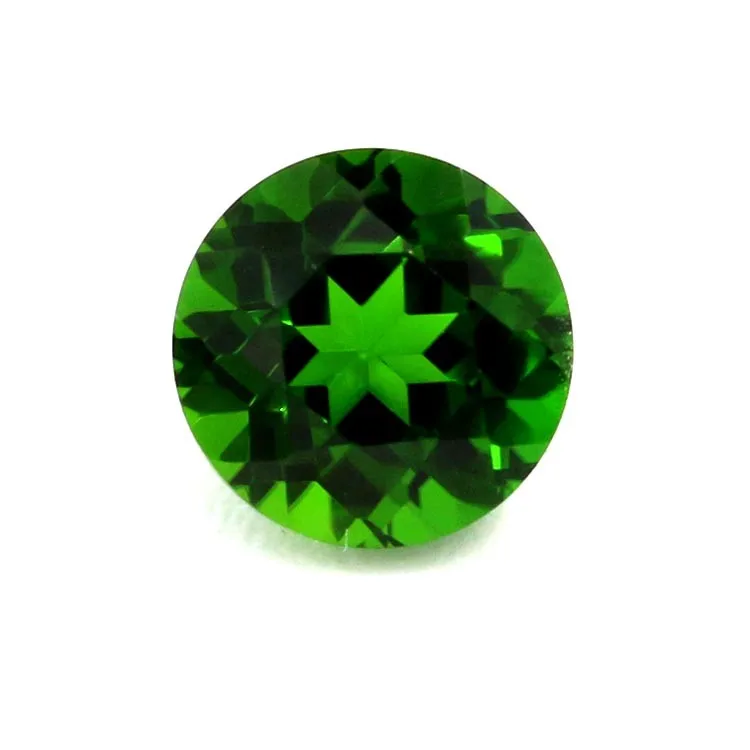
More Related Gemstones



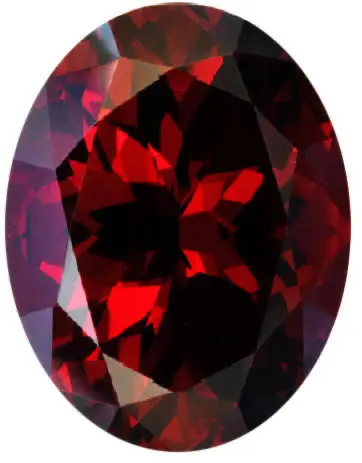
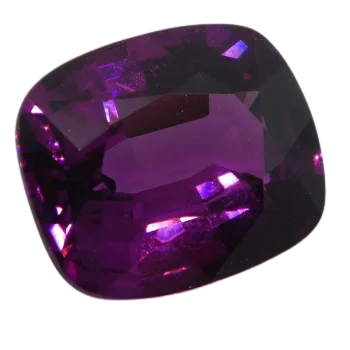


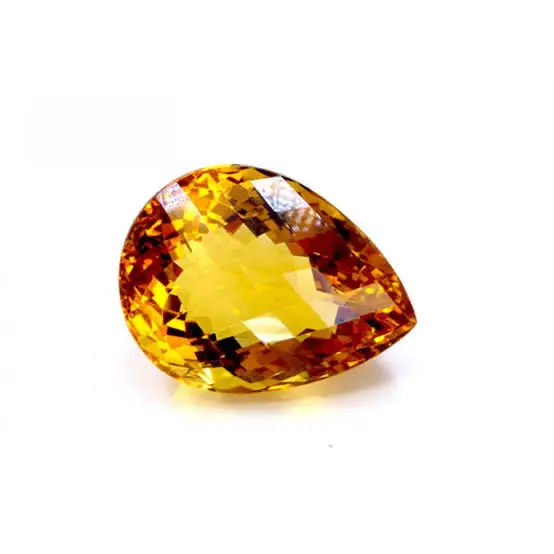

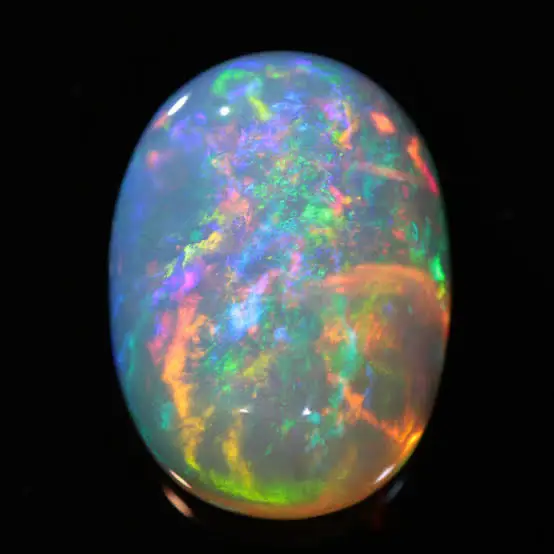




More Available Cuttings
Concave cut is also named by 'Laser cut', which is a very popular cutting and planted by most skilled craftsmen. After it is planted, this cutting gives a extremes luster of any gemstones, but this cutting takes extra weight loss and high cost of planting. This makes the gem slightly more expensive than other gemstones after this cut...
It is a very common popular cutting, in which the same type of cutting is applied on both sides of the gemstone, which gives a almond shape after the formation of the cutting. Gemstone is seen from both sides with the same type, it is called briolette, and this cutting can be applied in all types of shapes...
Like, by whose name you can understand, Diamond cut is applied mostly in the original diamonds. Which is known for its own sharpness and high standards. But it can be applied in other gemstones also, which very much flawless Luster provides to the gemstone. It is used in much of the round shaped gemstones...
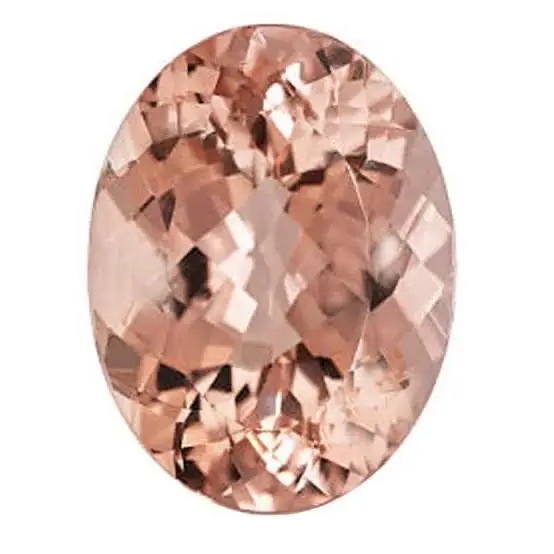
The most notable features of a rose cut gemstones are their flat back and domed top covered in triangular facets. The number of these facets can vary from as few as 3 up to as many as 24, which terminate at the very top in a single apex. This is where the term “rose” from its name originates; It’s facets are said to resemble the petals unfolding in a rose bud...
Checkerboard cut is a very popular cutting inspired by the chess board mines that are placed on the upper part of the gemstone in such a way that it looks like the chess mines and the regular cutting on the lower part. after the whole gemstone is ready, it will make the gemstone more fancy and high luster. It can also be used in all types of gemstones...
Princess cut is a type of diamond cutting which is also known as Radiant cut. This cutting for most is applied on angulate shaped gemstones such as Baguette, square, octagon, hexagon, triangle etc. This cutting is also very much like diamond cutting. Provides shine and high luster in the gemstone. it is most used in Square Shaped Gemstones...
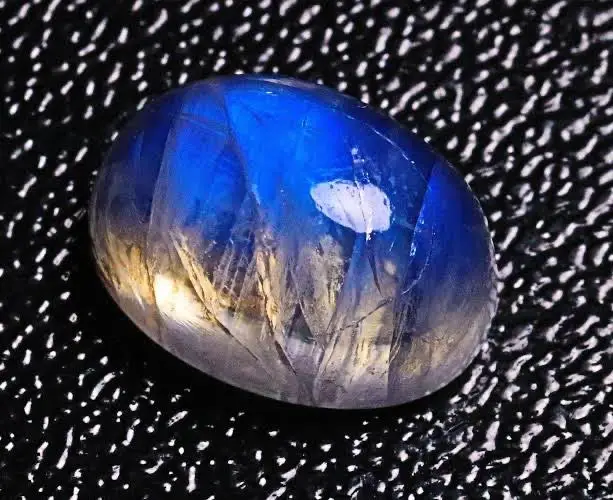
Cabochon is a very old and traditional shape of gemstones in which there is no cutting anywhere on the gemstone, but it is only polished from all around with fine shaped. After its formation and polishing, the gemstone looks very shiny and transparent. In our factory only hand artisans and equipment's are used in cabochon production which is the best method of making cabochons...
Buff-Top cut is a perfect combination of cabochon and other types of cutting that are applied in such a way that only plain polished are placed on the upper part of the gemstone and any other type of cutting is used on the other side. after this cutting, gemstone made much more transparent from the upper part. This is a very good mixing of traditional cabochon and modern cuttings...
Carvings is a very traditional type of cutting which requires high experience and skilled artisan, to plant this cutting. There is no limit to this cutting, this cutting can be same in many gemstones and Sometimes different types of cuttings can also be applied in one gemstone. So it is a very traditional cutting methods Which is mostly applied on high valued gemstones...
We can also plant all customise cuttings in gemstones as per our customer requirements, because we have many traditional artisans and required machines in our factory. we are expert in planting all kinds of cuttings. so we always welcome new designed cuttings orders by customers...
Why Choose Us
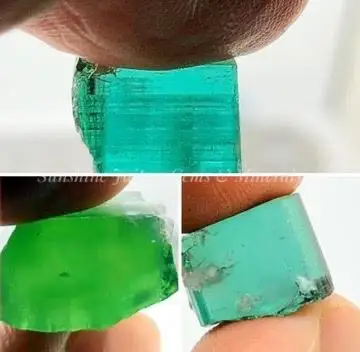
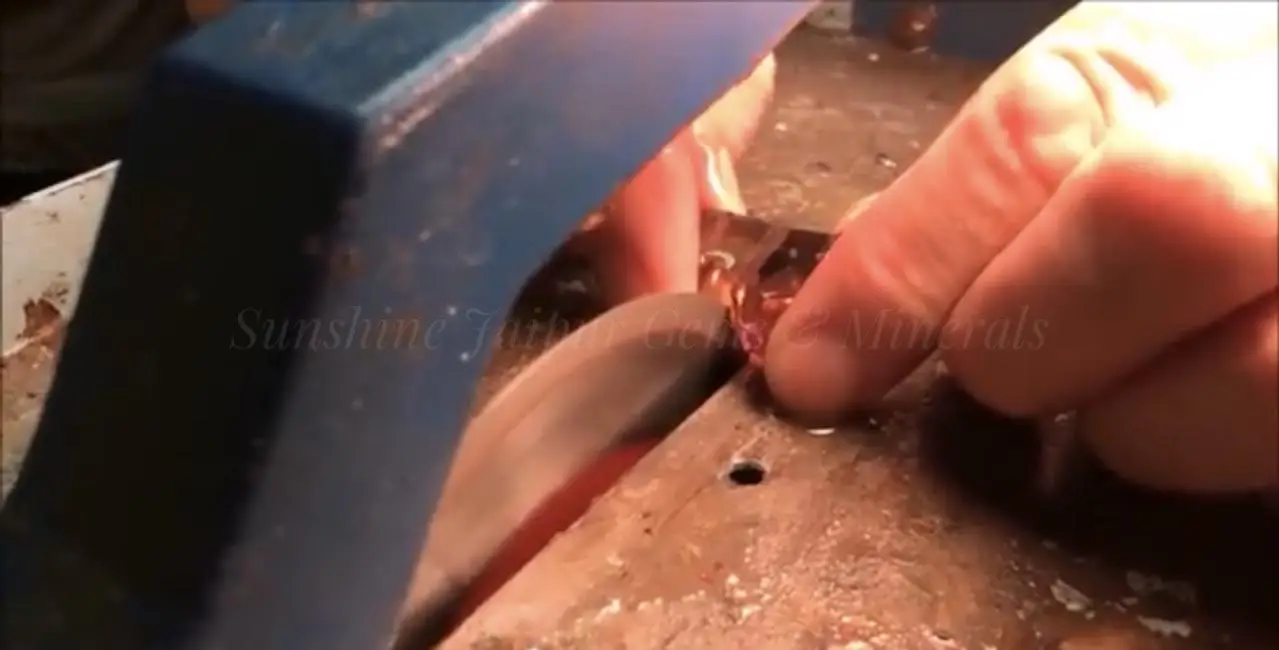
Complete In-House Manufacturing
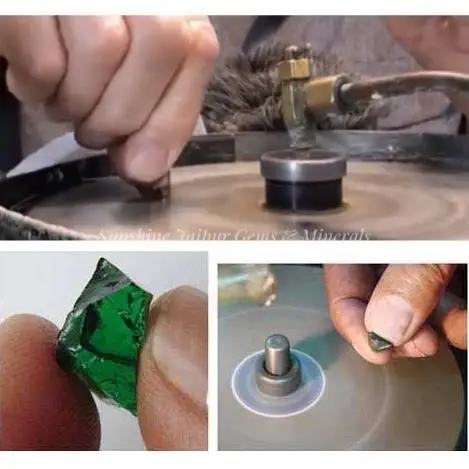
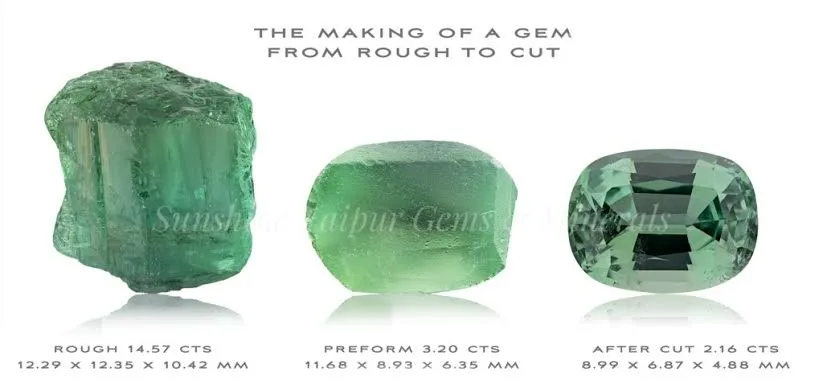

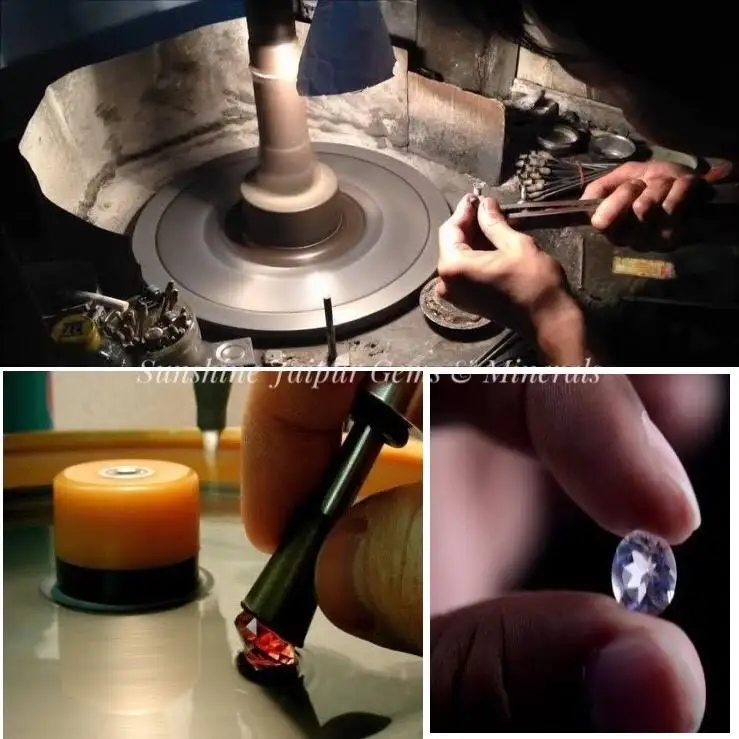
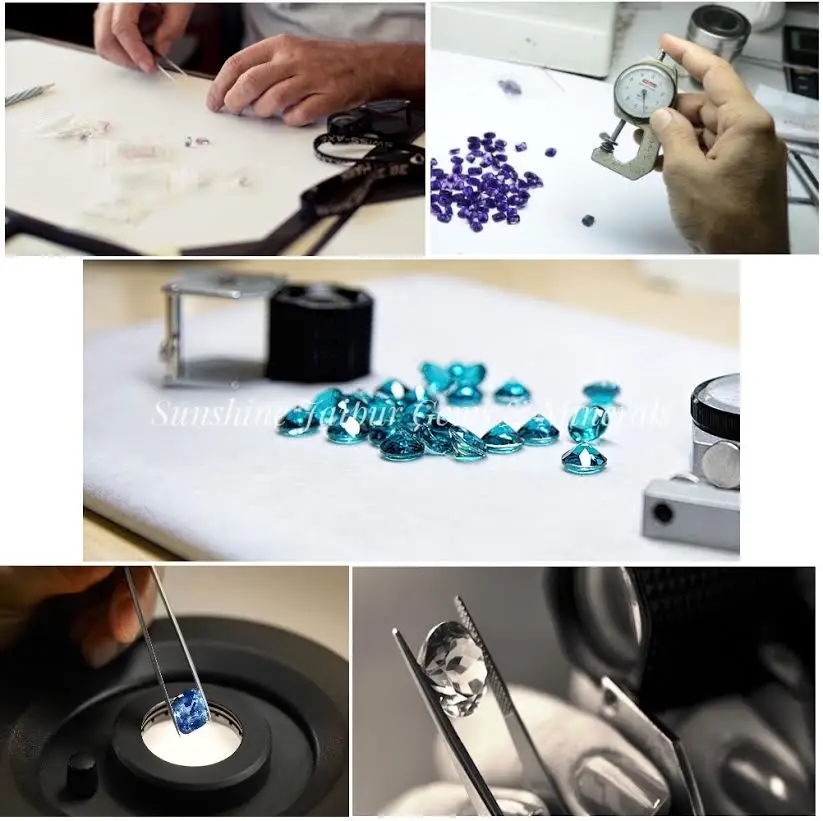
Our Advantages
Production
Easy Customisation
Certifications
Best Service
Easy Payment
Customer Relations
Product Packaging & Delivery
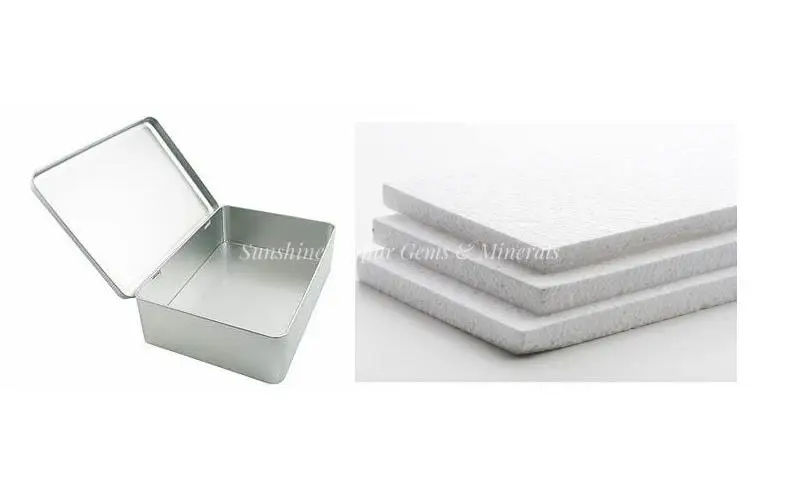
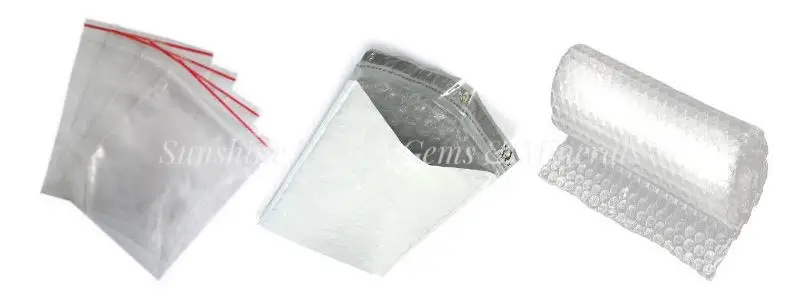
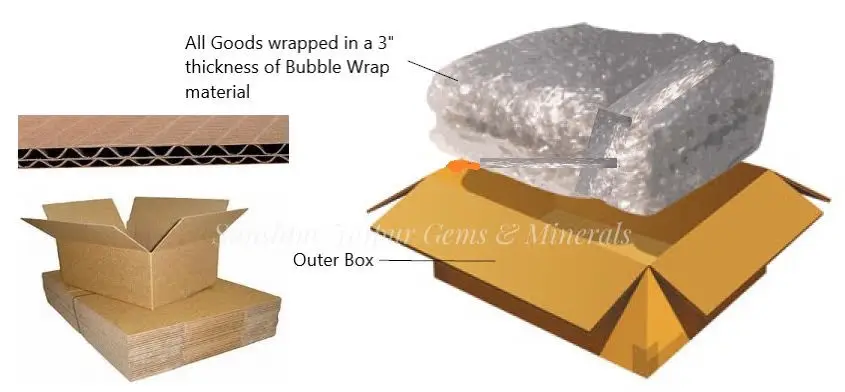

Delivery Partners
Delivery Ways
Promises
FAQ'S
Q. What is a carat?
Ans: Gemstone weight is measured in units of the "carat." One carat is 0.2 grams.
Q. Can you offer us OEM and ODM ?
Ans: Yes, we can make your unique design based on your detailed requirement with OEM or ODM services.
Q. Do you Ship Worldwide ?
Ans: Yes. We ship worldwide.
Q. What are your terms of delivery?
Ans: EXW(Ex Works) , FOB(Free on Board) , CIF(Cost Insurance freight)
Q. Is Shipping Included in the price ?
Ans: No, Prices mentioned are FOB prices only. Shipping charges will be additional.
Q. What are your terms of payment?
Ans: 50% as deposit, and rest 50% before delivery.
We'll give updates of your production progress through photos of the products at all stages and packages before requesting balance payment.
Q. Is the description of size that you have shown, is accurate ?
Ans: yes this is accurate, but it is based on international standards,
which is (+-.20mm)above 3mm sizes and (+-.10mm)bilow 3mm sizes
Q. Are true color shown in the images?
Ans: Yes, the showcased images are in true colors. However, depending on the resolution of your device's screen, there might be slight variation in the color of the actual product. we use our own product photos only.
Q. What is your return policy?
Ans: Return policy is applicable on manufacturing defects only.
For more information, kindly get in touch with us through our official e-mail or alibaba messenger.
Q. why your price is so low ?
Ans. Because we buy our raw material directly from the mines at a reasonable price and it is produced in our factory under one roof from beginning to end, Which greatly reduces our cost.
Q. Do you also make imitation and synthetic gemstones ?
Ans. No , We make 100% Natural and Genuine gemstones only....
Please do not hesitate to contact us directly for any other information.
Email :- sunshine.jaipurgems@gmail.com
Thankyou For Choosing US
Ans: Gemstone weight is measured in units of the "carat." One carat is 0.2 grams.
Q. Can you offer us OEM and ODM ?
Ans: Yes, we can make your unique design based on your detailed requirement with OEM or ODM services.
Q. Do you Ship Worldwide ?
Ans: Yes. We ship worldwide.
Q. What are your terms of delivery?
Ans: EXW(Ex Works) , FOB(Free on Board) , CIF(Cost Insurance freight)
Q. Is Shipping Included in the price ?
Ans: No, Prices mentioned are FOB prices only. Shipping charges will be additional.
Q. What are your terms of payment?
Ans: 50% as deposit, and rest 50% before delivery.
We'll give updates of your production progress through photos of the products at all stages and packages before requesting balance payment.
Q. Is the description of size that you have shown, is accurate ?
Ans: yes this is accurate, but it is based on international standards,
which is (+-.20mm)above 3mm sizes and (+-.10mm)bilow 3mm sizes
Q. Are true color shown in the images?
Ans: Yes, the showcased images are in true colors. However, depending on the resolution of your device's screen, there might be slight variation in the color of the actual product. we use our own product photos only.
Q. What is your return policy?
Ans: Return policy is applicable on manufacturing defects only.
For more information, kindly get in touch with us through our official e-mail or alibaba messenger.
Q. why your price is so low ?
Ans. Because we buy our raw material directly from the mines at a reasonable price and it is produced in our factory under one roof from beginning to end, Which greatly reduces our cost.
Q. Do you also make imitation and synthetic gemstones ?
Ans. No , We make 100% Natural and Genuine gemstones only....
Please do not hesitate to contact us directly for any other information.
Email :- sunshine.jaipurgems@gmail.com
Thankyou For Choosing US
We Recommend
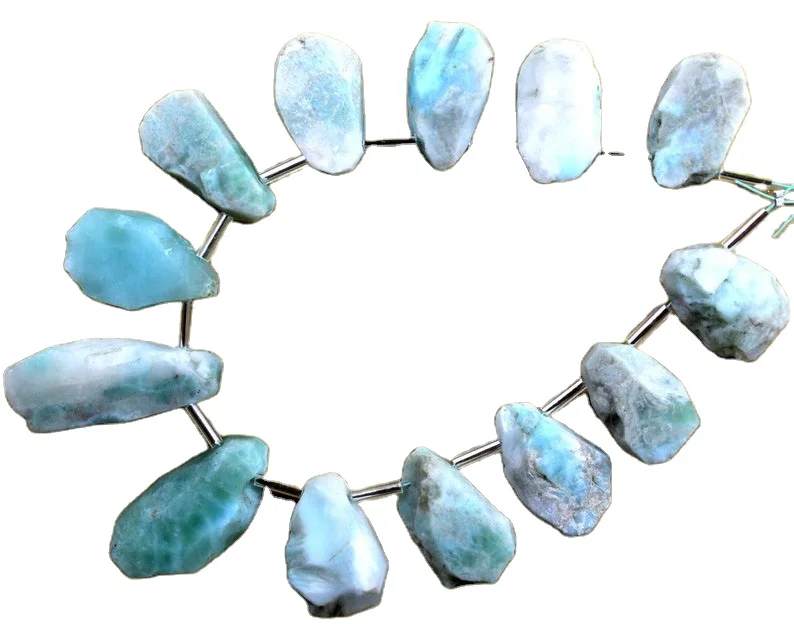
New Arrivals
New products from manufacturers at wholesale prices