
Taiwan Agricultural Biotechnology Feed Additives for Poultry
- Category: >>>
- Supplier: FRADOX GLOBAL CO. LTD.
Share on (10000002591045):
Product Overview
Description

Action Principle
1. Permits rapid decomposition of proteins, transforming amino acids, for easy absorption.
2. Through carbohydrate fermentation, converts glucose to provide necessary vitamins.
3. Cleanses intestines to help digestion, inhibiting pathogens, and generating necessary vitamins.
4. The enzyme aids digestion, and promotes metabolism, increasing antibodies and improving immunity.
2. Through carbohydrate fermentation, converts glucose to provide necessary vitamins.
3. Cleanses intestines to help digestion, inhibiting pathogens, and generating necessary vitamins.
4. The enzyme aids digestion, and promotes metabolism, increasing antibodies and improving immunity.
Specification
item | |
Place of Origin | TAIWAN |
Type | Feed Grade Enzymes, Feed Grade Proteins |
Efficacy | Promote Healthy & Growth, Promote Nutrition |
Model Number | LFA-01 |
Appearance | Powder |
Grade | Animal Feed Grade |
Shelf Life | 2 Years |
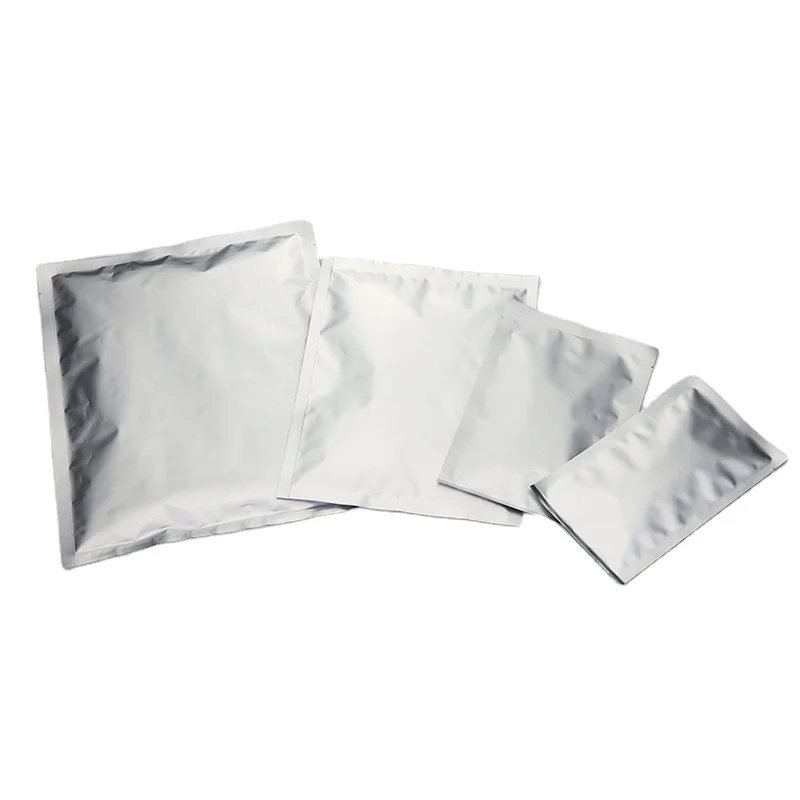
Packing | 100g/bag |
MOQ | 1 bag |
Apply to | Livestock and Poultry |
Functions
(For Preeding pigs)
1. Enhances pigs’ immune system, transforming amino acids, enhances and increases sperm activity.
2. Improves the birth rate, reducing incidence of disease, greatly improving survival rates.
(For Piglets)
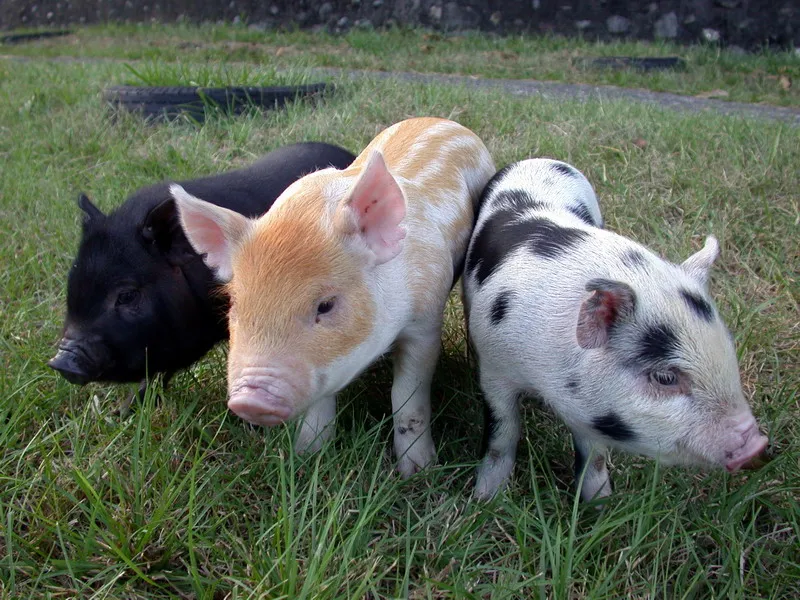
1. Enhances piglets’ immune system, balance intestinal bacteria, improve diet and increase feed intake.
2. Reduces losses from stress from various factors.
3. Reduces the incidence of yellow and white scour in Piglets by 83.3% -97.35%, significantly lowering drug costs ( as proven by experimental comparison, piglet drug costs under the same management can result in savings greater than 67.7%)
(For Fattening)
1. Improves anorexia, increase contents, to balance intestinal bacteria improving coat gloss ( visible results seen in 3-7 days)
2. In the same environment, feed 10-12 days in advance of slaughter, to improve and increase the conversion ratio for delicious meat.
3. A large number of experimental comparisons indicate that the costs of medicines under the same management result in savings of about 46.8% -72.6%.
(For Poultry)
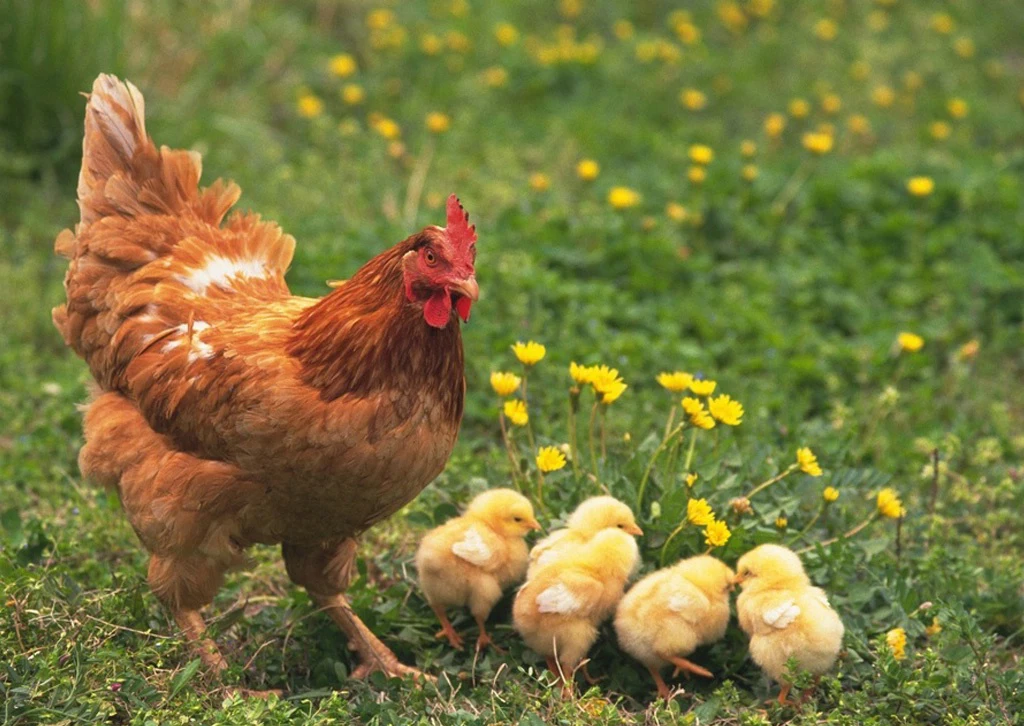
1. For balanced intestinal bacteria, improving immunity, and reducing the incidence of disease.
2. Increases poultry.egg-producing poultry skin, feathers, and crest coat, shine and fullness, increases growth rates and increases fresh tasting meat.
3. Enhances egg production rates by 15% -30% and protein quality and improves eggshells, egg color and egg yolk brightness.
4. Experimental comparison indicates that the costs of medicines under the same management can result in savings of 58.9% or more.
(For Ruminants)
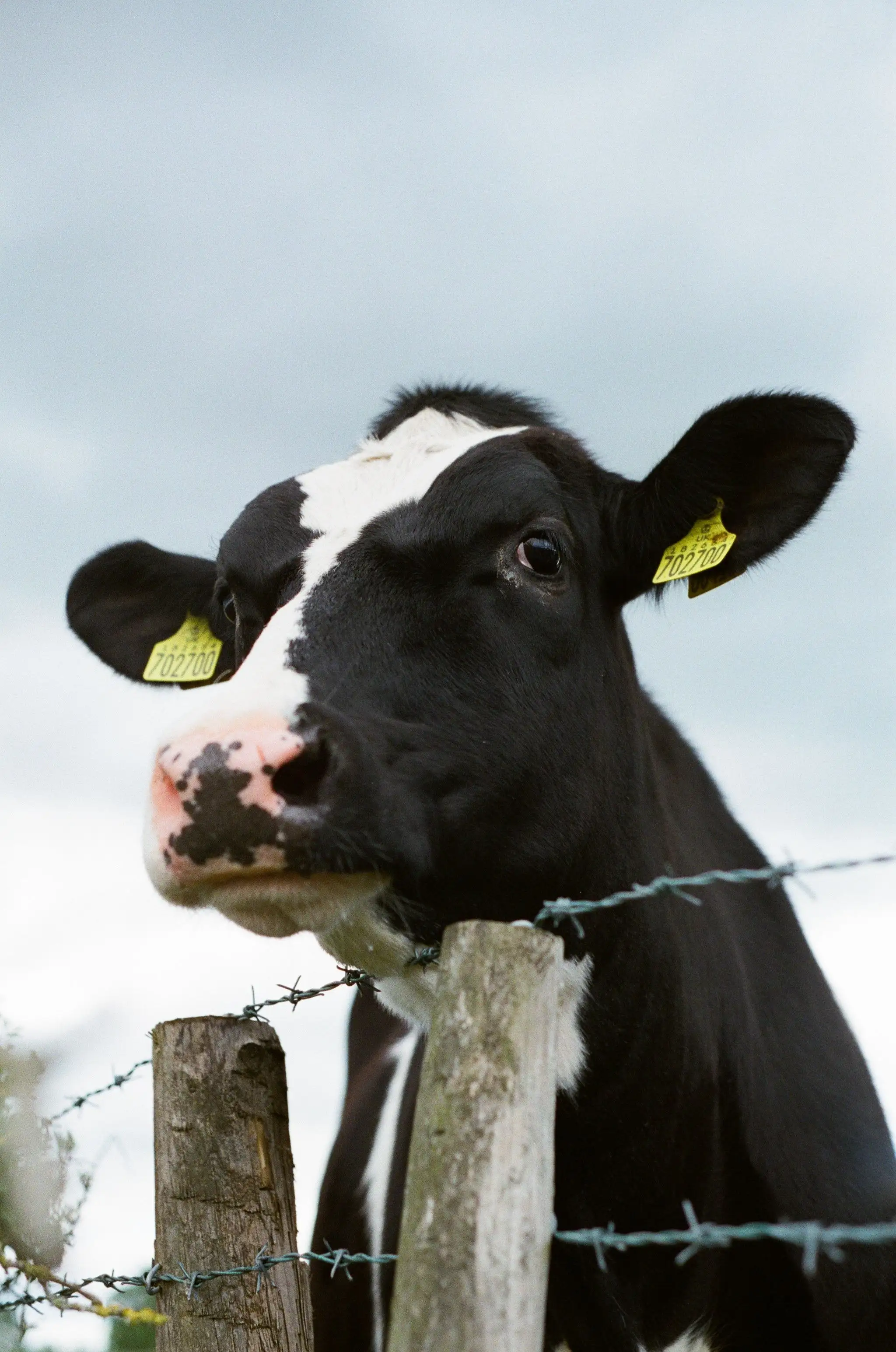
Helps break down crude fiber, promoting digestion and peristalsis, improving feed nutrient absorption,thereby increasing antibodies, reducing disease, and enhancing cows’ milk secretion, improving milk protein, fat and dry matter content, production increases from 28.8% - 49.6%
2. Improves the birth rate, reducing incidence of disease, greatly improving survival rates.
(For Piglets)
1. Enhances piglets’ immune system, balance intestinal bacteria, improve diet and increase feed intake.
2. Reduces losses from stress from various factors.
3. Reduces the incidence of yellow and white scour in Piglets by 83.3% -97.35%, significantly lowering drug costs ( as proven by experimental comparison, piglet drug costs under the same management can result in savings greater than 67.7%)
(For Fattening)
1. Improves anorexia, increase contents, to balance intestinal bacteria improving coat gloss ( visible results seen in 3-7 days)
2. In the same environment, feed 10-12 days in advance of slaughter, to improve and increase the conversion ratio for delicious meat.
3. A large number of experimental comparisons indicate that the costs of medicines under the same management result in savings of about 46.8% -72.6%.
(For Poultry)
1. For balanced intestinal bacteria, improving immunity, and reducing the incidence of disease.
2. Increases poultry.egg-producing poultry skin, feathers, and crest coat, shine and fullness, increases growth rates and increases fresh tasting meat.
3. Enhances egg production rates by 15% -30% and protein quality and improves eggshells, egg color and egg yolk brightness.
4. Experimental comparison indicates that the costs of medicines under the same management can result in savings of 58.9% or more.
(For Ruminants)
Helps break down crude fiber, promoting digestion and peristalsis, improving feed nutrient absorption,thereby increasing antibodies, reducing disease, and enhancing cows’ milk secretion, improving milk protein, fat and dry matter content, production increases from 28.8% - 49.6%

Note:
This product cannot be used with
any disinfectant or fungicide, water
added to the product (need not be
only tap water) permits use as an
alternative disinfectant, reducing
mosquito breeding and to prevent
flies, improving breeding
environment and health.
Packing & Delivery

Packing: 100g/bag
Other Products


Contact Us

We Recommend


New Arrivals
New products from manufacturers at wholesale prices