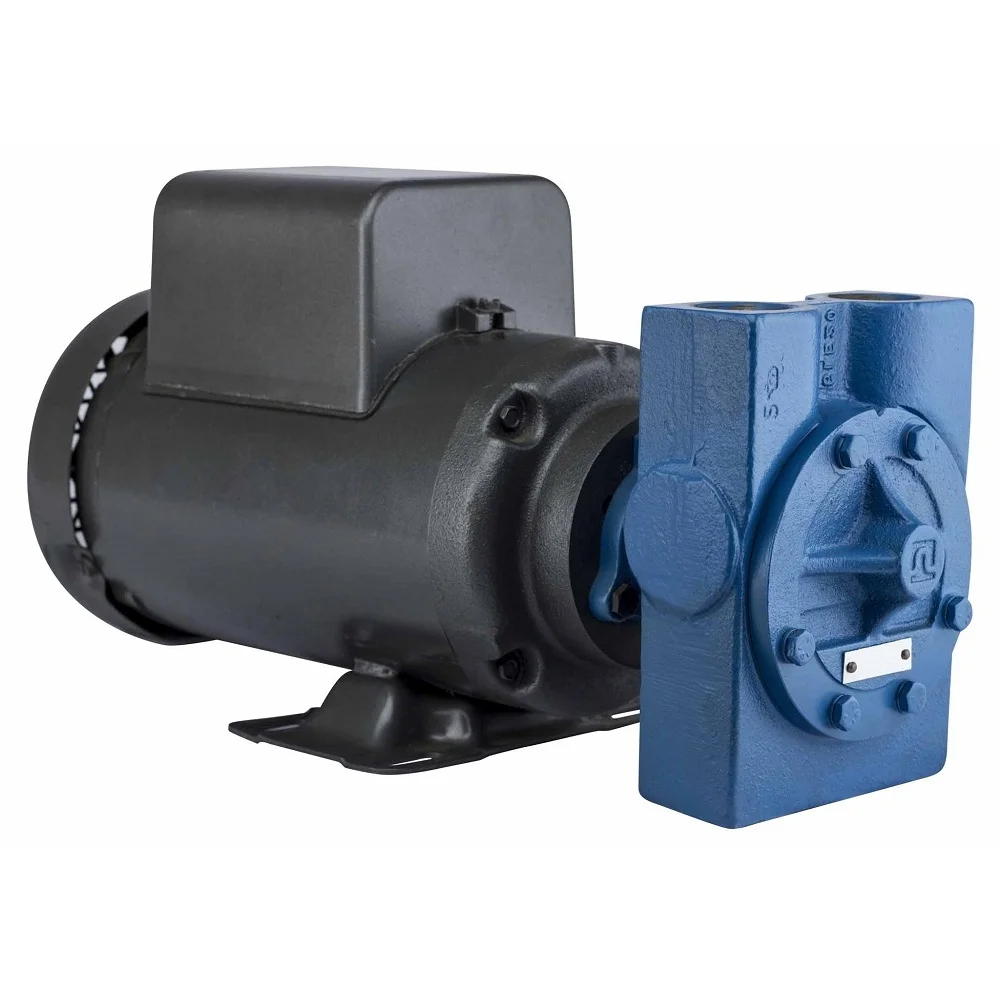
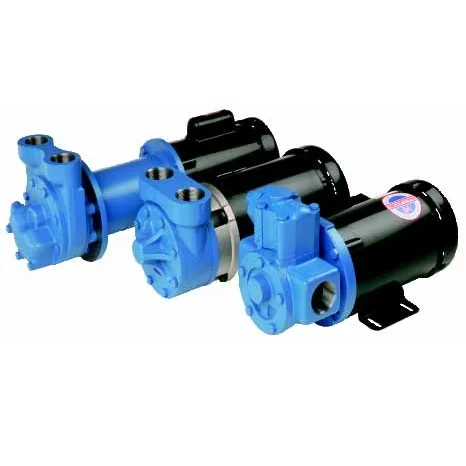
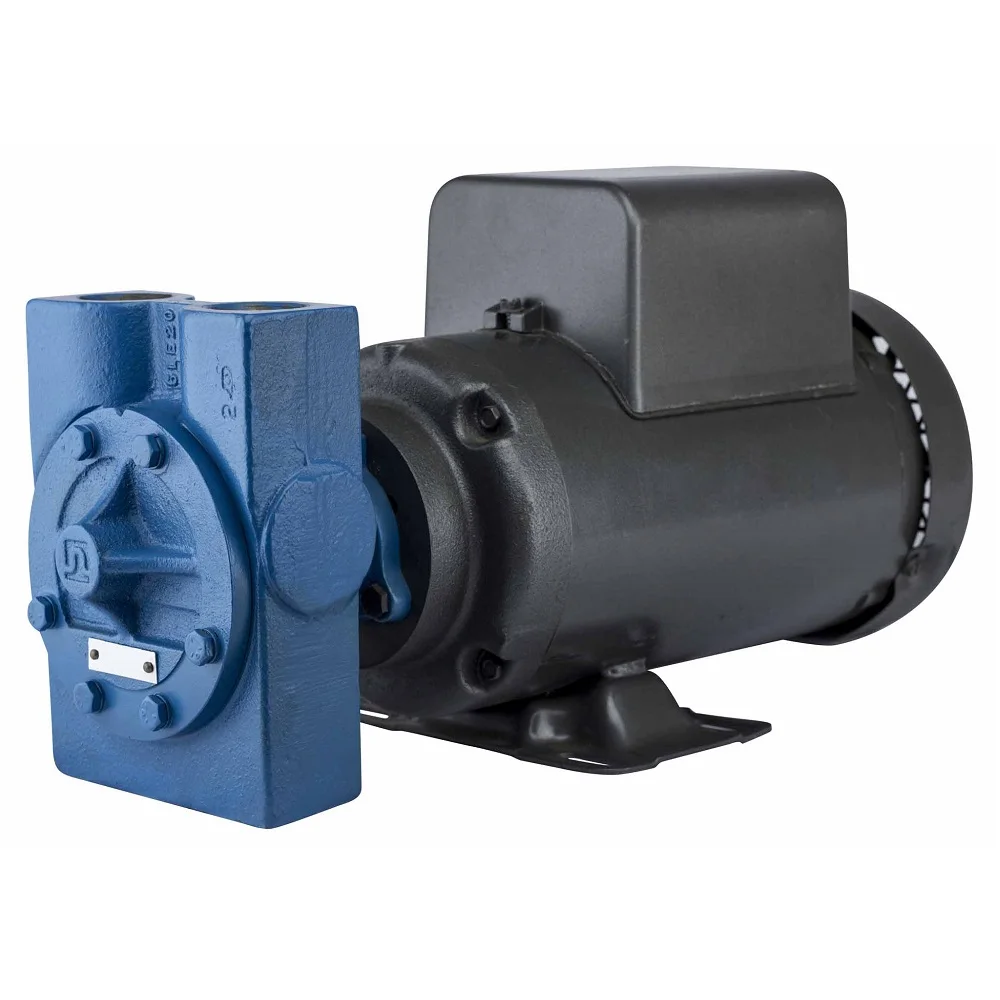
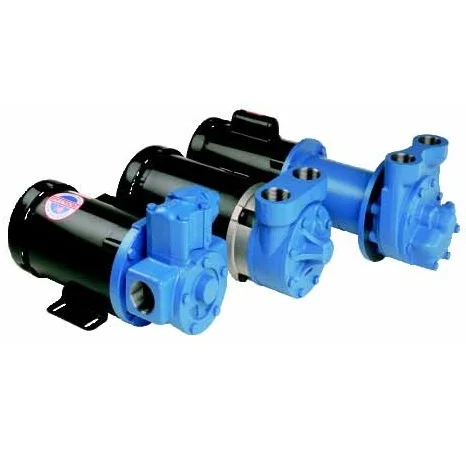
Tuthill Diesel Fuel Supply High Pressure 1Kg Carbon Steel 200 psig Max. Head Oil Fuel Pumps
- Category: >>>
- Supplier: J N W Engineering Pte Ltd
Share on (10000003205361):
Product Overview
Description
Banner

Product Description


| Place of Origin | USA |
| Warranty | 1 Year |
| Application | Diesel |
| Horsepower | 3kW |
| Pressure | High Pressure |
| Type | Gear |
| Maximum Head | 200 PSIG |
| Material | Carbon steel |
| Weight | 1Kg |
| Description | Series 4100 pumps have optional foot mounting, but can also be provided for close coupling and adapter mounting. They have an open-coring design that provides outstanding performance at higher speeds and pressures. The selection includes models with a capacity range from 1/3 to 14 GPM. Rotor heads are hydraulically balanced for minimum end clearance assuring excellent priming and consistent capacity over a wide viscosity and pressure range. These pumps are capable of handling inlet pressures as high as 250 psi at standard 1750 rpm rotor speeds, with maximum discharge pressures of 300 psi
Pumps may also be provided with outboard ball bearing, tang shaft, relief valve, and choice of Buna N, neoprene, Viton, or EPR seal.
Unless otherwise specified at the time of order, all 4100/4120 pumps are supplied with the standard spring, with a range of 55-120 PSI (4 to 8 bar), set to relieve at 55 PSI (4 bar) full-bypass on 200 SSU oil. The standard spring range in the 4108 is 40-70 PSI (3 to 5 bar) and is set to relieve at 55 PSI. The relief valve setting should be reset in the actual operating condition. To adjust the relief setting within the range of a given spring’s capability • Remove the acorn nut (Not supplied with models 4108) • Insert a screwdriver into the slot of the adjusting screw and hold it steady • Loosen the locking nut with a wrench by turning counterclockwise • Throttle the outlet line until the differential pressure at the pump port reaches the desired level • If the pressure falls to reach this level with the throttling valve closed, turn the adjusting screw inward (clockwise) to increase to desired pressure • If the pressure reaches the desired level before the throttling valve is completely closed, turn the adjusting screw outward (counter-clockwise) to lower to the desired pressure • Retighten the nut to lock the setting in place and replace the acorn nut (if supplied) • Recheck the pressure gauge reading |

Product Categories


 |  |  |
 |  |


About Us


FAQ


Contact


We Recommend

New Arrivals
New products from manufacturers at wholesale prices