Intelligent Remedies Solidsleep Safe and Restful Sleep Healthcare Supplement Sleep Drops Sleeping Helper
- Category: Memory & Sleep Healthcare Products >>>
- Supplier: Intelligent Remedies Inc.
Share on (10000003699608):
Product Overview
Description

Product Description

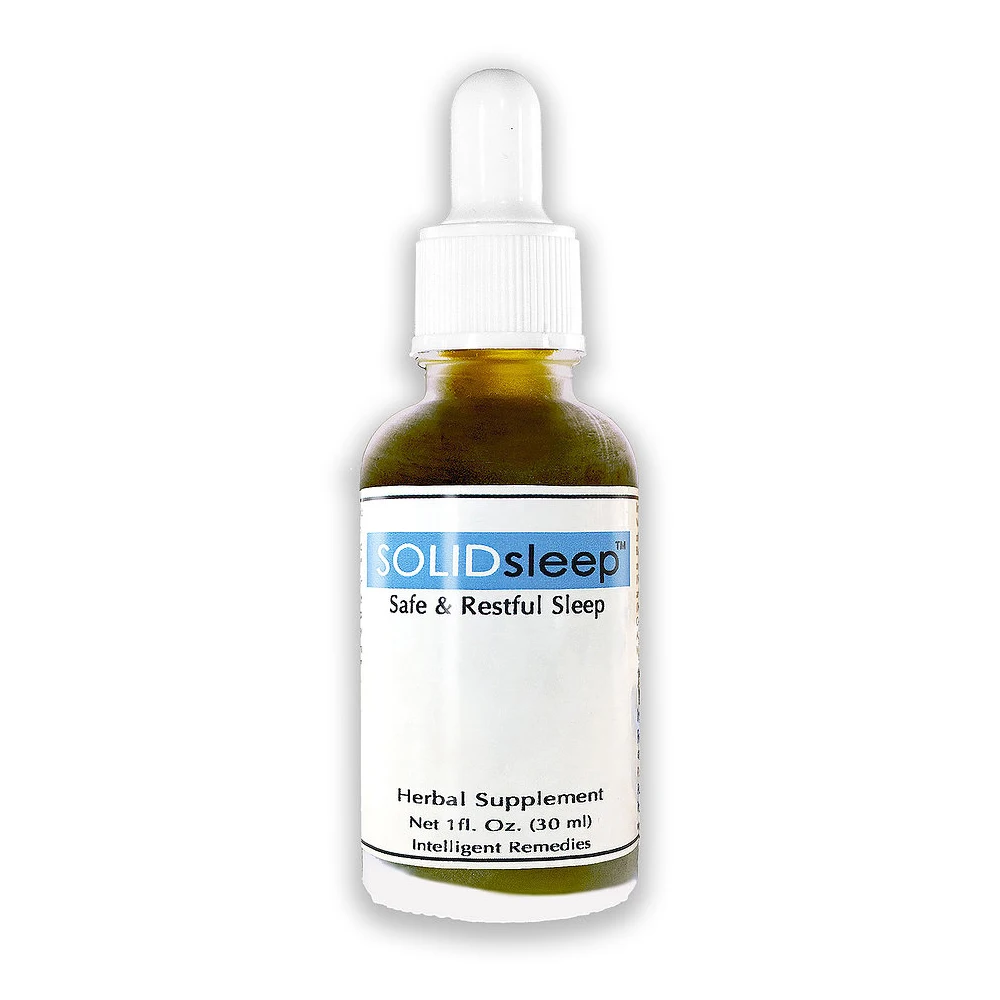
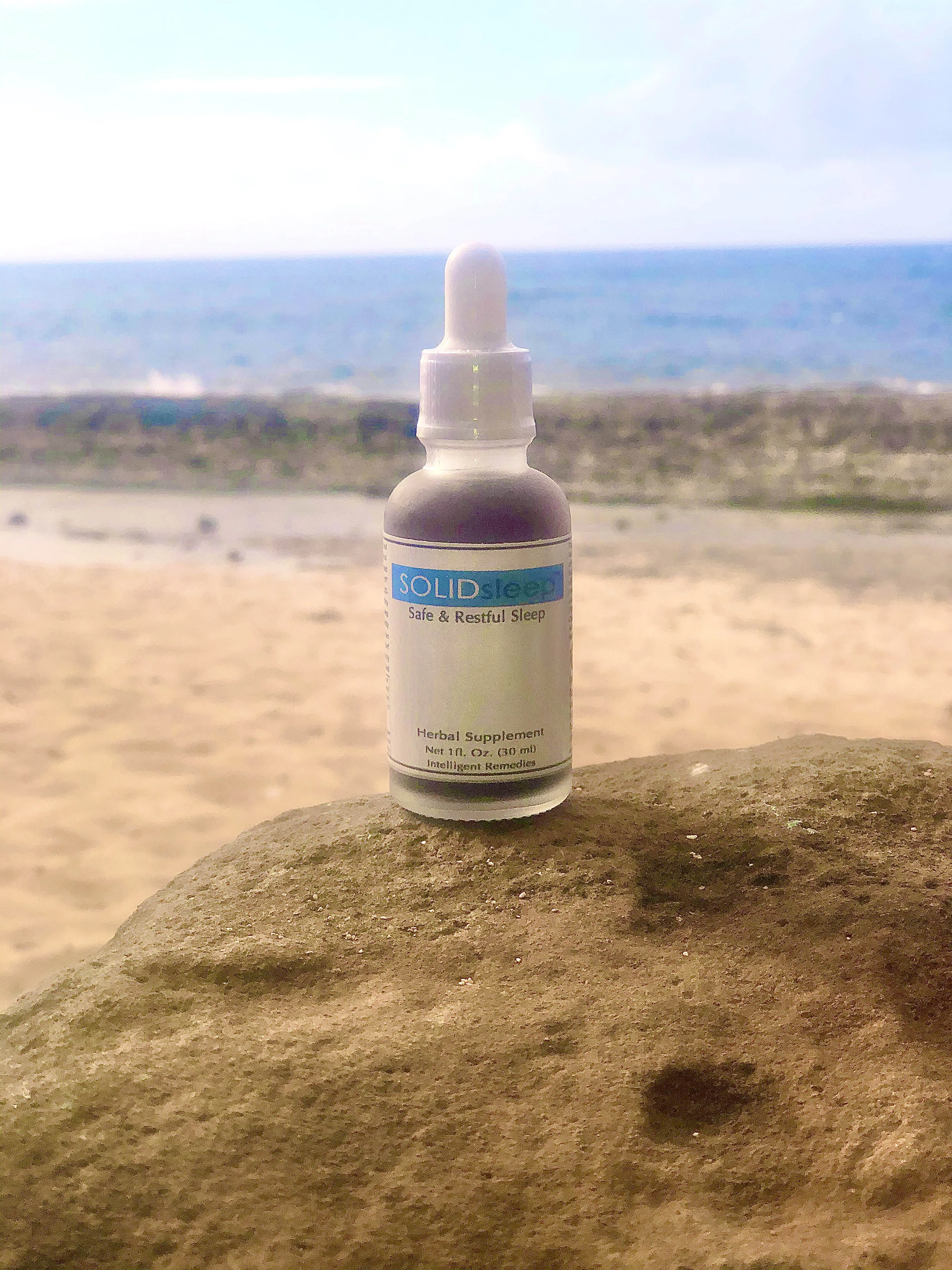
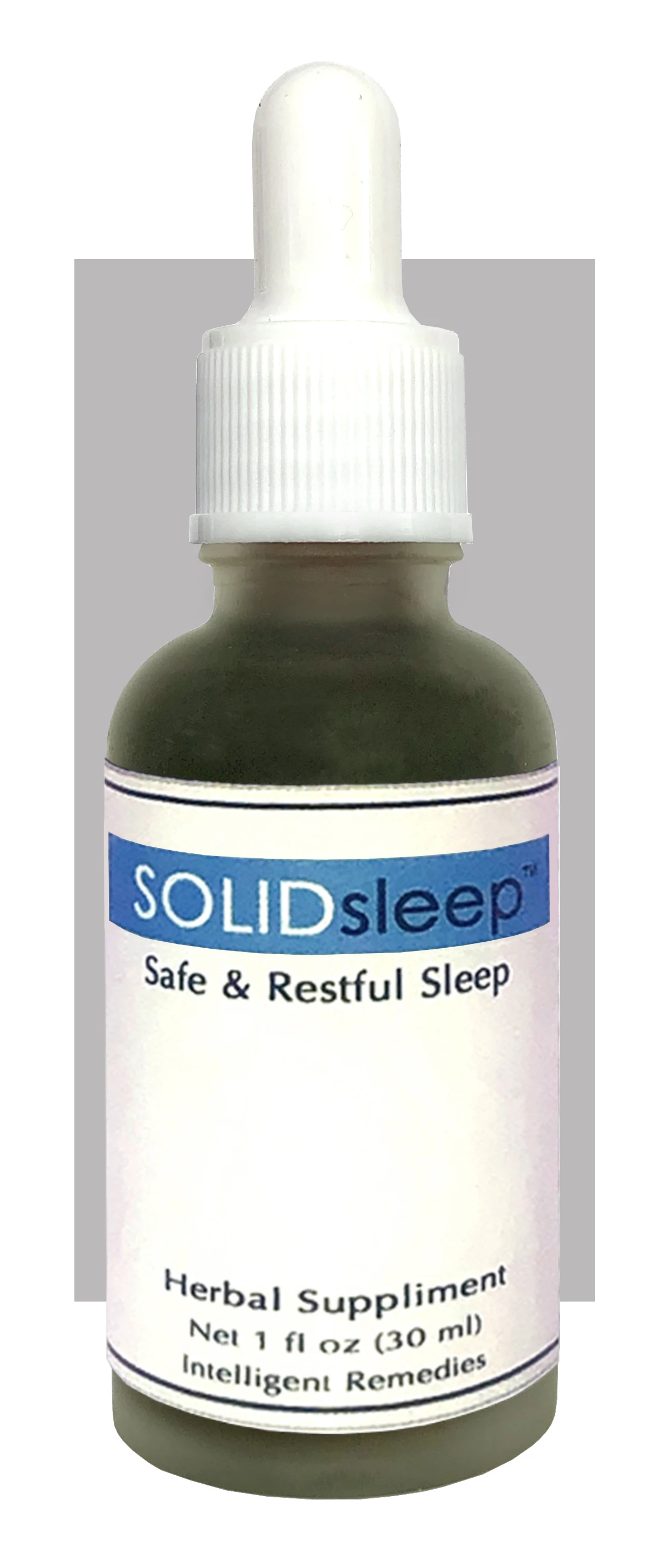
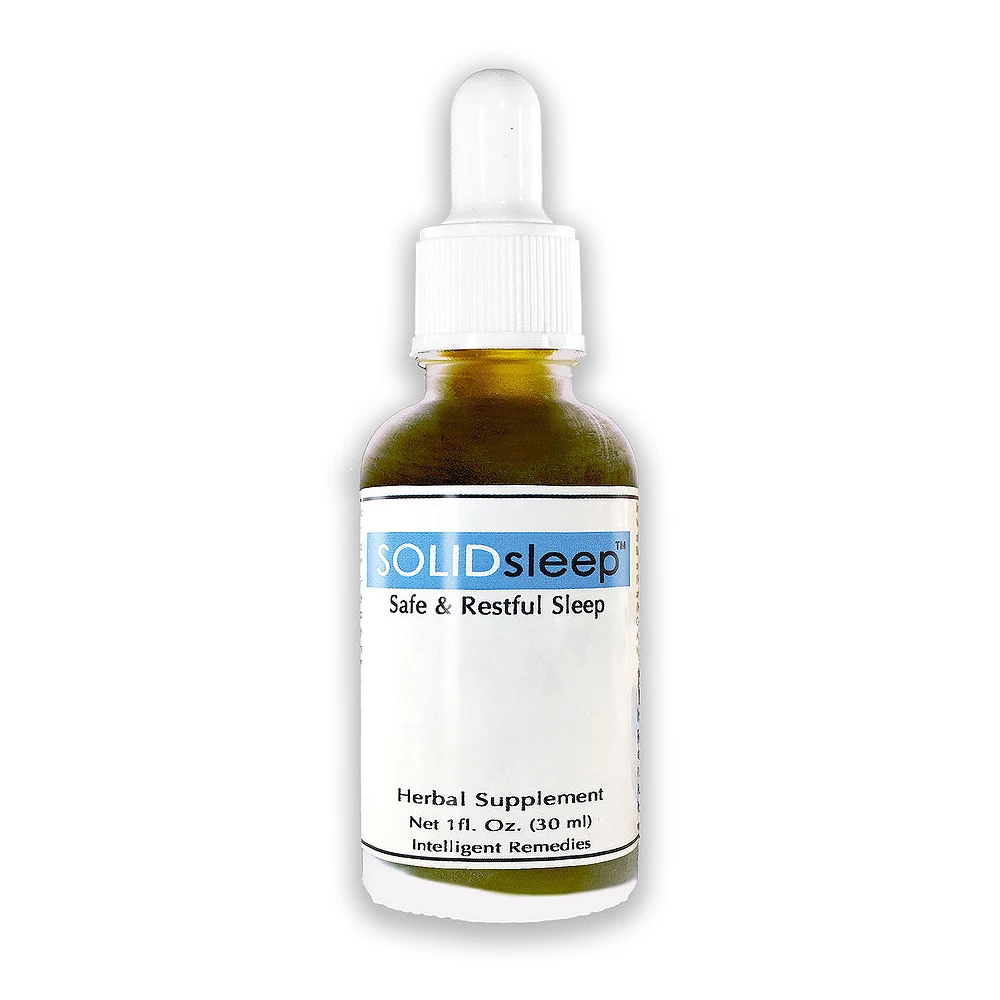
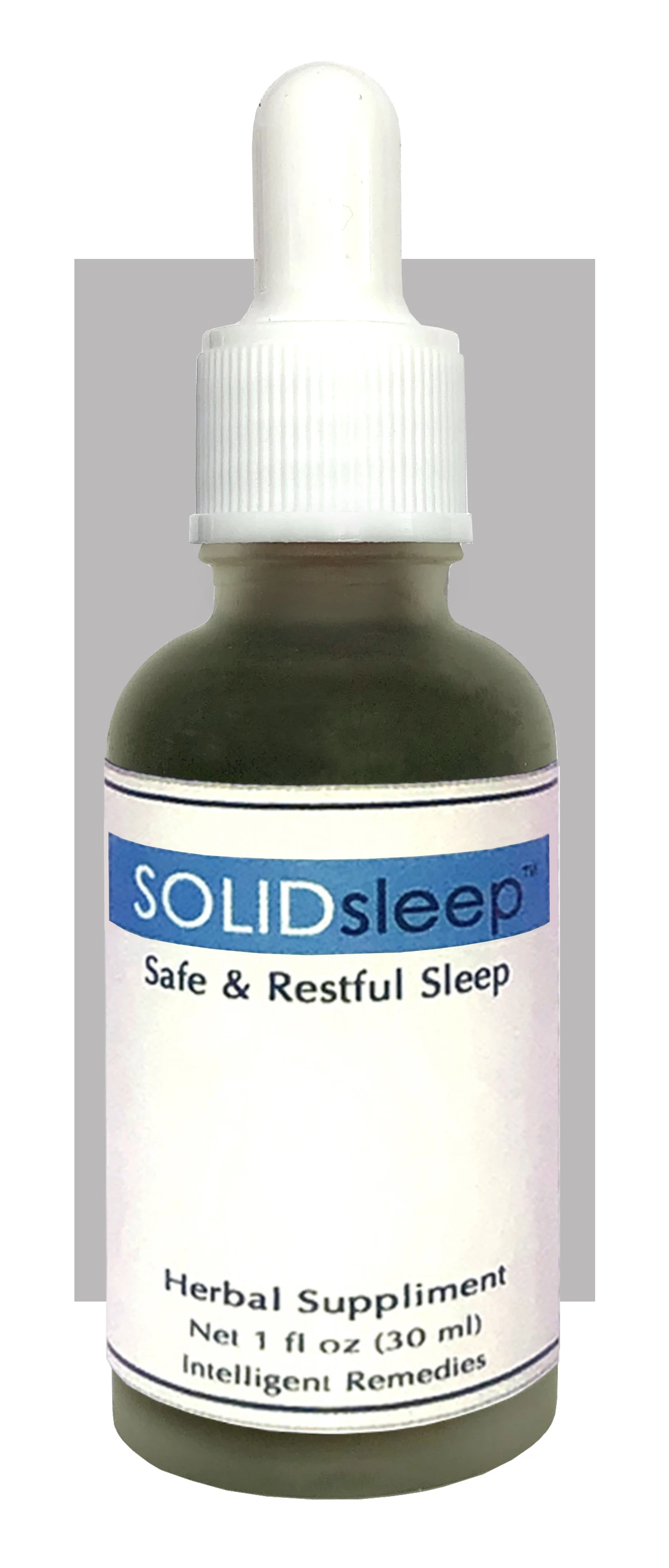
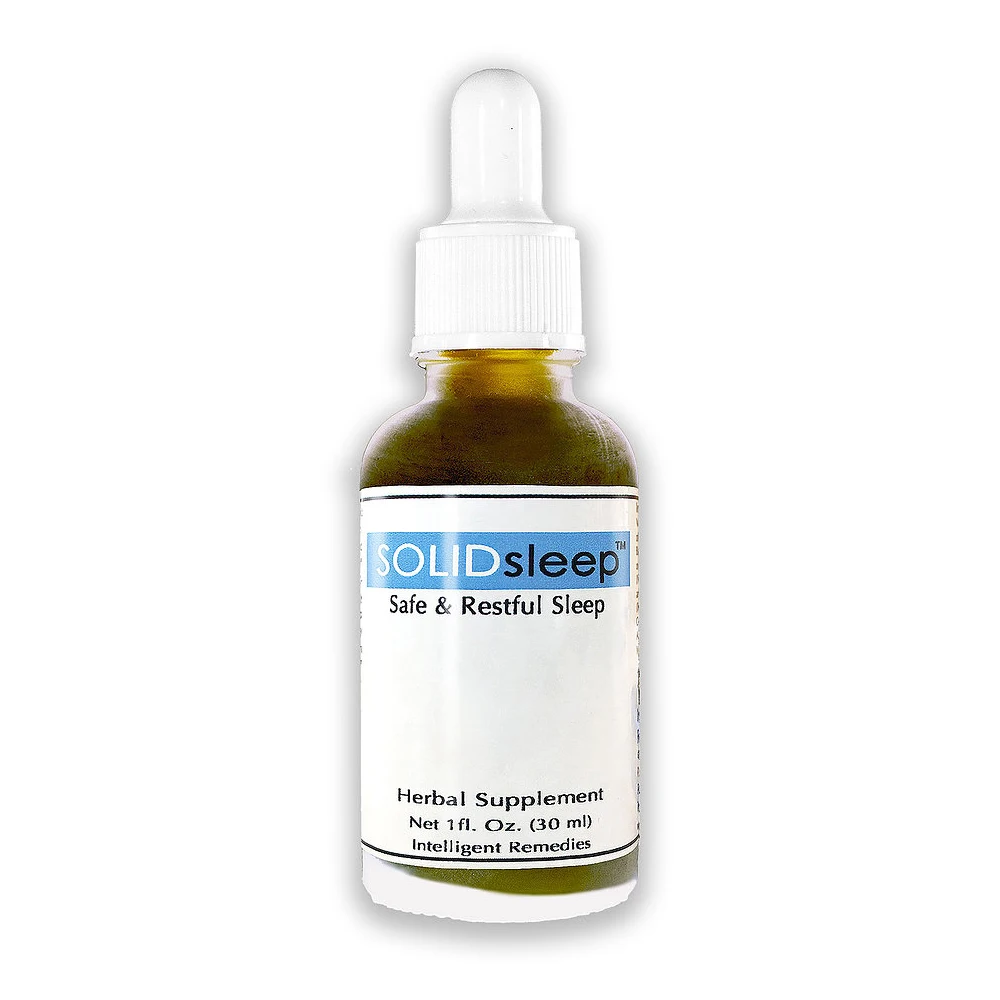
Solidsleep Safe & Restful Sleep
SOLIDsleep is a Phytotherapeutic Extraction of Valerian (Valeriana officinalis), Magnolia Bark (Magnolia officinalis), Nepeta (Nepeta Menthiodes) and Passion Fruit (Passiflora Edulis). Formulated for maximum effectiveness SOLID Sleep can provide safe and
gentle sleep. Valerianis most commonly used forsleep disorders, especially the inability to sleep (insomnia). Valerian is also used for anxiety and psychological stress. Valerian has been used as a medicinal herb since at least the time of ancient Greece and Rome. Hippocrates described its properties, and Galen later prescribed it as a remedy for insomnia. Because of valerian's historical use as a sedative, antiseptic, anticonvulsant, migraine treatment, and pain reliever, most basic science research has
been directed at the interaction of valerian constituents with the GABA receptor.
gentle sleep. Valerianis most commonly used forsleep disorders, especially the inability to sleep (insomnia). Valerian is also used for anxiety and psychological stress. Valerian has been used as a medicinal herb since at least the time of ancient Greece and Rome. Hippocrates described its properties, and Galen later prescribed it as a remedy for insomnia. Because of valerian's historical use as a sedative, antiseptic, anticonvulsant, migraine treatment, and pain reliever, most basic science research has
been directed at the interaction of valerian constituents with the GABA receptor.
Valerianis most commonly used forsleep disorders, especially the inability to sleep (insomnia). Valerian is also used for anxiety and psychological stress. Valerian has been used as a medicinal herb since at least the time of ancient Greece and Rome. Hippocrates described its properties, and Galen later prescribed it as a remedy for insomnia. Because of
valerian's historical use as a sedative, antiseptic, anticonvulsant, migraine treatment, and pain reliever, most basic science research has been directed at the interaction of valerian constituents with the GABA receptor.
valerian's historical use as a sedative, antiseptic, anticonvulsant, migraine treatment, and pain reliever, most basic science research has been directed at the interaction of valerian constituents with the GABA receptor.
Magnolia Bark is used for insomnia. The highly aromatic bark is used in traditional Chinese medicine, where it is known as hou po. Hou Po has been used for at least 2,000 years. The bark contains magnolol and honokiol, two polyphenolic compounds that have been
demonstrated as peroxisome proliferator-activated receptor gamma (PPAR gamma) agonists and GABAA modulators. Modern magnolia bark uses include sleep disorders or insomnia, anxiety, weight loss, and stress. This herb can provide natural anxiety relief and is an excellent remedy for stress
demonstrated as peroxisome proliferator-activated receptor gamma (PPAR gamma) agonists and GABAA modulators. Modern magnolia bark uses include sleep disorders or insomnia, anxiety, weight loss, and stress. This herb can provide natural anxiety relief and is an excellent remedy for stress
Nepeta (Nepeta Menthiodes) has a long history of use in herbalism. The leaves and flowering tops are strongly antispasmodic, antitussive, astringent, carminative, diaphoretic, slightly emmenagogue, and sedative. Plant constituents include Nepetalic acid, Alpha-& beta-Citral, Nepetalactone, Limonene, Geraniol, Dipentene, Citronella, Nerol, Acetic acid, Butyric acid, Valeric acid and Tannin. The soothing effect of Nepeta is attributed to the substance nepetalactone, not unlike the soothing ingredient found in valerian (Valeriana officinalis). Both nepetalactone and nepetalinic acid have been shown to increase sleep duration significantly. Nepeta is also used as a muscle relaxant and mild sedative, which is why it is often used to relieve the pain of headaches (especially tension headaches) and migraines. This also explains its use to combat insomnia and other sleep disorders.
Passion Fruit (Passiflora edulis) Traditionally, passion fruit has been used for its sedative effect. Due to this effect, it has been used as an herbal sleep aid and is considered an excellent herb to relieve anxiety. P. edulis has many common names, including purple passionflower. Studies suggest it might help ease insomnia and anxiety. It appears to boost the level of gamma-aminobutyric acid (GABA) in your brain. This compound lowers brain activity, which may help you relax and sleep better. Researchers suggest that passionflower may help adults manage mild sleep irregularities.

Specification
Brand name | Intelligent Remedies |
Place of origin | United States |
Type | Herbal Supplement |
Weight | 30 ml |
About us


Package Content
Unit (1oz bottle), packed in a cardboard tube
12 tubes per case,
12 cases per master case (144 units).
Contact us

We Recommend

quickly dry school glue 6 colors liquid glue pen
US $0.26-$0.35


Adhesive Glue For Glass
US $8.00-$10.00

M&G Ultra Fast 3G 502 Super Glue Extremely Strong Sticky Glue
US $0.089-$0.106

New Arrivals
New products from manufacturers at wholesale prices