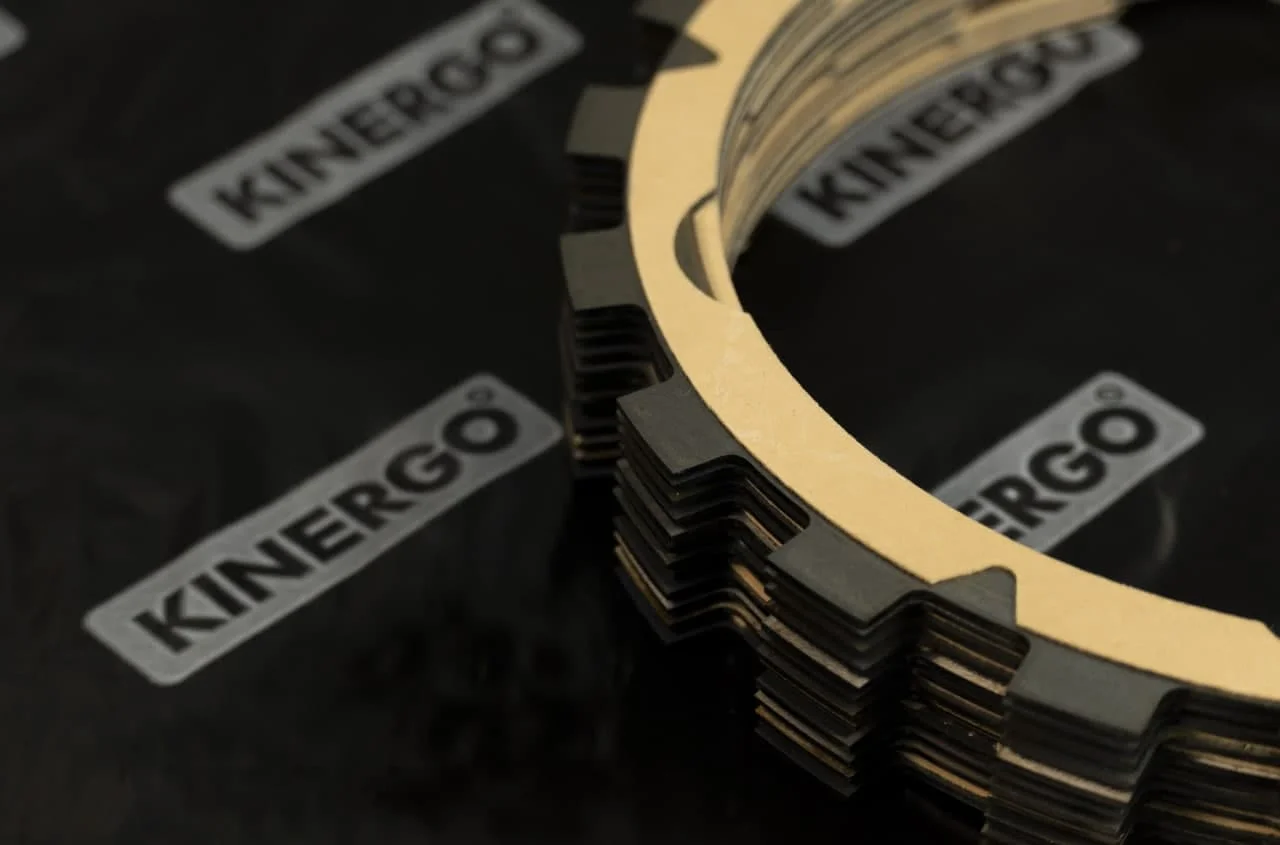
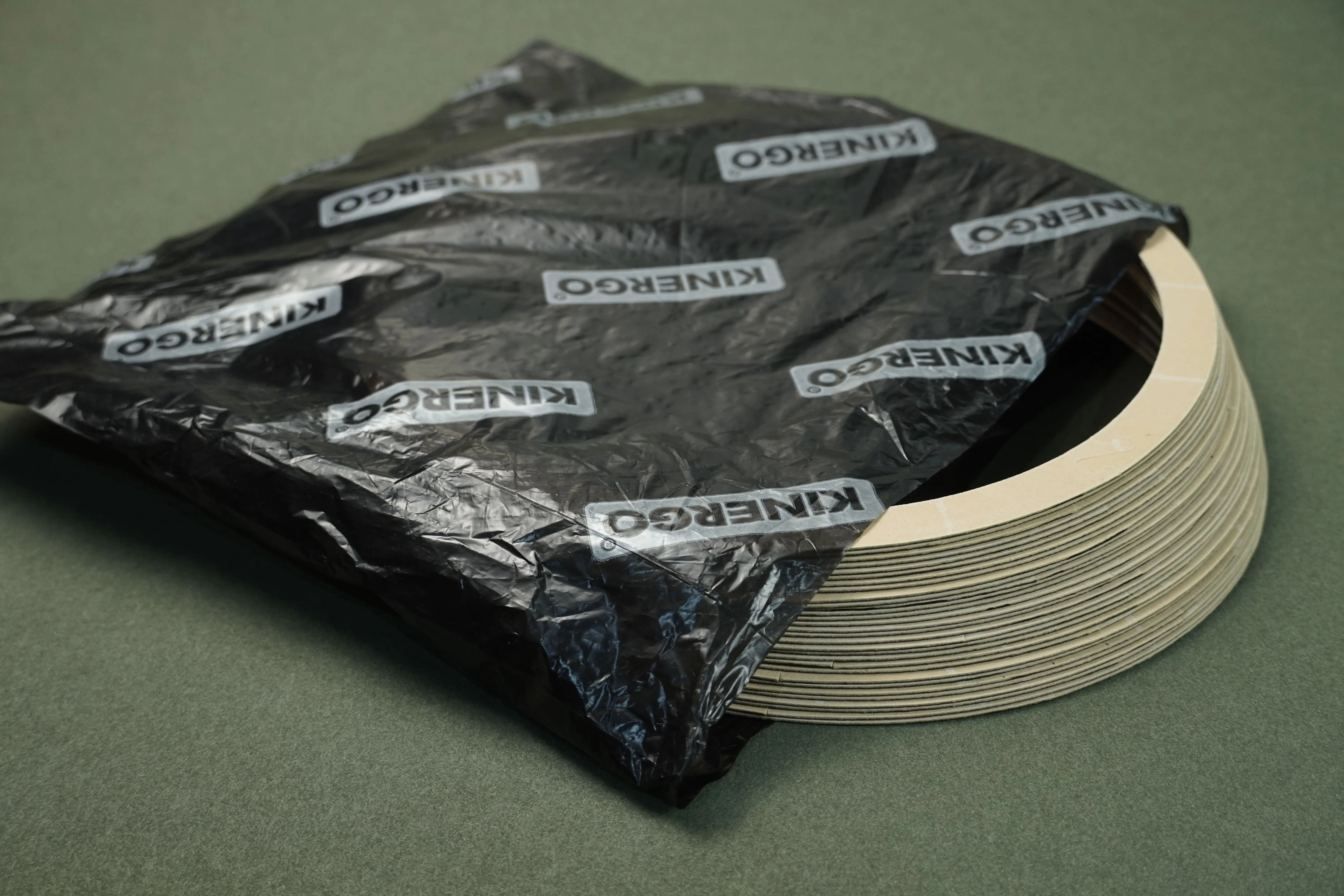
Friction Plates and Materials (torque converter spare parts)
- Category: >>>
- Supplier: KINERGO ZAO
Share on (10000005768528):
Product Overview
Description
For spare parts and accessories:
*** There is a flexible pricing system.
A minimum price level is available for large wholesale contracts.
For more information, please contact our Sales Department. We are always open to new projects.
*** There is a flexible pricing system.
A minimum price level is available for large wholesale contracts.
For more information, please contact our Sales Department. We are always open to new projects.
Materials for torque converters clutches of automatic transmissions
Friction linings and steel plates are elements of the torque converter lockup mechanism, which ensures the transmission of torque directly between the input and output shafts of the automatic transmission, excluding the involvement of the pump and turbine wheels. The torque converter lock-up mechanism in certain operating modes of the automatic transmission allows the transmission of torque without loss, thereby ensuring fuel economy and effectively maintaining the speed gain.
And if in older automatic transmission models, the lock-up mechanism was automatically activated only at high speeds, modern models (7G Tronic, 6HP, etc.) use this unit starting from the very first gear, which can significantly increase the dynamic characteristics of the car. However, such a solution significantly reduces the service life of the clutches, the wear products of which become, in most cases, the most common cause of failure of the torque converter. Hence the right choice material for clutches is the key to effective and durable operation of an automatic transmission.
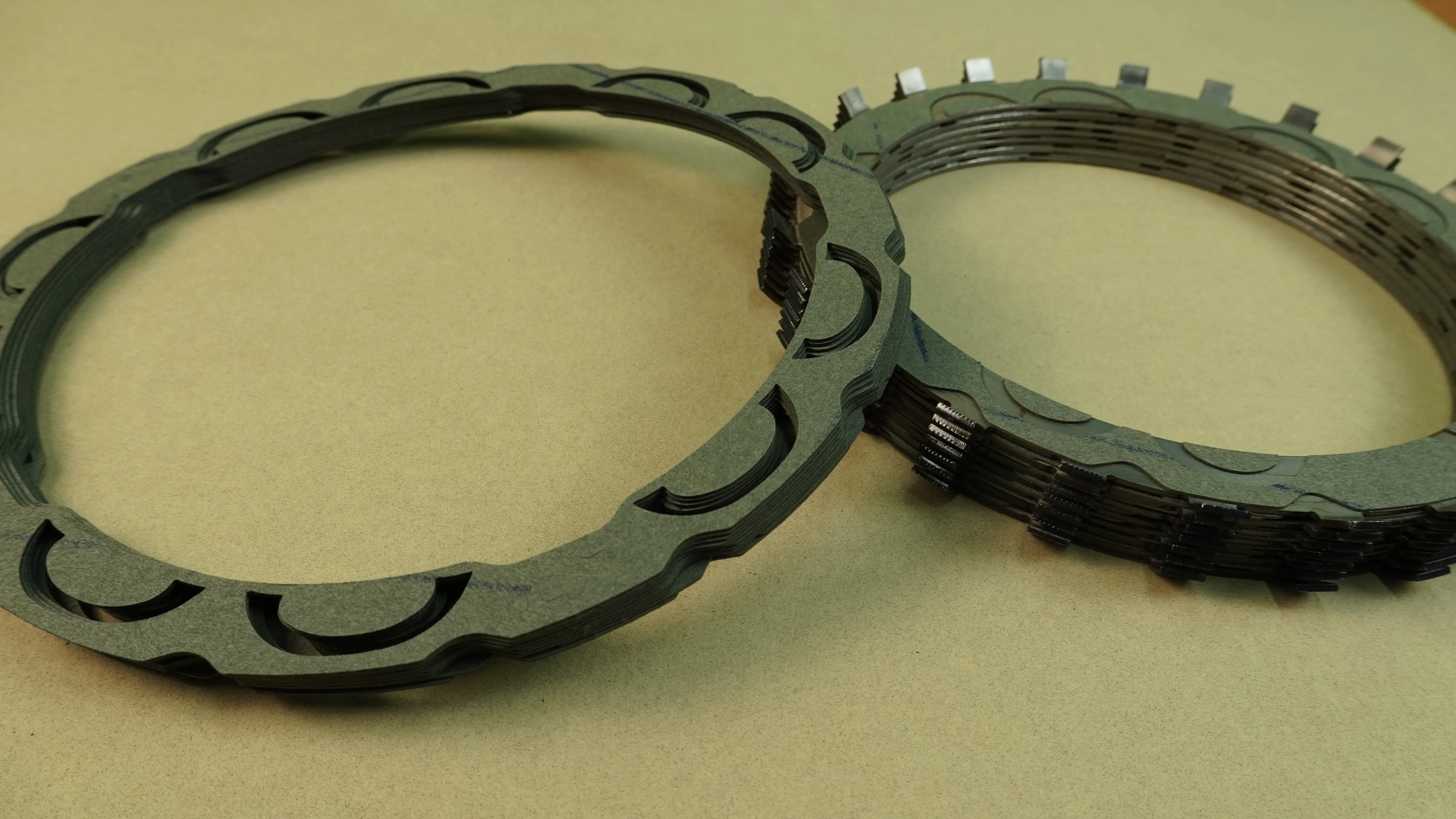
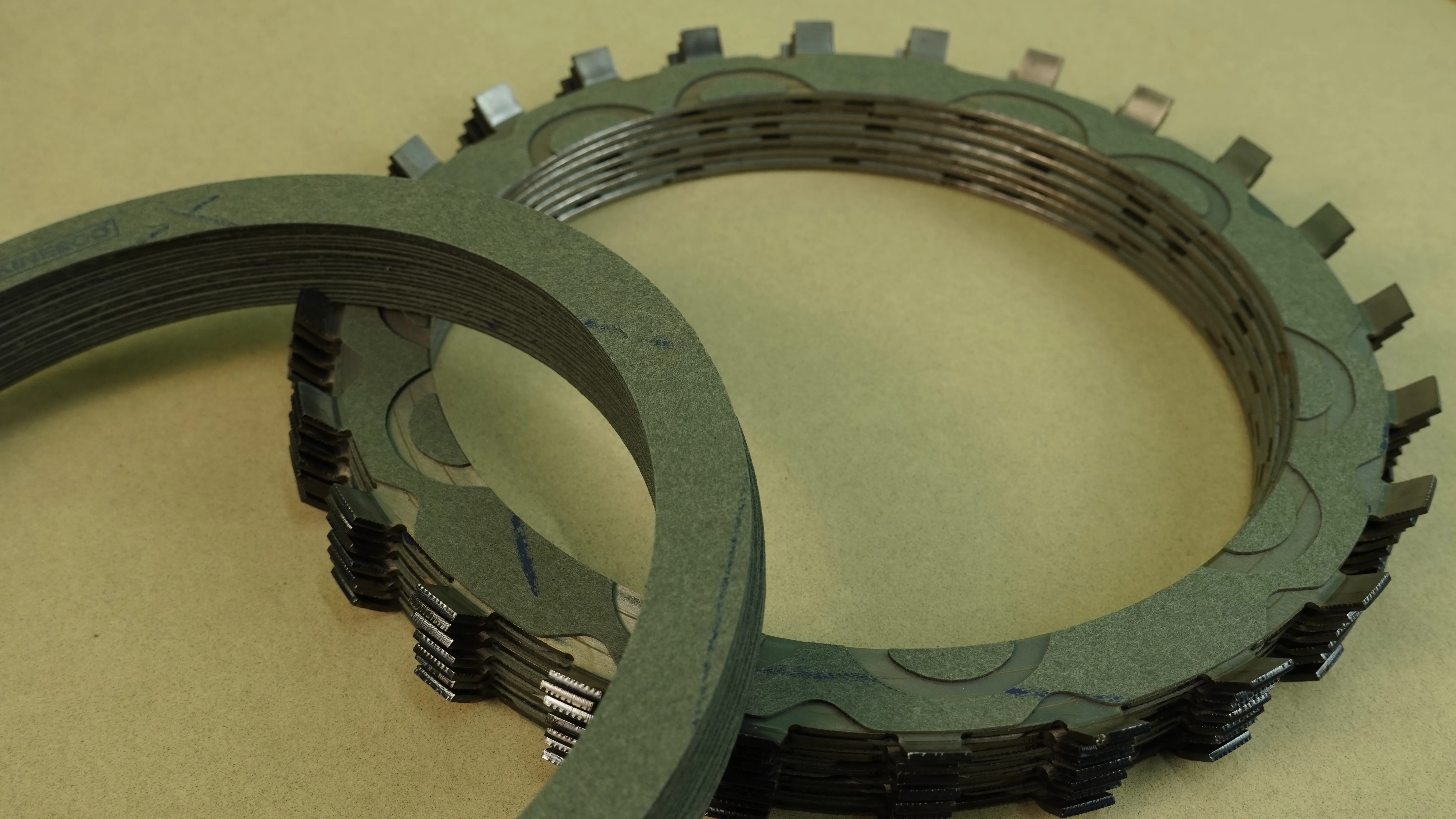
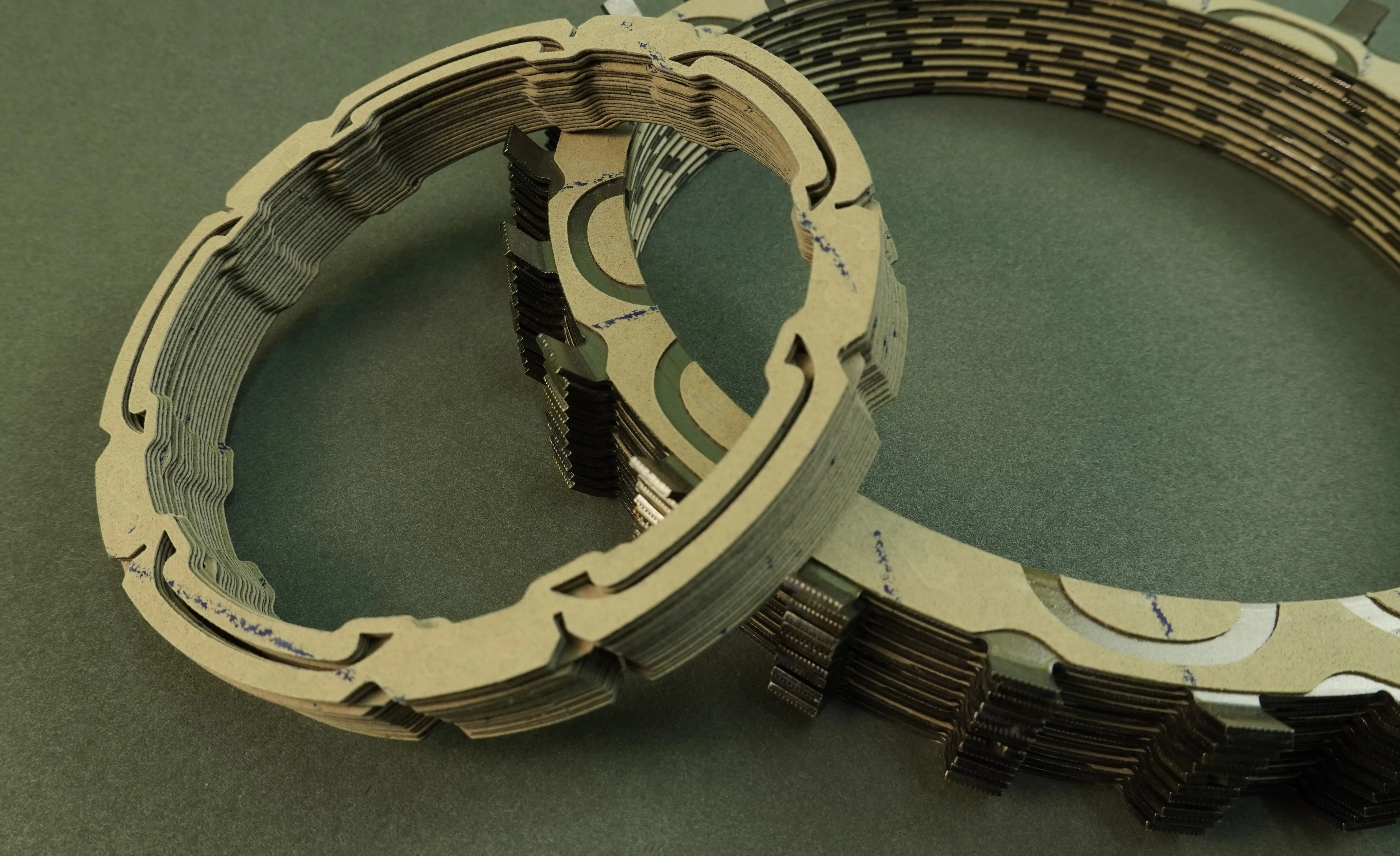
To date, KINERGO has developed several types of materials from which friction linings of the required standard sizes can be made for any models of torque converters:
And if in older automatic transmission models, the lock-up mechanism was automatically activated only at high speeds, modern models (7G Tronic, 6HP, etc.) use this unit starting from the very first gear, which can significantly increase the dynamic characteristics of the car. However, such a solution significantly reduces the service life of the clutches, the wear products of which become, in most cases, the most common cause of failure of the torque converter. Hence the right choice material for clutches is the key to effective and durable operation of an automatic transmission.
To date, KINERGO has developed several types of materials from which friction linings of the required standard sizes can be made for any models of torque converters:


FABOR (F1) is a Kevlar-based material with two key benefits - strength and lightness. Compared to other analogs, FABOR friction linings are more durable and wear-resistant, heat-resistant and last 2-3 times longer, as well as provide a smoother transmission of torque. Also, the use of Kevlar fibers helps to reduce wear on the working surfaces. The listed advantages make FABOR an excellent choice for vehicles operating under severe transmission loads - SUVs, trucks, sports cars.

SENAR (S3) is a carbon fiber-based material. Possesses increased heat resistance and is able to function effectively in a wide range of operating temperatures without loss of frictional properties. At low temperatures or cold starts, due to the low coefficient of friction, it contributes to a smoother engagement of the lock. As the temperature rises, the transmittable torque threshold increases. The optimal solution for cars used in urban environments.

VIPEX (V5) is a material with the most balanced dynamic and static coefficient of friction. Provides the smoothest and most comfortable gear shifting - no growls and unnecessary slippage. Differs in increased wear resistance and ensures long-term operation of the automatic transmission torque converter after repair.

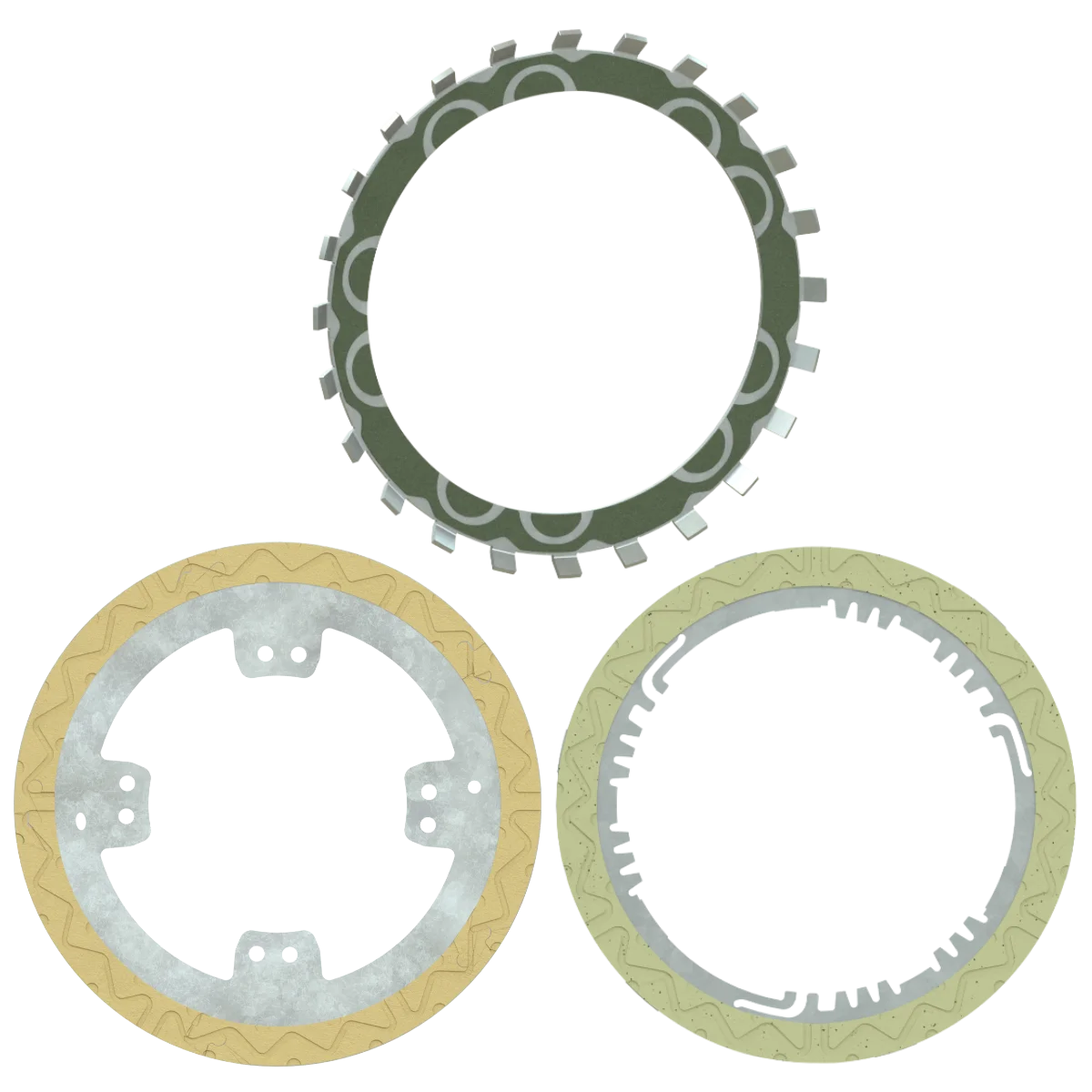
Part of the range of friction discs produced by KINERGO:
KINERGO company overview...
The company started to work in 2005, when we started to repair torque converters. Time has given us invaluable experience, and as you know the experience combined with the knowledge and inner ambition makes you move on. As a result, our experience and engineering training we materialized in our own TC rebuilding line, using in it all the theoretical knowledge and practical skills of rebuilding of this transmission unit. We did not stop there and run it in the commercial series, which has been successful worldwide. Later, creating a manufacturing base and design department, we have applied our experience in manufacturing equipment in the task of automating processes for mass production. That is why today the KINERGO equipment is operated not only in TC repair shops, but also at the enterprises of industrial complex, where the speed and reliability of equipment is necessary. Now KINERGO equipment is successfully operated from the Far East to the United States.
We Recommend
New Arrivals
New products from manufacturers at wholesale prices