Kyosai Ukiyo e Style Yawning purple Beer Glasses
- Category: >>>
- Supplier: Polarstern Corp
Share on (10000006367674):
Product Overview
Description


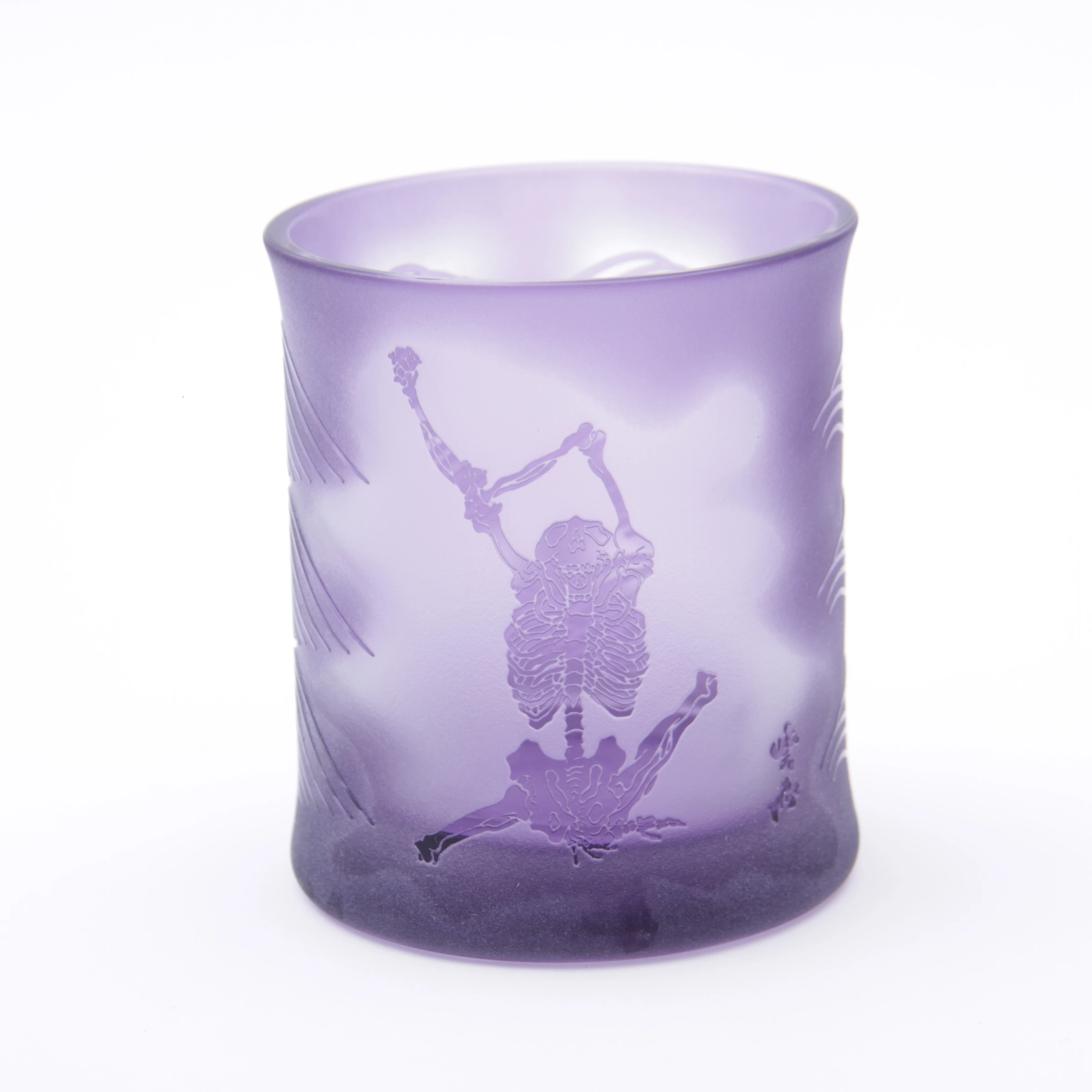
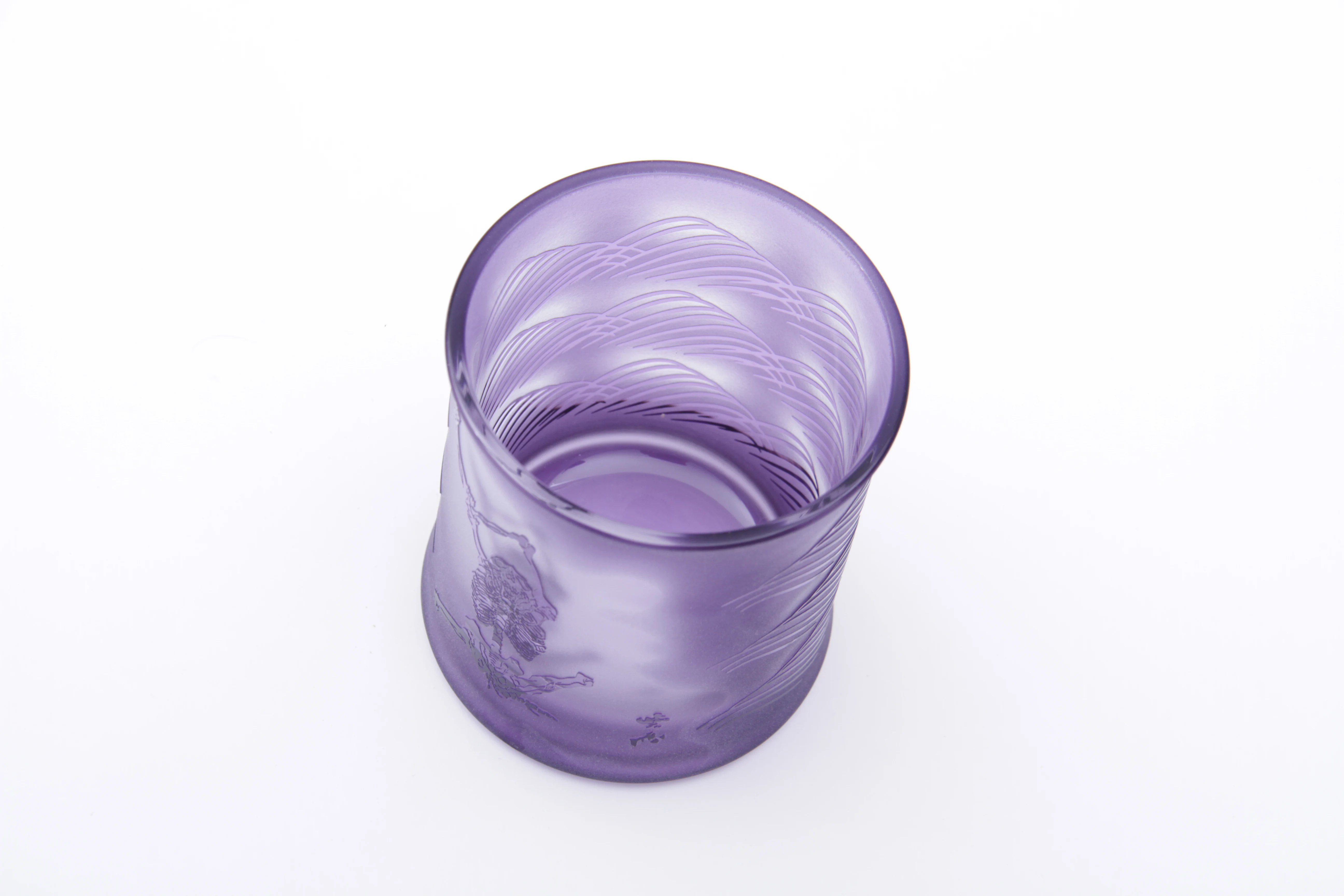
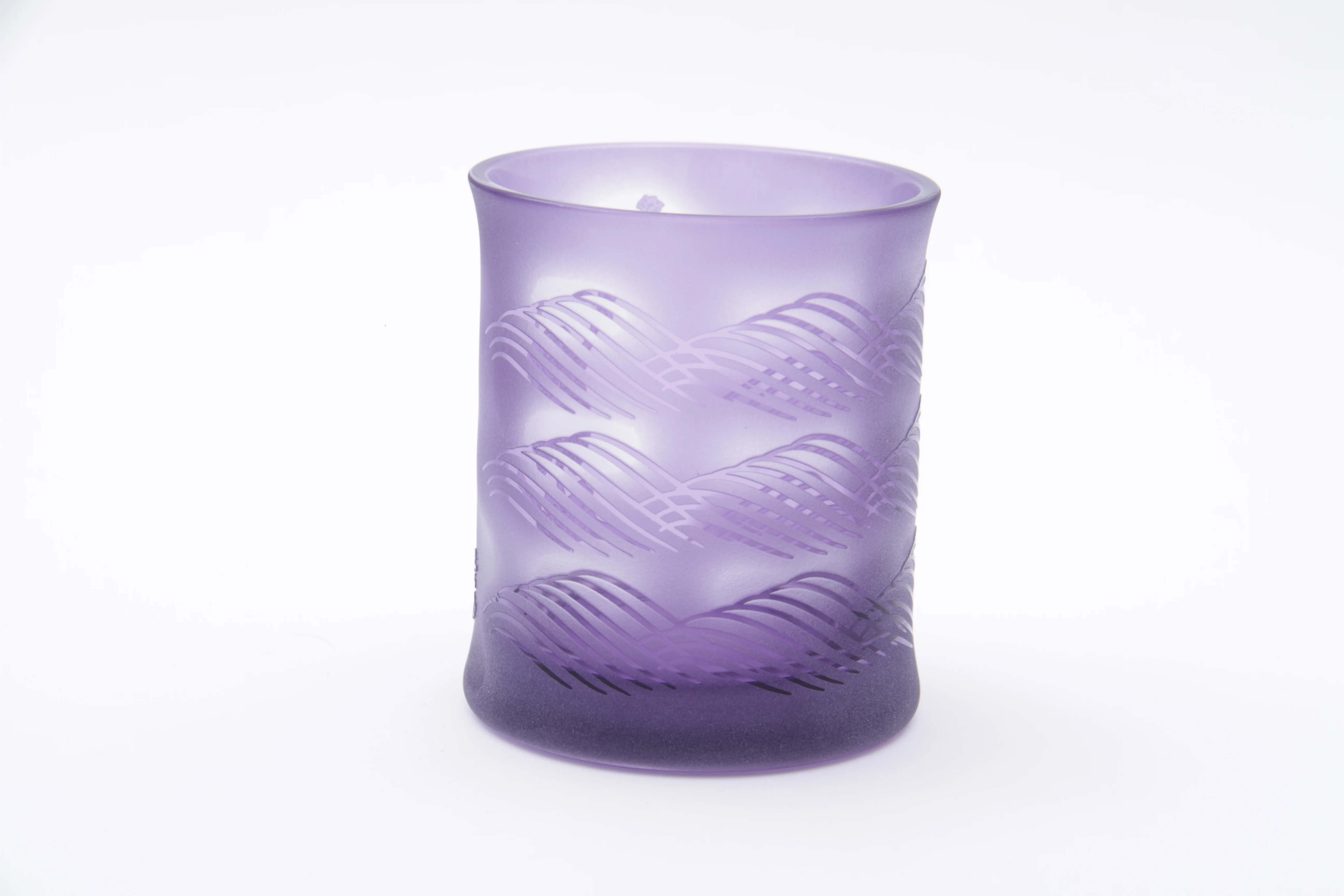
Glass using the materials for Edo kiriko Japanese cut glass with sandblasted image of the Ukiyo-e style Skeleton by genius Ukiyo-e artist Kawanabe Kyosai.

On to the colored (Iro-kise) glass, hand-made in Japan with the materials used for Edo kiriko Japanese cut glass, an image of“Yawning Skeleton”, one of the pieces by genius artist Kawanabe Kyosai who hail from the city of Warabi in Saitama is sandblasted.
It is said “Underneath the skin, we are all the same” and “Yawning Skeleton” is said to describe the jovial feelings like “we are all the same skeletons, so don't think too much about the appearance and just be happy”.
Other colors are also available.
It is said “Underneath the skin, we are all the same” and “Yawning Skeleton” is said to describe the jovial feelings like “we are all the same skeletons, so don't think too much about the appearance and just be happy”.
Other colors are also available.

■ Kawanabe Kyosai (B. May 18, 1831 ~ D. April 26, 1889)
Kawanabe Kyosai was a genius artist in Ukiyo-e and Japanese art, active in the Edo to Meiji period.
In 1836 at the age of 6, he received a basic artistic training from Ukiyo-e artist Utagawa Kuniyoshi. In 1840, he received artistic training from another artist Maeda Towa of the Kano school. There is an anecdote where Towa gave Kyosai a nickname“Painting demon (Gaki)” (Japanese homonym for “small child”) due to Kyosai's ability for drawing.
Kawanabe Kyosai was a genius artist in Ukiyo-e and Japanese art, active in the Edo to Meiji period.
In 1836 at the age of 6, he received a basic artistic training from Ukiyo-e artist Utagawa Kuniyoshi. In 1840, he received artistic training from another artist Maeda Towa of the Kano school. There is an anecdote where Towa gave Kyosai a nickname“Painting demon (Gaki)” (Japanese homonym for “small child”) due to Kyosai's ability for drawing.

In 1858, considered astonishingly young, he went independent and started his artistic career with a name “Seisei Kyosai”. Heworked on caricatures and satirical drawings and became well-known and popular.
In the Meiji era, he became widely known as Kawanabe Kyosai (with a different character for his given name Kyosai as later on);however, the drawings he made in 1870 were deemed anti-government was subsequently he was jailed. After his release, he changed the character for a part of his name “Kyo” which meant craze or insanity to another character that meant dawn.
In the Meiji era, he became widely known as Kawanabe Kyosai (with a different character for his given name Kyosai as later on);however, the drawings he made in 1870 were deemed anti-government was subsequently he was jailed. After his release, he changed the character for a part of his name “Kyo” which meant craze or insanity to another character that meant dawn.

Kyosai established friendships with many different people despite their backgrounds. In 1881, he took a prominent British architect Josiah Conder, who was the architect for the Rokumeikan, Mitsubishi Office Building No 1, Nikorai-do (or Holy Resurrection Cathedral) and others, as his pupil and taught Japanese art.
The two built a profound friendship and took frequent drawing trips to many locations. Conder was at Kyosai's death bed. He was given an artistic name, Kyoei Kawanabe (incorporating a character for “ei” that signifies Britain).
Kyosai was offered a professorship at the former Tokyo Art Institute (present day Tokyo University of the Arts) but it never came to a fruition, and he passed away in 1889.
Newspapers in the Western countries widely reported the news of his death, which suggested his popularity.
The two built a profound friendship and took frequent drawing trips to many locations. Conder was at Kyosai's death bed. He was given an artistic name, Kyoei Kawanabe (incorporating a character for “ei” that signifies Britain).
Kyosai was offered a professorship at the former Tokyo Art Institute (present day Tokyo University of the Arts) but it never came to a fruition, and he passed away in 1889.
Newspapers in the Western countries widely reported the news of his death, which suggested his popularity.

■ Blast Koubou Inc.
At Blast Koubou, glasses are engraved by blowing particles from the compressed air onto the surface. The factory is located in Warabi, Saitama Prefecture – a place known as “the smallest city in Japan” and the company has been recognized as one of “Warabi PR brands” by the city.
Items from the company are registered as “gift” for the Hometown tax system (system whereby taxpayers who live in urban areas contribute in rural areas of their choosing and in return to receive reduction in their income or residence tax, and also receive“gifts” from the rural area, typically something locally produced). All the products are hand-made with passion.
At Blast Koubou, glasses are engraved by blowing particles from the compressed air onto the surface. The factory is located in Warabi, Saitama Prefecture – a place known as “the smallest city in Japan” and the company has been recognized as one of “Warabi PR brands” by the city.
Items from the company are registered as “gift” for the Hometown tax system (system whereby taxpayers who live in urban areas contribute in rural areas of their choosing and in return to receive reduction in their income or residence tax, and also receive“gifts” from the rural area, typically something locally produced). All the products are hand-made with passion.
We Recommend



New Arrivals
New products from manufacturers at wholesale prices