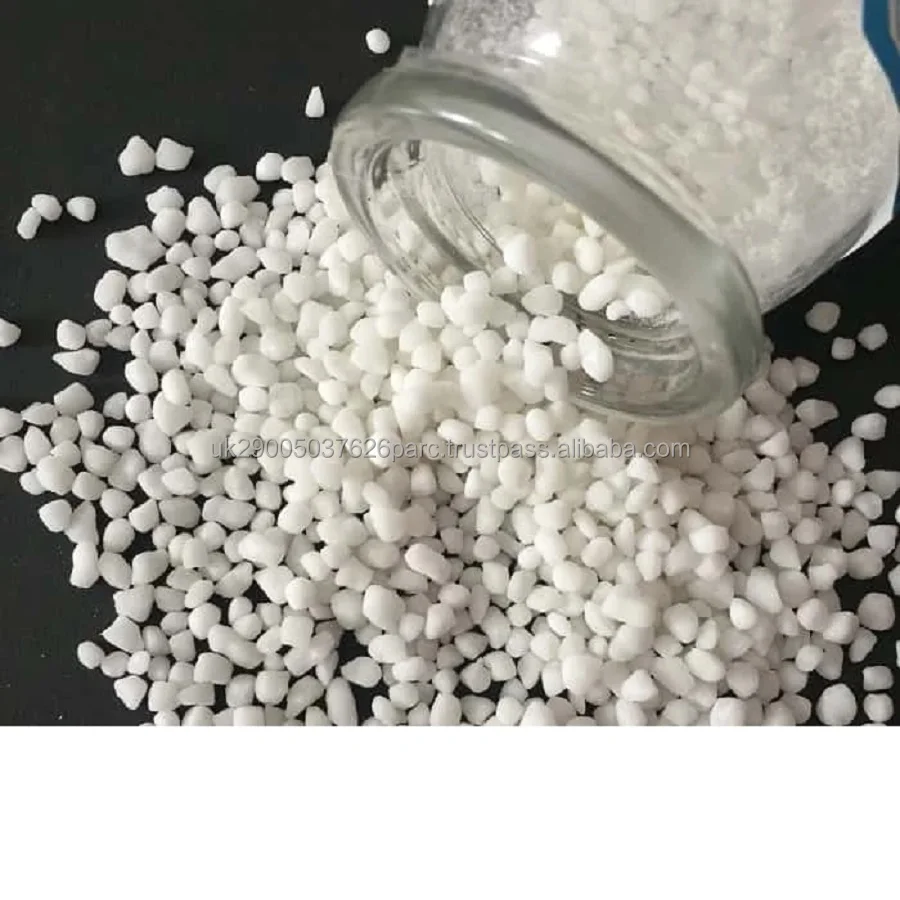
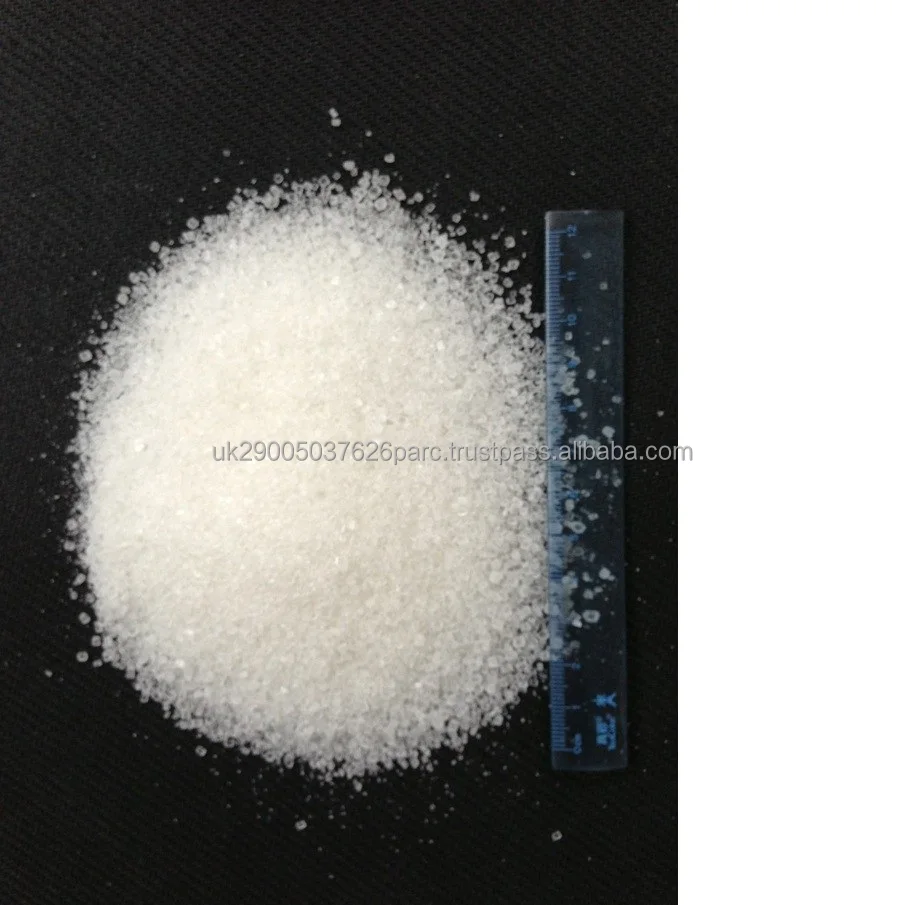
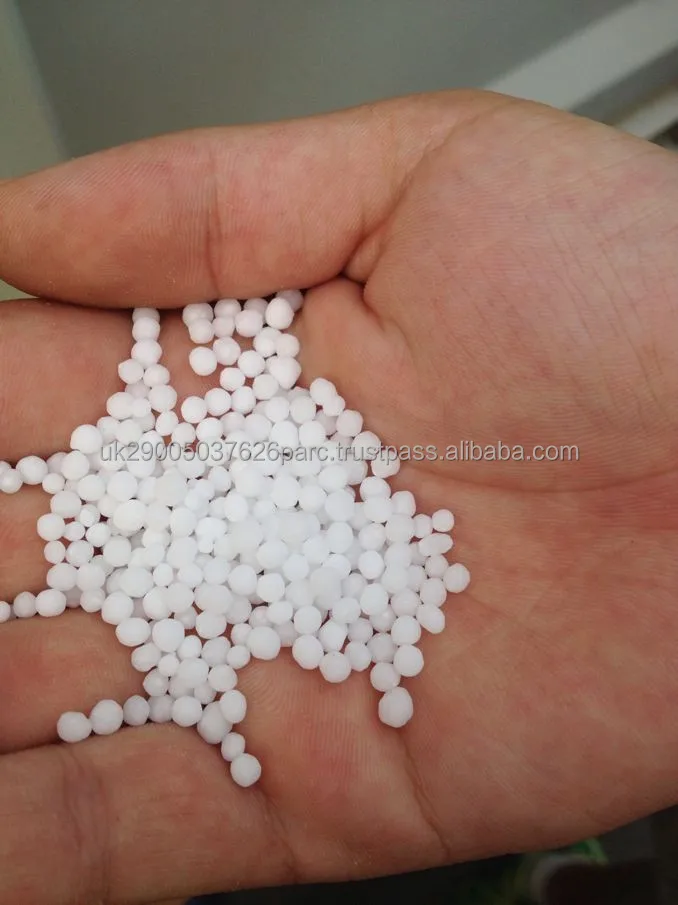
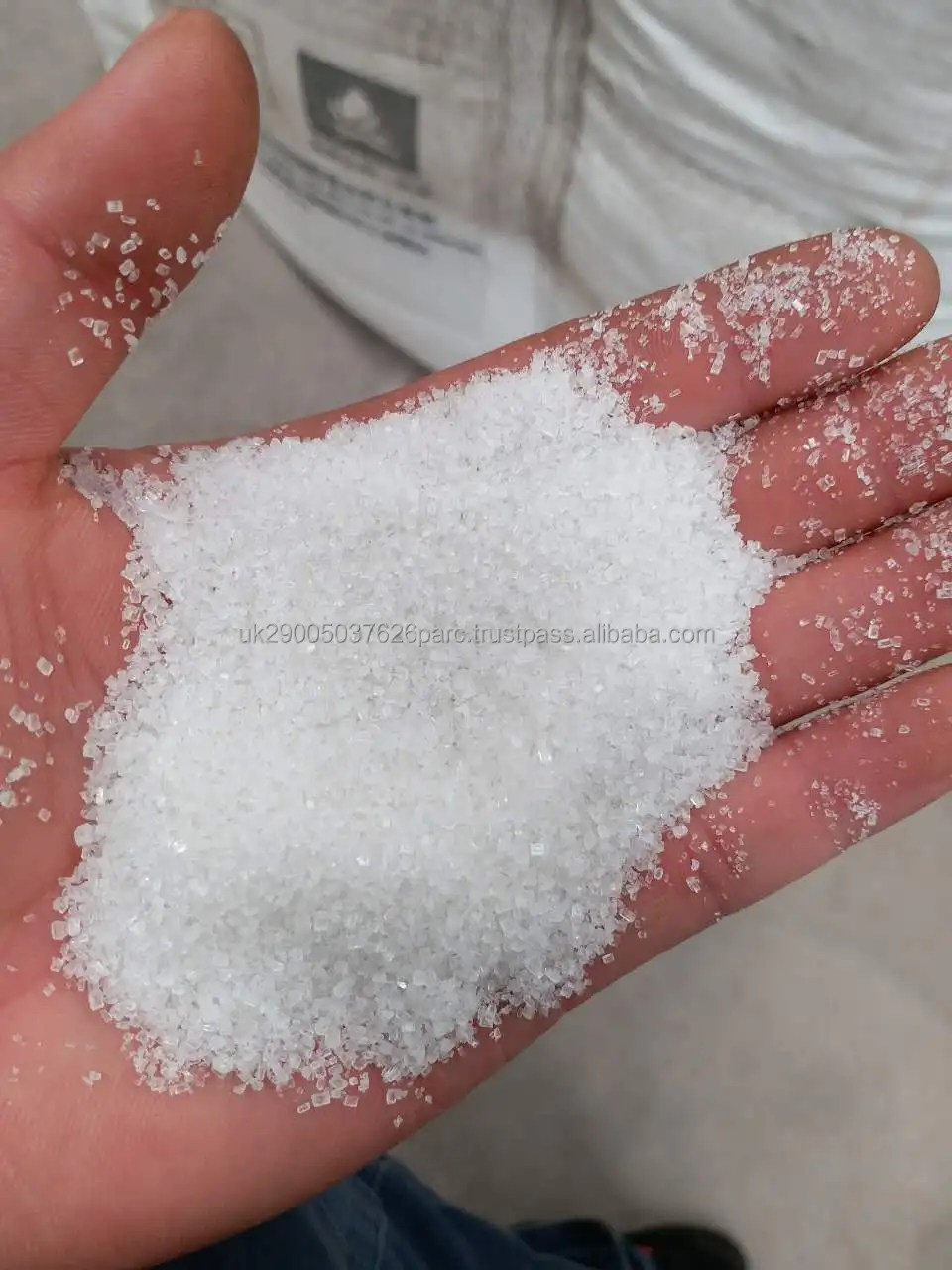
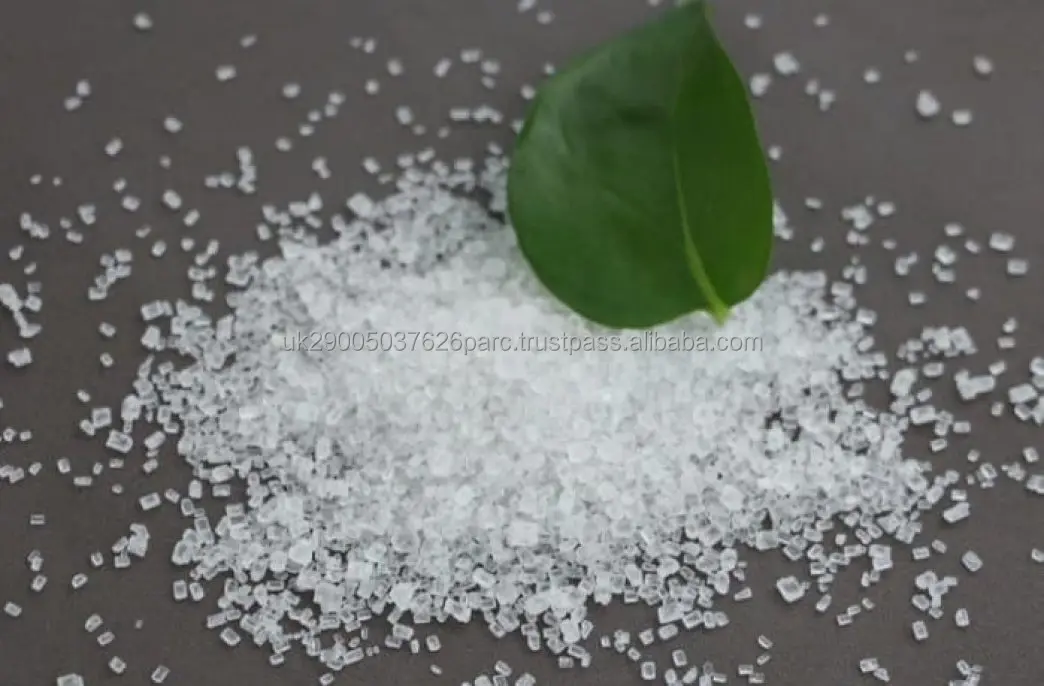
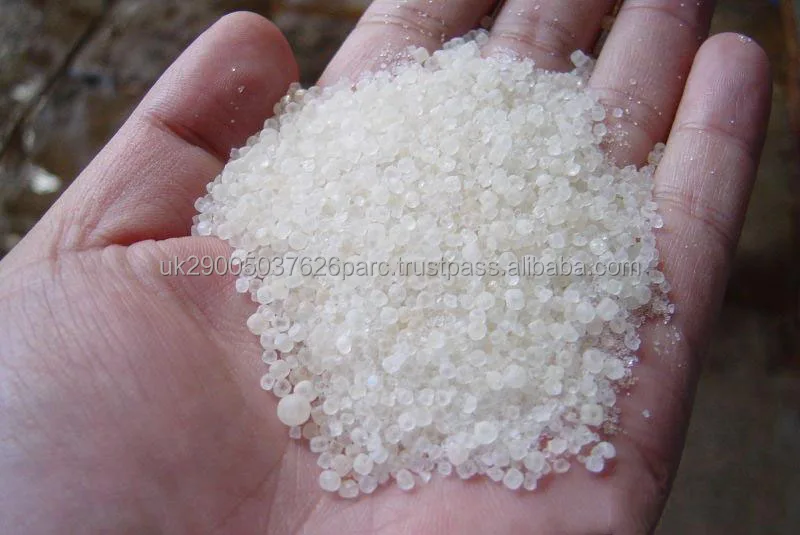
Ammonium Sulphate Compacted Granular 2 4mm and 5 7mm
- Category: >>>
- Supplier: TRADE 4 YOU LTD
Share on (10000006966081):
Product Overview
Description
Ammonium sulfate
TU 113-03-625-90
Ammonium sulfate ((NH4) 2SO4) - the average salt of sulfuric acid, contains up to 21% nitrogen and up to 24% sulfur, is a white transparent crystals, the molecular weight is 132.15. Three grades are produced depending on the type of production:
- Grade A is a by-product of caprolactam production.
- Grade B is a by-product of acrylate production.
- Grade B is a by-product of coke production.
The production of grade B ammonium sulfate is based on the reaction of neutralization of sulfuric acid with ammonia. Ammonia is contained in the coke oven gas released during the coking of coal. Crystalline slightly colored product. The contained small amount of sulfuric acid gives the fertilizer a slightly acidic reaction. Has no smell.
Main technical characteristics
| No. p / p | The name of indicators | |
one | Appearance | White or clear crystals |
2 | Mass fraction of nitrogen in terms of dry matter, % not less than |
21 |
3 | Mass fraction of water, % no more | 0.2 |
4 | Mass fraction of free sulfuric acid, % no more | 0.03 |
five | Fractional composition: Mass fraction of a fraction larger than 0.5 mm,%, at least |
80 |
| less than 6 mm, % | one hundred | |
6 | Friability, % | one hundred |
7 | Mass fraction of water-insoluble residue, %, max | 0.02 |


Ammonium sulfate is applied to the soil as a fertilizer. Application is carried out in various soil and climatic zones. The degree of danger of the product as a whole is a moderately hazardous substance in terms of the degree of impact on the body - hazard class 3.
| Component | Mass fraction, | MPC rz mg / m 3 | Hazard Class |
| ammonium sulfate | 99% [18] | 10 | 3 |
| free sulfuric acid | 0.03 - 0.05% [23, 24] | one | 2 |
| ammonium bisulfate | less than 1% [15] | not installed | |
| pyridine sulfate | less than 1% [15] | not installed | |
Ammonium sulphate may contain: [25] | |||
| Mercury | no more than 2.0 mg/kg | 0.01/0.005 | one |
| cadmium | no more than 0.5 mg/kg | 0.05/0.01 | one |
| cobalt | no more than 5.0 mg/kg | 0.05/0.01 | one |
| arsenic | no more than 2.0 mg/kg | 0.04/0.01 | one |
| nickel | no more than 4.0 mg/kg | 0.05 | one |
| lead | no more than 32 mg/kg | 0.01/0.005 | one |
| copper | no more than 33 mg/kg | 1/0.5 | 2 |
| zinc | no more than 55 mg/kg | not installed | |
| chromium | no more than 2 mg/kg | not installed | |
| manganese | no more than 1500 mg/kg | not installed | |
Recommendations for use
Ammonium sulfate is one of the most common nitrogen fertilizers. It quickly dissolves in soil moisture, and most of the NH 4 + ions are bound by the soil. This causes a low mobility of ammonium ions in the soil and makes it difficult to wash them out with water.
Plants assimilate the NH 4 + ammonium sulfate cation much more intensively than the SO 4 anion - since nitrogen is required for plants to form proteins in much larger quantities than sulfur. This process is accompanied by the destruction of the basic compounds contained in the soil, which leads to an increase in its acidity, which is especially noticeable with prolonged use of ammonium sulfate in the same areas. Thus, ammonium sulfate is a typical representative of physiologically acidic fertilizers.
The physiological acidity of ammonium sulfate practically does not reduce its effectiveness when applied to non-acidic soils (chernozems, gray soils, chestnut, calcareous chestnut soils) containing a sufficient amount of calcium. Prolonged application of ammonium sulfate to soils poor in calcium (acidic podzolic soils) can lead to a decrease in crop yields due to soil acidification. Therefore, with prolonged use of ammonium sulfate, liming of the soil is periodically carried out, i.e. introducing into it finely divided materials containing Ca and Mg carbonates (limestone, chalk, marl, dolomite), or quicklime and slaked lime, etc.
Ammonium sulfate is a very effective nitrogen fertilizer for winter rye, oats, potatoes, and especially for tea and rice. A valuable property of ammonium sulfate is its low caking; even after long-term storage, it crumbles easily and is dispersed by a fertilizer seeder. In addition, ammonium sulfate is slightly hygroscopic, which also facilitates the conditions for its storage, transportation and use.
The optimal application rate is 330 kg of ammonium sulfate per hectare. Ammonium sulfate is applied in the spring.
We Recommend




New Arrivals
New products from manufacturers at wholesale prices