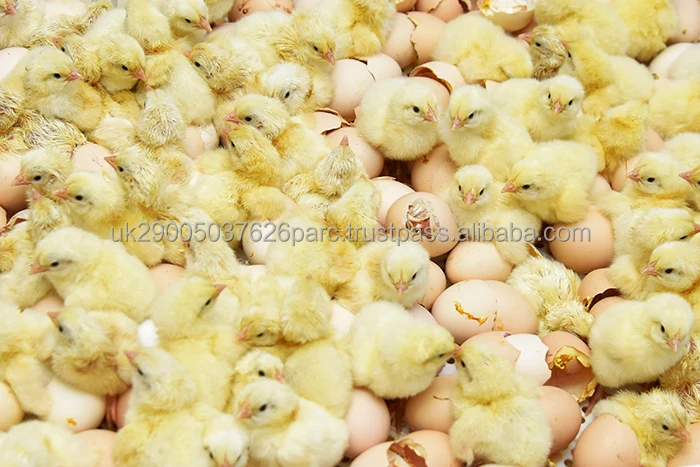
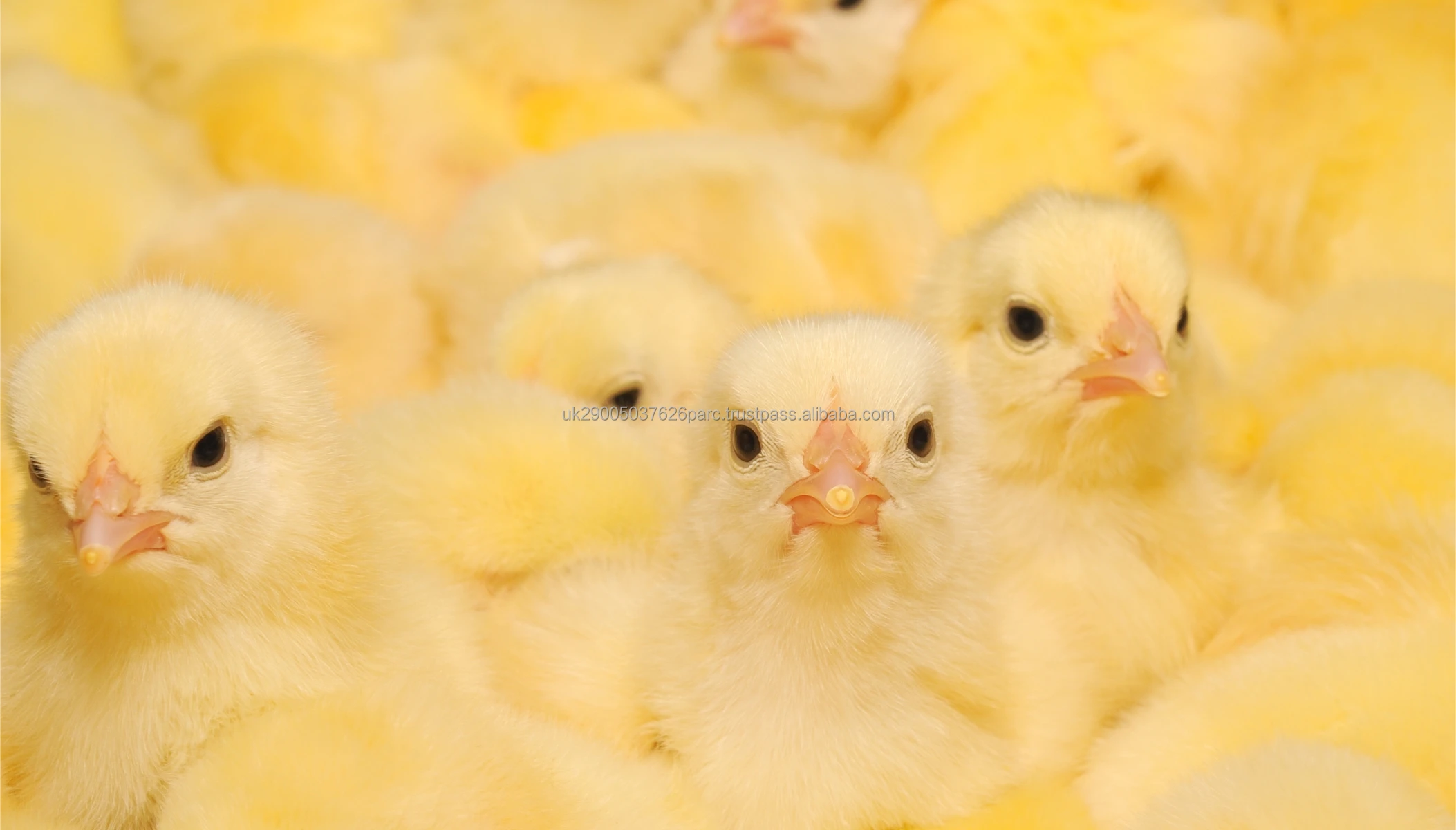
Hatching Broiler Chicken Eggs
- Category: Animal Products >>>
- Supplier: TRADE 4 YOU LTD
Share on (10000007210768):
Product Overview
Description
Introduction
This booklet contains the performance objectives for the Yield Plus™ (YP) x Ross® 308 AP parent stock and should be used in conjunction with the Ross Parent Stock Management Handbook and the Ross 308 AP Management Supplement.


Performance
Poultry production is a global activity, but across the world there are differingmanagement strategies adapted to local conditions.
These performance objectivesare for birds that receive the first light stimulation after 21 weeks (147 days) of age. This is the most common strategyused worldwide as it gives distinct advantages in early egg size, chick number, and broiler chick quality.
Achieving the genetic potentialof the birds depends on:
• Management to provide birds with their required environment.
• A dietary regime that provides the appropriate nutrients.
• Effective biosecurity and disease control.
If any one of these elements is sub-optimal, performance will suffer. The three sectors,environment, nutrition and health, are also interdependent. A problem in any one will result in a negative responseby the bird to the other factors.
Data contained within this booklet indicates the performance that can be achieved under good management and environmental conditions and should thereforebe regarded as “Performance Objectives” and not specifications. In practice, variations in performance may occur for a wide variety of reasons. For example, feed consumption can be affected significantly by form of feed, energy level, and house temperature.
While every attempt has been made to ensure the accuracy and relevance of the information presented, Aviagen® accepts no liability for the consequences of using this information to manage parent stock.
All weight measurements are shown in both metric (kg/g)
publication.
and imperial (lb/oz)
to reflect the global nature of this
In the tables, values are rounded. This may result in small inaccuracies when using the objectives to calculate other performance statistics.
For further information on the management of Ross stock, please contact your local Ross representative.
Performance Summary
The figures below are for birds light-stimulated after 21 weeks (147 days of age).
|
* Hen-Housed Average.
** Feed amountsexpressed in the table do not includemale feed allocations.
KEY
(kg/g) – metric measurement
(lb/oz) – imperial measurement
We Recommend

white and Brown chicken eggs available at cheap price
US $1.00-$3.00

Fresh White Table Eggs
US $2.00-$4.00


New Arrivals
New products from manufacturers at wholesale prices