
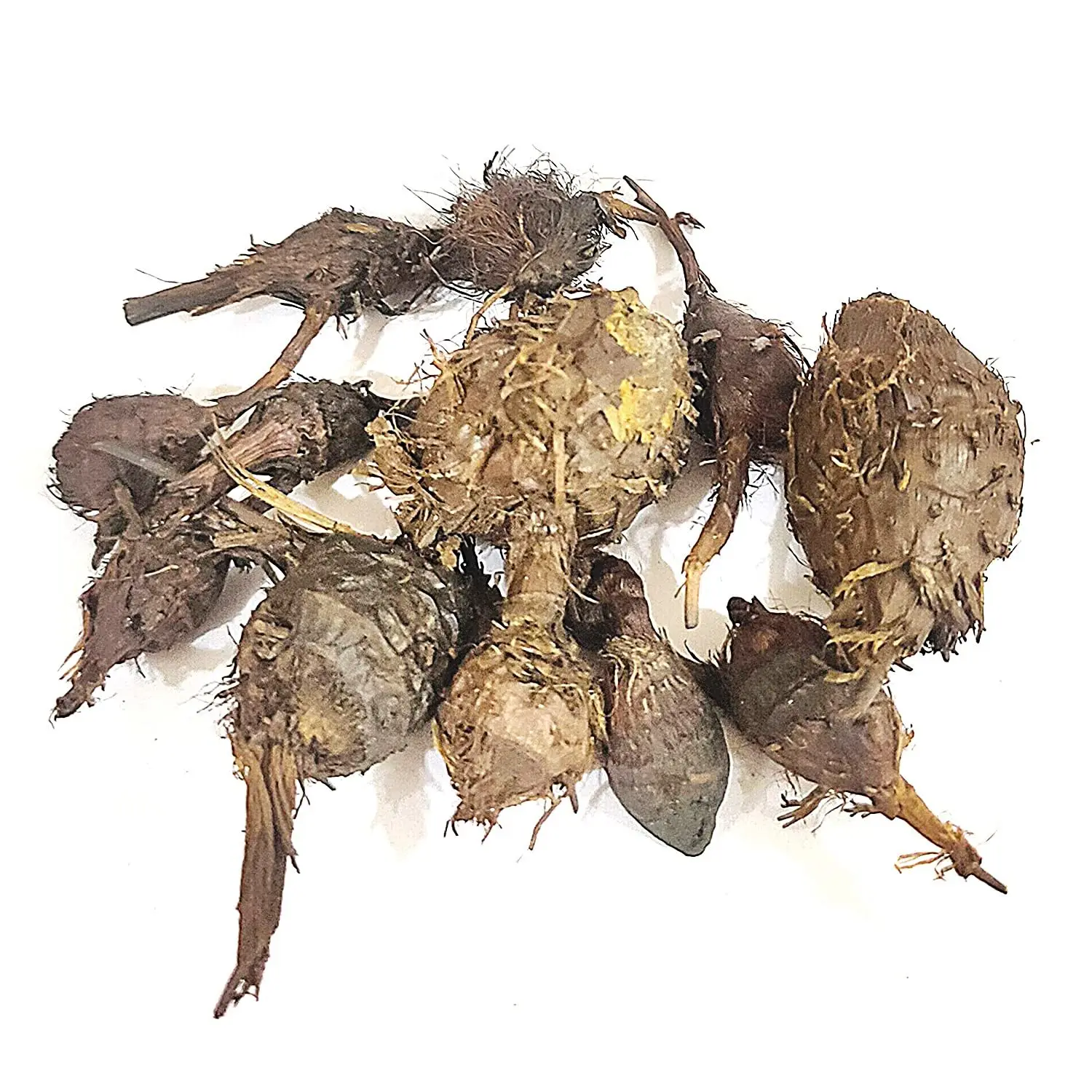
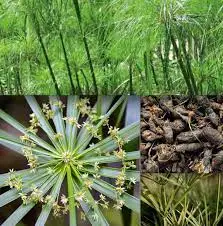
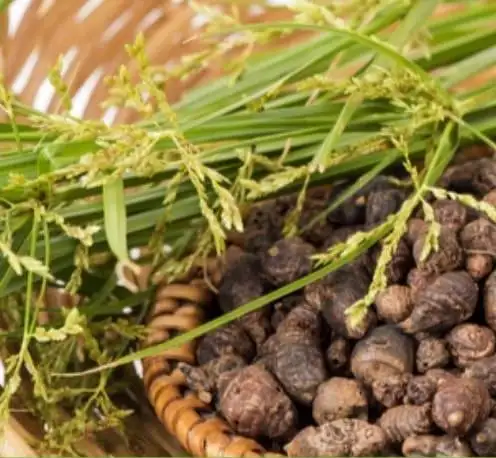
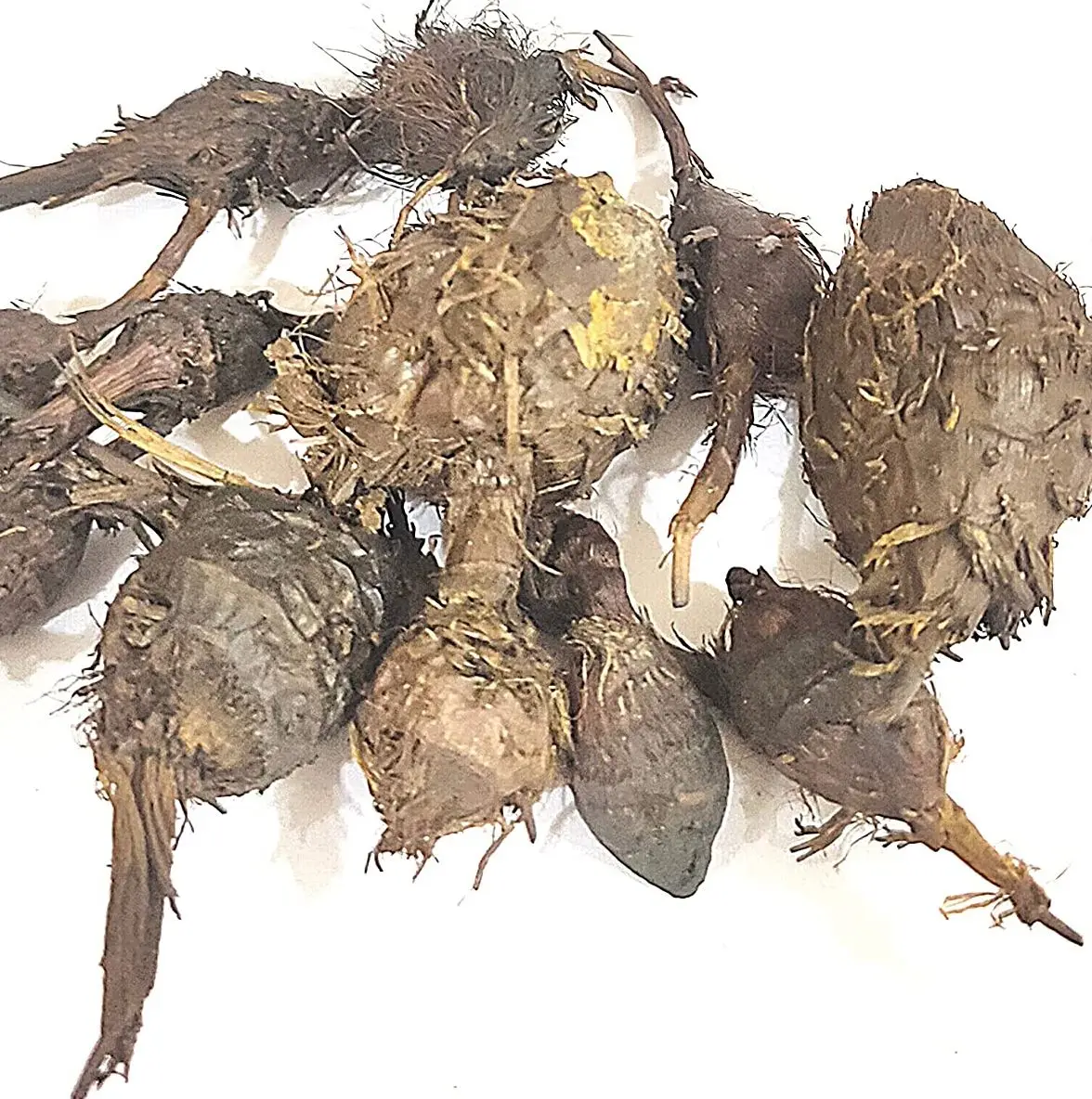
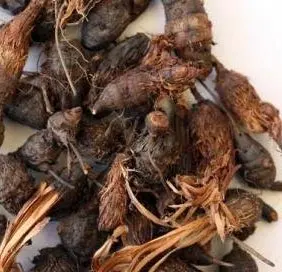
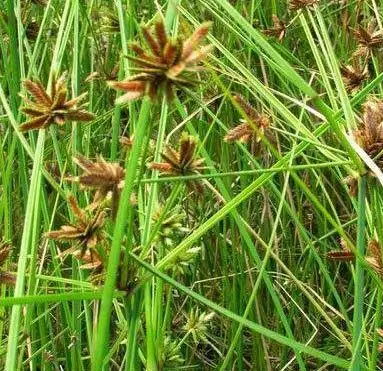
Nagarmotha essential oil in bulk Nagarmotha Cyperus rotundus cyprotene flavonoids Nagarmotha Cypriol Oil Perfumery oil Nagarmoth
- Category: >>>
- Supplier: BIGARETTE & CO.
Share on (10000007313784):
Product Overview
Description
Rich Natural
Essential oils & Plant Extracts

Herbal Essential Oils
Nagarmotha (Cyperus rotundus
Mustaka/Nut Grass
Nagarmotha (Cyperus rotundus), a cosmopolitan, is found in all tropical, subtropical and temperate regions of the world. In India, it is commonly known as Nagarmotha and it belongs to the family Cyperacea. The major chemical components of this herb are essential oils, flavonoids, sesquiterpenes, cyprotene, cyperene, aselinene, rotundene, valencene, cyperol, gurjunene, trans-calamenene, cadalene, cyperotundone, mustakone, isocyperol, acyperone, etc., Research studies have shown that it possesses various pharmacological activities such as diuretic, carminative, emmenagogue, anthelminthic, analgesic, anti-inflammatory, anti-dysenteric, antirheumatic activities. An extensive review of the ancient traditional literature and modern research revealed that the drug has numerous therapeutic actions, several of which have been established scientifically, which may help the researchers to set their minds for approaching the utility, efficacy and potency of nagarmotha.
Taxonomical Classification
- Kingdom: Plantae
- Subkingdom: Tracheobionta
- Super division: Spermatophyta
- Division: Magnoliophyta
- Class: Liliopsida
- Subclass: Commelinidae
- Order: Poales (Cyperales)
- Family: Cyperacae
- Genus: Cyperus
- Species: Rotundus
Vernacular Names
Arabic: Soad, Soadekufi; Bangali: Nagarmotha; Burma: Vomonniu; Hindi: Nagarmotha; Malaya: Mushkezamin; Gujarat: Nagaramothaya; English: Nut grass; Sanskrit: Chakranksha, Charukesara; Urdu: Saad kufi.
Perfumery Material: Cypriol /Nagarmotha
The nuances of some exotic materials feels eerily familiar, yet at the same time foreign, exciting, enigmatic, especially when encountered in a list of perfume notes in a given composition. Such is the case of Nargamotha/cypriol (Cyperus scariosus).
Nagarmotha/Cypriol (also "nut grass" in English) is a plant of the Cyperaceae family, alternatively called Nagar Mustaka, which grows wild in the Madhya Pradesh region of India. It belongs in the papyrus family (Cyperus papyrus is the one used during the apex of Ancient Egypt) and grows in damp places in Bengal, Sundarbans, and Utter Pradesh.
Nagarmotha/Cypriol (also "nut grass" in English) is a plant of the Cyperaceae family, alternatively called Nagar Mustaka, which grows wild in the Madhya Pradesh region of India. It belongs in the papyrus family (Cyperus papyrus is the one used during the apex of Ancient Egypt) and grows in damp places in Bengal, Sundarbans, and Utter Pradesh.
About Cypriol (Nagarmotha) Oil:
Indigenous to India, Nagarmotha essential oil is extracted from the roots of Cyperus scariosus or Cyperus rotundus plant. The Cypress is a perennial, conical-shaped tree, which is evergreen with solid green foliage, small flowers and round brown-grey cones that contain seed nuts inside.
History of Nagarmotha (Cypriol Oil)
There are different studies and views on where Nagarmotha wa first discovered or its characteristics were noticed first.
Some reports claim that, the Australian Tiwi people were among the first who discovered the characteristics of Blue Cypress bark resins thousands of years ago. Moreover they used it to protect their skin from the harsh desert climate as well as to treat digestion related health problems.
Besides, It is also said that this herb has been recorded in the ancient Chinese medicinal book around 500 A.D.
If believed to Indian stories about Cypriol/Nagarmotha essential oil, it used to be a part of the ancient art of Vashikarana. According to beliefs shared under Vashikarana technique the person who applies Nagarmotha oil on their forehead is likely to enjoy the privilege of a long-lasting string of thriving love affairs.
Color & Aroma
Color : Yellow liquid @22C with Woody Evergreen odor,
Aroma : Nagarmotha essential oil comprises woody, mild spicy and refreshing fragrance.
Applications of Cypriol Essential Oil
Due to its rich characteristics, The Nagarmotha (Cypriol) essential oil is also used in Aromatherapy and Ayurveda therapies for being a relaxing, nerve soothing essential oil.
Usage in Perfumery:
besides its comprehensive use in ayurveda & healthcare, Nagarmotha is used in the production of perfume, incense, homemade soaps and other bath treatments.
When used as a base, the Cyperus essential oil blends with a range of oils including Bergamot, Jasmine, Neroli, Patchouli, Sandalwood etc. and itself a bit of a chameleon, thus can mix well with lighter fragrances to create wonderful scents for women.
Our Services
Nagarmotha Oil
Nagarmotha Oil has a woody earthy dry spicy cedar agarwood-like odour. Also known as Cyprus Oil it is sometimes used as a cheaper all-natural replacement for Oud or Agarwood. It is not as deep, rich or animalic as Agarwood so best used with some of the natural oil or with one of our bases. Useful in Chypres, Oriental and Middle Eastern perfumes and blends well with wood, iris, ionones, oakmoss, olibanum, labdanum. (~narga motha)
The unexpected bright citrus sparkle comes from Makrut Lime Leaf, which is layered over a foundation of warm, vibrating Atlas Cedar and bright, flowery Palmarosa.
Nagarmotha (Cyperus scariosus) is a riverbank grass native to India. In China, Nagarmotha is said to regulate Qi, the life energy. The plant's roots, once dried, give off an exotic wood scent with a distinct spicy note.
AER's Nagarmotha is hand-harvested in the springtime from plants growing in Madhya Pradesh, India.
Other Essential oils
Essential oils are highly concentrated, natural plant-based aromatic fluids that offer a wealth of benefits when used safely in aromatherapy, skincare, personal care, spiritual and other wellness and mindfullness applications.
Benefits of Essential Oils
The natural chemical* composition and aroma of essential oils can provide valuable psychological and physical therapeutic benefits. These benefits are usually achieved through methods that include inhalation and topical application of the diluted essential oil to the skin.
How Essential Oils are Produced
Essential oils are produced by steam or water distillation from the leaves, wood, petals, buds, needles, bark or roots of aromatic botanicals such as lavender, rosemary, cedarwood, rose, peppermint and cypress. While most essential oils are water or hydro distilled, citrus essential oils are either cold pressed or steam distilled from the rinds (peels) of citrus fruits. For more information,
Essential oils, which are obtained through mechanical pressing or distillation, are concentrated plant extracts that retain the natural smell and flavor of their source. As an example, about 220 pounds of lavender flowers are needed to produce a pound of lavender oil.
Each essential oil has a unique composition of chemicals, and this variation affects the smell, absorption, and effects on the body. The chemical composition of an essential oil may vary within the same plant species, or from plant to plant.
Synthetic oils are not considered true essential oils.
Popular types of essential oils
- Peppermint: used to boost energy and aid digestion.
- Lavender: used to relieve stress.
- Sandalwood: used to calm nerves and help with focus.
- Bergamot: used to reduce stress and improve skin conditions like eczema.
- Rose: used to improve mood and reduce anxiety.
- Chamomile: used to improve mood and relaxation.


We Recommend







New Arrivals
New products from manufacturers at wholesale prices