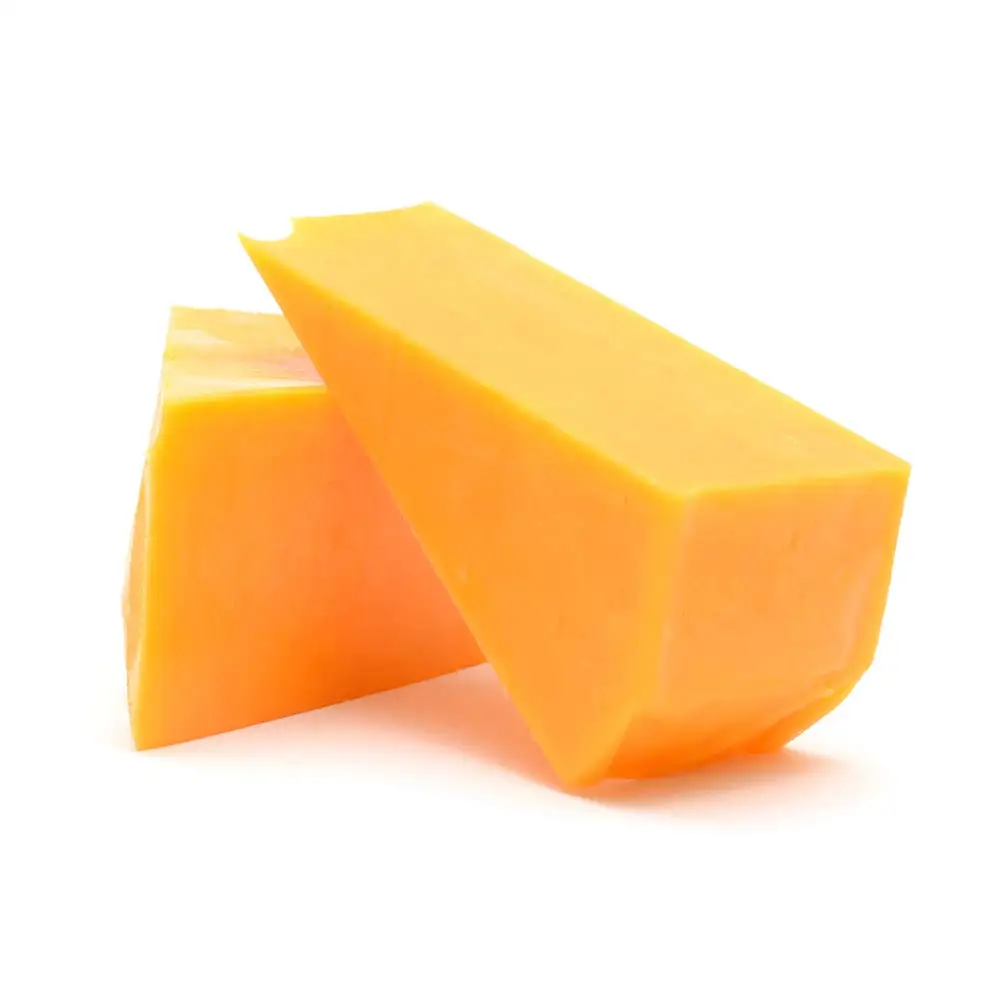
HALAL CERTIFIED MOZZARELLA/CHEDDAR CHEESE Wholesale Mozzarella Cheese | Fresh Whole Cheese | Cheddar Cheese supplier MOZZARELLA
- Category: >>>
- Supplier: AMERICAN GLOBAL TRADING IMPORT & EXPORT INC
Share on (10000007461160):
Product Overview
Description
Description by Manufacturer
Cow's milk made 100% real mozzarella cheese
fresh mozzarella cheese shredded
100% made from cow'
Thickness | 11 micron-15 micron |
Roll width | 40mm- 480mm |
Color: | any color |
Printing | allow multicolor printing |
Formulation: | in roll |
Packaging | Inner pack is used with plastic film and EPE |
we are main suppliers and exporters of mozzarella cheese | fresh cheese | cheddar cheese and other related products with good product quality and affordable market prices world wide.
specifications
cheese
fat content (%): 45 max
cow's milk made 100% real mozzarella cheese
fresh mozzarella cheese shredded
100% made from cow's milk
general specifications
Blue Mould Cheese
Fresh cheese
Hard cheese
Semi Hard Cheese
Washed Cheese
White Mould cheese
HARD CHEESES
Anejo enchilado cheese:
Milk: Goats Milk
This cheese is not as strongly flavored as Cotija, but can easily be shredded or grated. It is commonly used as a topping or stuffing for enchiladas, burritos, and tacos. Enchilado Anejo has a mild and slightly spicy flavor. It has a red, spicy coating with a white interior. Enchilado Anejo has a hard and dry texture. The cheese softens but does not melt under heat.
Asiago cheese:
Milk: Cows Milk
Asiago is made in the region of Vicenza and Trento. It is a traditional, farmhouse and creamery, unpasteurized hard cheese. Originally made of ewes milk, now is made entirely of cows milk. There are two types of Asiago: first one (mistakenly taken for Pressato) is a lightly pressed cheese made from whole milk matured for 20-30 days. Another one (Asiago dAllevo) is the mature cheese made from skimmed milk. Long and slow maturation process creates fruity, slightly sharp cheese with a compact, granular interior full of small holes. Matured over 2 years, becomes intensely flavored. Can be grated and used as a condiment.
Blue cheese :
Milk: Cows/ Goats Milk
It is a white cheese with blue veins and sometimes-crumbly interior. This cheese usually has tangy, piquant, spicy, and peppery flavor. Use is salad dressings with cream cheese for spreads.
Cotija cheese:
Milk: Cows Milk
It is a Hispanic-style cheese, known as the Parmesan of Mexico. It was originally made with goats milk but today cows milk is preferred. This cheese is strongly flavored, firm and perfect for grating. It is used in Hispanic cooking, in a manner similar to the way Parmesan is used in Italian cooking. Cotija is commonly used to add a lively garnish to common dishes: simply sprinkle on top of refried beans, salads, chili, or lasagna. In Mexico, it is also widely used to enhance the flavor of many savory dishes by mixing directly into the casserole or recipe. In the US, it is increasingly popular on pasta.
Gruyere cheese :
Milk: Cows Milk
Gruyere is named after a Swiss village. It is a traditional, creamy, unpasteurized, semi-soft cheese. The natural, rusty brown rind is hard, dry, and pitted with tiny holes. The cheese is darker yellow than Emmental but the texture is more dense and compact. Slightly grainy, the cheese has a wonderful complexity of flavors- at first fruity, later becomes more earthy and nutty. To make Gruyere, raw milk is heated to 93 degrees F and liquid rennet is added for curdling. The resulting curd is cut into small pieces, which release whey while being stirred. Curd is cooked at 110 degrees F and raised quickly to 130 degrees F. The pieces become shriveled which is the cue to place the curd in molds for pressing. The cheese is salted in brine for 8 days and ripened for two months at room temperature or a quick method: 10 days at 50 degrees F. Curing lasts from 3 to 10 months (the longer the curing period the better the cheese).
Parmesan (Parmigiano) cheese :
Milk: Cows Milk
Named after an area in Italy (Parma). Parmesan is one of the worlds most popular and widely enjoyed cheeses. Milk used for Parmesan is heated and curdled in copper containers but not before most of the milks cream has been separated and removed. Curd is cut and then heated to 125 degrees F, all the while stirring the curd to encourage whey runoff. The curd is further cooked at temperatures of up to 131 degrees F, and the pressed in cheesecloth-lined moulds. After two days, the cheeses are removed and salted in brine for a month, then allowed to mature for up to two years in very humid conditions.
Romano cheese:
Milk: Cows Milk
Romano is one of the oldest Italian cheeses. It is made by a special method, known as rummaging curd or draining the curd quickly after molding, and then piercing the surfaces slightly before salt is applied. In Europe, Romano is known by its original name Pecorino-Romano. The cheese has a fat content of 27 percent and water content of 32 percent.
Smoked Gouda cheese:
Milk: Cows Milk
Smoked slowly in ancient, brick ovens over smoldering hickory chip embers, this sausage shaped cheese is perfect for impromptu picnics, party platters, or midnight snacks. Sensational with beer, this hard cheese as an edible, brown rind and a creamy, yellow interior.
Raclette cheese:
Milk: Cows Milk
Raclette is a cows milk cheese that has a light-brown rind and a firm texture. It has a round or square shape with a smooth, pink to deep orange, slightly sticky, natural rind. Although the cheese has a pleasant enough flavor, it is not special until it is heated in front of a fire or under a hot grill. Then the full nutty, sweet and slightly fruity aroma intensifies and the elasticity of the melting cheese makes is truly magnificent. It is used in a dish called raclette, the name derived from the French verb racler (to scrape). Also known as Valais Raclette, the generic class is Walliser. It is a hard cheese with a subtle flavor, good aftertaste and firm texture. Raclette is pale yellow inside. Raclette is famous for a Swiss dish, made by melting this slices over broiled potatoes.
Swiss cheese:
Milk: Cows Milk
Swiss has firmer texture than baby Swiss, and is known for being shiny, pale yellow with large holes. Flavor is mild, sweet, and nut-like. It is an American imitation of the Swiss Emmental. The process is specifically designed so that no rind forms on the cheese (maturing takes place in a vacuum-packed plastic wrapping) for the mass-production purposes. The taste of the cheese is very mild. It can be eaten with apples, pears, grapes, and thinly-sliced prosciutto ham and salami, fruity white wine, aged red wine, cran-raspberry juice, tomato, or vegetable juice.
SEMI-HARD CHEESES
Brick cheese:
Milk: Cows Milk
Bricks roots lie in Wisconsin at the end of the 1800s. Its name perhaps derived from early moulding techniques, the pressing of the cheese with actual bricks. The cheese has a number of small and irregular holes and an open texture. It suggests a mixture of sweet, spicy, and nutty flavor. Brick tastes delicious with any kind of fruit, crackers, wine, beer, or apple juice.
Cheddar cheese:
Milk: Cows Milk
Cheddar is the most widely purchased and eaten cheese in the world. Cheddar cheeses were originally made in England, however today they are manufactured in many countries all over the world. Fully cured Cheddar is a hard, natural cheese. It is shaped like a drum, 15 inches in diameter, with a natural rind bound in cloth. Normally, the color of Cheddar ranges from white to pale yellow. Some cheddars, however, have a color added, giving the cheese a yellow-orange color. Cheddar is always made from cows milk and has a slightly crumbly texture if properly cured. If the cheese is too young, the texture is smooth. Cheddar gets a sharper taste the longer it matures. It is generally matured between 9 and 24 months. The important thing in purchasing Cheddar is to consider the age of the cheese. Milk is heated to 86 degrees F and inoculated with a lactic starter culture. After an hour rennet is added. When the curd is firm, it is ground down to marble-sized bits which are heated to 100 degrees F. The whey is discarded and it is sliced into slabs. The curd is pressed overnight and stands for 4 days in a cool atmosphere. Unlike other well known cheeses, Cheddars name is not protected so it has been used and abused by many producers around the world.
Chevres cheese:
Milk: Goats Milk
These cheeses are made from goats milk. They come in many sizes and shapes, such as round patties, log-shapes, drum-shapes, pyramids, round loaves, etc; their textures vary from soft, but firm like cream cheese to extremely hard. Chevres are excellent dessert cheeses, often served as snacks or before dinner drinks. Goat cheese is often served as an ingredient in many fine dishes.
We Recommend





New Arrivals
New products from manufacturers at wholesale prices