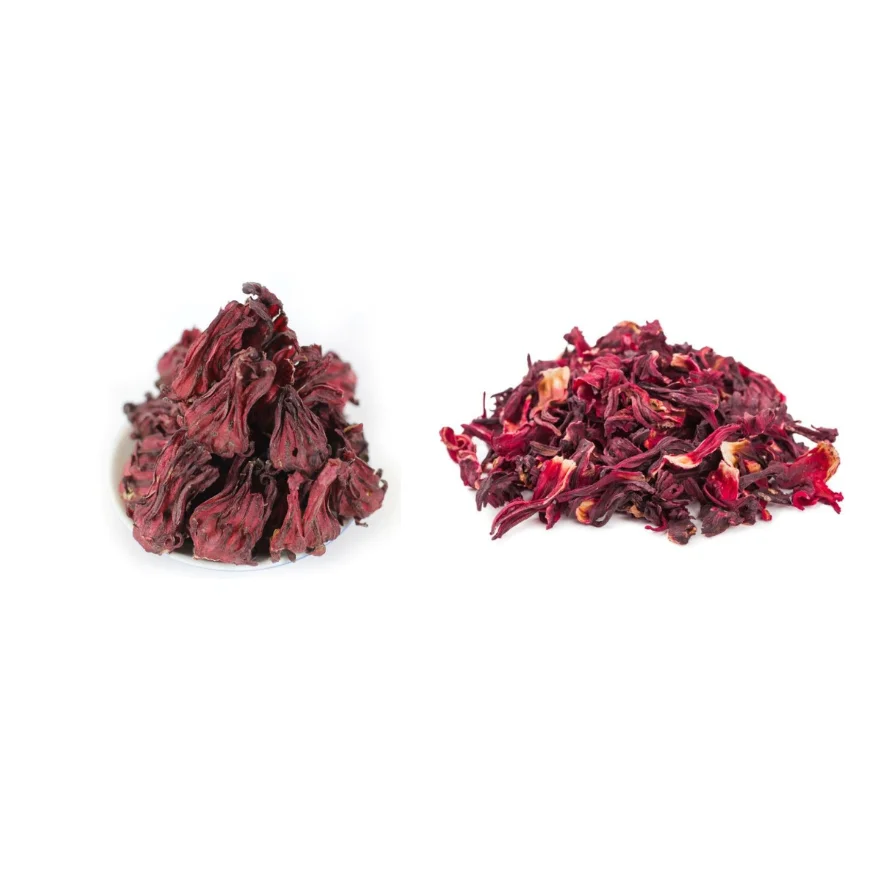
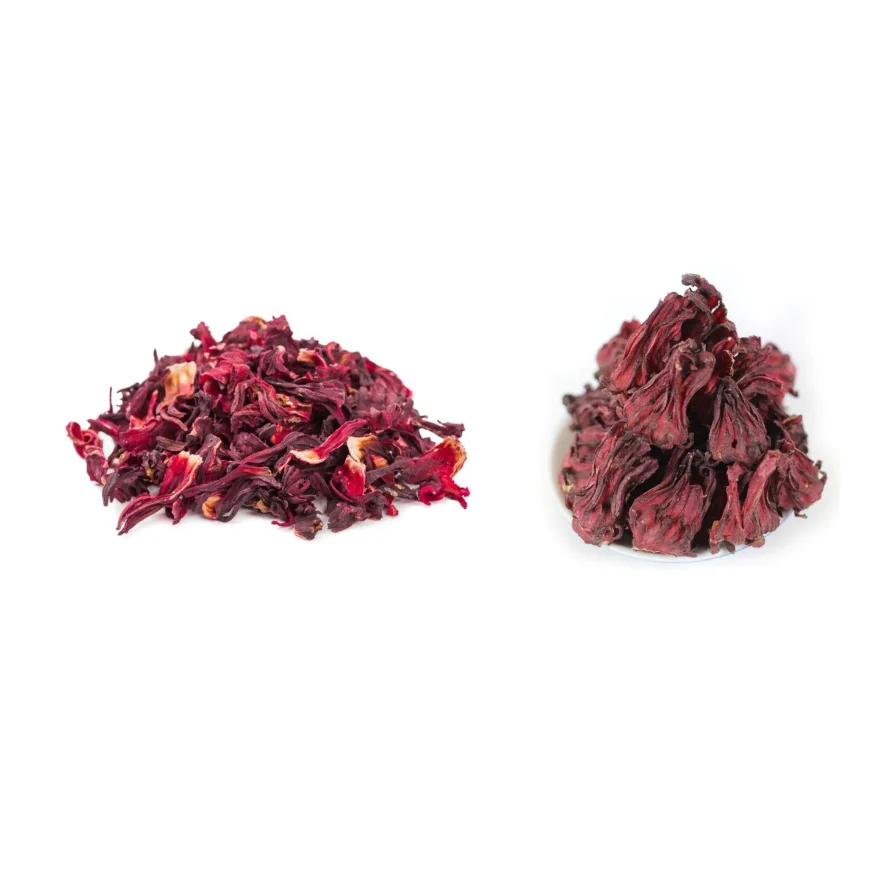
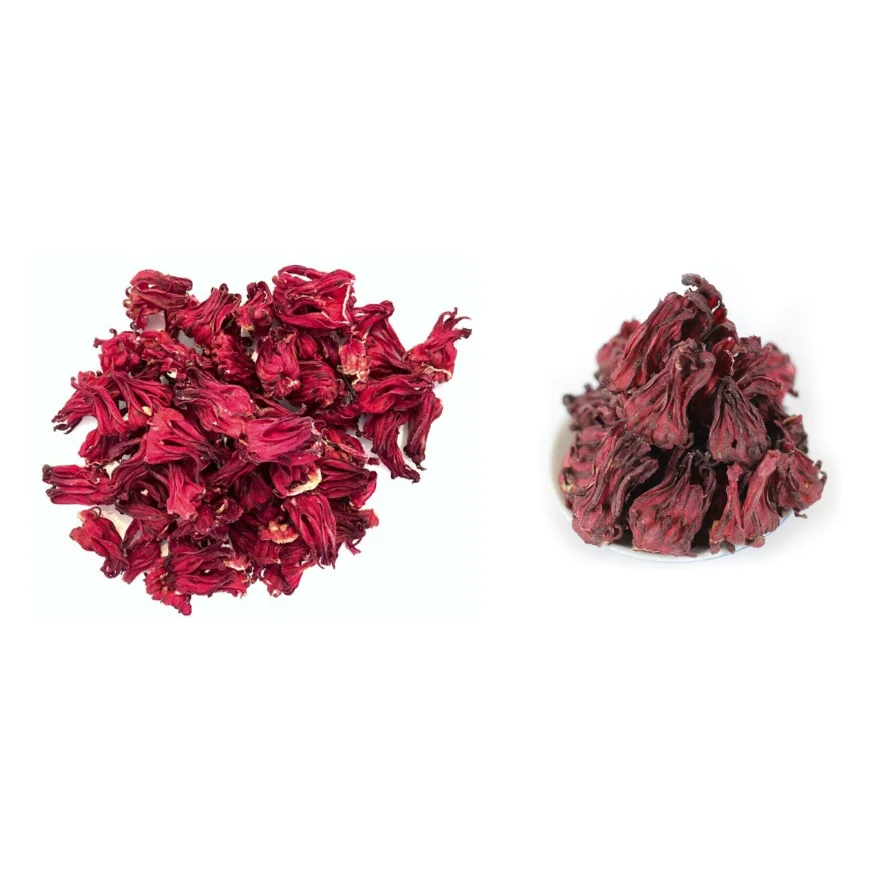
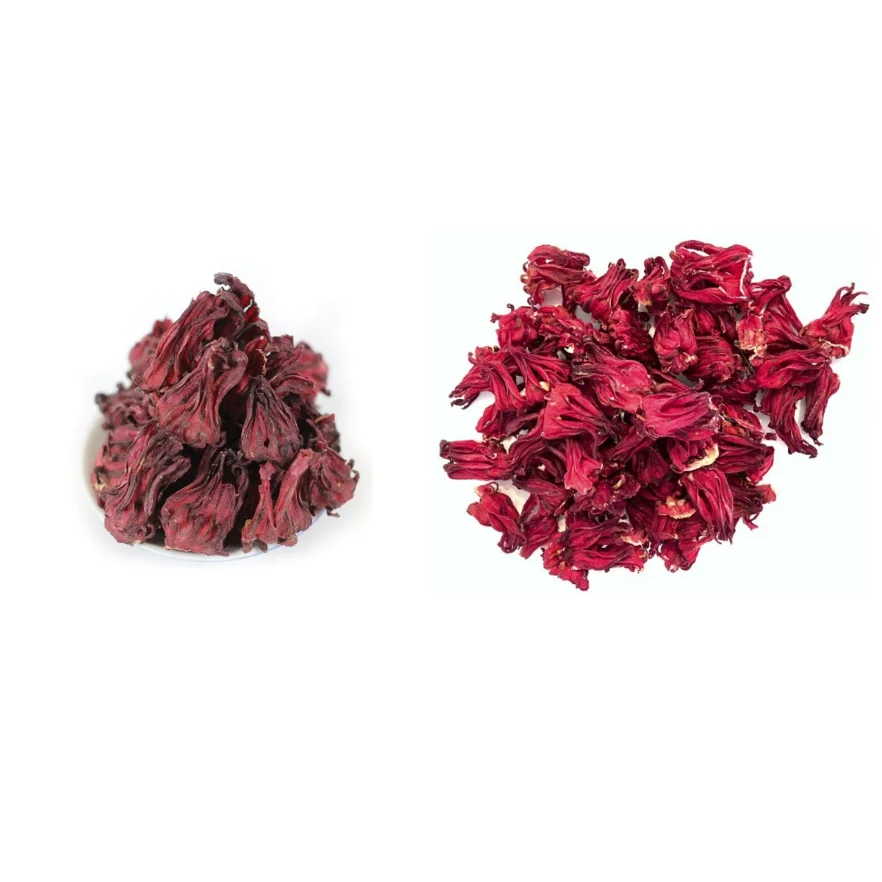
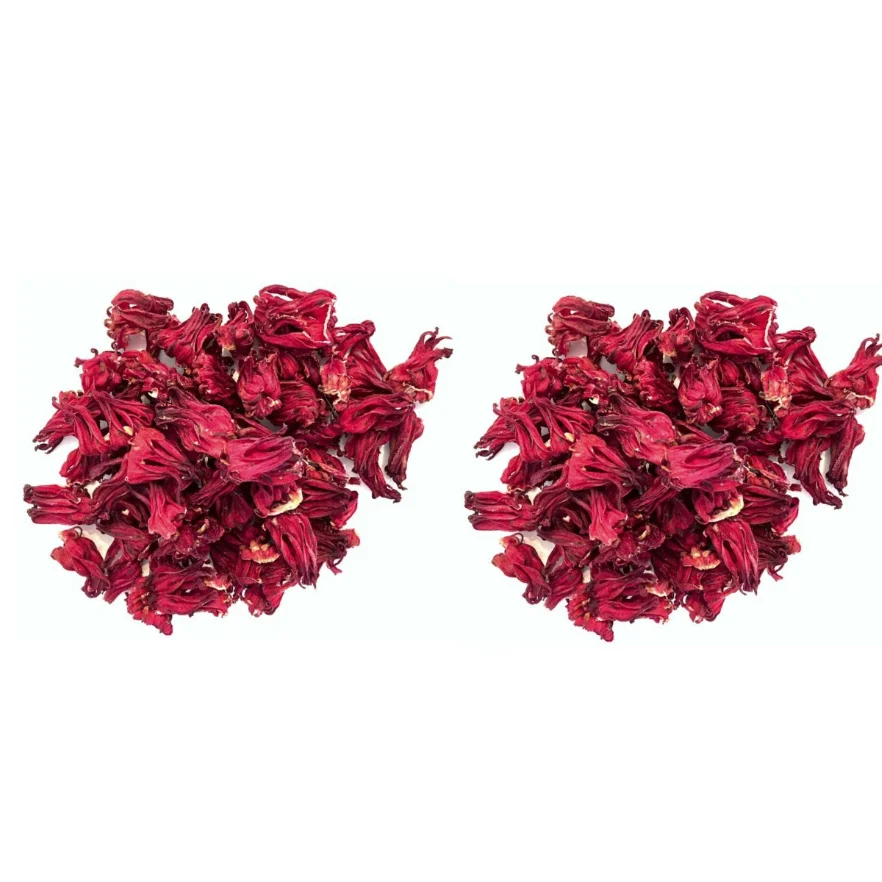
Best Selling Natural Organic Herbal Tea Fresh and Dried Hibiscus Flowers Petals Ready To Export
- Category: Ornamental Plants >>>
- Supplier: Opio Trading LTD
Share on (10000007913597):
Product Overview
Description
Product Description
DRIED HIBICUS FLOWERS
Scientific names: Hibiscus sabdariffa
Common names: Hibiscus also is known as karkade, red tea, red sorrel, Jamaica sorrel, rosella, soborodo (Zobo drink), Karkadi, roselle, and sour tea.
Hibiscus has a characteristic sour taste, natural red color and excellent medicinal properties, and they are widely used in cuisine and medicine. Hibiscus flower tea has a gentle, natural scent that relieves stress and relaxes the enjoyment.
Specification
Product name | Dried Hibicus flowers |
Color & odor | Characteristic |
Total Ash | 10% max |
Moisture | 10% max |
Grade | Premium |
Usage | Make tea, health drinks |
Color | Purple red |
Drying process | Air-dried |
Moisture | 10% max |
Admixture | 1.5% max |
Main Benefits | * Prevent hypertension * Reduce blood sugar levels * Keep liver healthy* Help with menstrual cramps * Help with weight management.* Rich in Vitamin C, contains minerals such as flavonoids and has laxative properties |
What is Hibiscus used for?
Traditional/Ethnobotanical uses
The hibiscus has had a lengthy history of use in Africa and neighboring tropical countries. Its fragrant flowers have been used in sachets and perfumes. In areas of northern Nigeria, this plant has been used to treat constipation. Fiber from H. sabdariffa has been used to fashion rope as a jute substitute. The fleshy red calyx is used in the preparation of jams, jellies, and cold and warm teas and drinks. The leaves have been used like spinach. The plant is used widely in Egypt for the treatment of cardiac and nerve diseases and has been described as a diuretic. In Iran, drinking sour tea for the treatment of hypertension is a popular practice. It has been used in the treatment of cancers. Research reveals little or no evidence of these medicinal uses of hibiscus. The mucilaginous leaves are used as a topical emollient in Africa. In Western countries, hibiscus flowers often are found as components of herbal tea mixtures. In Thailand, people consume roselle juice to quench thirst. Karkade seed products (ie, karkade defatted flour, protein concentrate, protein isolate) have been studied for their nutritional and functional value.
Hypertension
A randomized clinical trial evaluated the effect of sour tea available commercially in Iran on essential hypertension in otherwise healthy volunteers. A decrease in blood pressure was seen. However, after cessation of drinking the sour tea, a rise in blood pressure occurred. Although no adverse effects were seen in this study, the use of sour tea for treating hypertension requires further study.
Antibacterial/Vermifuge
Aqueous extracts of hibiscus appear to exert a slight antibacterial effect. In laboratory and animal studies, worms were killed by hibiscus extracts. Research reveals little or no clinical data regarding the use of hibiscus as an antibacterial or vermifuge (kill worms).
Chemopreventive effects
Components of hibiscus have shown potential as a chemopreventative agent against tumor promotion in laboratory and animal studies. These components also possess anti-inflammatory properties. Research reveals little or no clinical data regarding the use of hibiscus as a chemopreventive agent.
Laxative effects
The plant has been used as a mild laxative. While animal studies show a mild cathartic effect, research reveals little or no human clinical data regarding the use of hibiscus as a laxative.
Other uses
Hibiscus has been studied for its use in preventing renal stone formation, as well as its respiratory and sedative effects. To date there is no clinical evidence to prove any of these beneficial medical effects. Additionally, hibiscus anthocyanins have shown antioxidant activity in protecting against hepatotoxicity in rats. Application and action in humans has yet to be investigated.


Packaging & Shipping
25 kgs, 50kgs in PP bag
We Recommend


New Arrivals
New products from manufacturers at wholesale prices