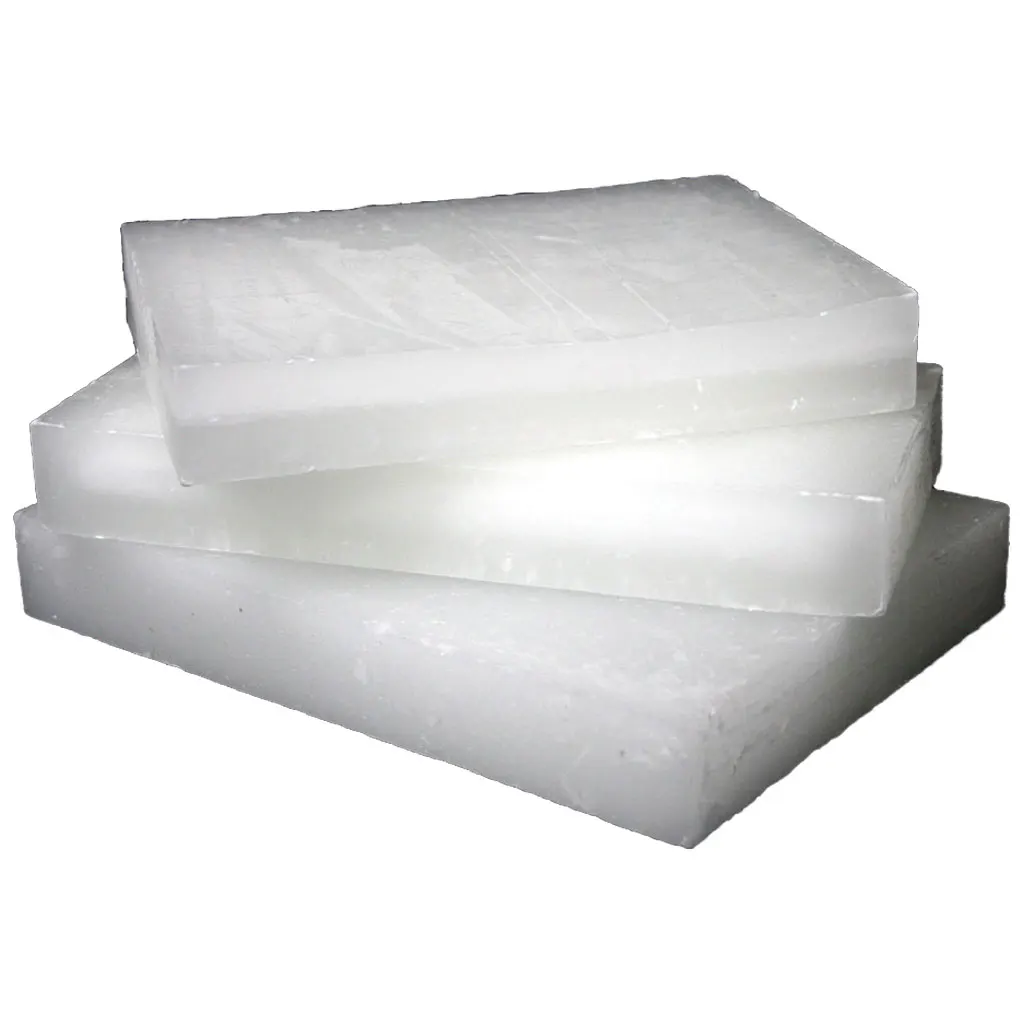
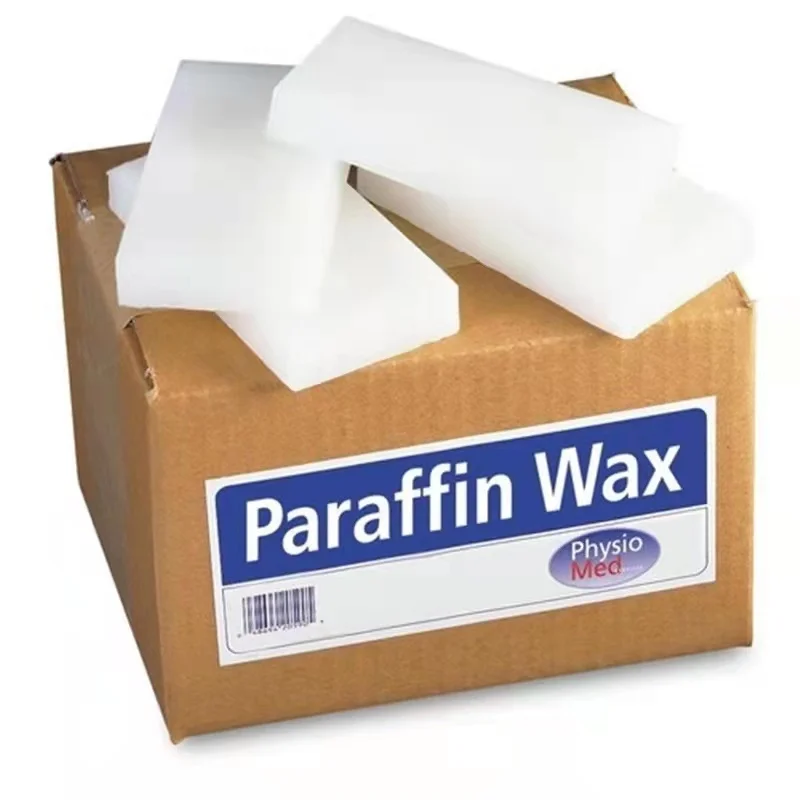
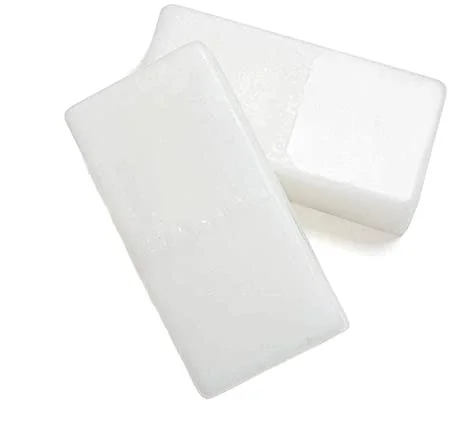
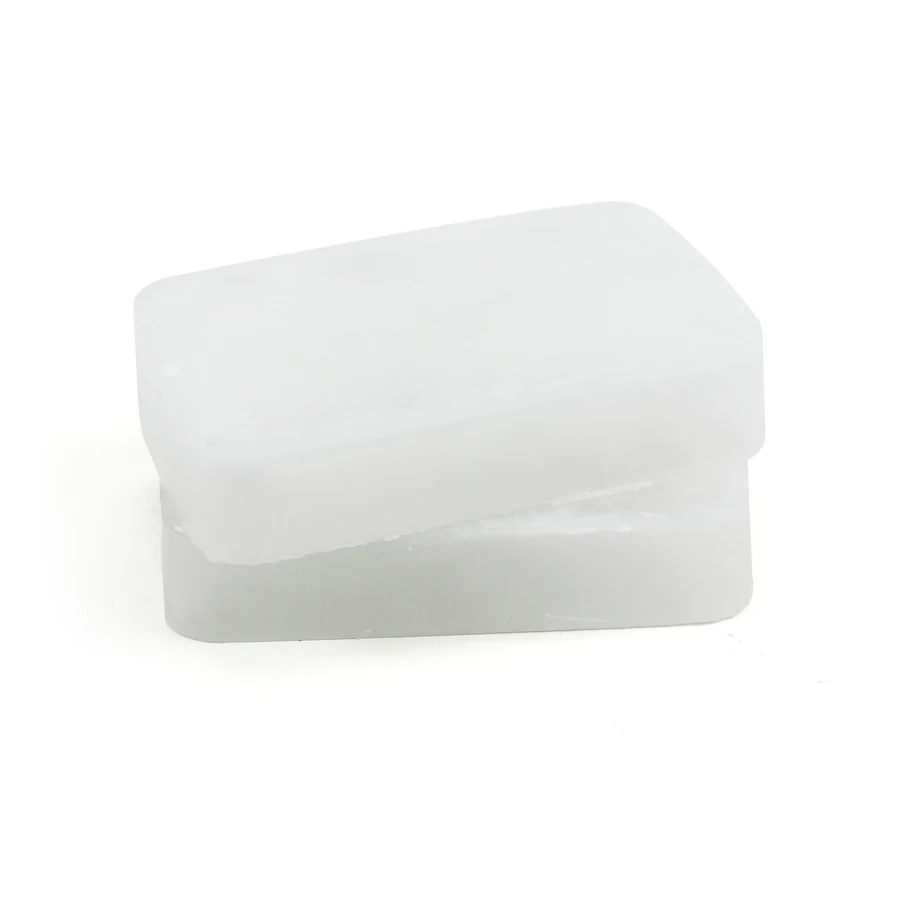
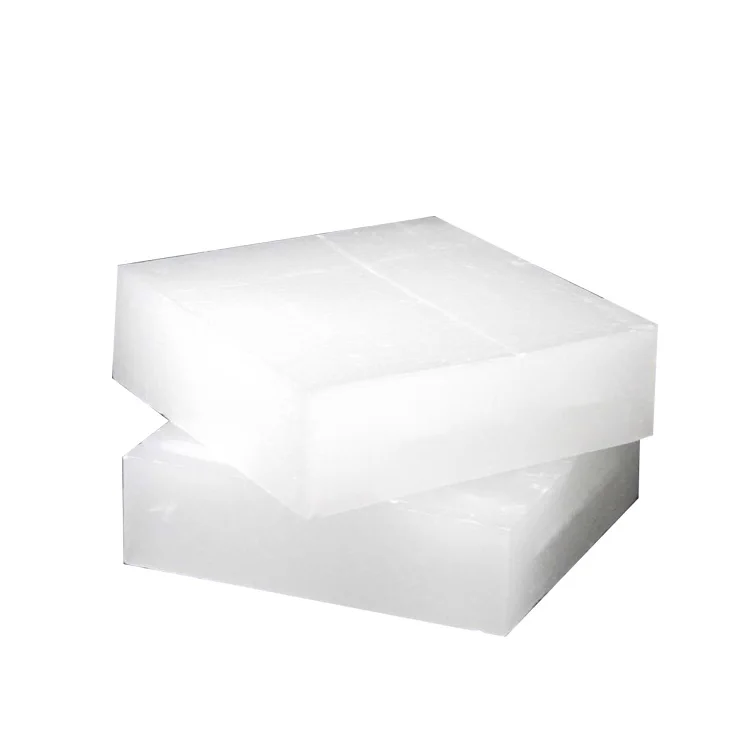
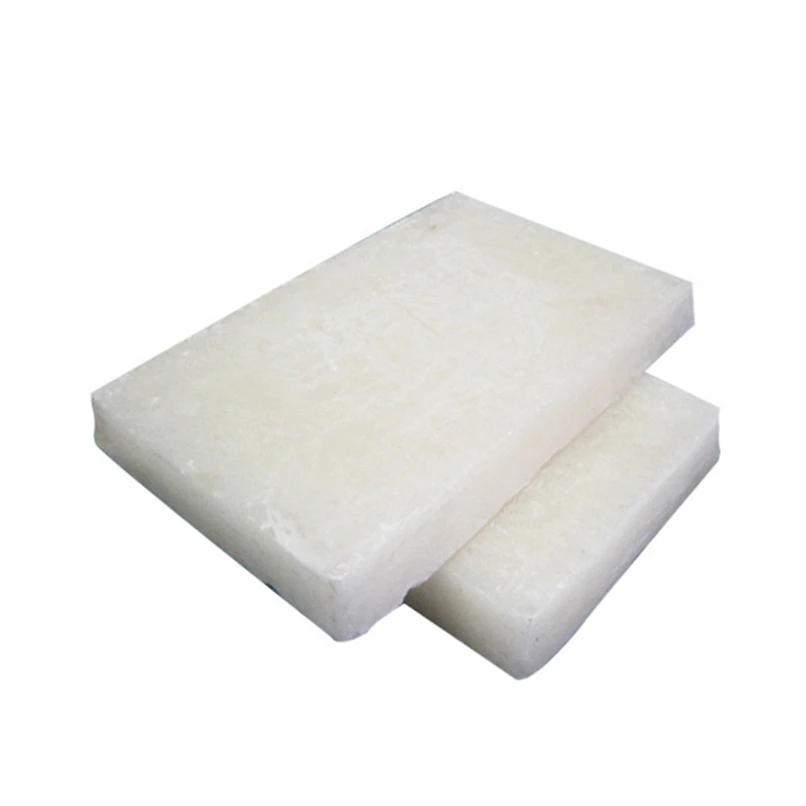
Fully Refined Paraffin wax wholesale
- Category: >>>
- Supplier: GDG Projekt GmbH
Share on (10000008179908):
Product Overview
Description
Paraffin wax
Paraffin wax is a soft colorless solid derived from petroleum, coal or shale oil that consists of a mixture of hydrocarbon molecules containing between twenty and forty carbon atoms. It is solid at room temperature and begins to melt above approximately 37 °C, and its boiling point is above 370 °C. Common applications for paraffin wax include lubrication, electrical insulation, and candles; dyed paraffin wax can be made into crayons. It is distinct from kerosene and other petroleum products that are sometimes called paraffin. Un-dyed, unscented paraffin candles are odorless and bluish-white. Paraffin wax was first created by Carl Reichenbach in Germany in 1830 and marked a major advancement in candlemaking technology, as it burned more cleanly and reliably than tallow candles and was cheaper to produce. In chemistry, paraffin is used synonymously with alkane
| Input | properties |
| name | paraffin wax |
| category | wax |
| use | cadle making skin care |


We Recommend

New Arrivals
New products from manufacturers at wholesale prices