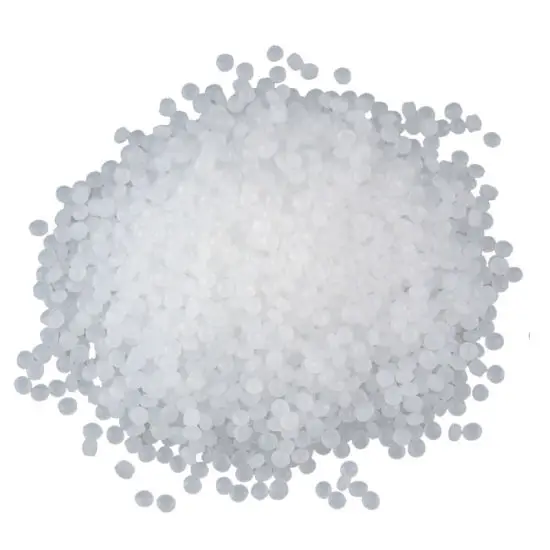
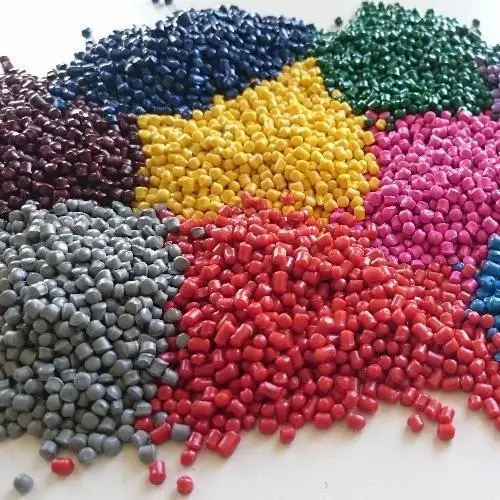
Poland Quality Virgin HDPE / LDPE / LLDPE PET Recycled Flakes Granules
- Category: >>>
- Supplier: Hb Trade Sprl
Share on (10000008774526):
Product Overview
Description
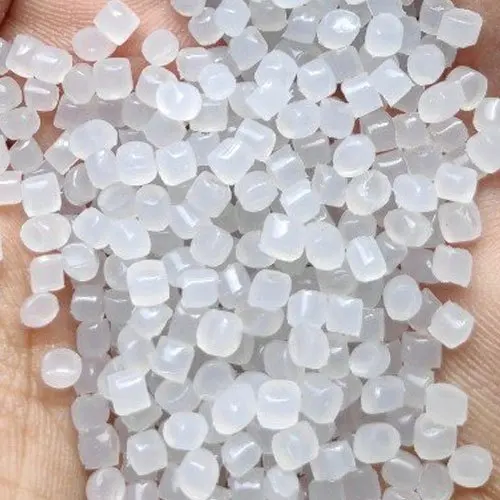
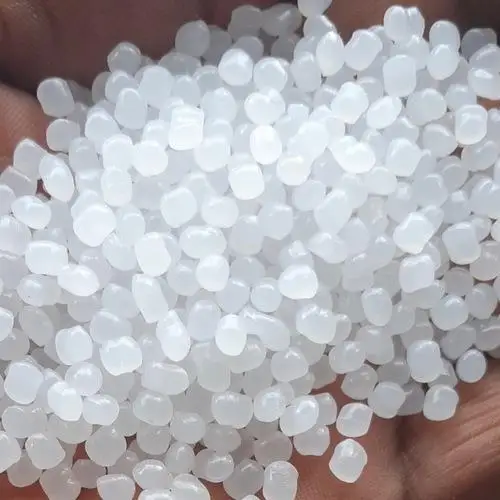
Low-density polyethylene (LDPE) is a synthetic resin using a high pressure process via free radical polymerization of ethylene and is therefore also called "high-pressure polyethylene". Since its molecular chain has many long and short branches, LDPE is less crystalline than high-density polyethylene (HDPE) and its density is lower. It features light, flexible, good freezing resistance and impact resistance. LDPE is chemically stable. It has good resistance to acids (except strongly oxidizing acids), alkali, salt, excellent electrical insulation properties. Its vapor penetration rate is low.
LDPE has high fluidity and good processability. It is suitable for being used in all types of thermoplastic processing processes, such as injection molding, extrusion molding, blow molding, rotomolding, coating, foaming, thermoforming, hot-jet welding and thermal welding
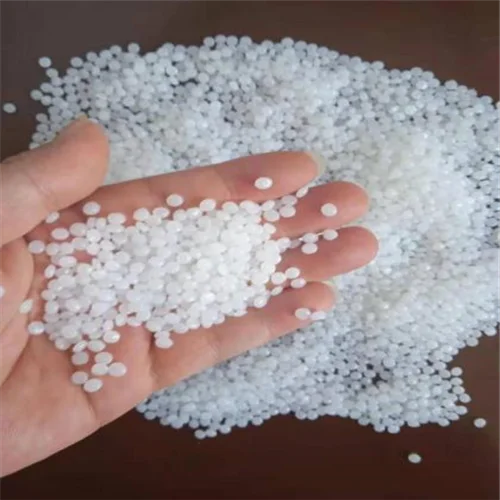
Free sample, high density polyethylene resin/PE 80, PE 100/HDPE granules
Introduction:
HDPE has several properties that makes it ideal as a packing and manufacturing product
Stronger than standard polyethylene, acts as an effective barrier against moisture and remains solid at room temperature
Resists insects, rot and other chemicals
Easily recyclable and can be used again and again
Recycled HDPE creates no harmful emissions during its production or during its use by the consumer
HDPE leaks no toxic chemicals into the soil or water
HDPE is one of the most commonly used plastics in the world
Typically found in milk jugs, plastic bags and refillable plastic bottles
In addition to plastic lumber and recycled plastic furniture, recycled HDPE is used to manufacture lawn and garden products, buckets, crates, office products and automobile parts
Grades:
HDPE pipe grade can be used in the production of pressure pipes, such as pressurized water pipes, fuel gas pipelines and other industrial pipes
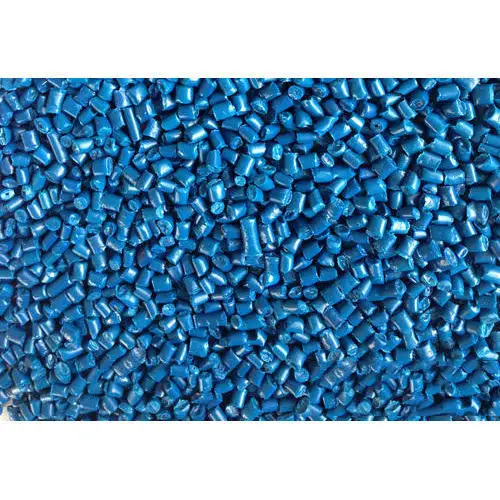
HDPE injection grade, red, blue and green
HDPE blow grade, white, grey and black
HDPE pipe grade black pellet
HDPE coating grade
Specifications:
HDPE cable material property: typical value
Mass density: 0.941-0.959g/cm3
Melt flow rate (190°C/2.16kg) g/10minute: ≤1.0
Tensile yield strength: 19.0MPa
Flexural modulus: ≥965MPa
Elongation at break: ≥400%
Impact embrittlement temperature: -118°C maximum
Dielectric constant: 100kHz, 2.32 and 1MHz, 2.31
Loss tangent: 100kHz, maximum 0.0001, 1MHz maximum 0.0001
Volume resistivity: minimum 1x10 ohms, 15cm
LDPE products use grade :
1). Film Grade (general-purpose film, highly transparent film, heavy-duty packaging film, shrinkable film),
2). Injection Molding Grade
3). Coating Grade
4). Artificial Flower Grade
5). Wire & Cable Grade
6). Ethylene Vinyl Acetate(EVA)
Applications:
1. LDPE is principally used for making films. It is widely used in the production of
- agricultural film (mulching film and shed film),
- packaging film (for use in packing candies, vegetables and frozen food),
- blown film for packaging liquid (for use in packaging milk, soy sauce, juice, bean curds and soy milk),
- heavy-duty packaging bags,
- shrinkage packaging film,
- elastic film,
- lining film,
- buildinguse film,
- general-purpose industrial packaging film and food bags.
2. LDPE is also widely used in the production of wire & cable insulation sheath. Cross-linked LDPE is the main material used in the insulation layer of high-voltage cables.
3. LDPE is also used in the production of injection-molded products (such as artificial flowers, medical instruments, medicine and food packaging material) and extrusion-molded tubes, plates, wire & cable coatings and profiled plastic products.
4. LDPE is also used for making blow-molded hollow products such as containers for holding food, medicine, cosmetics and chemical products, and tanks.


We Recommend
New Arrivals
New products from manufacturers at wholesale prices