
Сладкое вино саке, японский комплект не похож на высокие температуры и солнечный свет
- Category: >>>
- Supplier: Kaori International Japan Co. Ltd.
Share on (10000008794894):
Product Overview
Description

Products Description
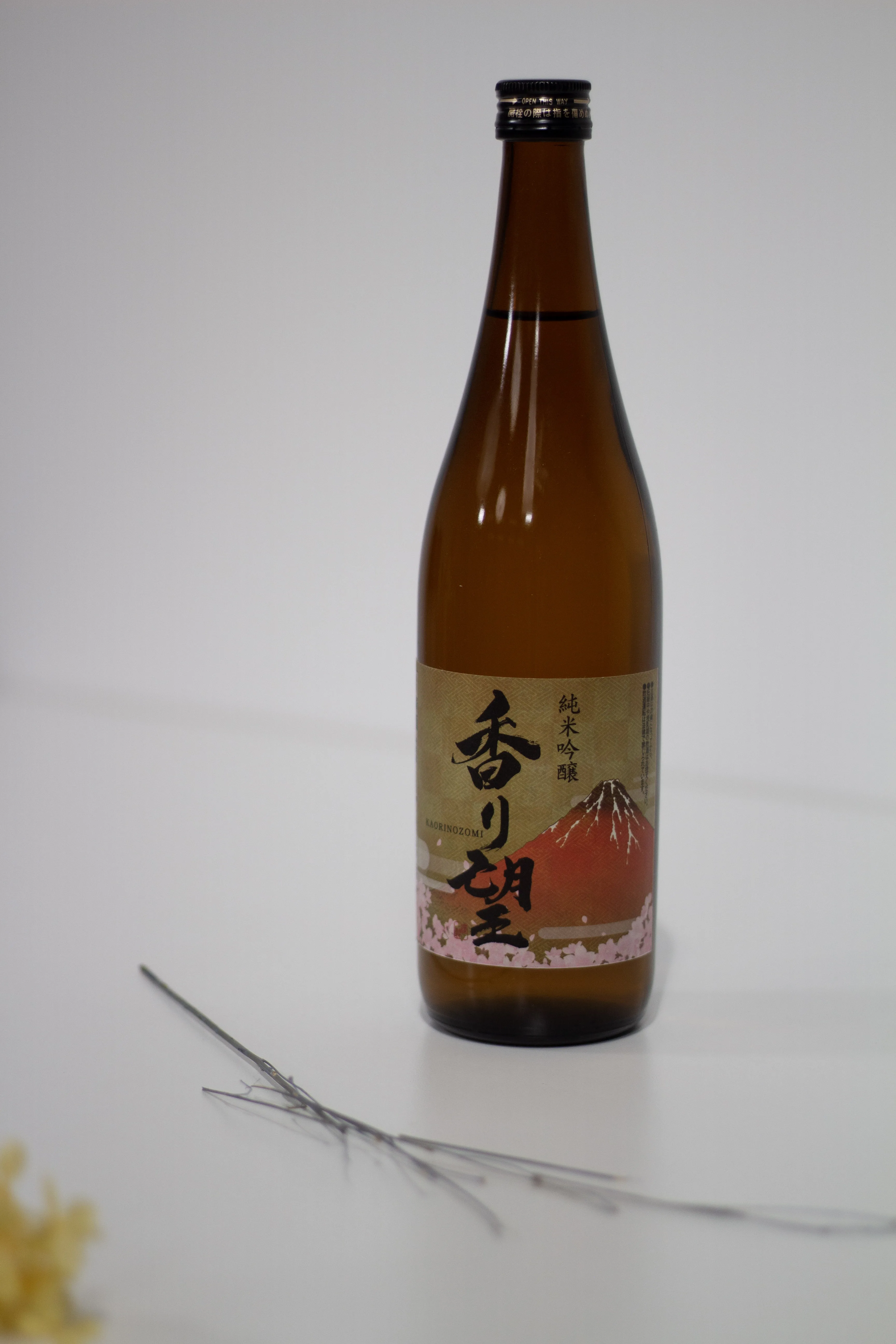
As the name suggests, this junmai ginjo is slightly sweet, with a distinctive aroma.
It has an elegant ginjo aroma like that of an apple, and the palate is characterized by a soft, full, elegant flavor that harmonizes sweetness, acidity, and astringency.
This junmai ginjo is recommended for women.
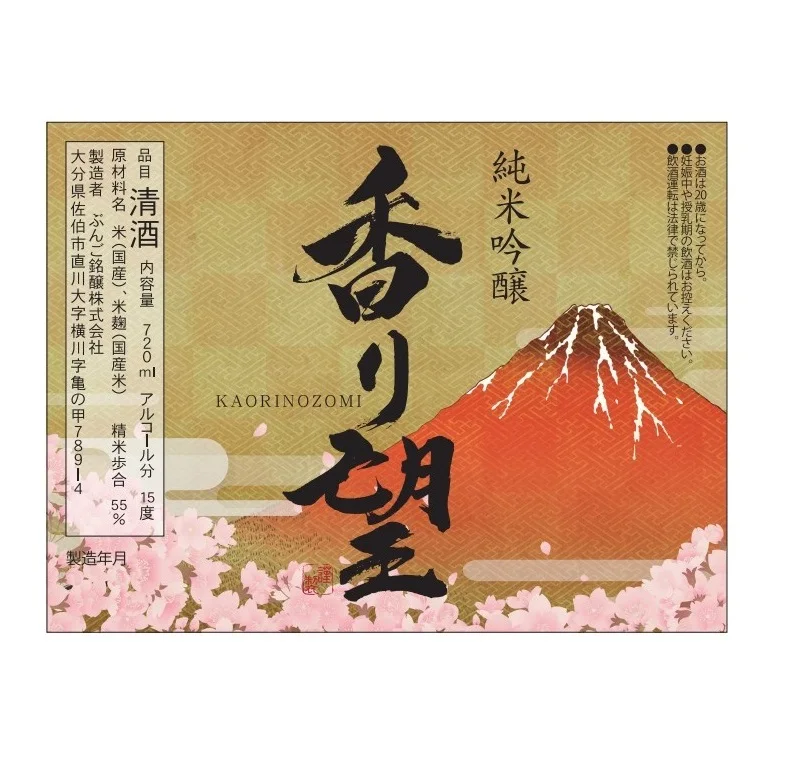
The label is decorated with Mt. Fuji and cherry blossoms to emphasize its authenticity and deliciousness.
It has an elegant ginjo aroma like that of an apple, and the palate is characterized by a soft, full, elegant flavor that harmonizes sweetness, acidity, and astringency.
This junmai ginjo is recommended for women.
The label is decorated with Mt. Fuji and cherry blossoms to emphasize its authenticity and deliciousness.
Label
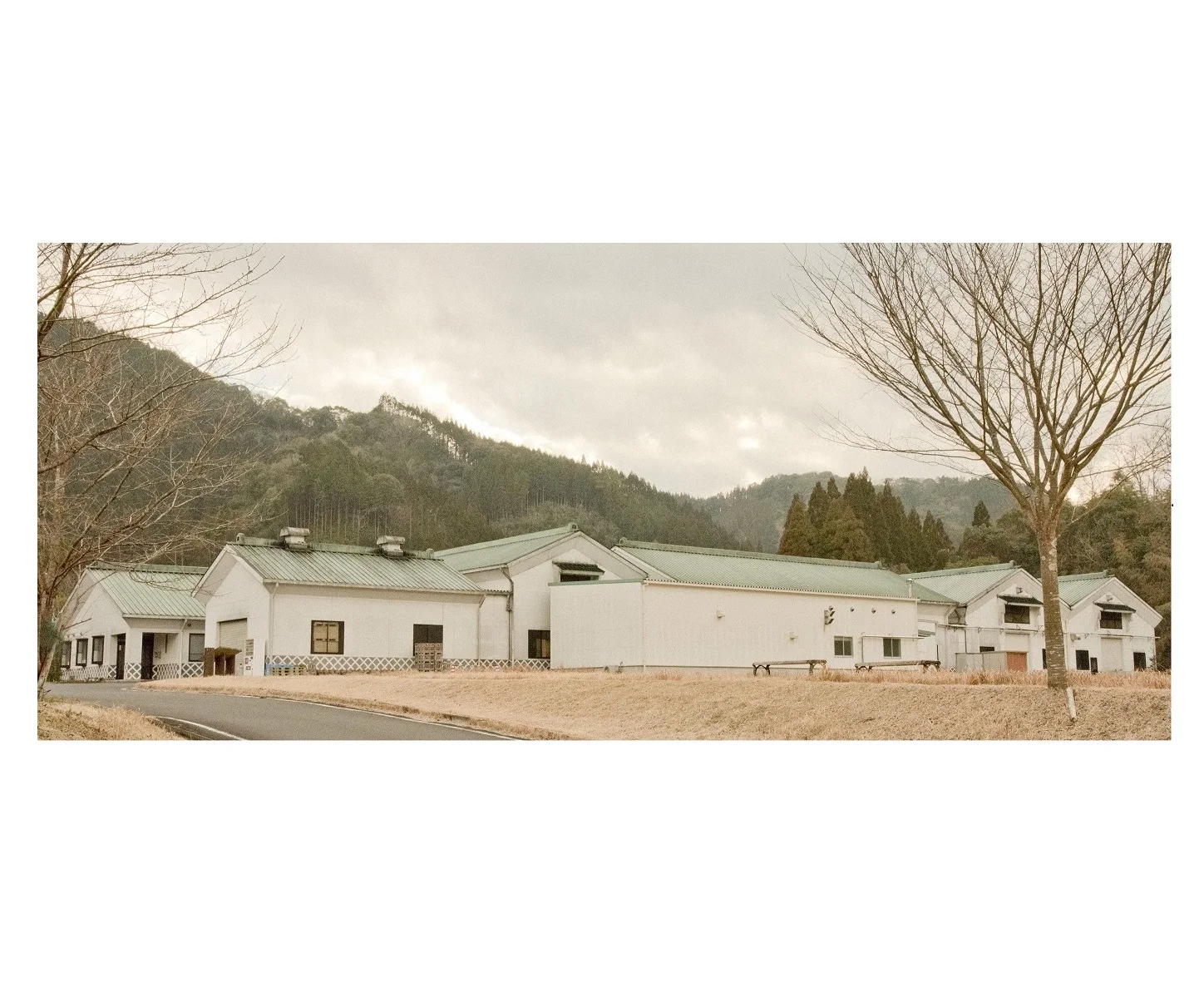
factory
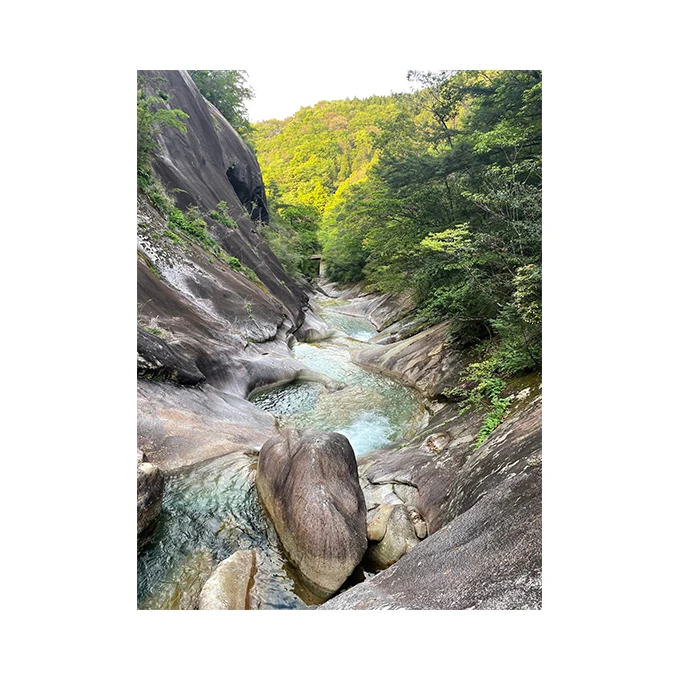
Surrounding Nature
Surrounding Nature
Rice is generally polished to around 90% for food use, but for sake brewing it is polished to around 70% or less.
Polishing ratio is a value that indicates the percentage of polished rice when the original rice (brown rice) is set at 100.
Thus, a milling ratio of 40% means that 60% of the rice has been polished.
The smaller the value, the more polished the rice is, with ginjo-shu having a milling ratio of 60% or less and daiginjo-shu having a milling ratio of 50% or less.
The reason for polishing is that the surface layer of the rice contains many important nutrients such as protein, fat and starch, and these nutrients can lead to a cloying taste and muffle the sake's aroma.
Generally speaking, sake with a lower rice polishing ratio is said to have a more floral and aromatic flavour.
The smaller the value, the more polished the rice is, with ginjo-shu having a milling ratio of 60% or less and daiginjo-shu having a milling ratio of 50% or less.
The reason for polishing is that the surface layer of the rice contains many important nutrients such as protein, fat and starch, and these nutrients can lead to a cloying taste and muffle the sake's aroma.
Generally speaking, sake with a lower rice polishing ratio is said to have a more floral and aromatic flavour.
However, while too many nutrients on the surface layer can be a source of miscellaneous flavour, they can also be a source of umami in the right amounts.
Daiginjo-shu with a rice polishing ratio of 50% or less is sake with an emphasis on noble aroma rather than richness of flavour.
Daiginjo-shu with a rice polishing ratio of 50% or less is sake with an emphasis on noble aroma rather than richness of flavour.
Junmai sake with a rice milling ratio of 70% has a less intense aroma and is more characterised by the umami and richness of the rice, while junmai ginjo with a rice milling ratio of 60% can be said to be a well-balanced sake.
It is important to understand that different rice polishing ratios produce different aromas and flavours, and it is up to the individual to decide which brand he or she prefers.
It is important to understand that different rice polishing ratios produce different aromas and flavours, and it is up to the individual to decide which brand he or she prefers.
We encourage you to try sake with different rice polishing ratios and find your favourite one.
Sake Junmai Ginjo Kaori Nozomi720ml | ||
specification | ||
SIZE | 75×75×300(mm) | |
raw materials | Rice and rice malt | |
seimaibuai | 55% | |
alcohol content | 15% | |
Recommended drinking temperature | ||||||
Temperature(℃) | way of calling | |||||
50~60 | kan | tobikirikan | ||||
50 | atsukan | ◎ | ||||
45 | jokan | |||||
40 | nurukan | |||||
35 | hitohadakan | |||||
30 | hinatakan | |||||
15 | hiya | suzubie | ◎ | |||
10 | hanabie | ◎ | ||||
5 | reishu | yukibie | ||||
Food Matches | hors d'oeuvres | Main dish |
Oysters (grilled with cheese) Pate dishes Caviar Camembert | Peking duck Foie gras Meuniere Bouillabaisse Pasta | |
Flavour | Medium | Med-Sweet |
Aroma | Fruity | Green Apple |
Product Usage
All types of sake can be drunk at room temperature.
However, depending on the sake, some types are recommended warm (KAN) and some are recommended chilled (HIYA, REISHU).
KAN and HIYA are also used depending on the season, so you can enjoy its delicate taste according to your preference.
To warm it up, warm it up a little at a time in the microwave at a maximum temperature of 45°C .
If you want to drink it cold, chill it in the fridge at a temperature of 10 °C (Hanabie).
[How to Storage ] Sake should be stored in a cool, dark place as it does not like high temperatures and sunlight.
Sake should be stored standing up, not lying down like wine.
Company Profile
Excellent JAPAN BRAND for YOU

Since our establishment in 2016, we have been offering reasonable prices for disaster prevention / outdoor products and food-related products, including cutting-edge Japanese products specializing in "water" such as pollutant wastewater purification agents and "medical water". We provided it to Japan at a reasonable price and were able to build relationships of trust with many Japanese companies. We would like to offer more excellent products among many Japanese brand products such as sake, health supplements, pesticides, photocatalysts, etc. to lovers and people in need around the world.


We Recommend





New Arrivals
New products from manufacturers at wholesale prices