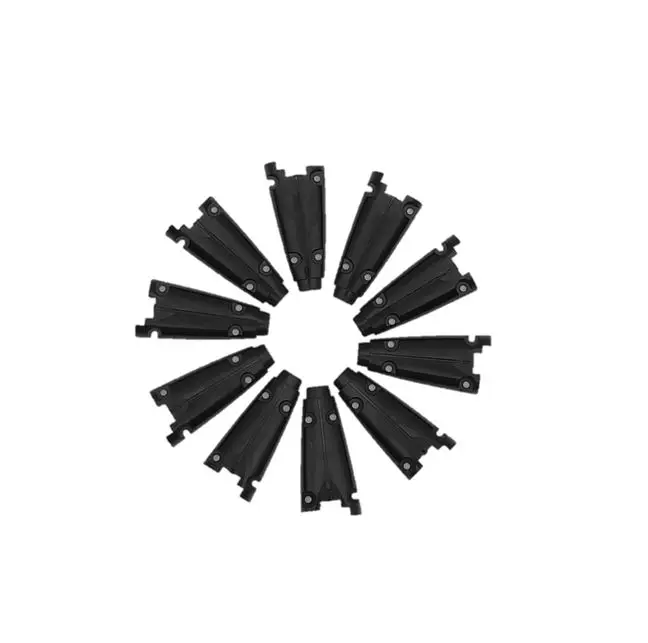
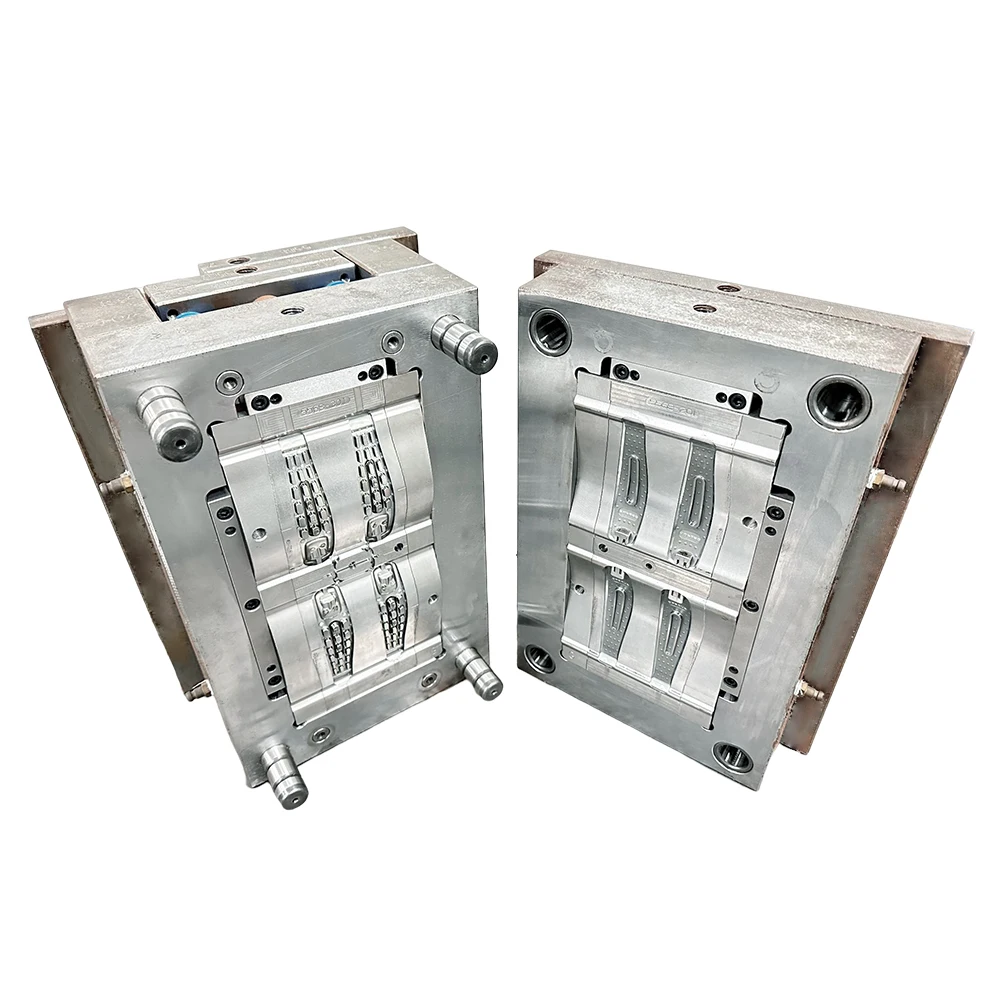
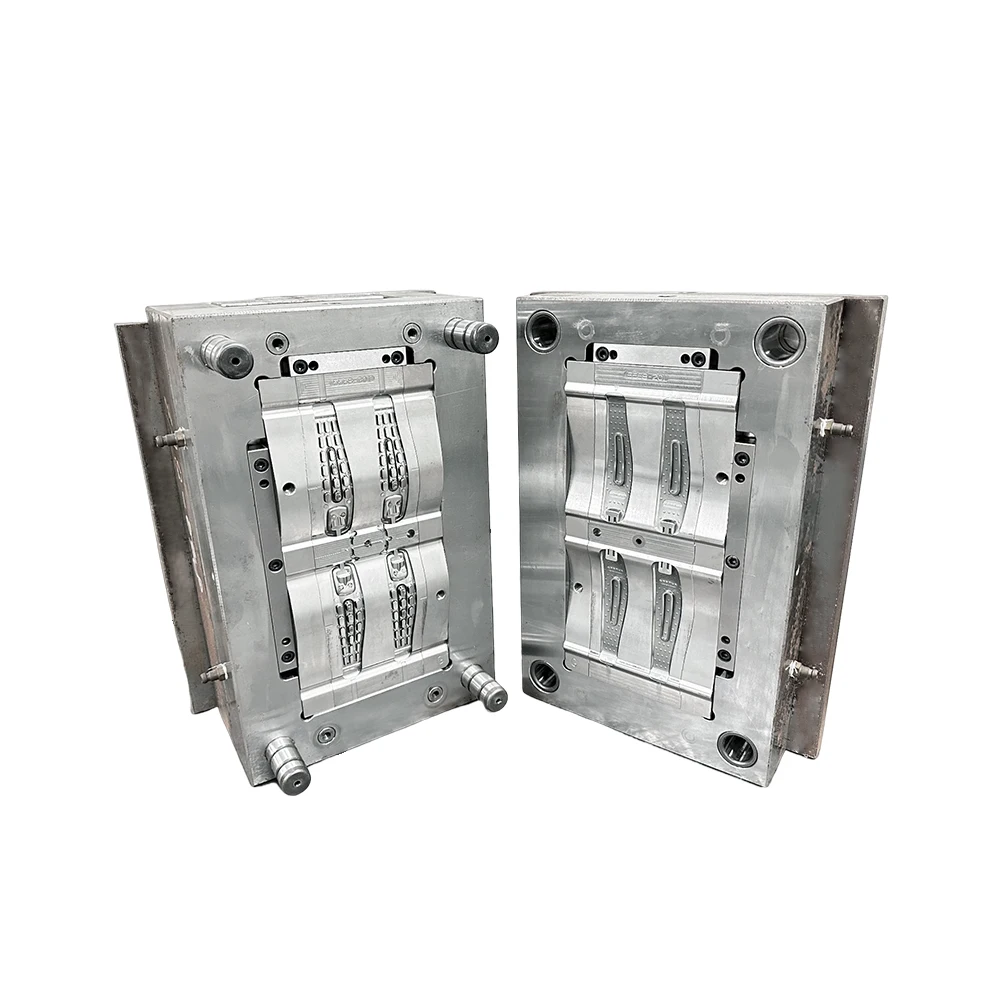
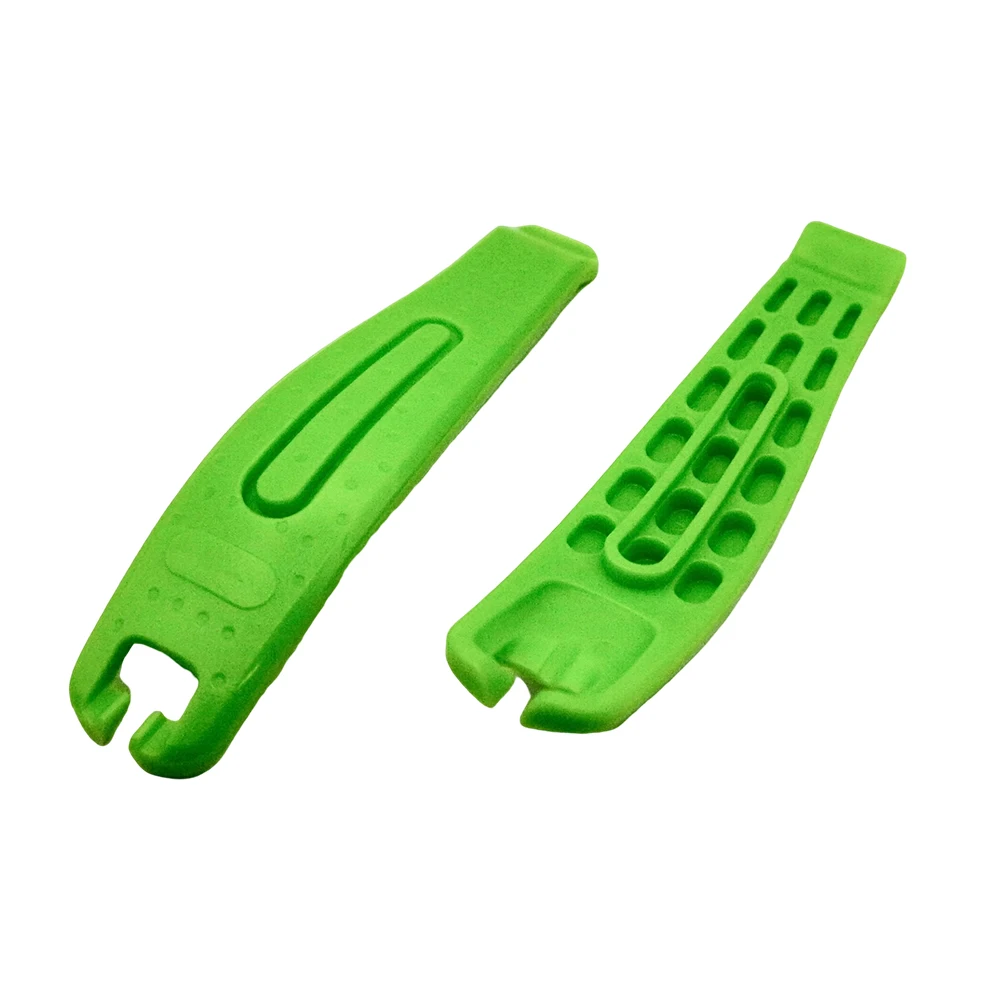
Home appliances/ daily necessities appearance mold of PPE/ LCP/ PEI appearance plastic injection mold design
- Category: >>>
- Supplier: CHIEN FENG YUAN TECHNOLOGY CO. LTD.
Share on (10000011911348):
Product Overview
Description


FAQ
Q1 : Advantages/ Features of Overmolding
Enhanced Functionality:
Multi-Material Integration: Overmolding allows the combination of different materials with distinct properties, creating a single
part with enhanced functionality.
Improved Aesthetics:
Color Options: Different colored materials can be used for visual coding, branding, or to enhance the product's appearance.
Texture Variation: Overmolding enables the incorporation of different textures on the same part.
Increased Comfort and Grip:
Soft Touch Surfaces: Overmolding can add a soft and comfortable grip to handles, improving the user experience.
Reduced Assembly Steps:
Single-Step Manufacturing: Overmolding eliminates the need for assembling multiple components, reducing production steps and
costs.
Sealing and Protection:
Water Resistance: Overmolding can create a protective seal, making products resistant to water, dust, and other environmental
factors.
Encapsulation: Sensitive components, such as electronics, can be encapsulated and protected from external elements.
Vibration Damping:
Shock Absorption: Overmolding can provide a layer that absorbs shocks or vibrations, enhancing the durability and performance of
the product.
Design Flexibility: Overmolding offers design flexibility, allowing for the creation of complex and customized parts.
Variable Material Properties: Different materials with varied properties can be strategically placed to meet specific performance
requirements.
Durability:
Bonding Strength: Properly executed overmolding creates a strong bond between materials, improving the overall durability of the
part.
Brand Differentiation:
Unique Appearance: Overmolding provides the opportunity to create unique and visually distinctive products, helping with brand
differentiation in the market.
Waste Reduction:
Material Efficiency: Overmolding can minimize material waste, contributing to sustainability and environmental considerations.
Versatility:
Applicable to Various Industries: Overmolding is used across diverse industries, including automotive, electronics, medical,
consumer goods, and more.
While overmolding offers numerous advantages, it's important to consider factors such as material compatibility, mold design, and processing parameters to ensure successful implementation of the process.
Enhanced Functionality:
Multi-Material Integration: Overmolding allows the combination of different materials with distinct properties, creating a single
part with enhanced functionality.
Improved Aesthetics:
Color Options: Different colored materials can be used for visual coding, branding, or to enhance the product's appearance.
Texture Variation: Overmolding enables the incorporation of different textures on the same part.
Increased Comfort and Grip:
Soft Touch Surfaces: Overmolding can add a soft and comfortable grip to handles, improving the user experience.
Reduced Assembly Steps:
Single-Step Manufacturing: Overmolding eliminates the need for assembling multiple components, reducing production steps and
costs.
Sealing and Protection:
Water Resistance: Overmolding can create a protective seal, making products resistant to water, dust, and other environmental
factors.
Encapsulation: Sensitive components, such as electronics, can be encapsulated and protected from external elements.
Vibration Damping:
Shock Absorption: Overmolding can provide a layer that absorbs shocks or vibrations, enhancing the durability and performance of
the product.
Design Flexibility: Overmolding offers design flexibility, allowing for the creation of complex and customized parts.
Variable Material Properties: Different materials with varied properties can be strategically placed to meet specific performance
requirements.
Durability:
Bonding Strength: Properly executed overmolding creates a strong bond between materials, improving the overall durability of the
part.
Brand Differentiation:
Unique Appearance: Overmolding provides the opportunity to create unique and visually distinctive products, helping with brand
differentiation in the market.
Waste Reduction:
Material Efficiency: Overmolding can minimize material waste, contributing to sustainability and environmental considerations.
Versatility:
Applicable to Various Industries: Overmolding is used across diverse industries, including automotive, electronics, medical,
consumer goods, and more.
While overmolding offers numerous advantages, it's important to consider factors such as material compatibility, mold design, and processing parameters to ensure successful implementation of the process.

We Recommend


New Arrivals
New products from manufacturers at wholesale prices