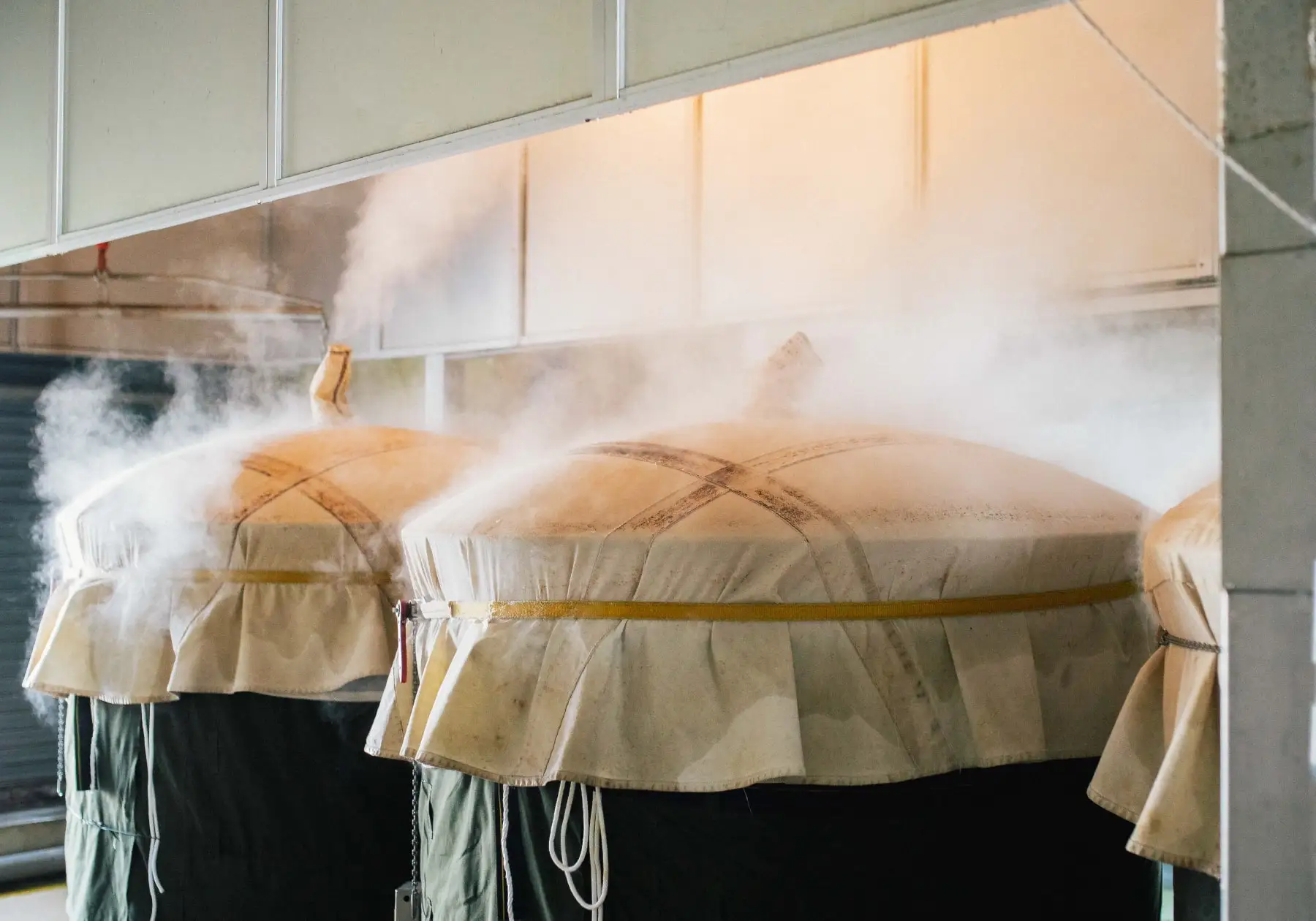
Dry Clear Fresh Taste Good Flavor Sake alcoholic beverages Made in Japan Japanese Brand Rice Sake
- Category: >>>
- Supplier: IMOTO SANGYO LTD.
Share on (10000012776868):
Product Overview
Description
Product Description

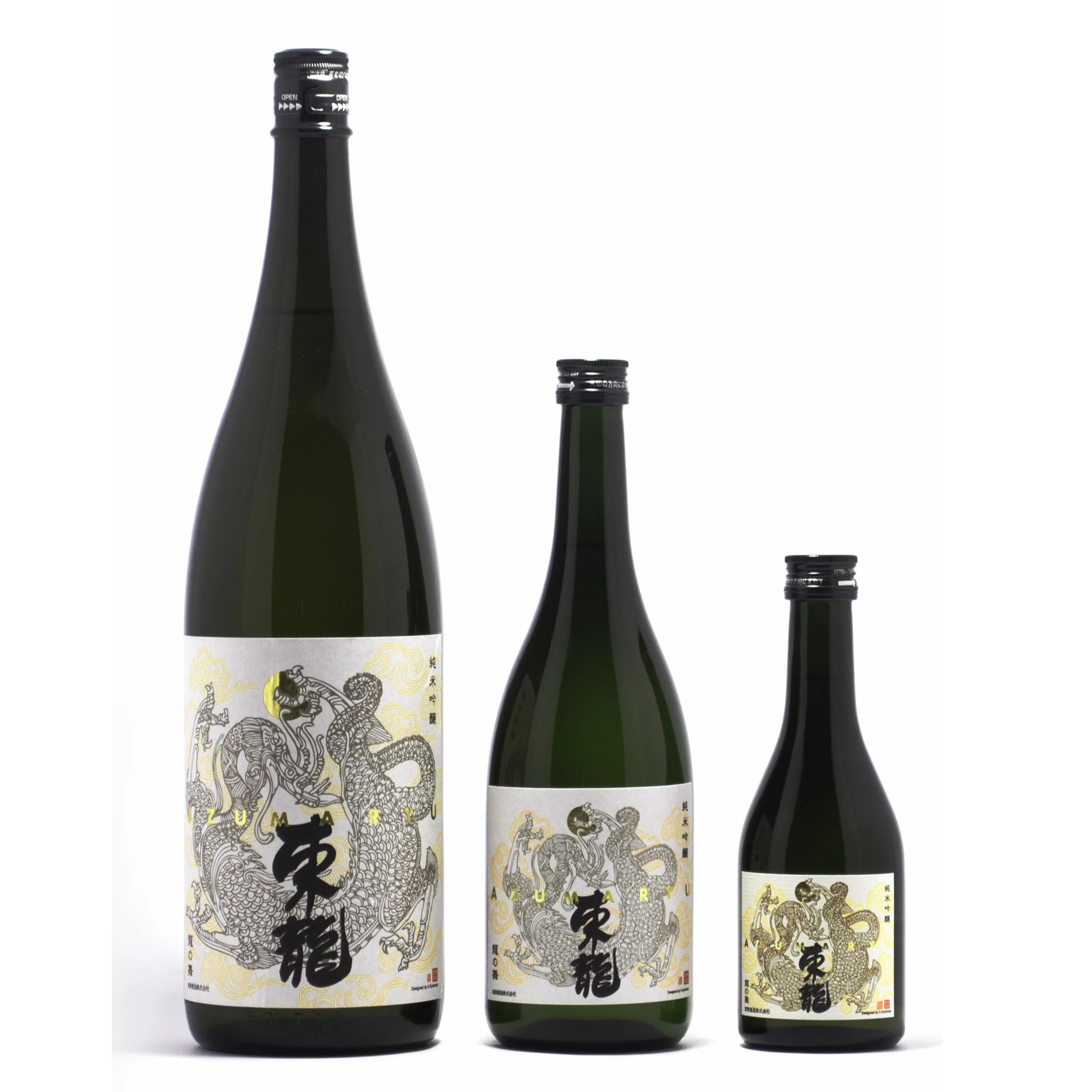
RYU NO MAI
Category of Sake:Junmai Ginjo
Growing Area:Aichi, Japan
Raw material rice:Yamada Nishiki
Rice polishing ratio:50%
Alcohol content:15 degrees to 16 degrees
Size:1,800ml, 720ml, 300ml
Growing Area:Aichi, Japan
Raw material rice:Yamada Nishiki
Rice polishing ratio:50%
Alcohol content:15 degrees to 16 degrees
Size:1,800ml, 720ml, 300ml
Taste Details
It has a crisp, tight mouthfeel and a cool, refreshing taste.Award Winning Sake, The Fine Sake Award Japan 2023.

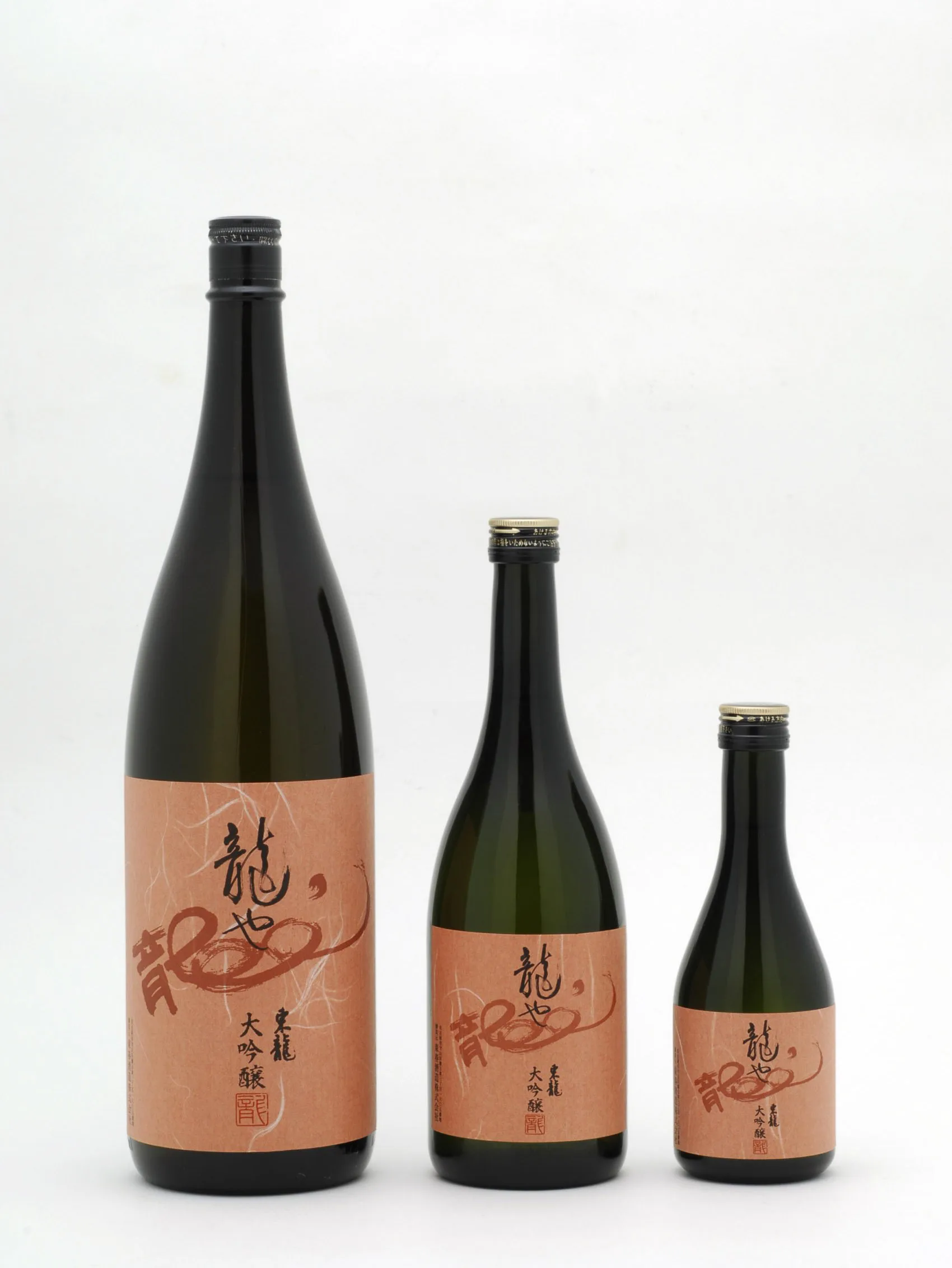
RYU-YA
Category of Sake:Daiginjo
Growing Area:Aichi, Japan
Raw material rice:Yamada Nishiki
Rice polishing ratio:40%
Alcohol content:15 degrees to 16 degrees
Size:1,800ml, 720ml, 300ml
Growing Area:Aichi, Japan
Raw material rice:Yamada Nishiki
Rice polishing ratio:40%
Alcohol content:15 degrees to 16 degrees
Size:1,800ml, 720ml, 300ml
Taste Details
The aroma is reminiscent of citrus fruits and is truly refreshing. Daiginjo-sake with a delicate flavor from the rice.
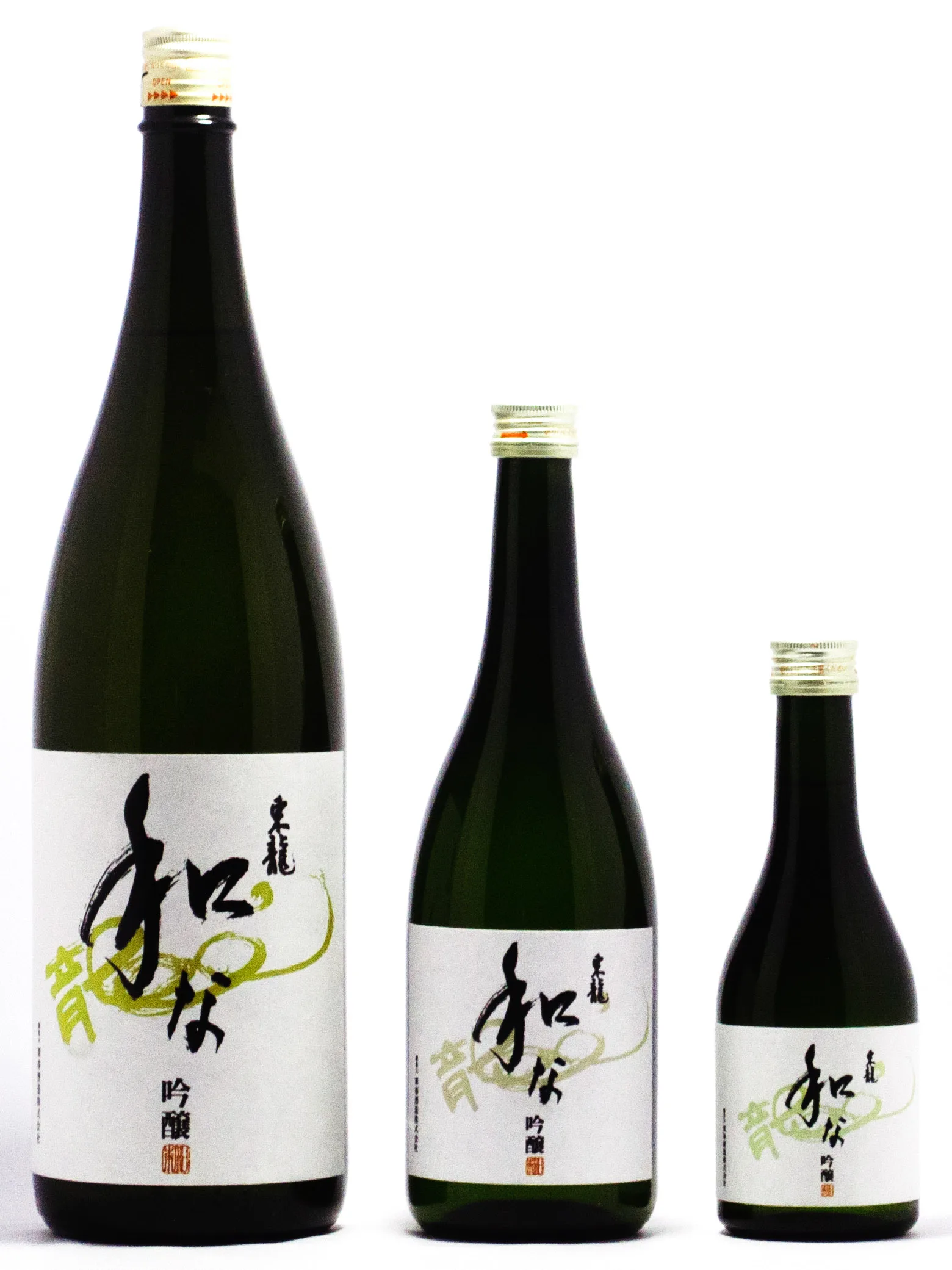
AZUMARYU Ginjo
WANA
Category of Sake:Ginjo
Growing Area:Aichi, Japan
Rice polishing ratio:55%
Alcohol content:15 degrees to 16 degrees
Size:1,800ml, 720ml, 300ml
Growing Area:Aichi, Japan
Rice polishing ratio:55%
Alcohol content:15 degrees to 16 degrees
Size:1,800ml, 720ml, 300ml
Taste Details
This ginjo-shu has a well-balanced aroma and flavor, and a refreshing taste.Award Winning Sake, The Fine Sake Award Japan 2019.
ABOUT BREWERY

Tōshun Sake Brewery's sake has a rich and expansive flavor. To achieve this rich flavor, we are particular about the ingredients used.
The rice used is mainly Yamadanishiki, Yumeginko, and Gohyakumangoku, which are all suitable for sake brewing, and the water used is the same as it has been for a long time: Kiso River subsoil water drawn from a well in the brewery.
The rice used is mainly Yamadanishiki, Yumeginko, and Gohyakumangoku, which are all suitable for sake brewing, and the water used is the same as it has been for a long time: Kiso River subsoil water drawn from a well in the brewery.

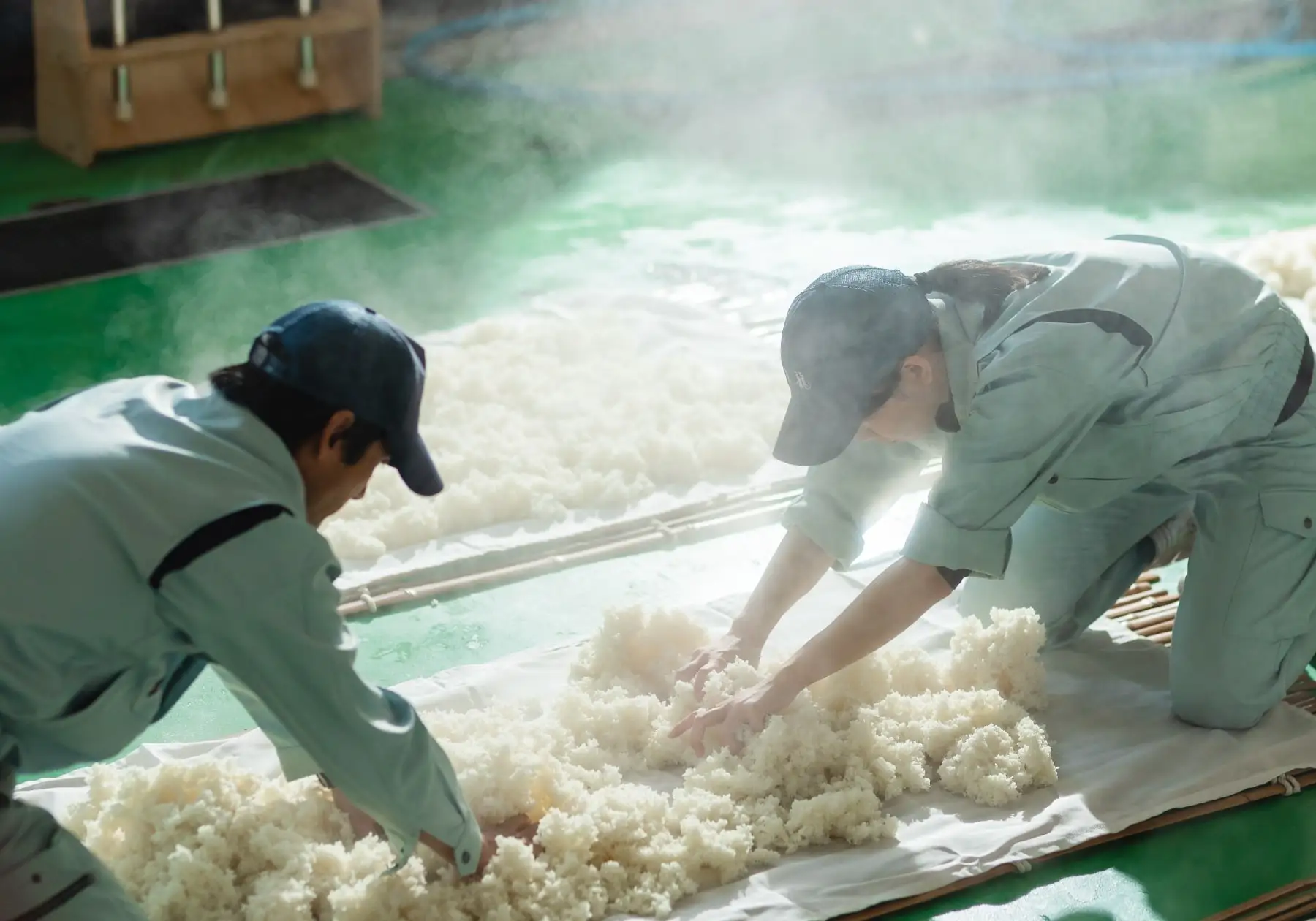
Over the years, we have searched for the right yeast and brewing process for the Tohshun Sake Brewery. The gorgeous aroma is brought out by carefully protecting and respecting the koji, yeast, brewing process, and various other elements and conditions that have been passed down through the long history of the brewery.

While pursuing the creation of a gorgeous aroma, the Toshun Sake Brewery also maintains the traditional "Yamahai" method of sake brewing. Sake made using this method is particularly rich, flavorful, and crisp, and we believe it is a technique that should be preserved for future generations of sake brewers. We are very proud of the fact that we continue to preserve this time-honored technique.
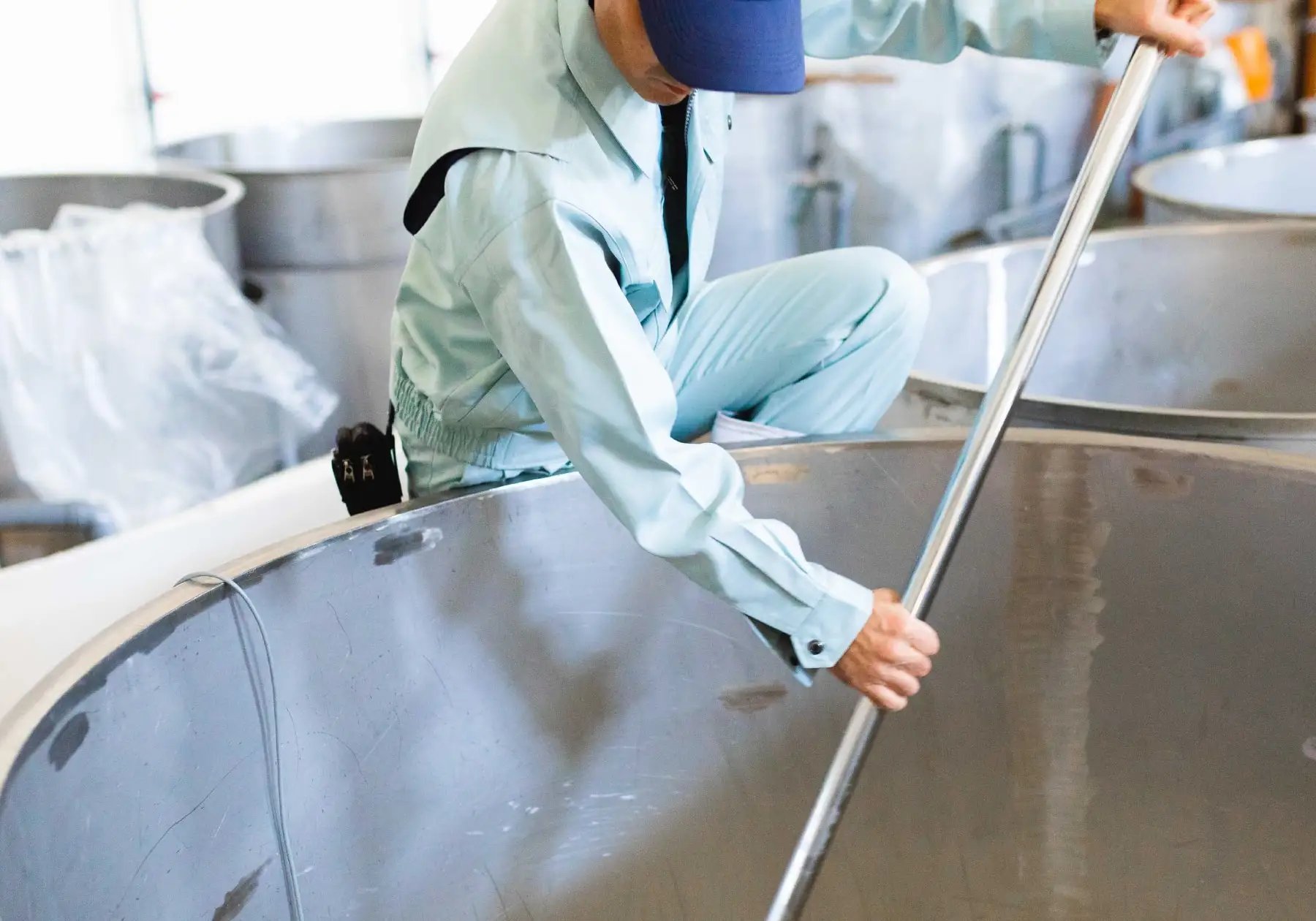
We are earnest in our pursuit of making "good sake" and continue to pursue it. We are never satisfied with the status quo, and we are always thinking about how we can best produce sake by accurately grasping how the rice is doing and how the yeast is working each year.


Company Profile


We Recommend



New Arrivals
New products from manufacturers at wholesale prices