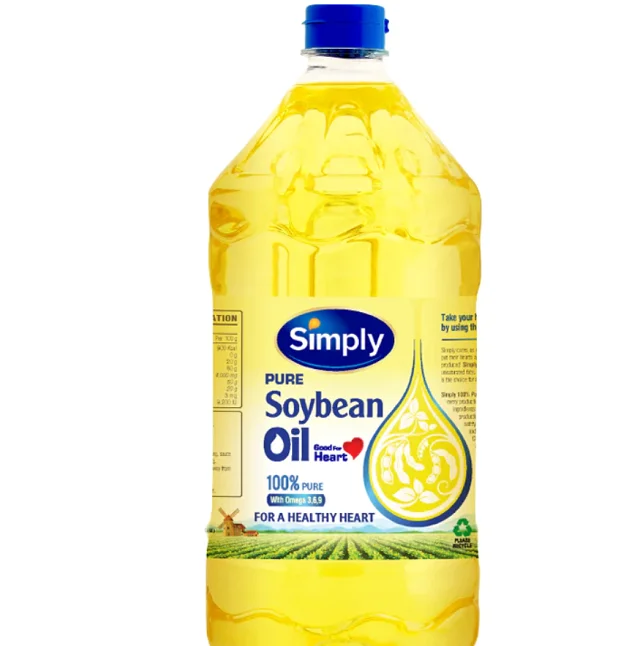
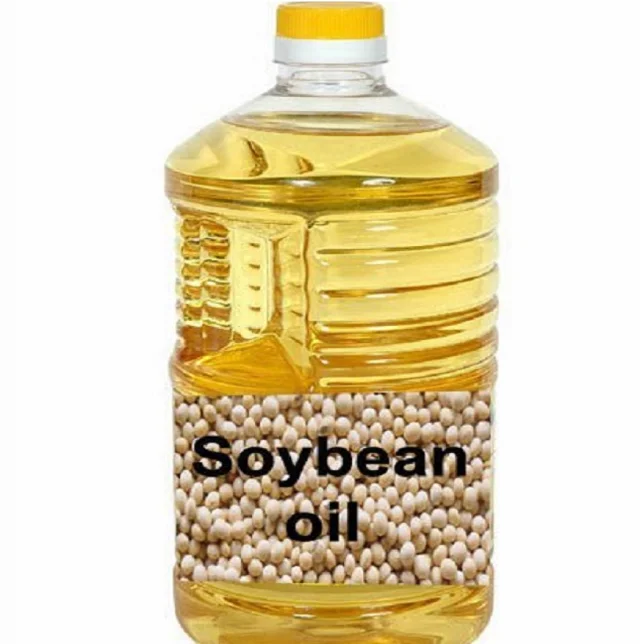
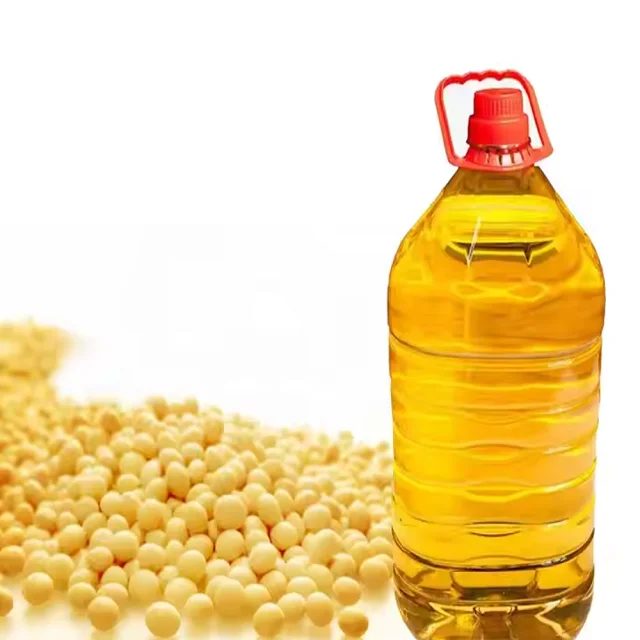
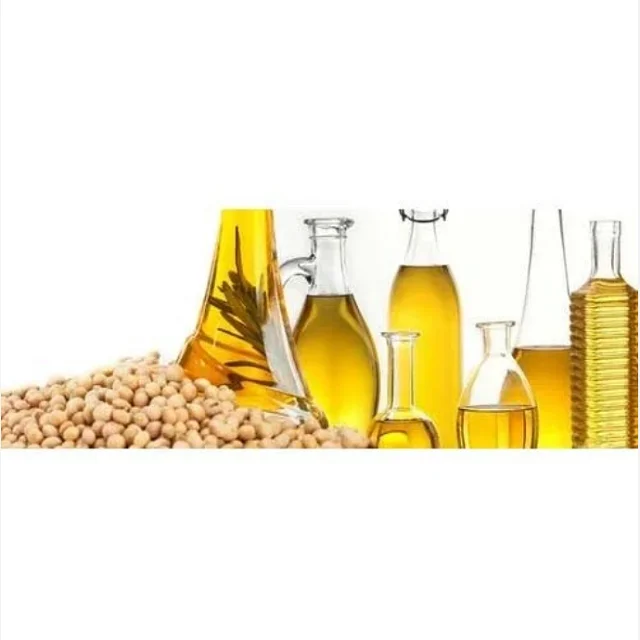


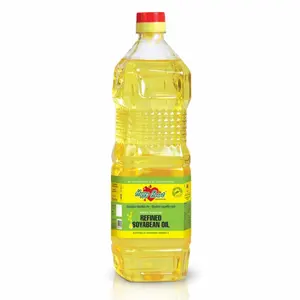
Epoxidized Soybean Oil for Cooking | Whole Sale Bulk Packaging for sale
- Category: >>>
- Supplier: OZMEN & CO KGOZMEN KG
Share on (10000016208476):
Product Overview
Description
Soybean oil is a vegetable oil extracted from the seeds of the soybean plant (Glycine max). It is one of the most widely consumed cooking oils globally and is used in various food products and industrial applications. Here's some key information about soybean oil: Extraction: Soybean oil is typically extracted through a process called solvent extraction. The soybeans are cleaned, dehulled, and crushed to obtain soybean meal and oil. The oil is then extracted from the soybean meal using hexane or another solvent. After extraction, the oil is refined to remove impurities. Refining Process: The refining process for soybean oil involves several steps to improve its quality and remove impurities: Degumming: The crude soybean oil is treated with water or phosphoric acid to remove gums and other impurities. Neutralization: The oil is treated with an alkaline solution, usually sodium hydroxide, to neutralize free fatty acids and remove other acidic compounds. Bleaching: Activated bleaching earth (clay) or activated carbon is used to remove pigments, trace metals, and other impurities that affect the oil's color. Deodorization: The oil undergoes deodorization under vacuum and high temperature to remove volatile compounds, off-flavors, and odors. Steam is used to strip off undesirable odors. Properties: Soybean oil has a light color, mild flavor, and a relatively high smoke point, making it suitable for various cooking methods, including frying, baking, sautéing, and salad dressings. It is a versatile oil that does not dominate the flavor of the dishes it is used in. Nutritional Profile: Soybean oil is low in saturated fats and high in unsaturated fats, particularly polyunsaturated fats.
" Customer Satisfaction Is Our Priority "


We Recommend


New Arrivals
New products from manufacturers at wholesale prices