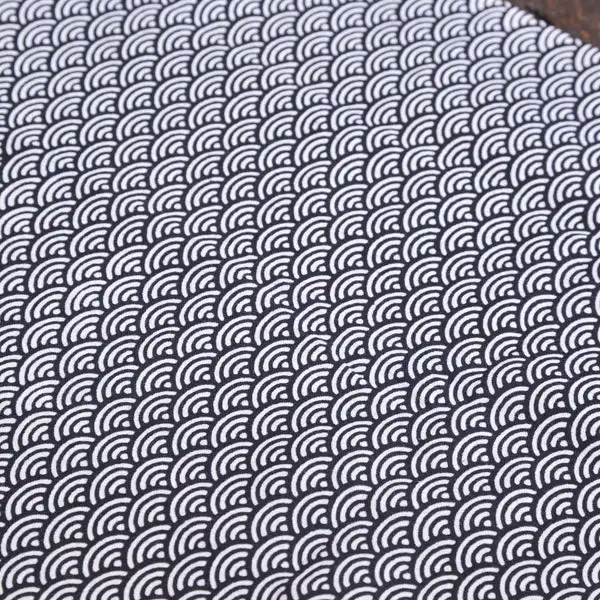
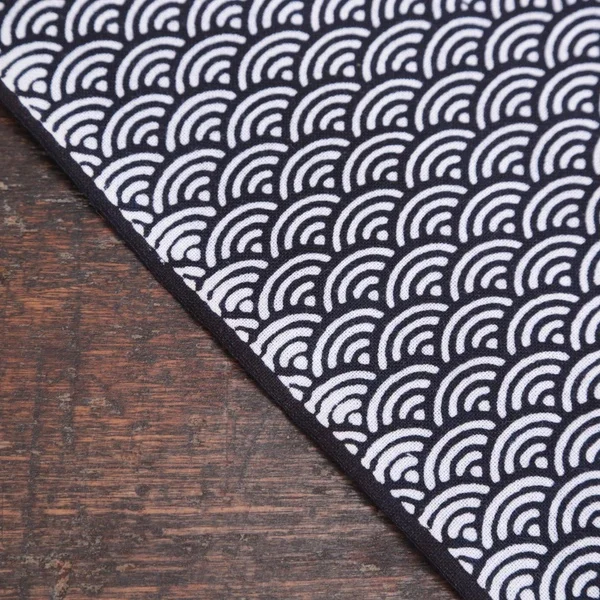
nugoo NEXT Tenugui Japanese Traditional Towel table cloth kitchen towel beach towel kendo cotton judo
- Category: >>>
- Supplier: Grandtree Co. Ltd.
Share on (10000018166803):
Product Overview
Description
The displayed price and the estimated amount may differ. Please pay in Japanese yen. We will send you a quote at the time of your order.
- The number of shipping days is an estimate.
- Please contact us for details
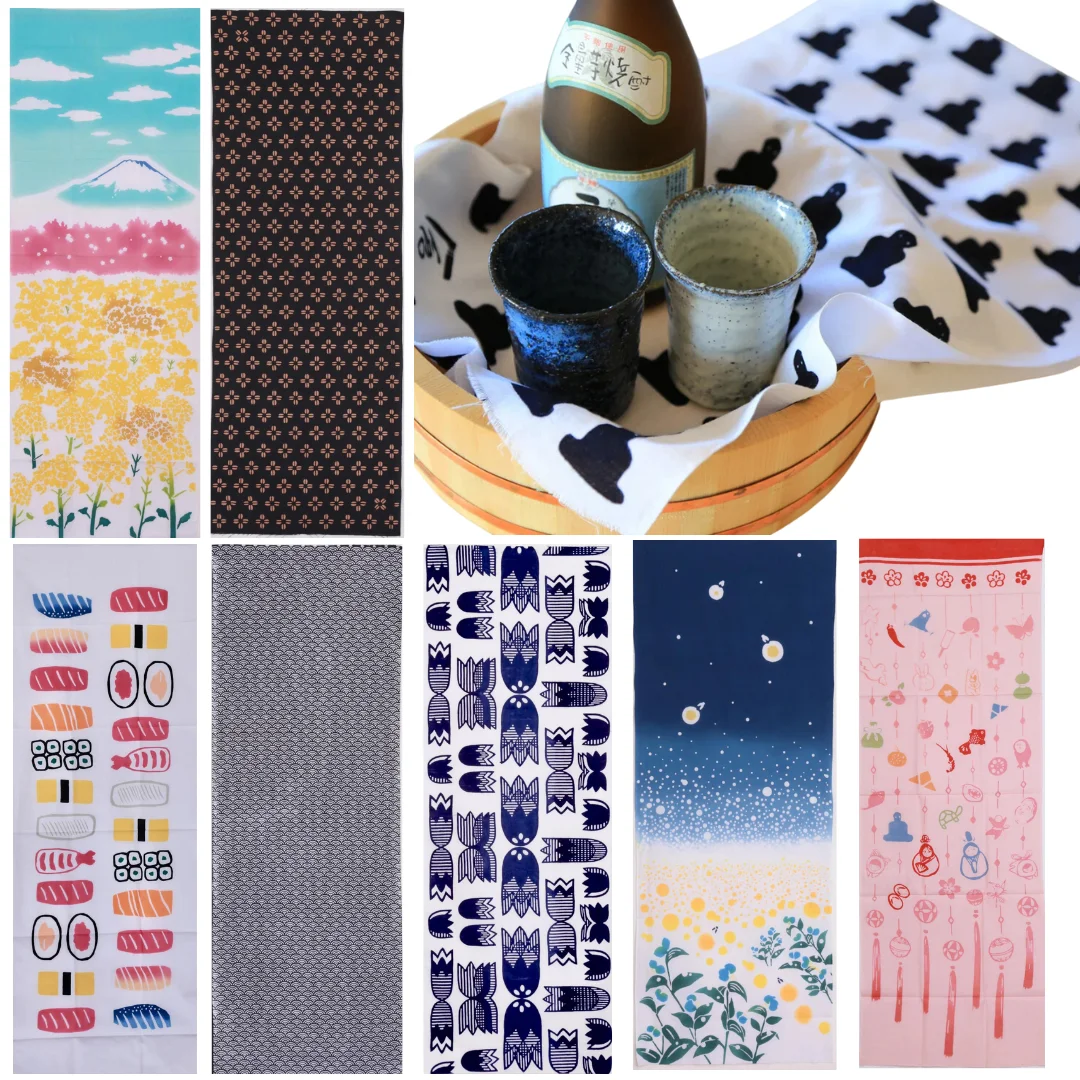
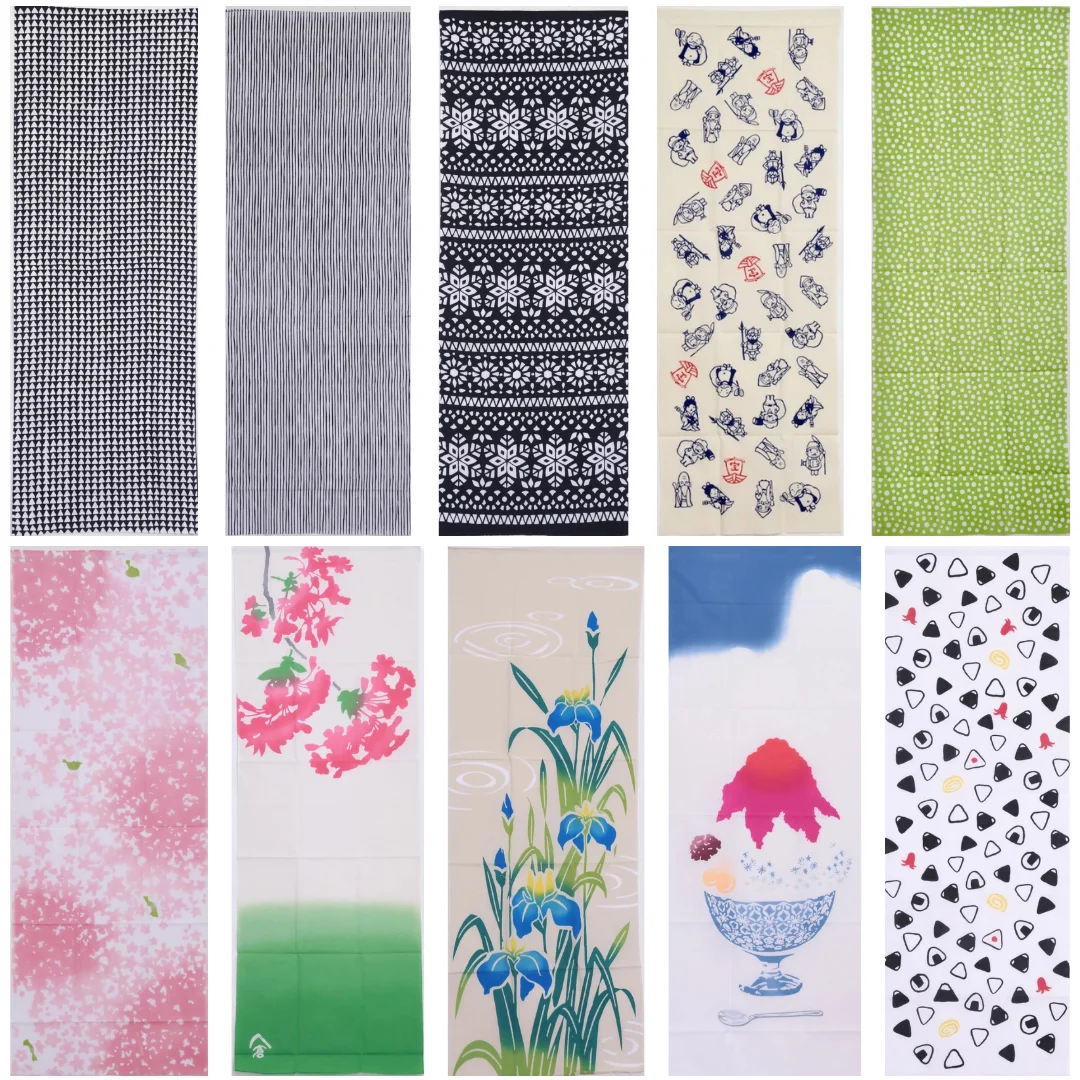
Product variations
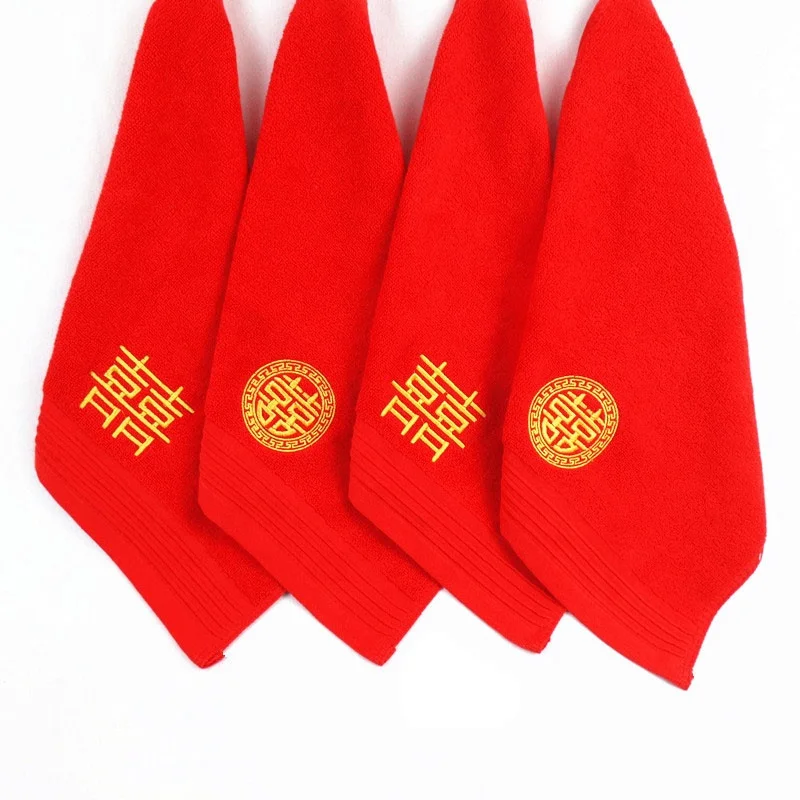
Various designs are expressed through embroidery.
We can also produce it according to your request.
We can also produce it according to your request.
The designs below are just examples.
We have many other designs, so please contact us.


Product Details


specification
Fabric: 100% cotton
Size: Approx. 33cm x 95cm
Dyeing technique: Chu-sen dyeing
Made in Japan
About nugoo
All processes are done by hand
In fact, it is packed with more than enough artisanal techniques and processes than you would expect for casual use. We will explain the process from gluing the stencil to the fabric to drying and finishing. We will introduce the "Chu-sen process," which is carried out by skilled craftsmen.
nugoo
In fact, it is packed with more than enough artisanal techniques and processes than you would expect for casual use. We will explain the process from gluing the stencil to the fabric to drying and finishing. We will introduce the "Chu-sen process," which is carried out by skilled craftsmen.

01-Mold engraving
The stencils required for Chusen dyeing are "Ise stencils," made using traditional methods, and are carved by experienced stencil engravers while imagining how the finished dyed item will look.

02-Mold engraving tools
To express the blurred look of the brush strokes, it is necessary to use the blade with the same suppleness as when using a paintbrush. Also, to carve into sharp edges or soft lines, a variety of tools are used.

03-Drilled stencil pattern
The warmth of craftsmanship has a huge impact on the finished product. The blade is cut at an angle to allow the dye to penetrate more easily, and the carving is made stronger or weaker depending on the pattern.

04-A dyeing factory that has remained unchanged since ancient times
The history of chusen dyeing is said to be 100 to 150 years old. Throughout those years, it has hardly been mechanized and has been protected as a traditional handicraft. And chusen dyeing factories have not changed in this way.

05-A small, rare Japanese bleached cloth
The "Wa-zarashi" yukata and tenugui cloths are made on a "narrow loom" that is rare in the world, and are 30cm to 40cm wide. The short ends are woven back and fixed, so the long sides can be left "uncut." This eliminates the need for edge sewing, dries quickly, and expands the possibilities for tenugui that can be cut freely and used as is.

06-Making glue
Mix seaweed paste and starch paste appropriately to make "resist dyeing paste" to create areas that will not be dyed in Japanese bleaching.

07-The "itaba" (board area) where the glue is applied
The finished dye-resistant paste is then applied to a "stencil" on top of the Z-folded Japanese bleached cloth, and the paste is applied with a spatula like a silk screen. This process is done carefully, piece by piece, and is very physically demanding work.

08-Itaba
After the base treatment is completed, I carefully apply the above-mentioned "resistance dyeing glue" to each piece of Japanese bleached paper. This process, called itaba, is called ``nori-oki.''

09-Dyeing shop "Kouya"
Once the plain bleached fabric has been applied with the glue, the next step is called "Kouya." The colors are poured into the areas that do not have the dye-resistant glue. The tool used is a kettle. This process is why the dye is called "posogi-zome" or "chu-sen."

10-Washing process
The washing process has been mechanized and automated to a small extent. Here, the resist paste and excess dye are removed. Until around 1975, this work was carried out in the river behind the factory. However, to prevent eutrophication of rivers and oceans, it is no longer carried out in the river.

11-Standing drying process
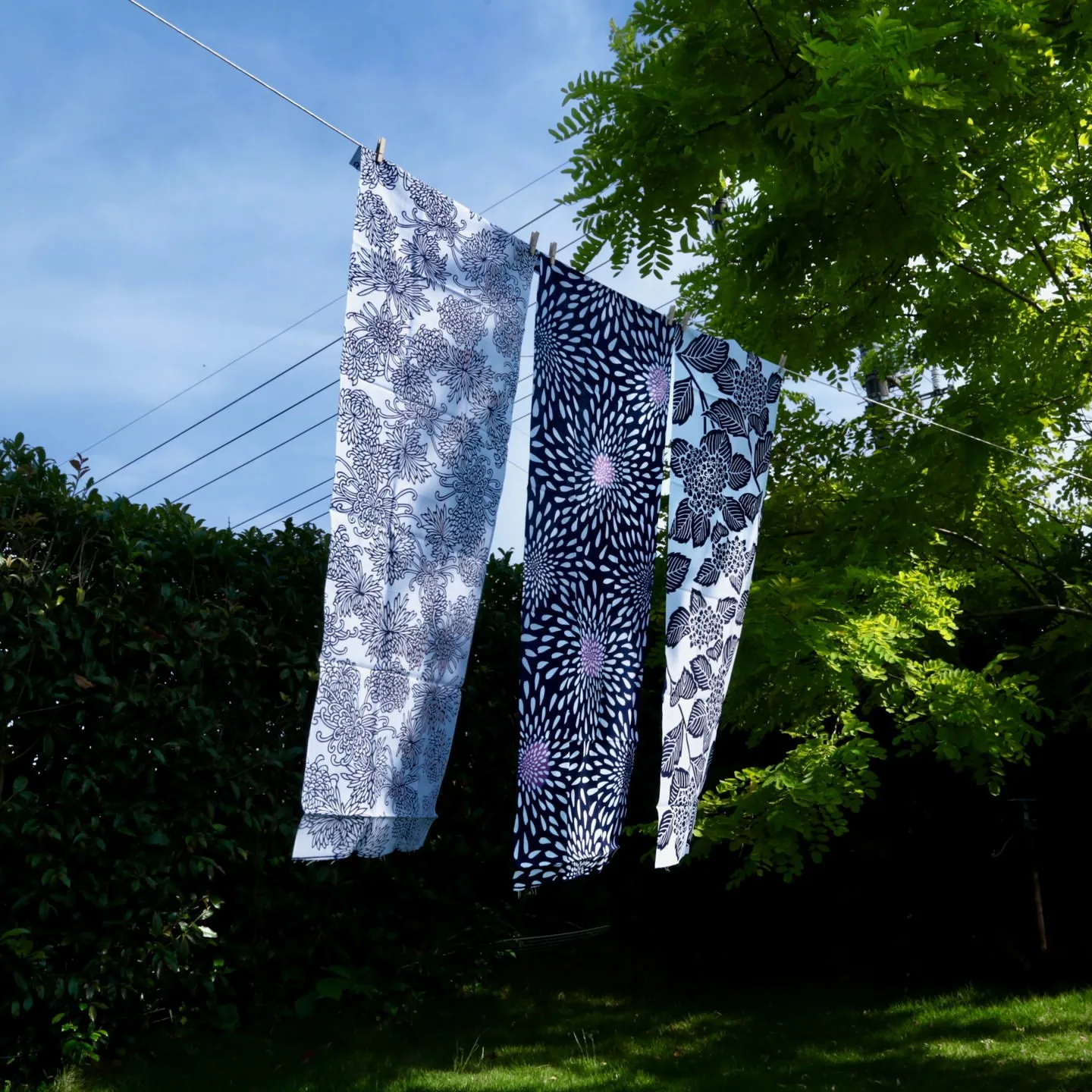
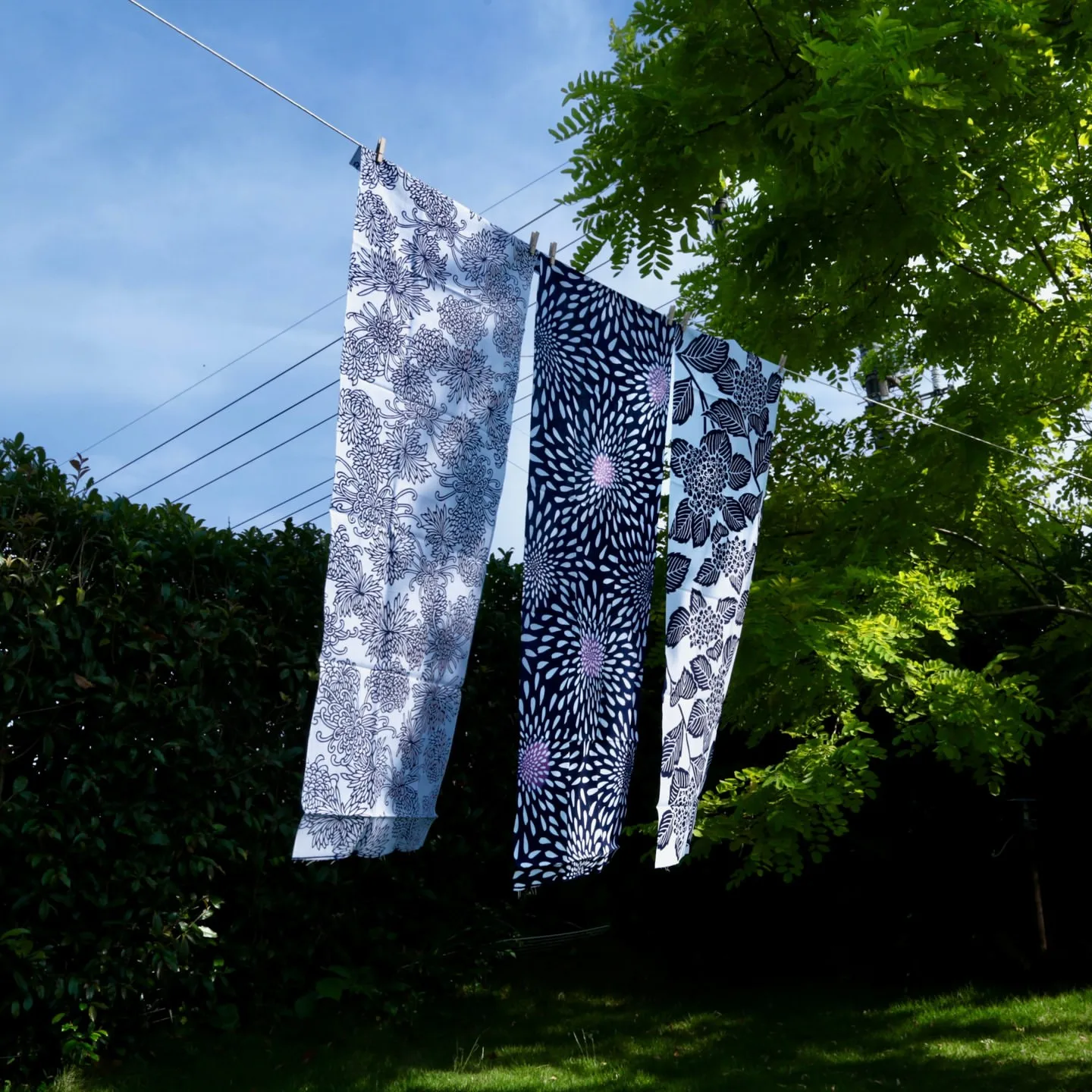
In the first drying process immediately after dyeing, the fabric is hung outside in the wind as much as possible (weather permitting). This was a typical scene at the Chusen factories, of which there were once around 100 in towns all over Japan. This method leaves the fabric lighter and softer to the touch than using a dryer.

12-Afterwards
After drying, the fabric is rolled up, organized, and cut into individual pieces. At the same time, it is inspected for quality for bleaching and dyeing, and defective products are removed. After that, it goes through a final process of light ironing, folding, obi sashing, and bagging before it is finally shipped as a finished product.
Our Story


Our Services

Order Process


Payment & delivery

FAQ
Q. Is it possible to make payments in a currency other than yen?
A. Payments can only be made in yen. However, our ordering website displays approximate prices in the desired foreign currency, so you may use that as a reference.
Q. What is the turnaround time from order to shipment?
A. The timeframe varies based on the order volume, but if we have stock available, orders can be shipped within 1-2 weeks at the earliest.
Q. Do you offer options other than EXWK?
A. We offer FOB. If you have other requests, please don't hesitate to reach out to us.
Q. Can payments be made after delivery?
A. Unfortunately, our company requires 100% pre-payment.
Company Information

We Recommend
New Arrivals
New products from manufacturers at wholesale prices