Create Budget Friendly Website For Your Gymnasium Business
- Category: >>>
- Supplier: Webcom Solution Infosystems Private Limited
Share on (10000018298715):
Product Overview
Description
Products Description
Brand Name | Webcom Solution |
Software Name | Website For Your Gymnasium Business |
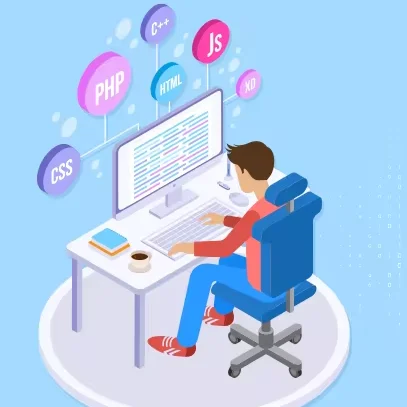
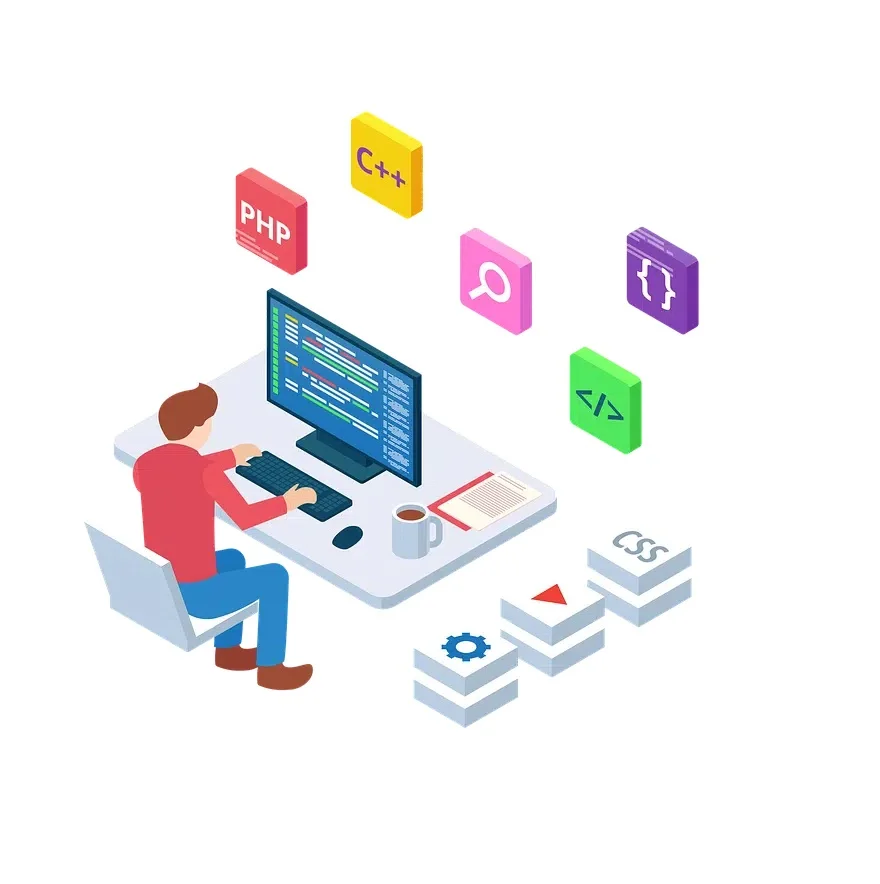
Creating a website for a gymnasium business involves a systematic approach to establish a compelling online presence that attracts new members, enhances member engagement, and promotes fitness services effectively. The process begins with thorough consultations to understand the gym's unique identity, target audience demographics, and specific business objectives. This initial phase is crucial for defining the website's scope, functionalities, and design requirements. Following the consultation, the website planning and design phase commences. Designers create wireframes and mockups to outline the website's structure, user interface (UI), and user experience (UX). The design typically focuses on showcasing gym facilities, fitness programs, trainer profiles, and membership options in a visually appealing and intuitive layout. Emphasis is placed on easy navigation, clear calls-to-action for membership inquiries and class bookings, and responsive design to ensure optimal viewing across desktops, tablets, and mobile devices. Once the design is approved, developers begin building the website using appropriate technologies such as content management systems (CMS) like WordPress, custom PHP frameworks, or other tools suited to the gym's specific needs. Functionality integration includes features like online class scheduling and booking systems, membership registration and management portals, e-commerce capabilities for selling gym merchandise or supplements, and integration of social media platforms for community engagement. Extensive testing follows the development phase to ensure all functionalities work seamlessly. Testing encompasses functionality checks, performance optimization to enhance loading speeds and responsiveness, security audits to safeguard user data and transactions, and compatibility testing across multiple browsers and devices. Upon successful testing and client approval, the website is launched. Launch activities include setting up hosting services, configuring domain settings, implementing SSL certificates for secure transactions, and deploying the website live. Post-launch support is provided to address any immediate issues, train gym staff on managing website content and member interactions, and ensure ongoing maintenance and security updates. Continuous optimization and marketing efforts are key to maximizing the website's effectiveness. This involves monitoring website analytics to track visitor behavior, refining SEO strategies to improve search engine rankings, updating content to reflect current offerings and promotions, and leveraging digital marketing channels to attract new members and retain existing ones. In conclusion, building a website for a gymnasium business requires a coordinated effort across consultation, design, development, testing, launch, and ongoing maintenance phases. The goal is to create a dynamic online platform that enhances the gym's visibility, engages members, and supports business growth in the competitive fitness industry.


Company Profile

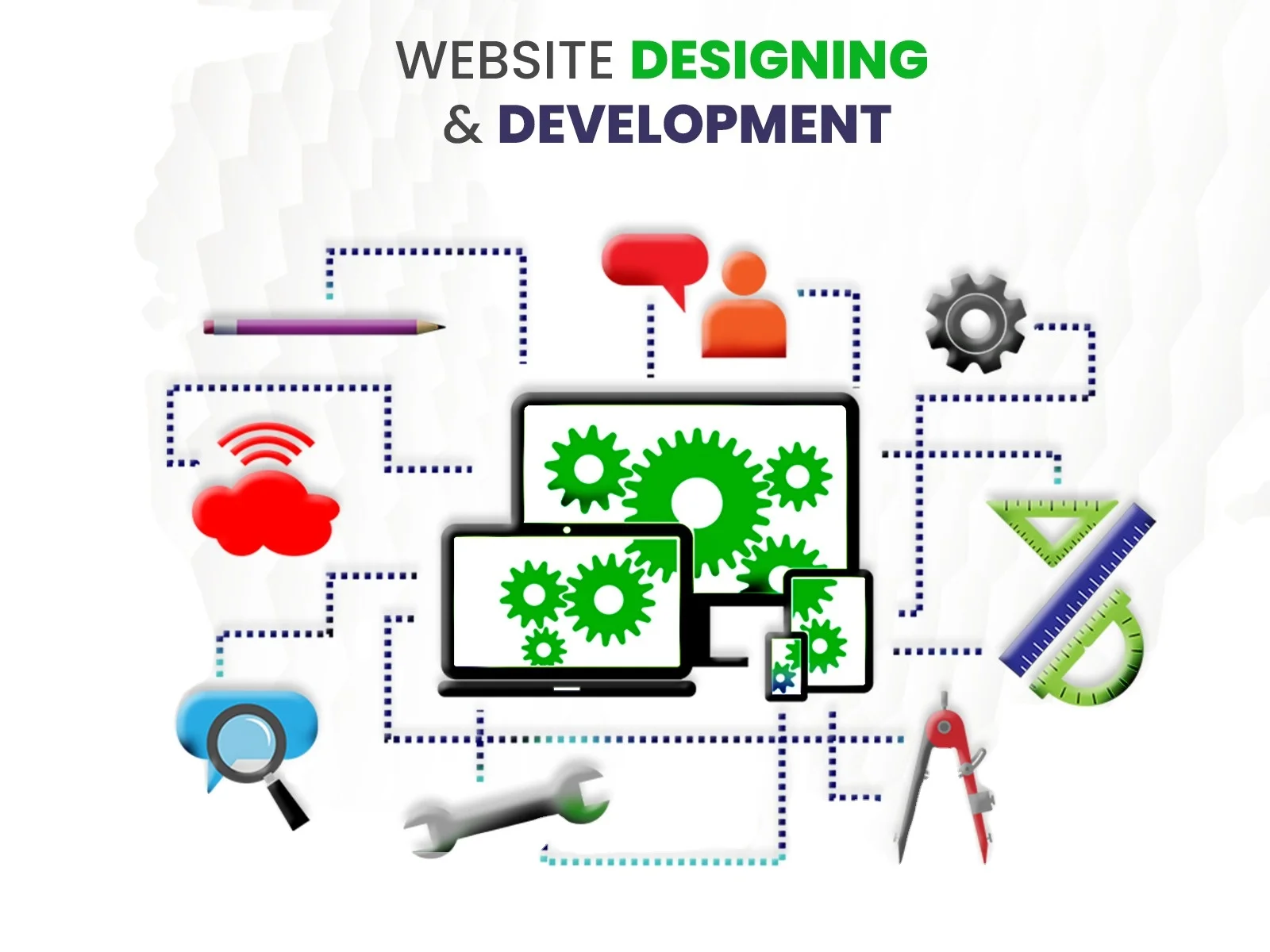
WEBCOM SOLUTION INFOSYSTEMS PVT. LTD. is an IT company in the vertical of Web Site Design and Development. We provide complete web solutions, designing, programming of your website in desired language i.e PHP OR ASP, and testing and server setup. Our designed websites are scalable and flexible on the same time.
Our goal is to make effective use of the internet to deliver expert solution for small, medium and large industries in minimum possible price. For this skillful task and to provide the best work in the industry we are having team of skillful designers and developers, who not only are in the process of designing/development but also enchasing their knowledge in guidance of Senior members to deliver the product efficiently, effectively, as per your taste and as per latest trends.
We can develop complex to complex solution with ease. Our Approach, dedication and work capabilities to effective implementation the solution will make you happy to enjoy the good business with good result and profits.
We delivers full range of application development, customized software solutions, web development, web designing services, ecommerce based solutions and search engine MARKETING services. Our experienced professionals help to save your valuable time and reduce costs on system design and technological issues.
Our Advantages
We Deliver More in Every Aspect of your Business
We believe in excellence in execution of every task, whether it is a small assignment or a large global campaign. We have a rich portfolio of 3000+ customer, many of whom stayed with us and for whom we provided website designing, development, and digital marketing services and achieved business goals by using original ideas with proven practices on time and within the budget.
FAQ
1.How much does a website cost?
Price depends on your requirements. After knowing your requirements like – How many pages do you want in the website, do you want a customized website or a template based, do you want an ecommerce website to sell products online or a business website with enquiry form, do you want a website with keyword optimization for SEO or not. Please get in touch for a free quote.
2.How long does it take to build a website?
Often, we are asked this question and unfortunately the answer is: it varies. However, we have defined time of web designing packages for corporate websites & ecommerce websites as per the number of pages and features in the website – View Our Web Design Packages. Generally, business websites take 4 weeks to 6 weeks time for a website ranging from 10 products/services categories to 100 categories.
3.Can you work on my existing website built by another company?
Sure. But, before that we need to have a chat to know the technology your website has been built on and what’s your requirements. If your website is on PHP or CI, we will surely work on your existing website
.
4.What can you buy from us?
SEO, website design, Ecommerce website design, Mobile app development, software development
5.Why should you buy from us not from other suppliers?
We are experienced web development company. We will definitely help you to fulfill your Website requirements at the lowest price.
Contact Us
COMPANY | WEBCOM SOLUTION INFOSYSTEMS PVT. LTD. |
CALL US | +91-991-584-4555 +91-956-907-1155 0172-4602328 |
WEBSITE | info@webcomsolution.com |
EMAIL | webcomsolution@gmail.com |
REACH US | SCO-7, 2nd Floor, Sector-119, Balongi, Mohali - 160055, Punjab, India. |
We Recommend




New Arrivals
New products from manufacturers at wholesale prices