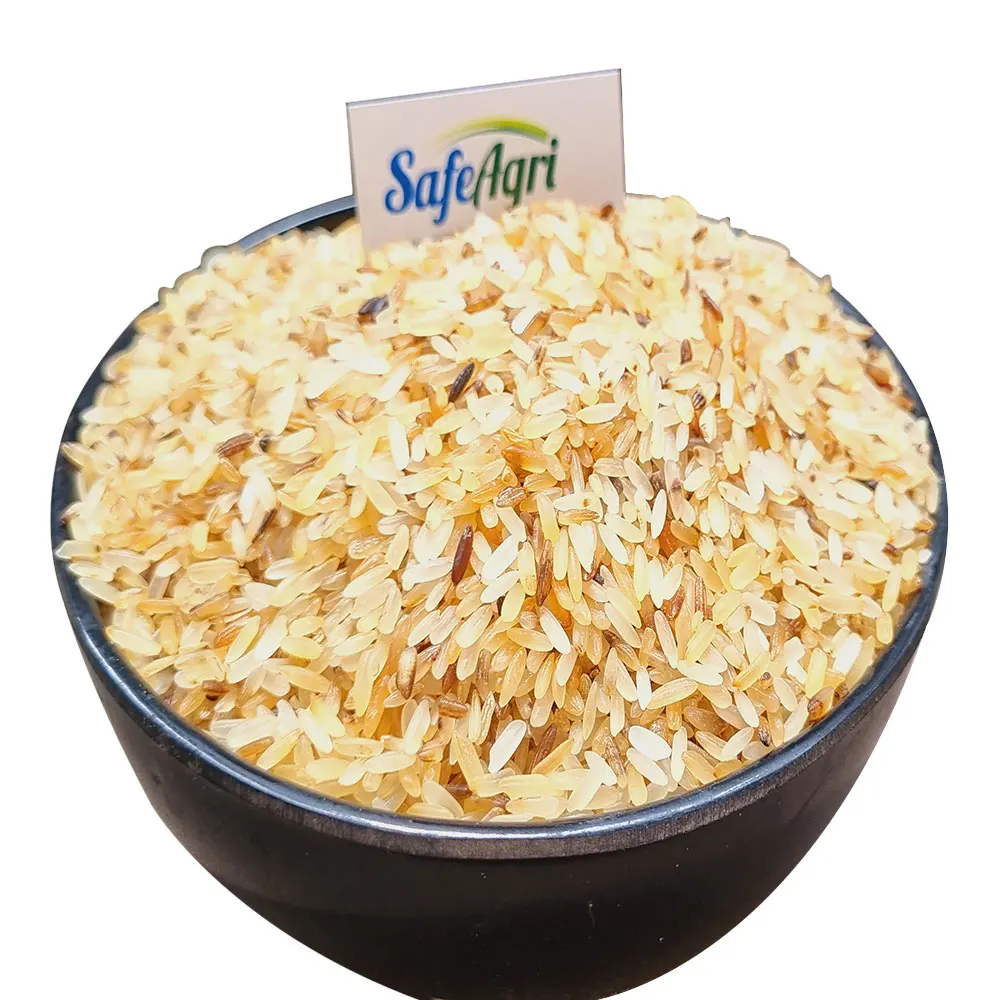
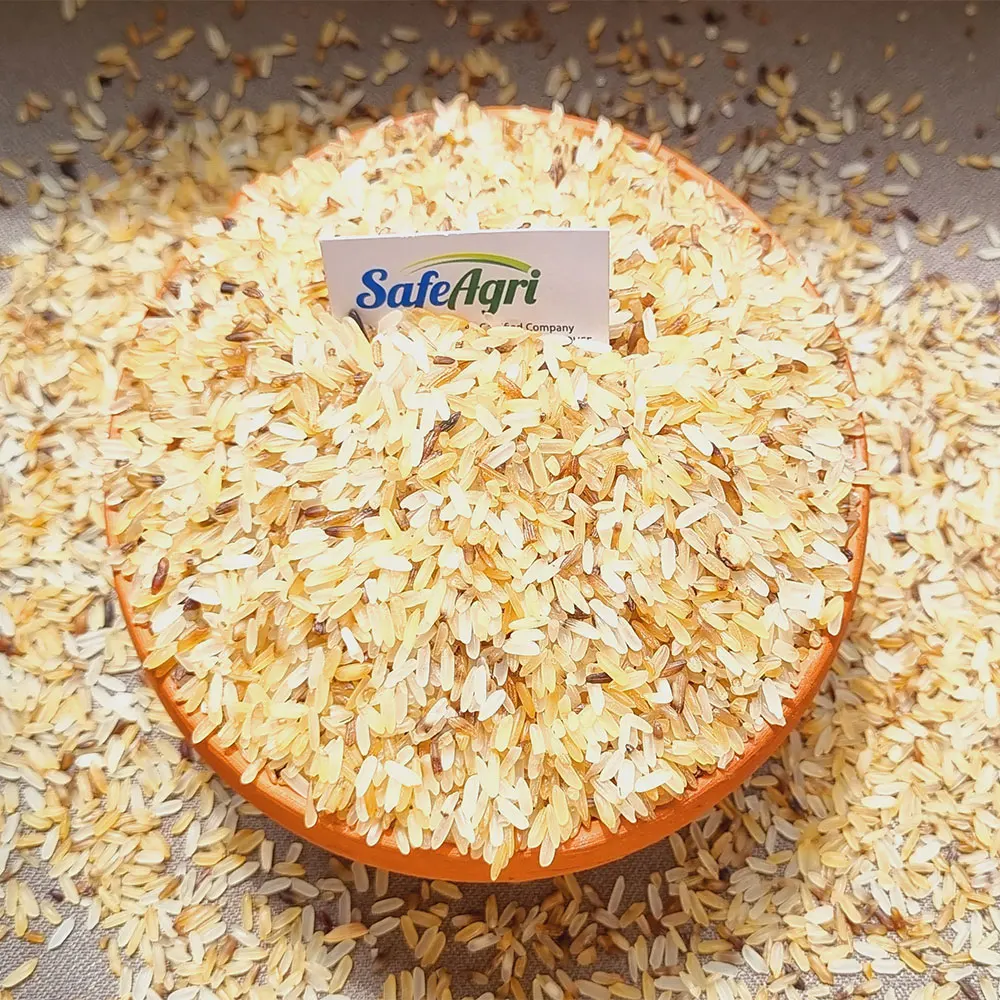
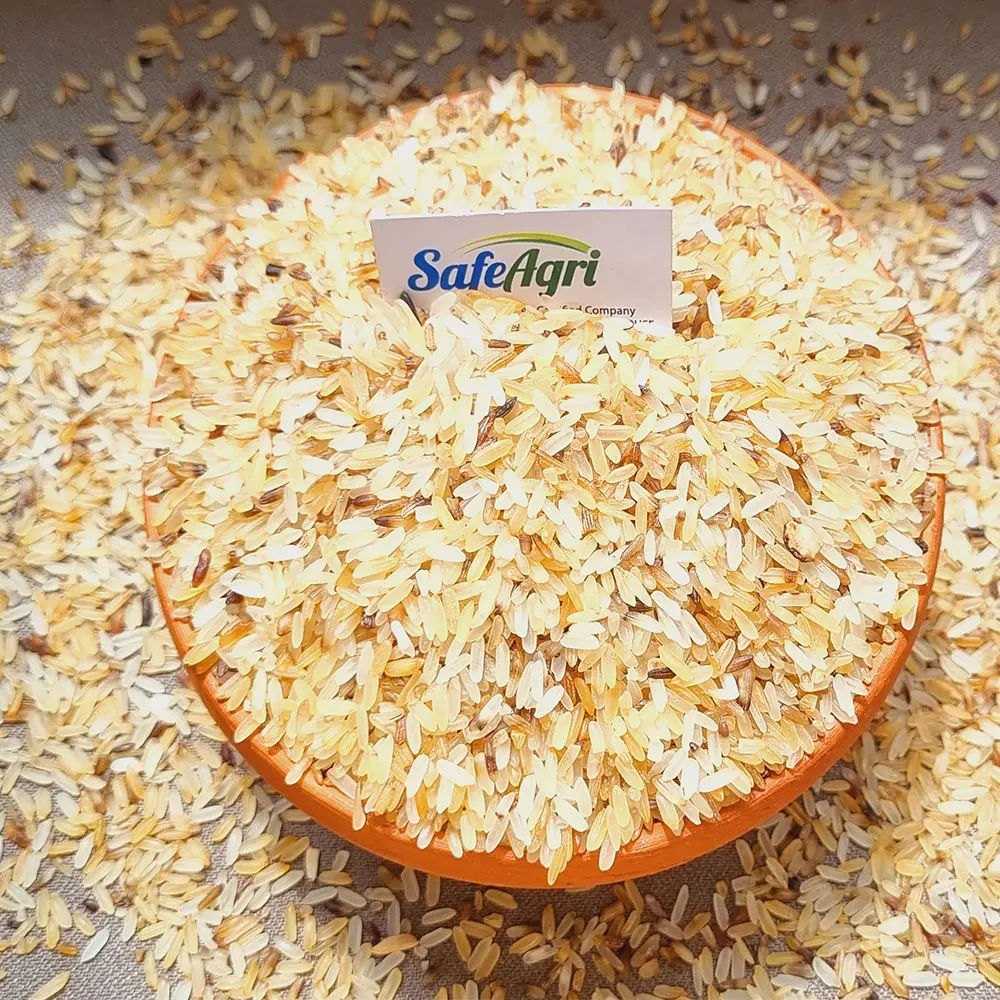
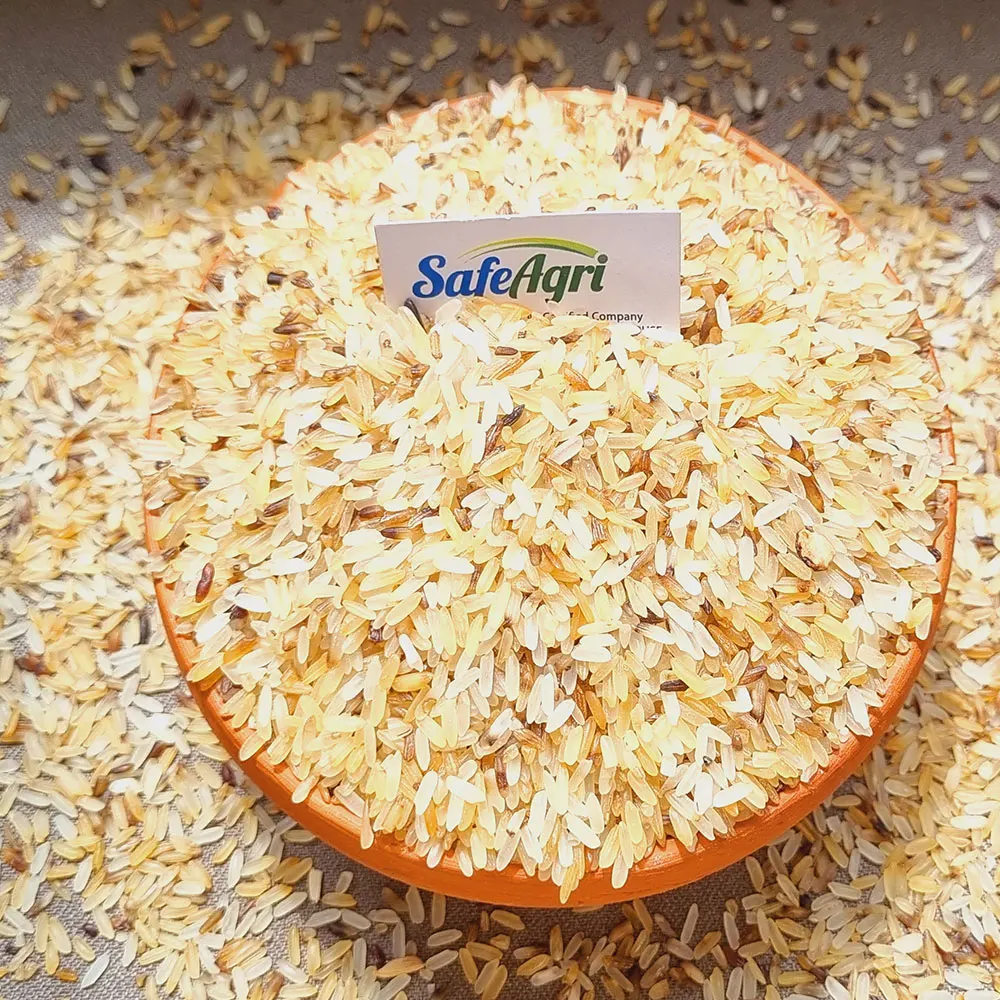
Nutri Grain Dried Animal Feed for Fish Dogs Pig Cattle Horse Includes Broken Rice Grains Discolored Kernels Minor Impurities
- Category: >>>
- Supplier: SAFE AGRITRADE PRIVATE LIMITED
Share on (10000019559171):
Product Overview
Description

Safe Agritrade Private Limited is one of the leading processors and exporters of Rice, 1121 Basmati Rice, Tamarind fresh and tamarind paste (SHIP BRAND), Chickpeas, Coffee Beans, ICUMSA Sugar, Zedoary Roots, and sesame seeds in Eastern India, serving the customer needs for more than three decades. We have adopted a customer-centric lens to understand the needs of our customers. Our three motto reflect our core values & form the basis of our mission statement, which are:
1. Quality First.
2. Customer Satisfaction.
3. Research & Development Efforts We have a completely automated & state-of-the-art manufacturing facility.
We have in-house R&D lab, which provides us with the opportunity for continuous innovation. Our core competence is derived from the internal strength of deep industry & innovation knowledge resources & efficiency. It has been engaged in commodity buying and selling to fulfill its customer's requirements. Armed with an excellent procurement network & arrangements with farmers and/or aggregators, coupled with the best possible logistics solutions, we are supplying our customers with the best quality products at the most reasonable price and transit time. We Process and supply Tamarind & Tamarind Paste (ship brand), non-basmati (IR64, IR 36, Swarna rice, Round Rice, Sona masoori rice, Parmal rice, IR8 RICE, Kranti rice), Camolino rice, Sesame seed, Refined sugar, Coffee beans, Zedoary Roots, Chickpeas, etc. With our wide range of good-quality products and reasonable prices, our spices are well accepted in the international agro-trading community. We have implemented a strict and complete quality control system, which ensures that each shipment of our products can meet the quality requirements of our customers. All of our products are strictly inspected before shipment & adhere to client specifications. We have made a good reputation in this field, & our products have always received good feedback from our customer, So we are looking forward to establishing good business relationship with your
esteemed organization and provide with the best quote and quality available in the Indian market. Most of our products are Halal-certified and ISO 22000-certified. Our Objective: Through our businesses, services, and products, we aim to provide our customers with health, excitement, and comfort.
Rejection Rice from Safe Agritrade
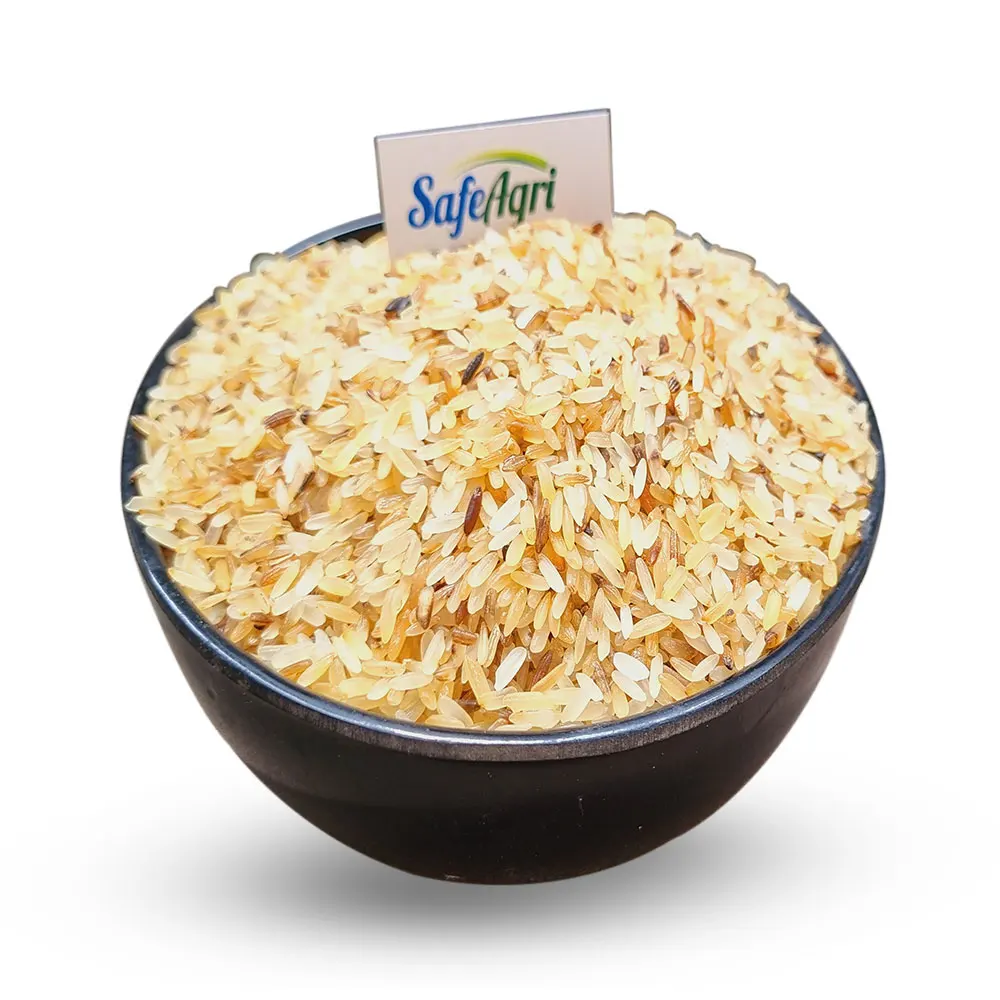
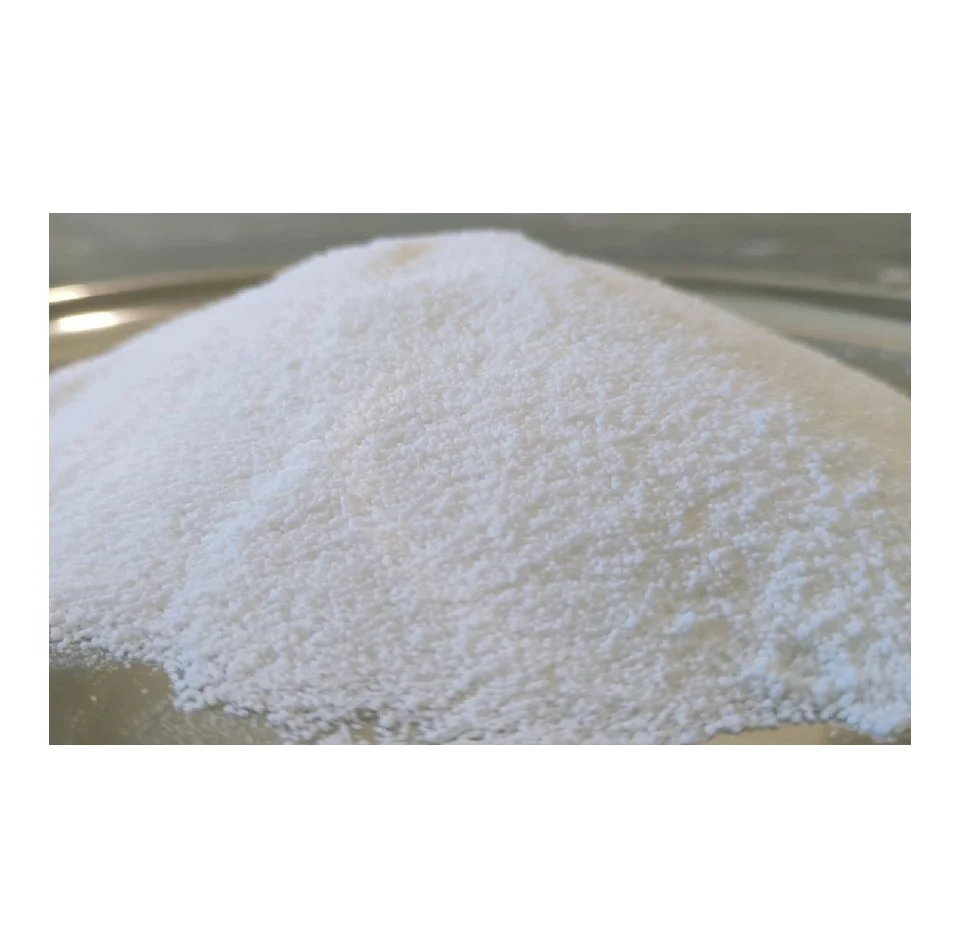
Rejection rice refers to rice grains that are considered substandard or do not meet the quality standards for consumption or sale in the premium market. These grains might be rejected due to various reasons, including size, shape, color, or the presence of impurities. Despite being classified as lower quality, rejection rice can still be utilized for various purposes, depending on the level of rejection and the intended use.
Rejection rice, often referred to as "low-grade rice" or "substandard rice," is a type of rice that does not meet the quality standards for human consumption due to various reasons such as imperfections, discoloration, or minor defects. Despite its unsuitability for direct human consumption, rejection rice holds significant value in the agricultural sector, primarily as animal feed.
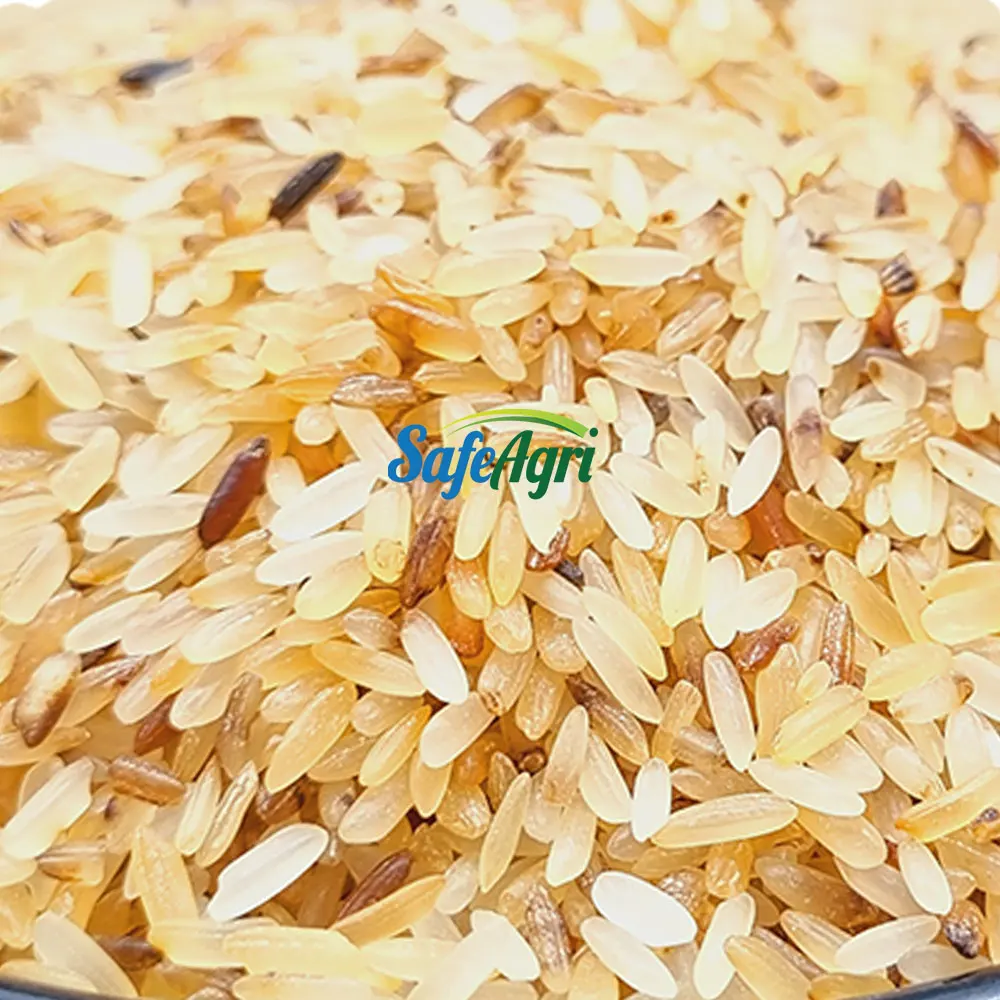
Rejection rice is typically derived from rice milling operations, where a portion of the harvested rice is separated based on its quality. This rice may include broken grains, discolored kernels, or grains with minor impurities. The classification of rice as rejection or low-grade is often determined by strict grading standards that prioritize uniformity, size, and appearance. However, the nutritional content of rejection rice remains relatively intact compared to higher-grade rice.
Rejection rice is a good source of essential nutrients for animals. It contains a substantial amount of carbohydrates, which provide energy, as well as proteins, vitamins, and minerals. The nutritional composition of rejection rice is similar to that of standard rice, though it may vary slightly depending on the extent of damage or impurity. For livestock, such as cattle, poultry, and pigs, the energy and protein content of rejection rice can support growth, maintenance, and overall health.
Specifications:
Grain Quality:
Broken Grains: Typically, there is a high percentage of broken grains (more than 25%).
Discoloration: May have discoloration or inconsistent grain color.
Chalkiness: higher levels of chalkiness compared to standard-grade rice.
Foreign Matter: The presence of foreign materials such as stones, husks, or other impurities.
Moisture Content:
Higher Moisture: May exceed the standard moisture content for consumable rice (usually above 14%), which can affect shelf life and storage.
Size and shape:
Inconsistent Size: Grain size and shape may be irregular and not uniform, deviating from the standard grading for marketable rice.
Nutritional Specifications for Rejection Rice (per 100 g)
Energy: Approximately 340–360 kcal
Carbohydrates: 75-80g
Starch & Chalky Grain: Primarily starch, but with potentially lower digestibility due to higher levels of broken and chalky grains.
Protein: 6-7g
Fats: 0.5-1.5g
Dietary Fiber: 1-2g
Vitamins:
Vitamin B1 (Thiamine): 0.07-0.12mg
Vitamin B2 (Riboflavin): 0.02-0.04 mg
Niacin: 1.5-2.5mg
Folate: 2-5mcg
Minerals:
Iron: 0.5-1.5mg
Magnesium: 20-30mg
Phosphorus: 90-150mg
Potassium: 70-100mg
Sodium: 0-10mg
Energy: Approximately 340–360 kcal
Carbohydrates: 75-80g
Starch & Chalky Grain: Primarily starch, but with potentially lower digestibility due to higher levels of broken and chalky grains.
Protein: 6-7g
Fats: 0.5-1.5g
Dietary Fiber: 1-2g
Vitamins:
Vitamin B1 (Thiamine): 0.07-0.12mg
Vitamin B2 (Riboflavin): 0.02-0.04 mg
Niacin: 1.5-2.5mg
Folate: 2-5mcg
Minerals:
Iron: 0.5-1.5mg
Magnesium: 20-30mg
Phosphorus: 90-150mg
Potassium: 70-100mg
Sodium: 0-10mg
Usage:
Applications in Animal Feed:
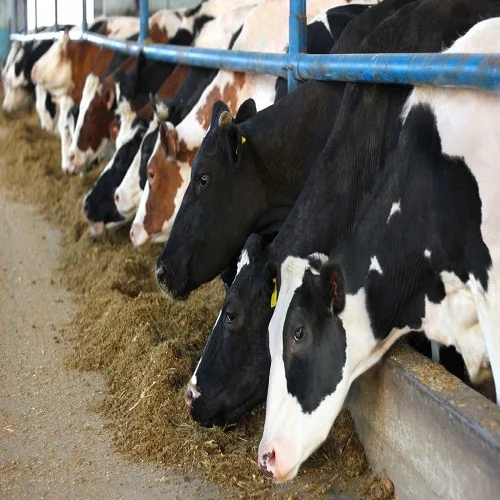
Cattle Feed: Rejection rice is commonly used in cattle feed due to its high carbohydrate content.
which helps in providing the necessary energy for milk production and growth. It can be mixed with other feed ingredients to
create a balanced diet for dairy and beef cattle.
which helps in providing the necessary energy for milk production and growth. It can be mixed with other feed ingredients to
create a balanced diet for dairy and beef cattle.
Poultry Feed: For poultry, rejection rice serves as an energy source and can be
included in feed formulations for broilers, layers, and turkeys. Its inclusion helps improve the overall efficiency of feed
conversion and supports optimal growth and egg production.
included in feed formulations for broilers, layers, and turkeys. Its inclusion helps improve the overall efficiency of feed
conversion and supports optimal growth and egg production.
Pig Feed: In pig farming, rejection rice is used to supplement feed
rations. It provides a cost-effective energy source and can be particularly useful in reducing feed costs while maintaining
adequate nutrition for pigs at various growth stages.
Poultry Feed: Rejection rice can be processed and used as a component of poultry feed. It provides a good source of carbohydrates
and energy, which are essential for the growth and production of poultry.
rations. It provides a cost-effective energy source and can be particularly useful in reducing feed costs while maintaining
adequate nutrition for pigs at various growth stages.
Poultry Feed: Rejection rice can be processed and used as a component of poultry feed. It provides a good source of carbohydrates
and energy, which are essential for the growth and production of poultry.
Livestock Feed: Cattle, pigs, and other livestock can
also consume rejection rice. It can be mixed with other feed components to create a balanced diet for these animals.
also consume rejection rice. It can be mixed with other feed components to create a balanced diet for these animals.
Aquaculture Feed: In aquaculture, rejection rice can be used as an ingredient in the feed for fish and other aquatic animals. It serves as a
cost-effective carbohydrate source in fish feed formulations.
cost-effective carbohydrate source in fish feed formulations.
Pet Food: In some cases, rejection rice may be used in the
production of pet food, particularly for dogs and cats. It is often used as a filler or as part of a grain-based diet for pets.
Wildlife Feeding: Rejection rice can also be used in feeding programs for wild birds and other wildlife. It can be scattered in
areas where wild animals are known to forage, providing them with an additional food source.
production of pet food, particularly for dogs and cats. It is often used as a filler or as part of a grain-based diet for pets.
Wildlife Feeding: Rejection rice can also be used in feeding programs for wild birds and other wildlife. It can be scattered in
areas where wild animals are known to forage, providing them with an additional food source.
Animal Feed: Commonly repurposed for use in animal feed. Industrial Uses: Sometimes used in industries for products where appearance and minor contamination are less critical. Reprocessing: In some cases, it can be reprocessed to remove
contaminants or broken grains for secondary markets.
contaminants or broken grains for secondary markets.
Industrial Uses
Biofuel: Rice, including lower-quality grains, can be used in the production of biofuels.
Adhesives: Rice starch derived from lower-quality rice can be used in making adhesives or biodegradable plastics.
Biofuel: Rice, including lower-quality grains, can be used in the production of biofuels.
Adhesives: Rice starch derived from lower-quality rice can be used in making adhesives or biodegradable plastics.
Packaging: Bulk packaging Usually sold in bulk, often in large sacks or containers, rather than retail packaging,
The demand for rejection rice is generally lower than for premium rice, but it still has a market, particularly in regions where cost is a significant factor. It is often sold at a lower price and targeted towards consumers or industries that prioritize affordability over quality. The demand is influenced by economic conditions, the availability of higher-quality rice, and the specific needs of industries that can utilize lower-grade grains.
Major Import Markets: Nigeria, Kenya, Philippines, Ghana, Indonesia, Thailand, India, China, Pakistan, South Korea, Japan, Saudi Arabia, Vietnam, Bangladesh and Myanmar

Storagr Type | Dry Cleaned and Cool Place |
Appearance | Brown to dark brown, Black |
Ingredients | Rejection Rice |
Content | Animal Feed |
Instructions for use | High-protein feed for livestock, including cattle, poultry, swine, and fish. |
Moisture | 12-14% Max |
Broken Grains | 25% Max |
Discoloration | May have discoloration or inconsistent grain color |
Chalkiness | higher levels of chalkiness compared to standard-grade rice |
Foreign Matter | The presence of foreign materials such as stones, husks, or other impurities |
Inconsistent Size | Grain size and shape may be irregular and not uniform, deviating from the standard grading for marketable rice |
Energy | 340-360 kcal |
Carbohydrates | 75-80g |
Protein | 6-7g |
Fats | 0.5-1.5g |


According to the needs of the client, we often load in 5kg, 10kg, 15kg, 20kg, 25kg, 35kg, and 50kg. For some particular clients, we pack in 1 kg increments.


We Recommend
New Arrivals
New products from manufacturers at wholesale prices