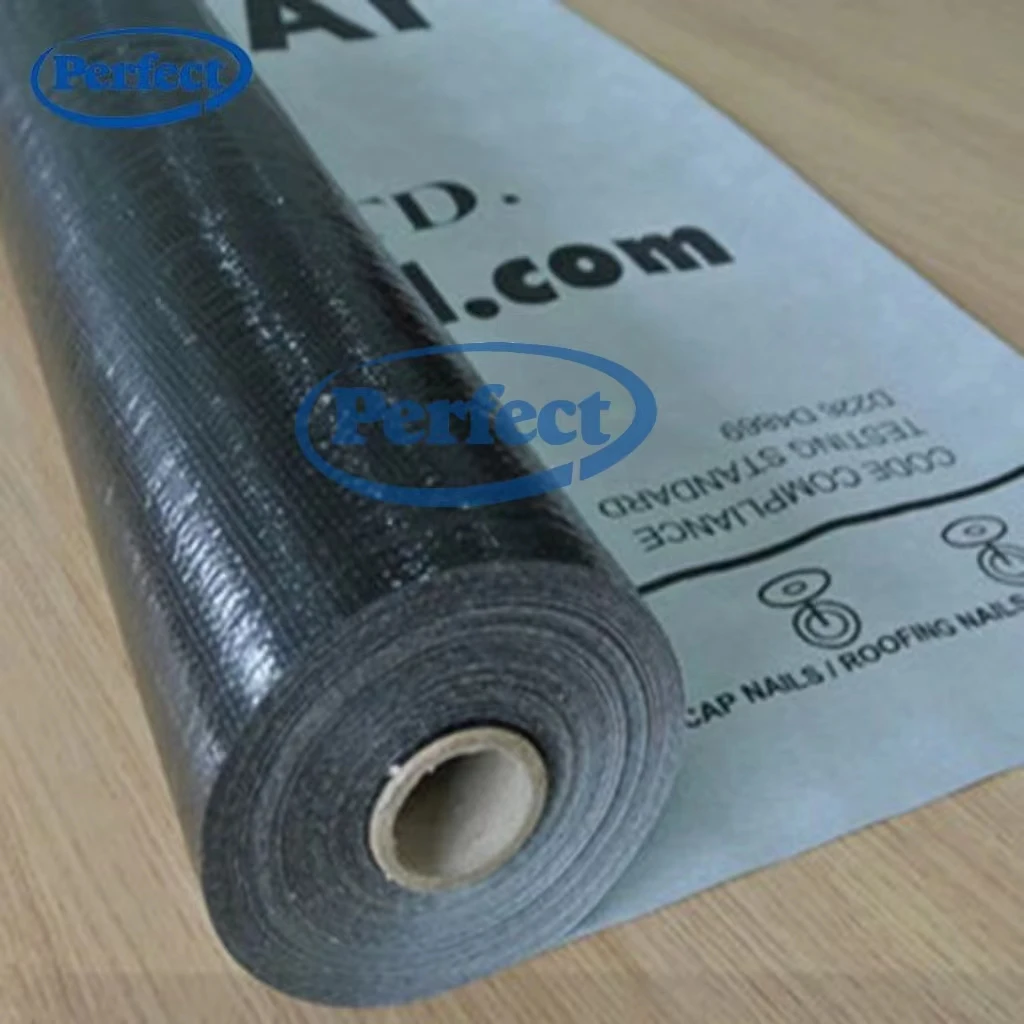
OEM ODM Synthetic Underlayment Breathable Roof Membrane Vapor Barrier roofing Underlayment
- Category: >>>
- Supplier: Shandong Perfect Corporation
Share on (10000021220874):
Product Overview
Description

Product Description
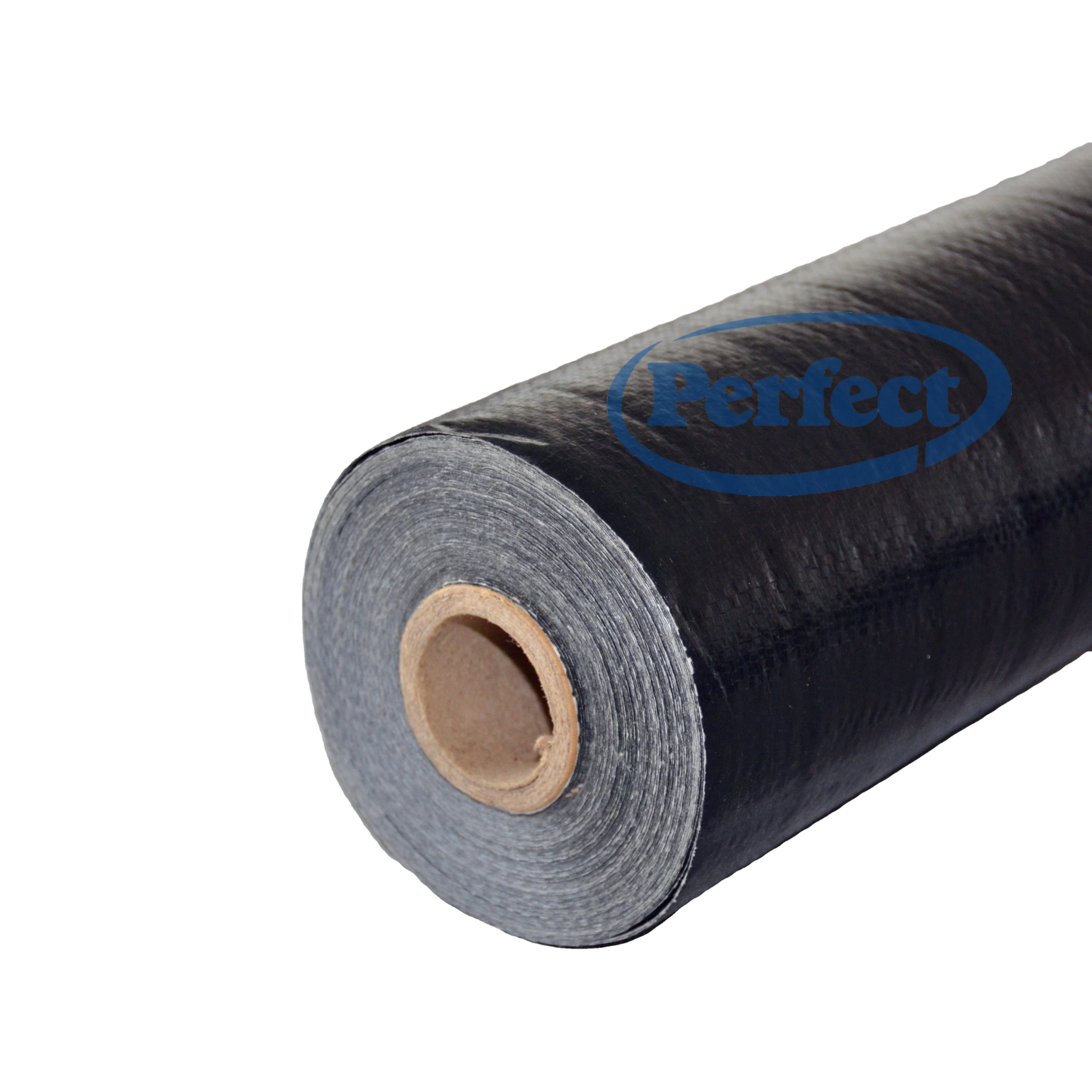
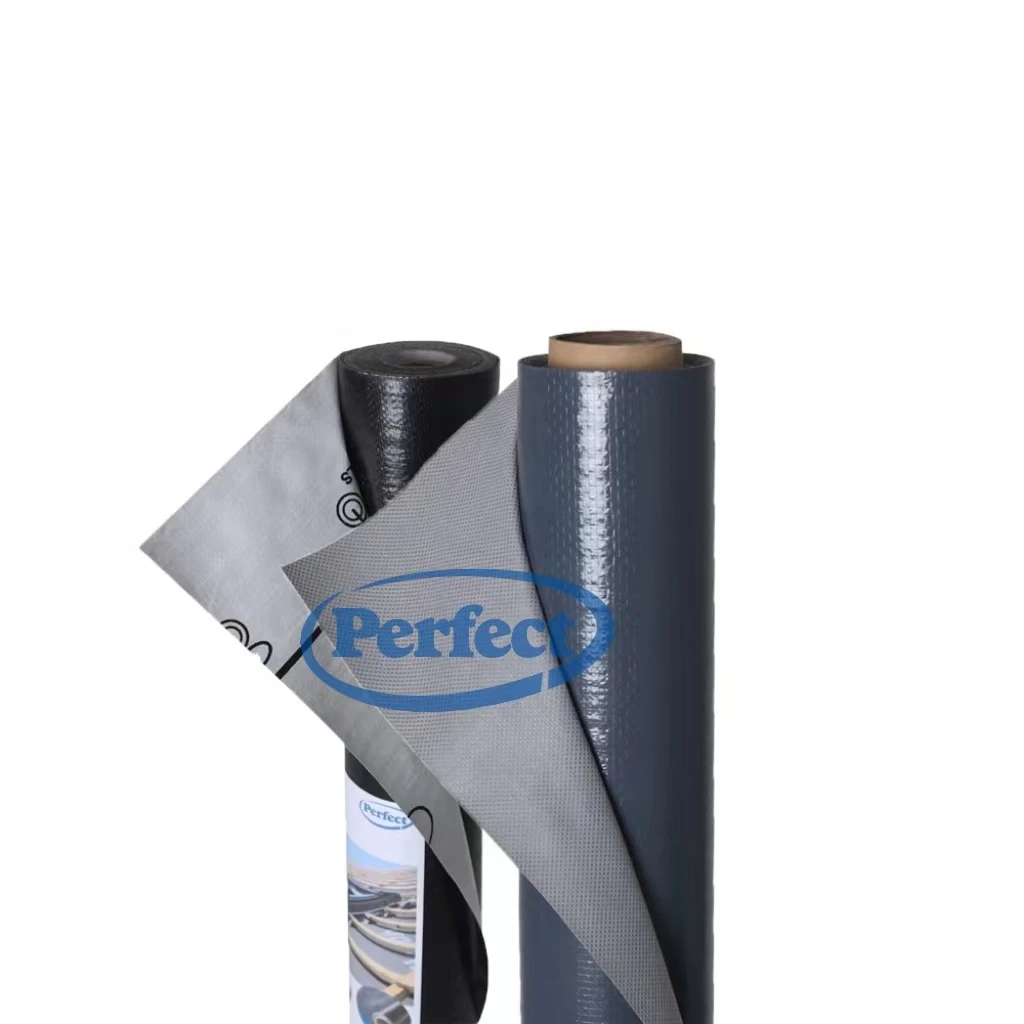
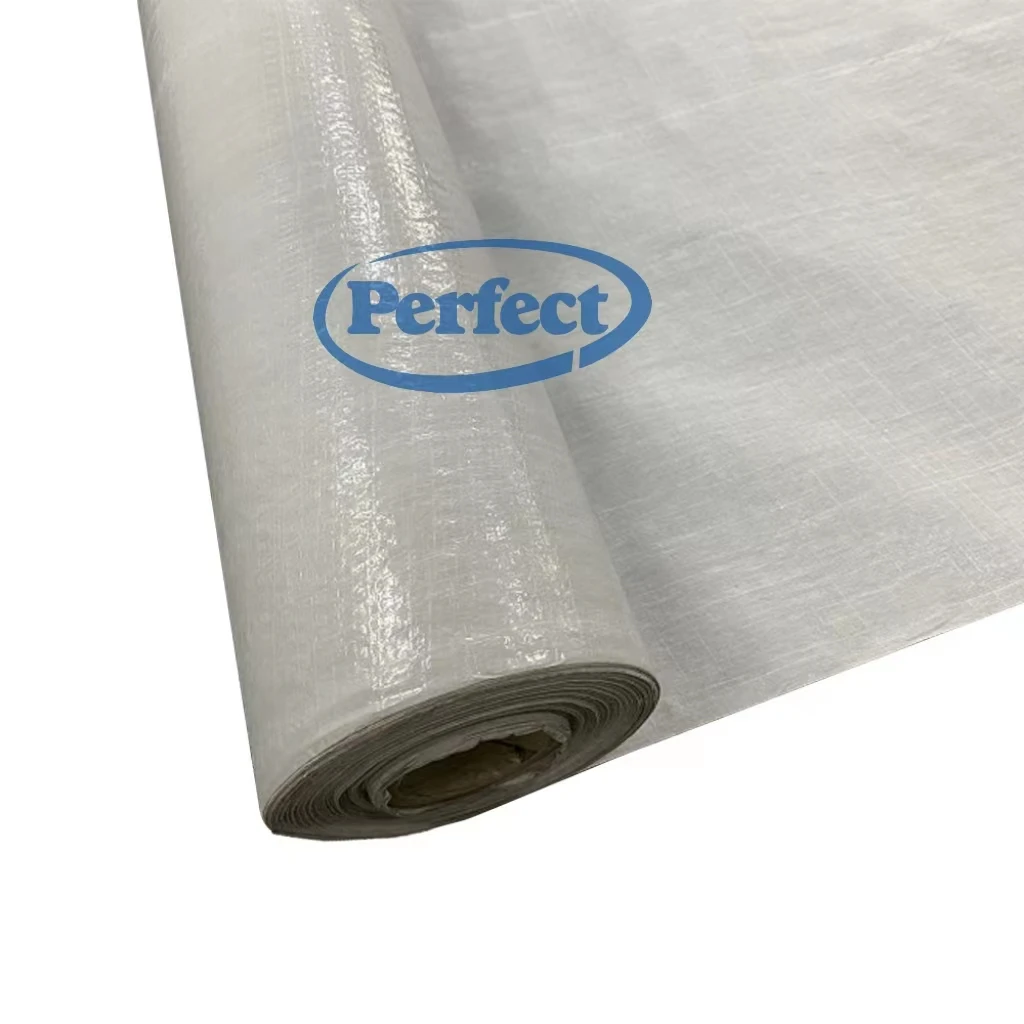
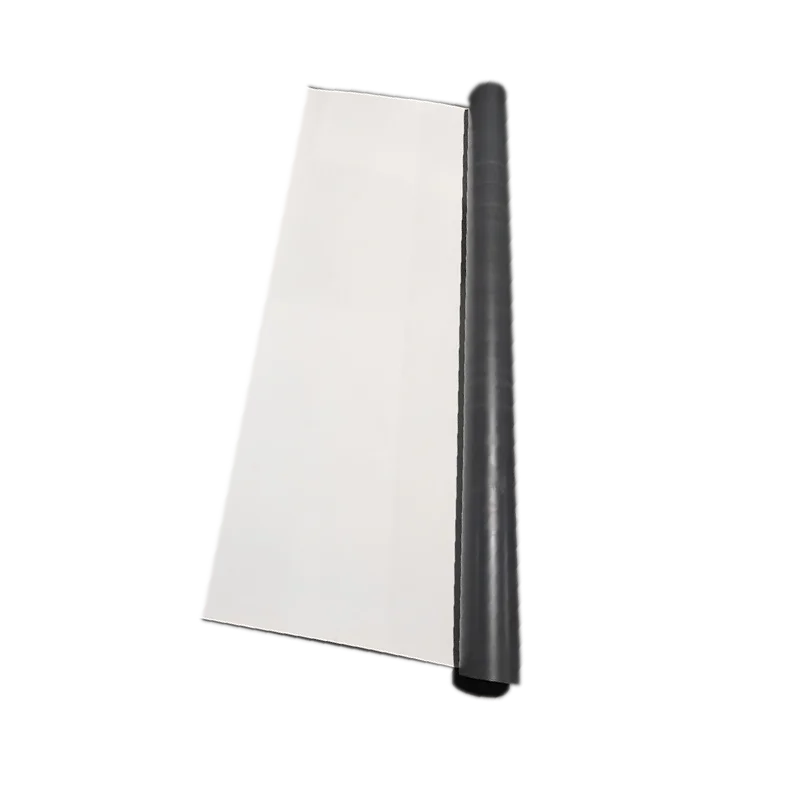
OPERFECT™ Synthetic Roofing Underlayment
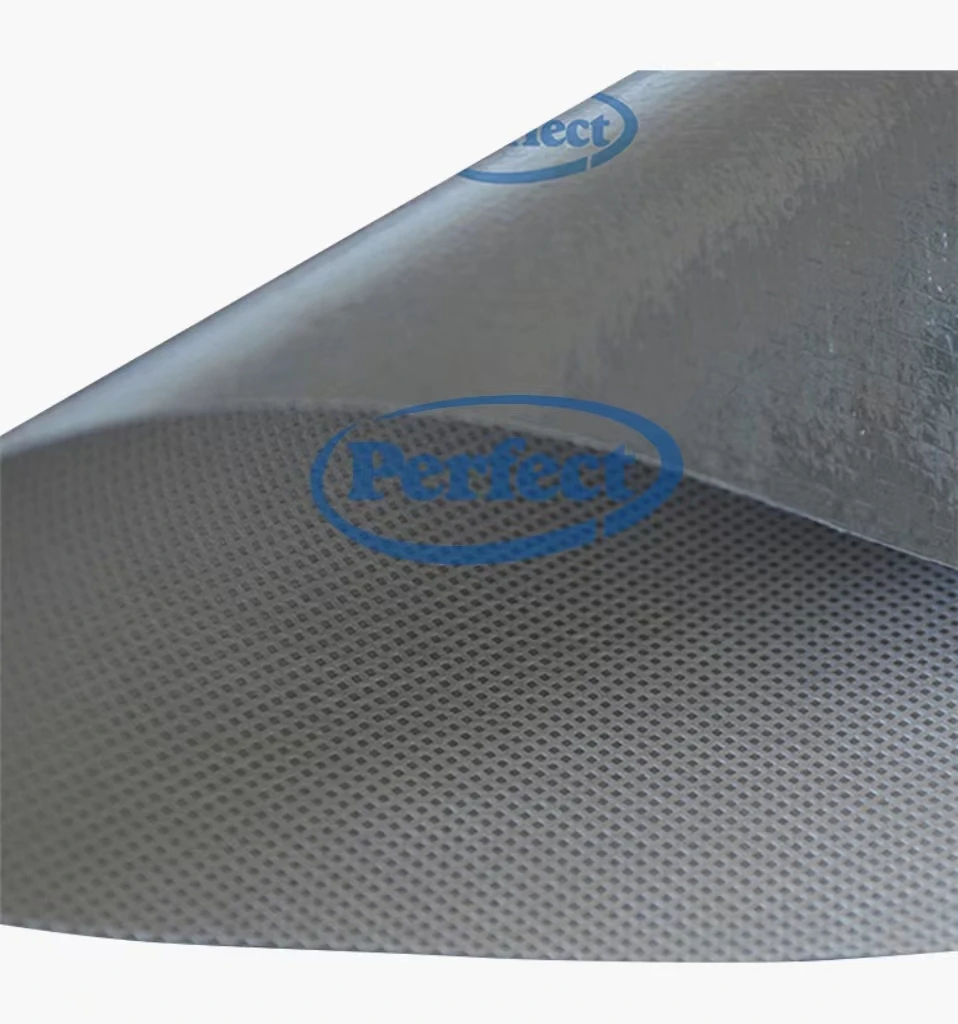
OPERFECT™ Synthetic Roofing Underlayment is an excellent 100% synthetic roofing felt designed for the replacement of 15 lb/ 30lb asphalt felt.
OPERFECT™ Synthetic Underlayment helps seal your home against water damage and other moisture infiltration which can cause mold growth and rotting deck boards. Operfect™ Synthetic Underlayment is up to 2 times stronger than competitive synthetic underlayments and offers excellent wind resistance and durability through heavy roof traffic and adverse weather conditions.
Specification
Test & Standard | 21lbs | 23lbs | 29lbs | 37lbs |
CLASS a Fire ASTM E108 | PASS | PASS | PASS | PASS |
Nail Sealability Modified ASTM D1970 | PASS | PASS | PASS | PASS |
Water Permeability ASTM E96 | No Dripping | No Dripping | No Dripping | No Dripping |
Water Transmission ASTM D4869 | PASS | PASS | PASS | PASS |
Tear Strength ASTM D4533 | MD 20 lbs CD 17 lbs | MD 15 lbs CD 17 lbs | MD 18 lbs CD 21 lbs | MD 57 lbs CD 45 lbs |
Tensile Strength ASTM D751 | MD 65 lbs CD 52 lbs | MD 80 lbs CD 65 lbs | MD 85 lbs CD 84 lbs | MD 115 lbs CD 128 lbs |
Elongation ASTM D751 | MD 19%/CD 18% | MD 19%/CD 18% | MD 18%/CD 18% | MD 19%/CD 19% |
There're also 19lbs, 20lbs, 22lbs, 25lbs, 30lbs, etc for your choice.
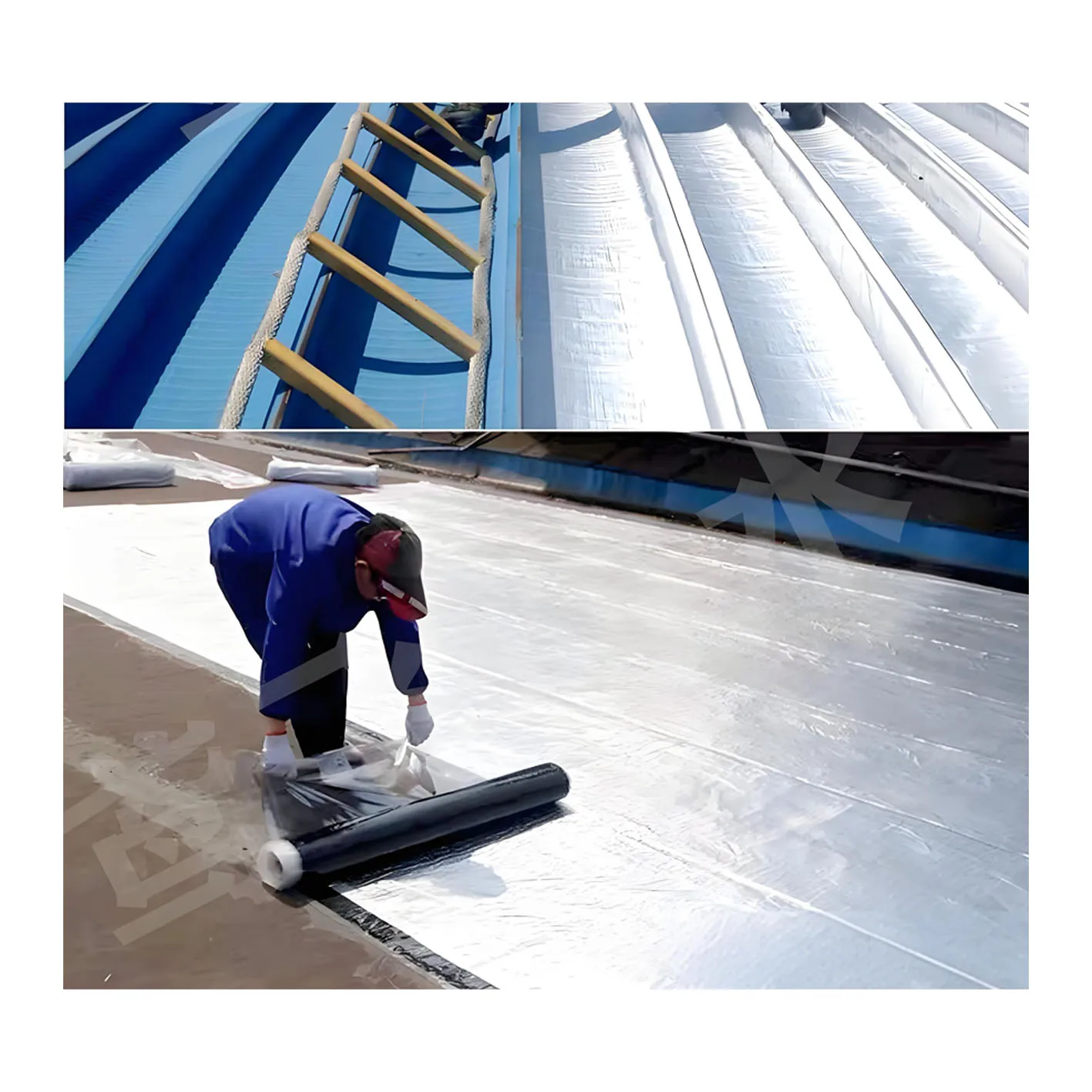
OPERFECT™ Synthetic roofing underlayment can be used for steep-slope roofing to provide a lasting layer of protection against wind-driven rain, shingle blow-offs, and damage caused by adverse weather conditions. It is designed to use under the wood decks, asphalt, synthetic shingles, residential metal, cedar shakes, etc.


1.It can meet or exceed all required building codes ASTM D226 Types I & II, ASTM D4869, CAN/CSA A123.3, CAN/CSA A220.1, CLASS A FIRE ASTM E108, CCRR 1028, AC188, Florida Building Code# FL20853, Texas Department of Insurance,Miami-Dade NOA 16-1510.30, etc.
2.This is an excellent 100% original plastic material synthetic roof underlayment designed to replace 15 lb/30 Ib asphalt felt.

The Perfect roof underlayments can be used in steep slope roofs, sloped roofs, and other environments to provide a long-lasting protective layer to prevent our roofs from being damaged by wind and rain, tiles blowing off, and bad weather conditions.

And Perfect roof underlay is also designed for use in environments such as wooden decks, asphalt, synthetic tiles, residential metal, cedar shakes, etc.

OPERFECT Synthetic Underlayment helps seal your home against water damage and other moisture infiltration which can cause mold growth and rotting deck boards.
OPERFECT Synthetic Underlayment is up to 2 times stronger than competitive synthetic underlayments and offers excellent wind resistance and durability through heavy roof traffic and adverse weather conditions.
OPERFECT Synthetic Underlayment is up to 2 times stronger than competitive synthetic underlayments and offers excellent wind resistance and durability through heavy roof traffic and adverse weather conditions.

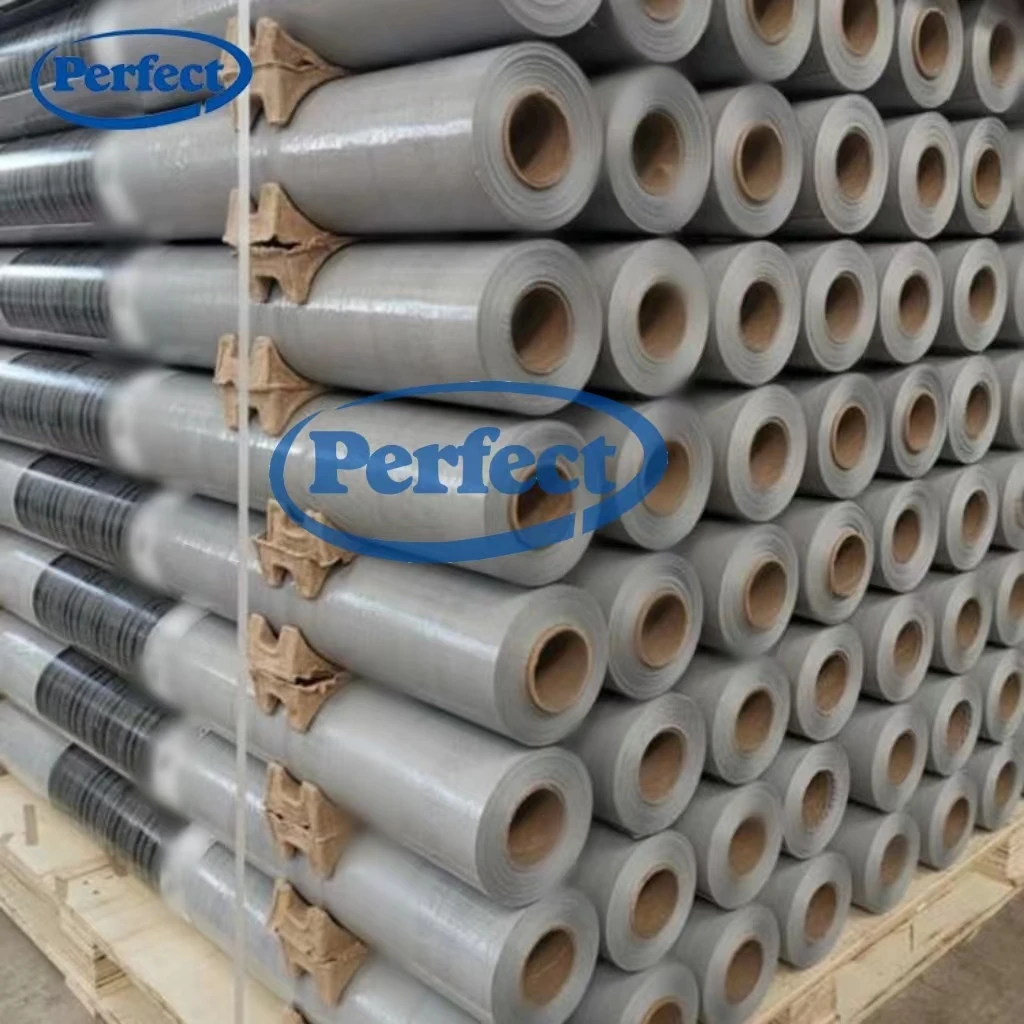
Packing & Delivery


Company Profile


FAQ
Q: Is Roof Underlayment Necessary?
A: Underlayment is an important component to the overall roof system as it serves as an extra layer of protection for your roof.
Q: What Is Synthetic Roof Underlayment?
A: Synthetic underlayment is a roofing accessory composed of laminated polypropylene or polyethylene plastic that goes over the roof deck and serves as an extra layer of protection from the elements for a roofing system. It has excellent durability as the material does not absorb moisture. This makes it the right material to choose when drying in a roof.
Q: How Long Can Synthetic Roof Underlayment Be Exposed?
A: Within a certain timeframe, synthetic underlayment can be left exposed to the elements and not be damaged. The time frame depends on the specific manufacturer of the under- layment as each is different. We recommend, roofing underlayment which can be exposed for 6 months to 12 months.
Q: Synthetic Underlayment Cost vs. Felt Underlayment Cost?
A: Synthetic is a higher quality product but also comes with a higher cost. * Non adhesive synthetic roof underlayment costs 17 cents to 25 cents per square foot * Self adhering underlayment cost 50 cents to 75 cents per square foot * Felt roof underlayment costs 5 cents to 10 cents per square foot.
Q: Synthetic Underlayment Weight Vs. Mil Thickness?
A: Non adhesive synthetic roofing underlayment isn't created equally. There are lots of high quality synthetic roof underlayment brands , but there are also some low quality brands. They try to trick you with a lousy product and fancy marketing. The weight of the synthetic underlayment is a great indication of the quality of the underlayment. The membrane layer is where you get your water proofing and abrasion resistance. In an effort to save money, there are brands of synthetic underlayment that boast about their mil thickness. This can be misleading though as some of these underlayment have a fuzzy top layer for walkability that's a false indicator of the materials thickness.
Q: ls Synthetic Roof Underlayment Better Than Felt Underlayment?
A: Synthetic roof underlayment is the most preferred form of underlayment material for its strength and tear resistance. Synthetic was actually created to be a product that solved the problems that felt underlayment, or roofing felt, has. For years, felt was the go-to material to use for roofing underlayment. Only within the last two decades has synthetic underla- yment hit the market as an improved product that would not have the problems with felt.
A: Underlayment is an important component to the overall roof system as it serves as an extra layer of protection for your roof.
Roof underlayment will:
* Protect against moisture penetrating through the roof, resulting in leaks.
* Protect against moisture penetrating through the roof, resulting in leaks.
* Add extra insulation to your home to keep it from being drafty.
* Absorb noise from rain or other elements on the roof.
* Ensure that the roofing material laid on it looks uniform and even .
* Ensure that the roofing material laid on it looks uniform and even .
* Keep your roofing warranty valid if applicable.
Q: What Is Synthetic Roof Underlayment?
A: Synthetic underlayment is a roofing accessory composed of laminated polypropylene or polyethylene plastic that goes over the roof deck and serves as an extra layer of protection from the elements for a roofing system. It has excellent durability as the material does not absorb moisture. This makes it the right material to choose when drying in a roof.
Q: How Long Can Synthetic Roof Underlayment Be Exposed?
A: Within a certain timeframe, synthetic underlayment can be left exposed to the elements and not be damaged. The time frame depends on the specific manufacturer of the under- layment as each is different. We recommend, roofing underlayment which can be exposed for 6 months to 12 months.
Q: Synthetic Underlayment Cost vs. Felt Underlayment Cost?
A: Synthetic is a higher quality product but also comes with a higher cost. * Non adhesive synthetic roof underlayment costs 17 cents to 25 cents per square foot * Self adhering underlayment cost 50 cents to 75 cents per square foot * Felt roof underlayment costs 5 cents to 10 cents per square foot.
Q: Synthetic Underlayment Weight Vs. Mil Thickness?
A: Non adhesive synthetic roofing underlayment isn't created equally. There are lots of high quality synthetic roof underlayment brands , but there are also some low quality brands. They try to trick you with a lousy product and fancy marketing. The weight of the synthetic underlayment is a great indication of the quality of the underlayment. The membrane layer is where you get your water proofing and abrasion resistance. In an effort to save money, there are brands of synthetic underlayment that boast about their mil thickness. This can be misleading though as some of these underlayment have a fuzzy top layer for walkability that's a false indicator of the materials thickness.
Q: ls Synthetic Roof Underlayment Better Than Felt Underlayment?
A: Synthetic roof underlayment is the most preferred form of underlayment material for its strength and tear resistance. Synthetic was actually created to be a product that solved the problems that felt underlayment, or roofing felt, has. For years, felt was the go-to material to use for roofing underlayment. Only within the last two decades has synthetic underla- yment hit the market as an improved product that would not have the problems with felt.

We Recommend
New Arrivals
New products from manufacturers at wholesale prices