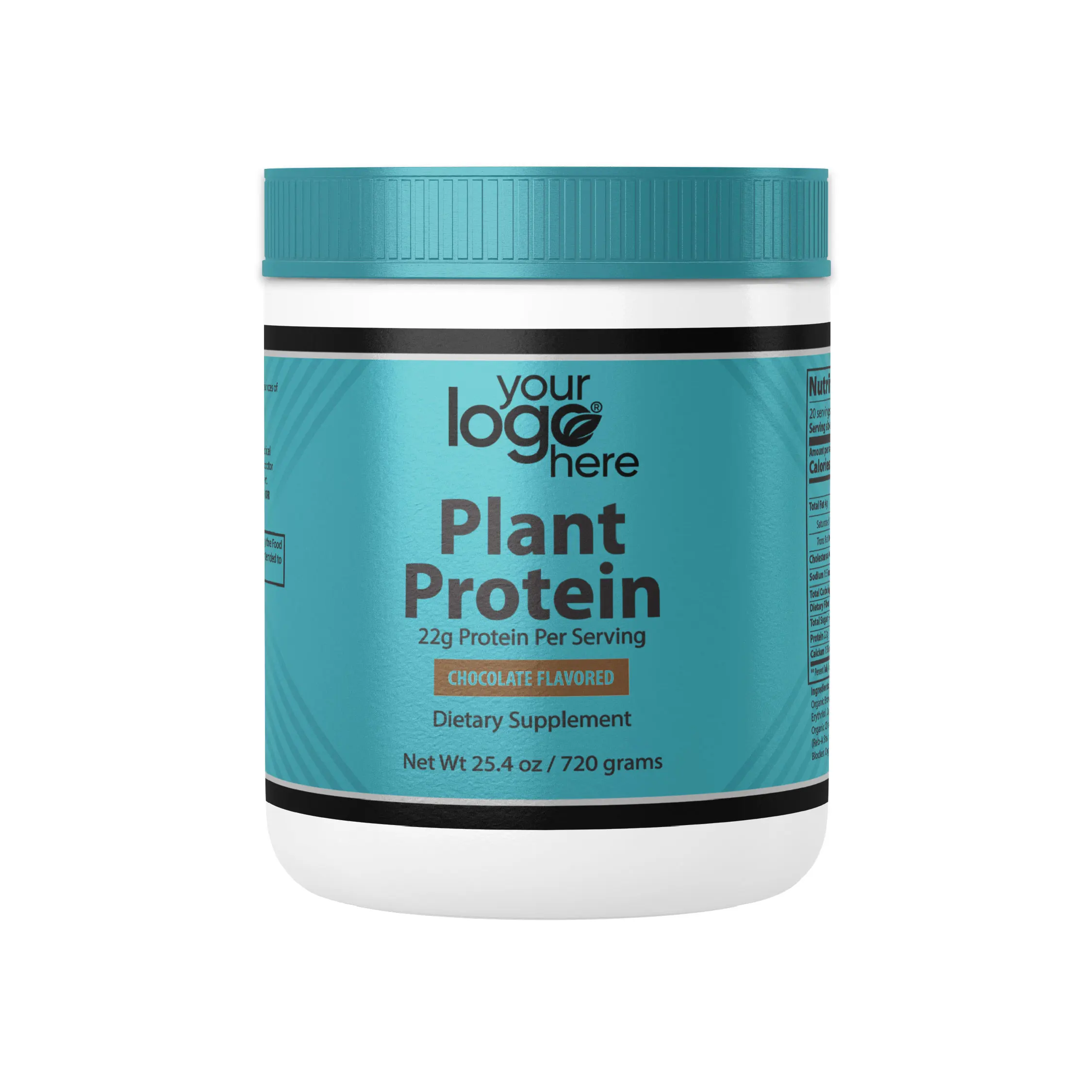
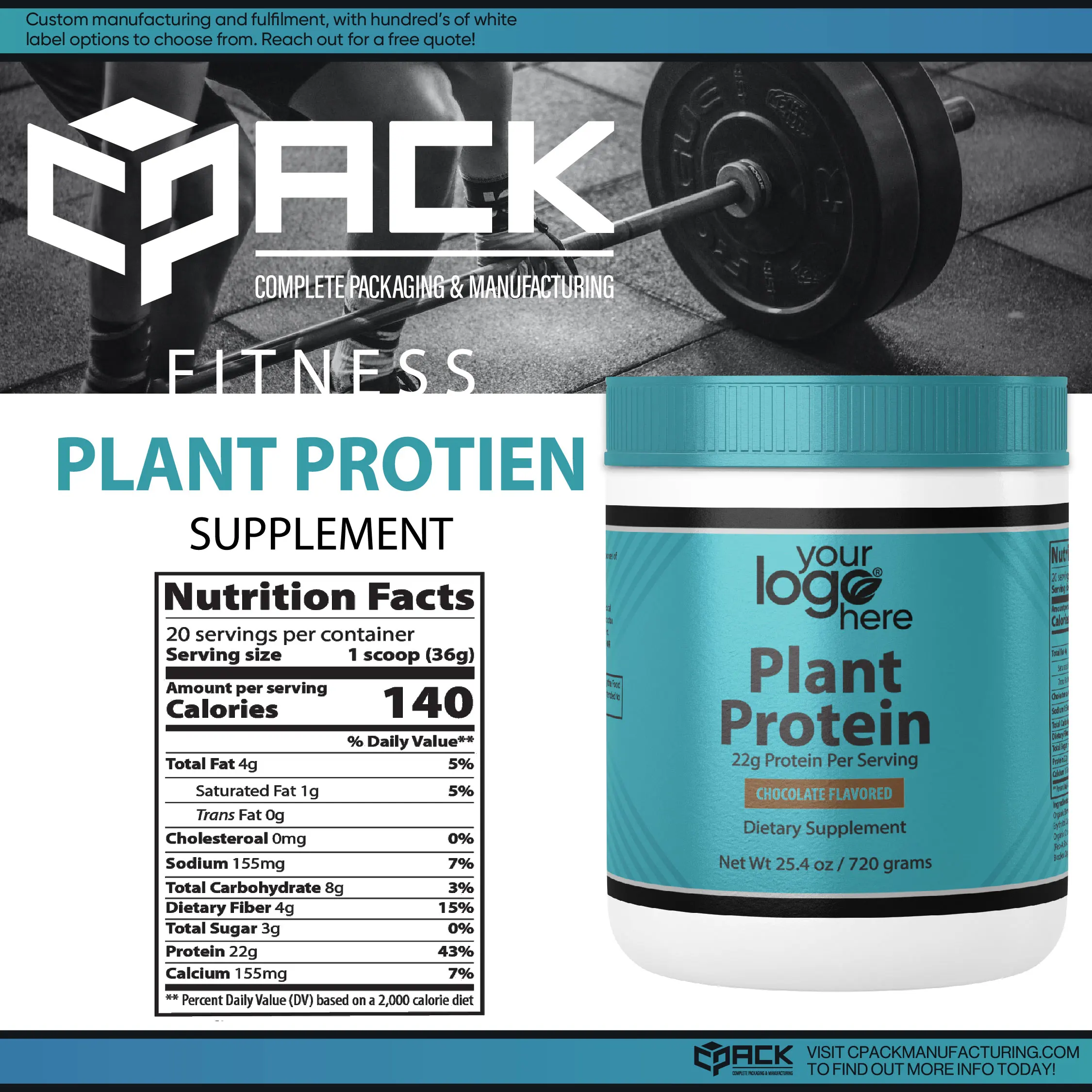
Made in USA Powder Plant Protein 24 gram protein per serving for muscle growth available for private labelling
- Category: >>>
- Supplier: One Solution LLCOne LLC
Share on (10000023217830):
Product Overview
Description
Product Description
Plant-based protein made with organic pea protein and organic brown rice is a protein supplement derived from plant sources, specifically peas and brown rice. These proteins are commonly used as alternatives to animal-based proteins and are suitable for individuals following vegetarian, vegan, or plant-based diets. The combination of pea and brown rice proteins provides a balanced amino acid profile, making it a complete protein source.
1. **Complete Protein Source:** Both pea and brown rice proteins complement each other in terms of amino acid composition. Together, they provide a full spectrum of essential amino acids, making them a complete protein source that supports muscle building and repair.
2. **Muscle Building and Repair:** The amino acids in plant-based proteins are essential for muscle protein synthesis. Regular consumption of plant-based protein can contribute to muscle growth and recovery, making it suitable for athletes, fitness enthusiasts, and those engaging in resistance training.
3. **Digestive Health:** Plant-based proteins, particularly those derived from peas and brown rice, are often well-tolerated and may be easier on the digestive system compared to some animal-based proteins. They are generally free from common allergens like dairy and soy.
4. **Vegan and Vegetarian-Friendly:** Plant-based protein supplements are suitable for individuals following vegan or vegetarian diets, providing a valuable protein source without the use of animal products.
5. **Weight Management:** Plant-based proteins, being lower in calories and saturated fats compared to some animal-based proteins, can be beneficial for those seeking weight management or weight loss. They are often leaner alternatives.
6. **Heart Health:** Plant-based proteins are naturally cholesterol-free and lower in saturated fats, contributing to heart health. Pea protein, in particular, has been associated with potential cardiovascular benefits.
7. **Sustainable and Environmentally Friendly:** Plant-based proteins, sourced from peas and brown rice, are generally considered more environmentally sustainable than animal-based proteins. They often have a lower environmental footprint in terms of resource usage and greenhouse gas emissions.
8. **Versatility:** Plant-based protein powders can be easily incorporated into a variety of recipes, such as smoothies, shakes, or baked goods, providing a convenient way to boost protein intake.
"
Specification
Effectiveness | Providing Energy |
Type | Dietary Supplements |
Applicable People | Adult |
Shelf-Life | 24months |
Storage Method | dry and cool |
Product Name | Plant Protein |
Usage | 1 Scoop in a day |


Packing & Delivery


To better ensure the safety of your goods, professional, environmentally friendly, convenient and efficient packaging services will be provided.


Company Profile


We Recommend
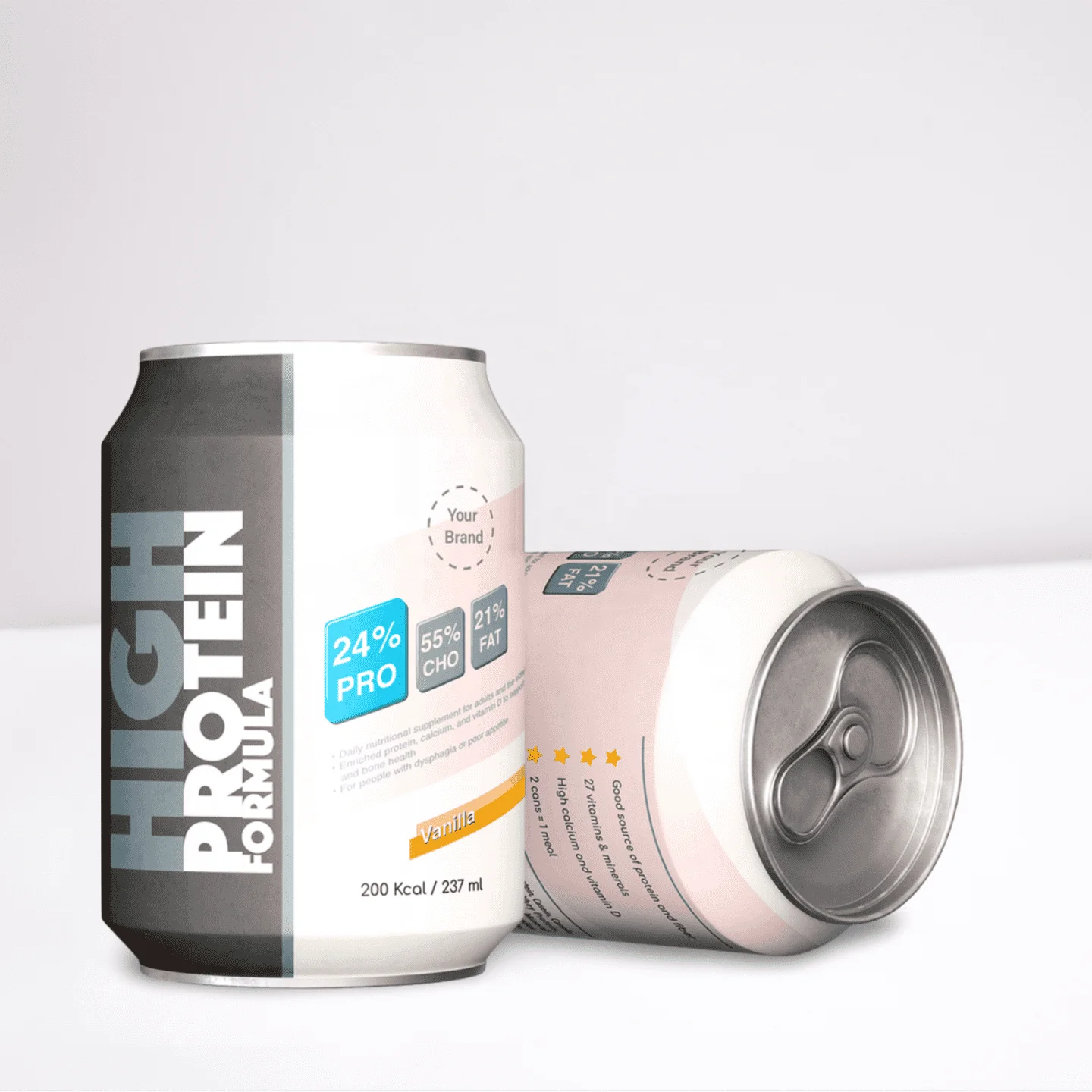
High Protein Whey Protein Shake Shake Protein
$21.78-28.80
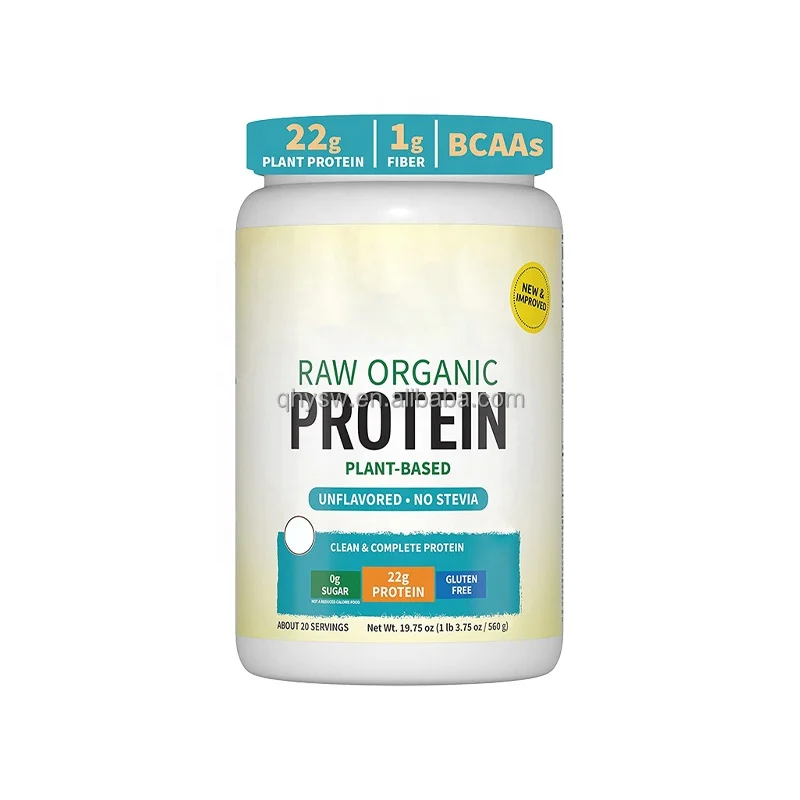
Di Abs Supplement Sugar Levels
$22.71-29.00
New Arrivals
New products from manufacturers at wholesale prices