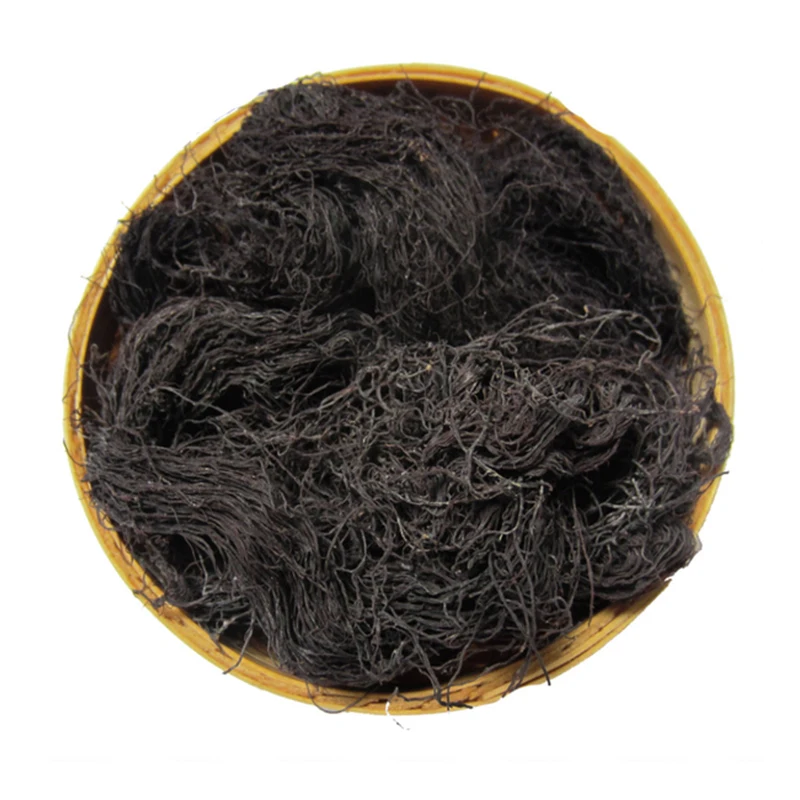
Wholesale Natural Simonfish Amsterdam High Quality Bulk Good Price Dried Delicious Wildcrafted Sea Moss
- Category: >>>
- Supplier: SC international BV
Share on (11000000166063):
Product Overview
Description
Product Description

Specification
item | value |
Product Type | Seaweed |
Style | Dried |
Weight (kg) | contact us |
Place of Origin | contact us |
Brand Name | Simonfish Amsterdam |
Model Number | P26 |
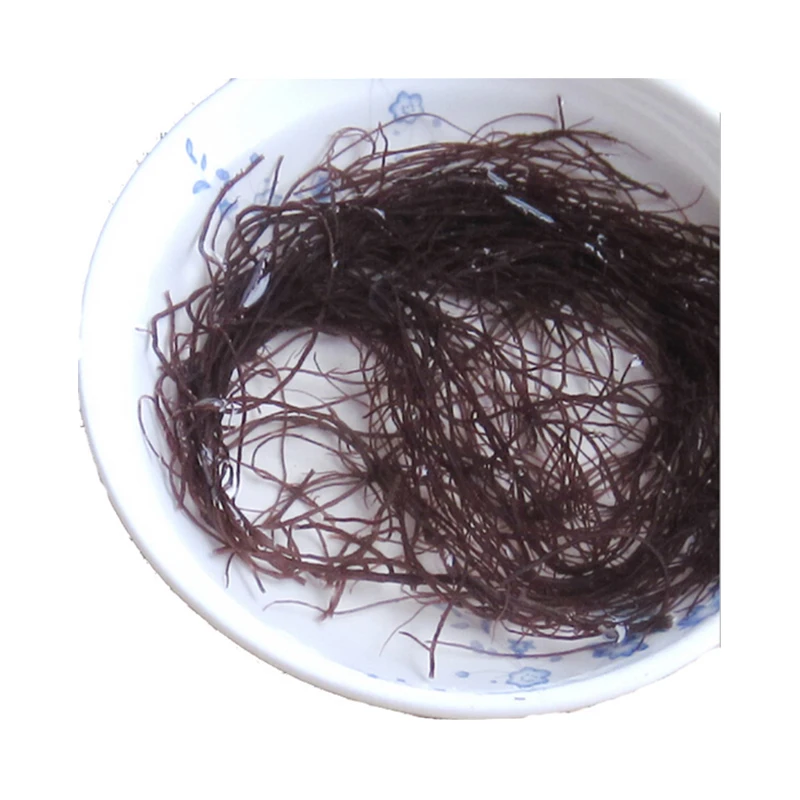
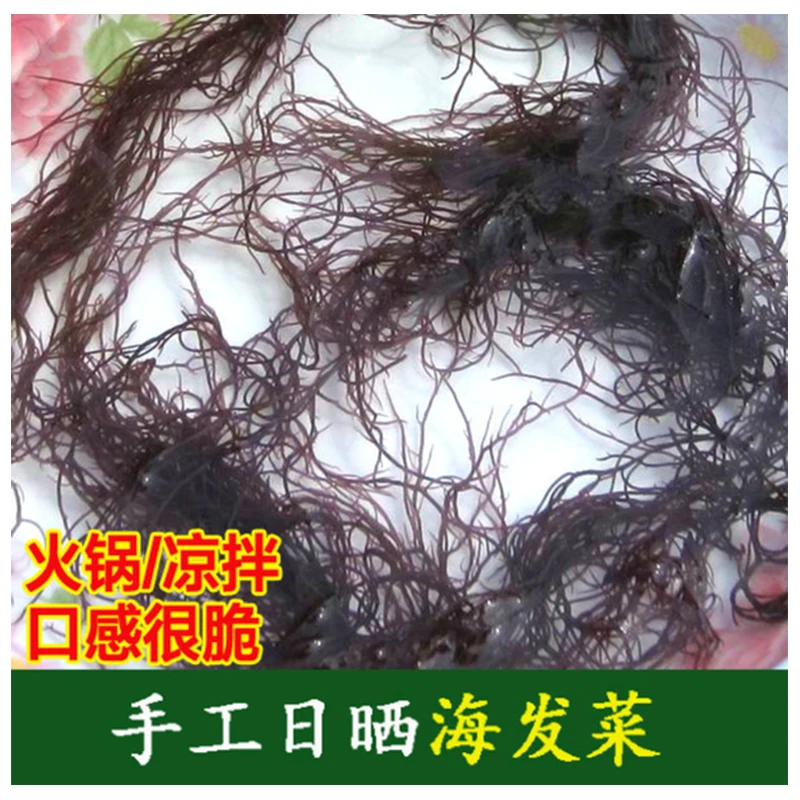
Please note that this product is Haifacai. It is mostly used in cold salads, hot pots, and it can be seasoned after simmering in boiling water. It is not suitable for cooking or braising. It’s not the Facai used to make "facai oysters"
Seaweed, also known as the dish hair, fairy food, is kind of looks like hair algae, due to the clearing and detoxifying, phlegm and other effects and very popular, currently sold on the market are dried products, that seaweed What is it? What is the difference between Haifacai and Haifacai? 1. What is Facai?
1. The hair dish is the terrestrial algae in the cyanophyte class, Nostoc wood, Nostoc family, Nostoc genus. It is named because of the black and slender shape like human hair, and what we usually eat is dried in the sun. The algae body is brown in color. After being soaked, it becomes slimy and elastic. It can be boiled or eaten cold.
2. Facai, also known as Longxucai, is mostly produced in Inner Mongolia, Ningxia, Gansu, Qinghai and other grasslands. It grows mainly under the desert plants and is hair-like, and only 1.5 to 2.5 two shots are produced in 10 acres of grassland. These vegetables can be sold for about 40-50 yuan, and the destruction rate is quite high. Coupled with years of mining, wild resources have been destroyed. Therefore, they are listed as first-class wild protected plants by the state and are strictly prohibited. Acquisition or processing.
3. Facai is an extremely valuable food, rich in protein, echinacea, phycocyanin, calcium, phosphorus, iron and other elements, and every 100g contains 20~23g protein, 45mg phosphorus, 25mg calcium, 20mg iron. It has much higher composition than ordinary meat or eggs. It can clear heat and detoxify, diuresis, relieve phlegm and relieve cough when eaten regularly, and has certain curative effects on hypertension and bronchitis. 2. What is the difference between Facai and Haifacai?
The first difference is that the family is different: Facai is an algae of the Cyanobacteria phylum Candida; Haifacai is an algae of the Cyanobacteria phylum Candida.
The second difference is that the colors are different: Facai is black on the outside; Haifacai is green on the outside.
The third difference is that the distribution range is different: Facai is widely distributed in deserts and barren soils all over the world, and has the reputation of "Gobi Treasure". It is currently more common in my country's Inner Mongolia, Ningxia, Gansu, Qinghai and other places; Haifacai is produced in The sea is a wild natural deep-sea vegetable, which is distributed in shallow seas all over the world. Because of its fast reproduction speed and short life cycle, it is now artificially cultivated in many areas.
Difference four. The nutritional value and efficacy are different: Facai has high nutritional value and is rich in protein, calcium, phosphorus, iron and other elements. Frequent consumption can clear away heat and detoxify, delay aging, prevent high blood pressure, high blood fat, etc.; in Haifacai It is rich in protein, trehalose and other nutrients needed by the human body, but it is not as high as the nutritional value of Facai.
Difference 5. Different ways of eating: Fat dishes are mostly boiled and eaten cold; Haifa dishes are mostly cold.
In general, Facai is a kind of algae that grows underneath desert plants. It has low yield and high destruction rate. Therefore, it is listed as a first-class wild protected plant by the state, and its collection, purchase or processing is currently prohibited. Although it is similar to Haifacai, there are certain differences between the two in terms of color, efficacy and eating methods, so pay attention to it when buying.
Seaweed, also known as the dish hair, fairy food, is kind of looks like hair algae, due to the clearing and detoxifying, phlegm and other effects and very popular, currently sold on the market are dried products, that seaweed What is it? What is the difference between Haifacai and Haifacai? 1. What is Facai?
1. The hair dish is the terrestrial algae in the cyanophyte class, Nostoc wood, Nostoc family, Nostoc genus. It is named because of the black and slender shape like human hair, and what we usually eat is dried in the sun. The algae body is brown in color. After being soaked, it becomes slimy and elastic. It can be boiled or eaten cold.
2. Facai, also known as Longxucai, is mostly produced in Inner Mongolia, Ningxia, Gansu, Qinghai and other grasslands. It grows mainly under the desert plants and is hair-like, and only 1.5 to 2.5 two shots are produced in 10 acres of grassland. These vegetables can be sold for about 40-50 yuan, and the destruction rate is quite high. Coupled with years of mining, wild resources have been destroyed. Therefore, they are listed as first-class wild protected plants by the state and are strictly prohibited. Acquisition or processing.
3. Facai is an extremely valuable food, rich in protein, echinacea, phycocyanin, calcium, phosphorus, iron and other elements, and every 100g contains 20~23g protein, 45mg phosphorus, 25mg calcium, 20mg iron. It has much higher composition than ordinary meat or eggs. It can clear heat and detoxify, diuresis, relieve phlegm and relieve cough when eaten regularly, and has certain curative effects on hypertension and bronchitis. 2. What is the difference between Facai and Haifacai?
The first difference is that the family is different: Facai is an algae of the Cyanobacteria phylum Candida; Haifacai is an algae of the Cyanobacteria phylum Candida.
The second difference is that the colors are different: Facai is black on the outside; Haifacai is green on the outside.
The third difference is that the distribution range is different: Facai is widely distributed in deserts and barren soils all over the world, and has the reputation of "Gobi Treasure". It is currently more common in my country's Inner Mongolia, Ningxia, Gansu, Qinghai and other places; Haifacai is produced in The sea is a wild natural deep-sea vegetable, which is distributed in shallow seas all over the world. Because of its fast reproduction speed and short life cycle, it is now artificially cultivated in many areas.
Difference four. The nutritional value and efficacy are different: Facai has high nutritional value and is rich in protein, calcium, phosphorus, iron and other elements. Frequent consumption can clear away heat and detoxify, delay aging, prevent high blood pressure, high blood fat, etc.; in Haifacai It is rich in protein, trehalose and other nutrients needed by the human body, but it is not as high as the nutritional value of Facai.
Difference 5. Different ways of eating: Fat dishes are mostly boiled and eaten cold; Haifa dishes are mostly cold.
In general, Facai is a kind of algae that grows underneath desert plants. It has low yield and high destruction rate. Therefore, it is listed as a first-class wild protected plant by the state, and its collection, purchase or processing is currently prohibited. Although it is similar to Haifacai, there are certain differences between the two in terms of color, efficacy and eating methods, so pay attention to it when buying.
Packing & Delivery
contact us
Company Profile
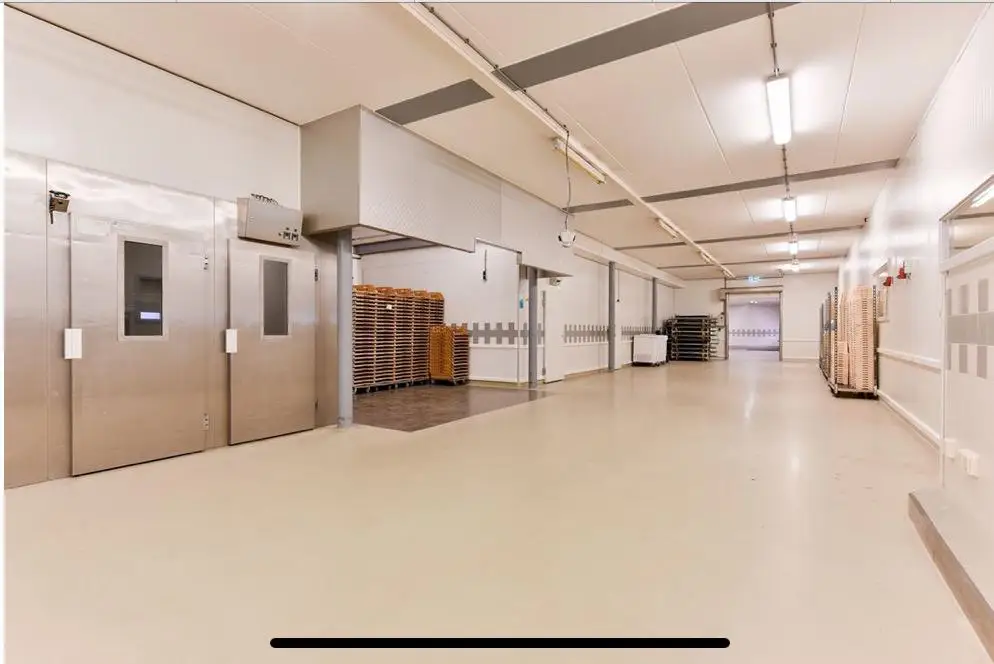
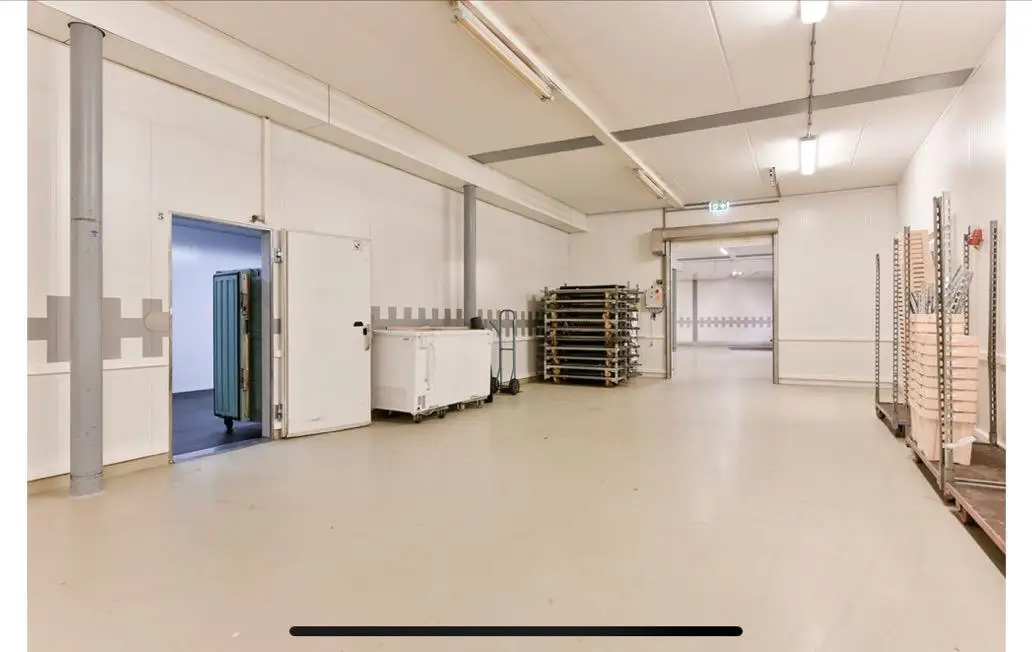
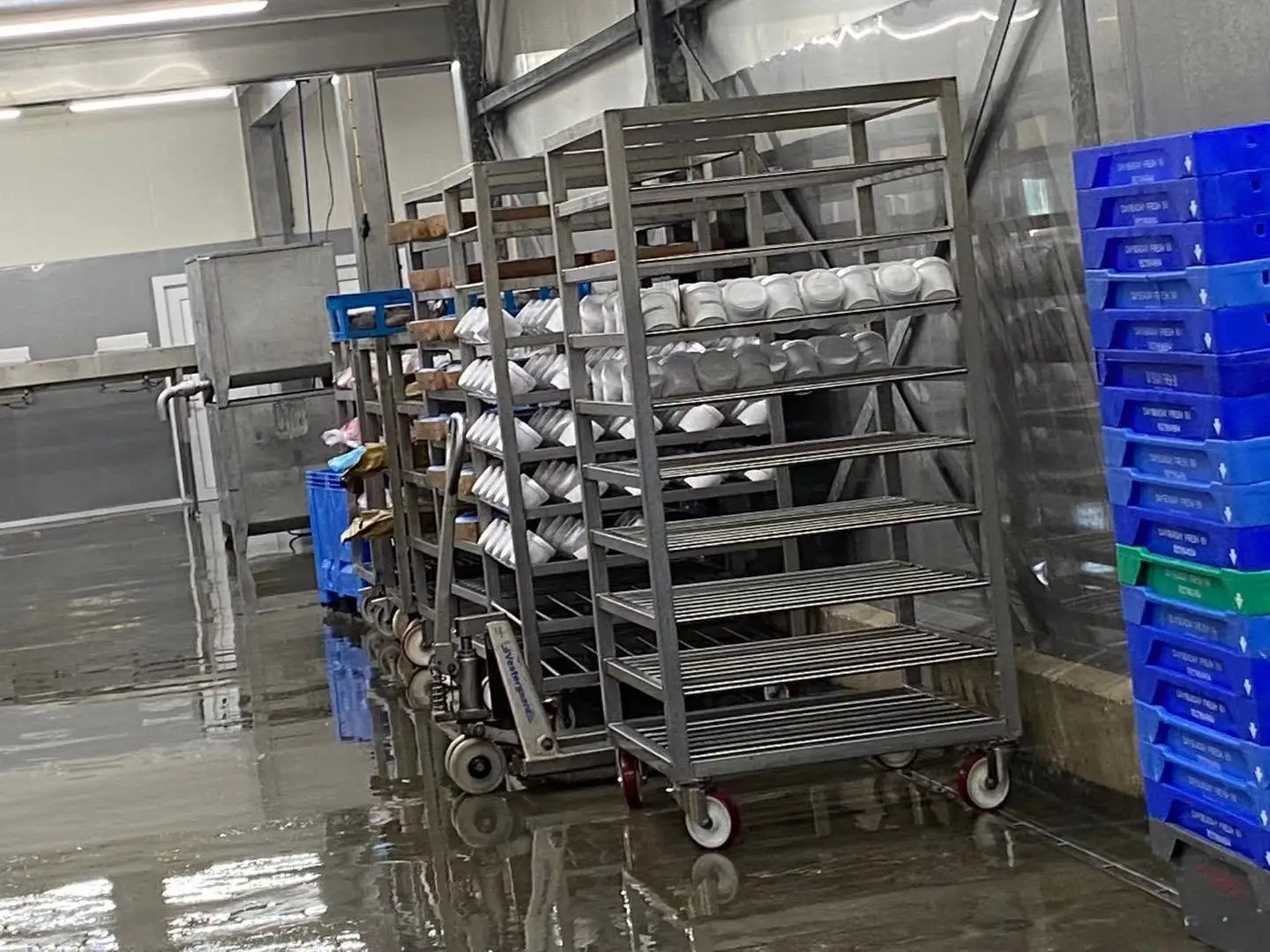
we are a company specializing in dried and fresh seafood.
FAQ
1. who are we?
We are based in Overijssel, Netherlands, start from 2018,sell to Western Europe(50.00%),Eastern Asia(50.00%). There are total about 5-10 people in our office.
2. how can we guarantee quality?
Always a pre-production sample before mass production;
Always final Inspection before shipment;
3.what can you buy from us?
seafood,sea cucumbers,fish,fish maw,fish
4. why should you buy from us not from other suppliers?
we are a trading company in Holland, can find you all kinds of products in europe. we are specialized in dried and fresh seafood
5. what services can we provide?
Accepted Delivery Terms: FOB,CIF;
Accepted Payment Currency:USD,EUR,CNY;
Accepted Payment Type: T/T,L/C;
Language Spoken:English,Chinese,Italian
We are based in Overijssel, Netherlands, start from 2018,sell to Western Europe(50.00%),Eastern Asia(50.00%). There are total about 5-10 people in our office.
2. how can we guarantee quality?
Always a pre-production sample before mass production;
Always final Inspection before shipment;
3.what can you buy from us?
seafood,sea cucumbers,fish,fish maw,fish
4. why should you buy from us not from other suppliers?
we are a trading company in Holland, can find you all kinds of products in europe. we are specialized in dried and fresh seafood
5. what services can we provide?
Accepted Delivery Terms: FOB,CIF;
Accepted Payment Currency:USD,EUR,CNY;
Accepted Payment Type: T/T,L/C;
Language Spoken:English,Chinese,Italian
We Recommend

New Arrivals
New products from manufacturers at wholesale prices