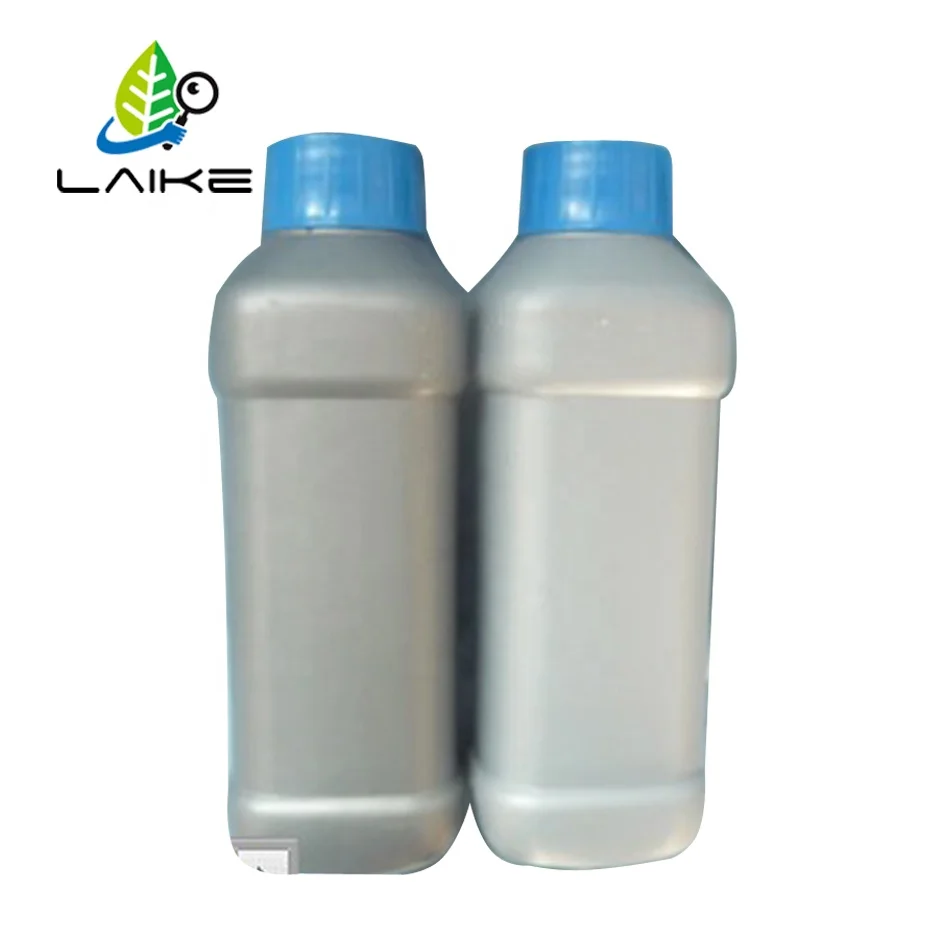
Azoxystrobin 20% difenoconazole 12.5% Sc Fungicide top quality best price
- Category: >>>
- Supplier: Hebei Laike Biotech Co. Ltd.
Share on (11000000943566):
Product Overview
Description

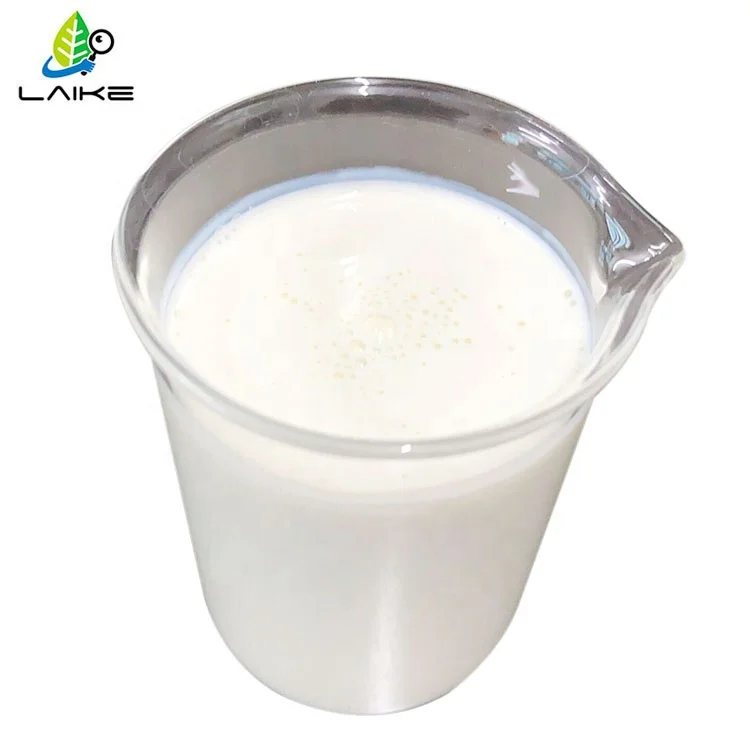
Effective Fungicide Azoxystrobin 25%SC,80WDG
product introduction
Common name | Azoxystrobin | ||||||
Status | 250g/L SC, 80%WDG | ||||||
Usage | It is a high-effective and broad-spectrum fungicide. And it is active for almost all of the diseases such as powdery mildew, rust disease, glume blight and rice blast and so on. It can be used for stem leaf spray, seed treatment and treatment of cultivated soil. | ||||||
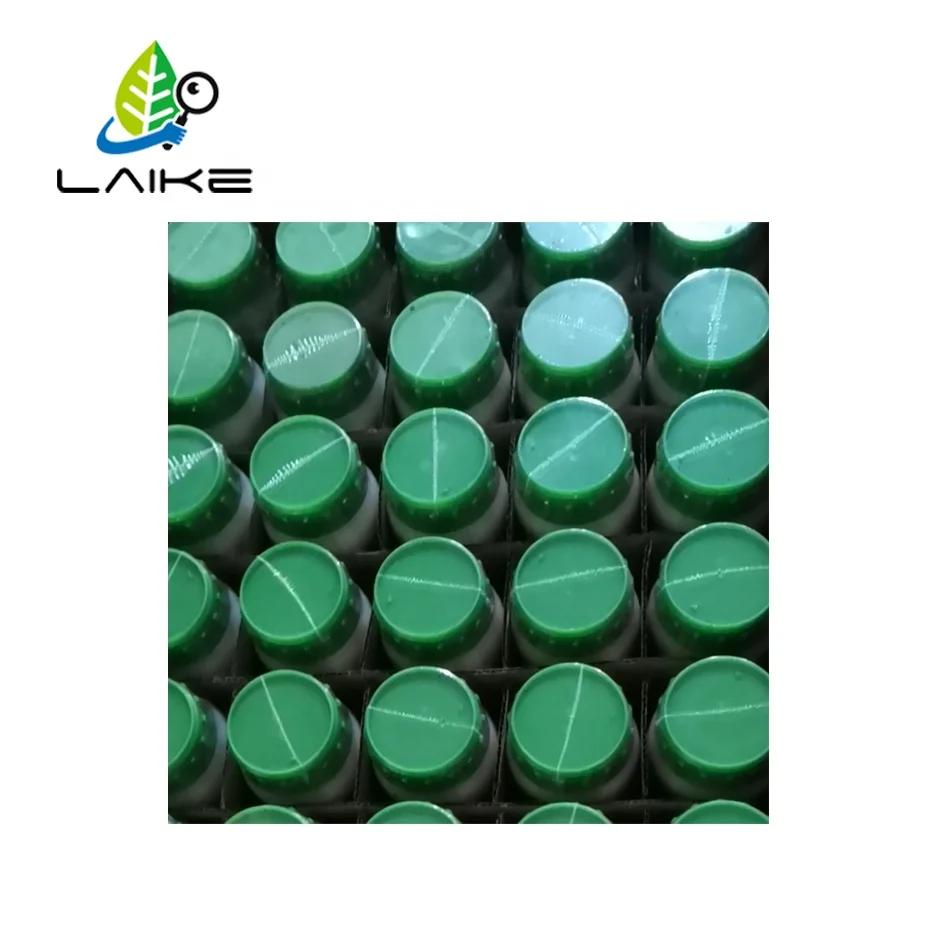
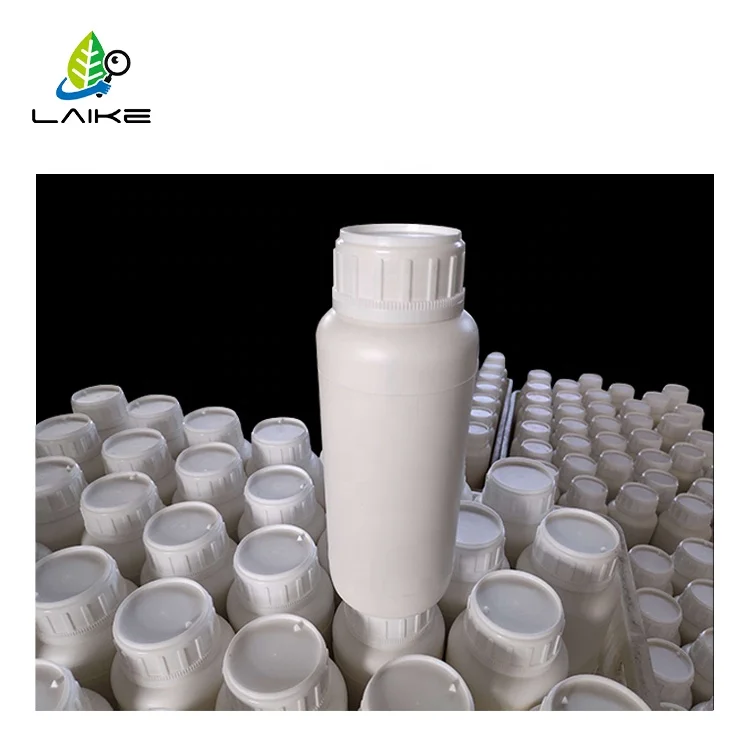
Specification | 100mL/250mL/500mL/1L/200L/bottle/drum | ||||||
Application Area | For almost all fungal diseases (Ascomycotina, Basidiomycotina, Flagellinia and Deuteromycotina) diseases such as powdery mildew, rust, glume blight, net spot, downy mildew, rice blast, etc. All have good activity. It can be used for stem and leaf spray, seed treatment, and soil treatment. It is mainly used for grains, rice, peanuts, grapes, potatoes, fruit trees, vegetables, coffee, lawns, etc. The dosage is 25mL-50/mu. Azoxystrobin cannot be mixed with insecticide emulsifiable concentrates, especially organophosphorus emulsifiable concentrates, nor can it be mixed with organosilicon synergists. It will cause phytotoxicity due to excessive permeability and spreading. | ||||||
Toxicology | Oral Acute oral LD50 for male and female rats and mice >5000 mg/kg. Skin and eye Acute percutaneous LD50 for rats >2000 mg/kg. Slight eye and skin irritation (rabbits). Not a skin sensitiser (guinea pigs). Inhalation LC50 (4 h, nose only) for male rats 0.96, female rats 0.69 mg/l. NOEL (2 y) for rats 18 mg/kg b.w. daily. ADI 0.1 mg/kg b.w. (EU); 0.18 mg/kg b.w. (USA) Other Not genotoxic, carcinogenic or neurotoxic; azoxystrobin has no effect on fertility parameters nor on foetal or infant development. Toxicity class WHO (a.i.) U | ||||||


Related Products

Company Profile


Our Advantages

Our Services

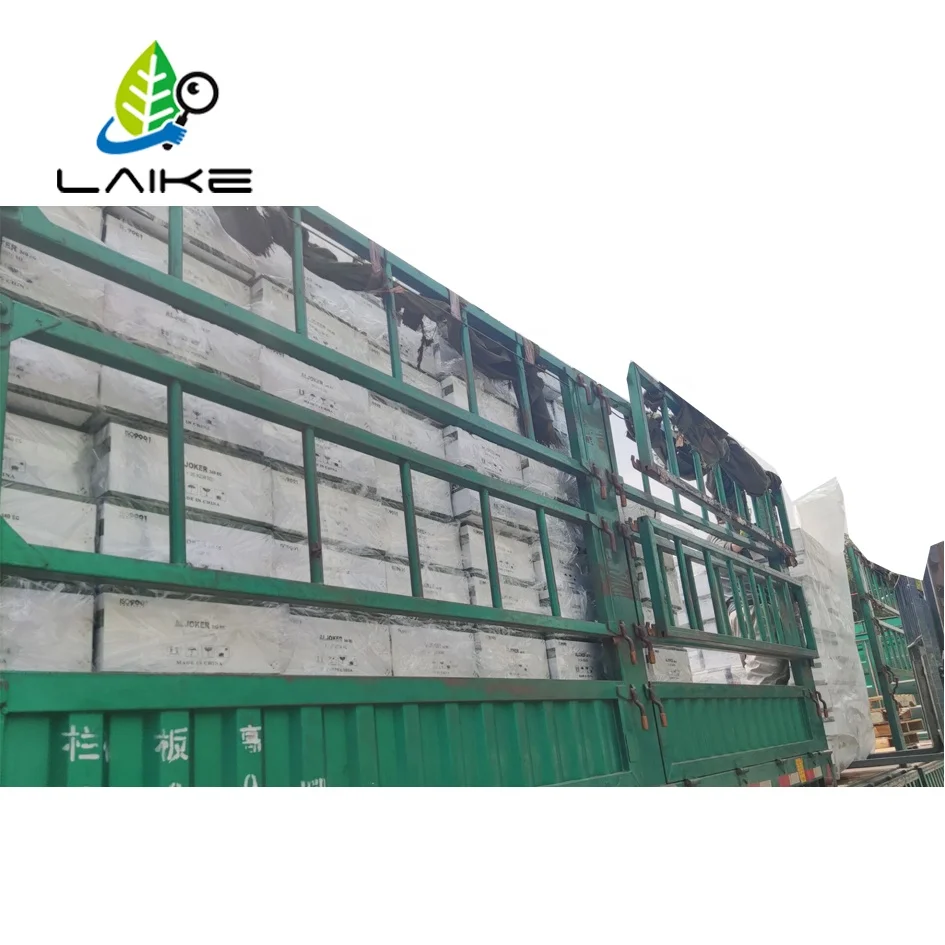
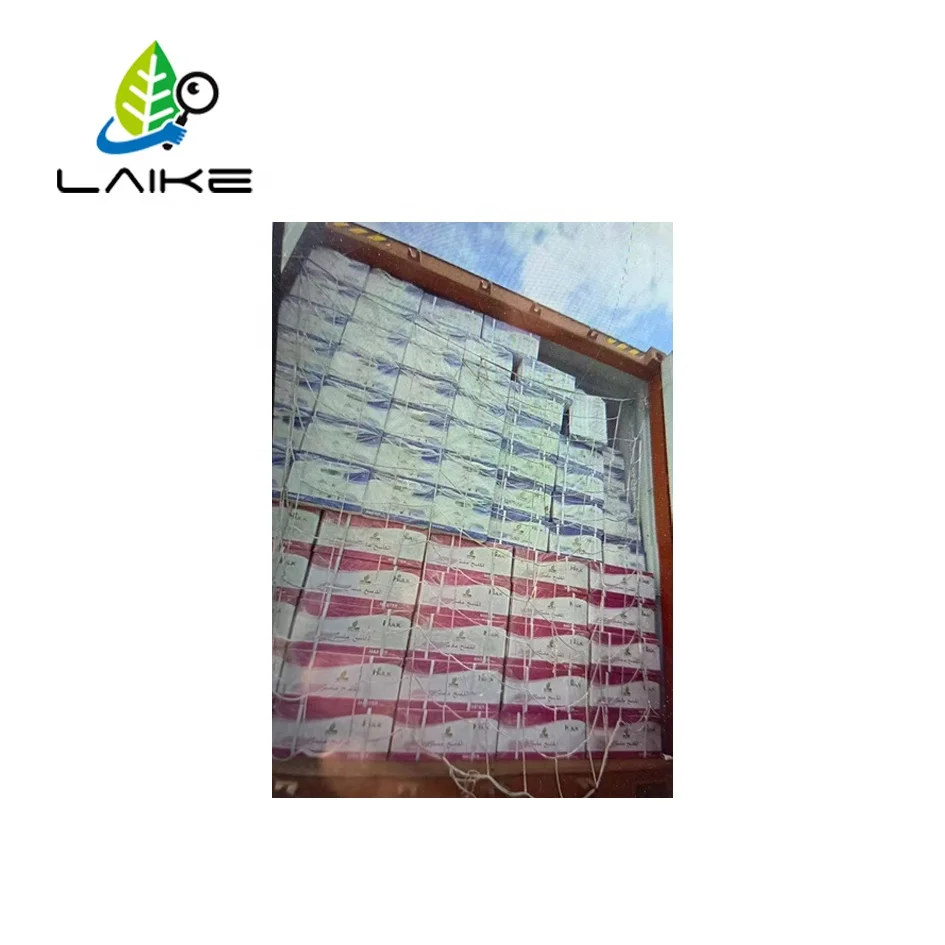
Product packaging

FAQ

Q:Are you a manufacturer or a trading company?
A:For some products, we are manufacturer, for some other , we are trader, but still have advantage prices, so no need to worry about quality and prices.
Q:Which kind of payment terms do you accept?
A:CIF: 30%T/T in advance & 70% to be paid against the copy of B/L OR L/C at sight.A FOB: 30%T/T in advance & 70% to be paid before delivery.
Q:Can you give me a discount price?
A:Surely, It depend on your quantity.
Q:How to confirm the Product Quality before placing orders?
A:You can get free samples for some products, you only need to pay the shipping cost or arrange a sample in your side, then send to us and we will analysis your samples,finally you will get what you really want.
Q:What's your MOQ?
A:Depend on the kind of product. For TC, normally is 200 500kg, For formulation,is 1000L/KG.
Q: What about the quality of your products?
A: We have thourough quality analysisi since production line to warehouse. And we can provide you some samples for test.
Q: Can you painting our logo?
A: Yes, we could print customer logo to all the parts of packages.
Q:What are your Shipping Terms?
A: DHL, UPS and Fedex for sample, Sea freight and air freight or other method for bulk order.
A:For some products, we are manufacturer, for some other , we are trader, but still have advantage prices, so no need to worry about quality and prices.
Q:Which kind of payment terms do you accept?
A:CIF: 30%T/T in advance & 70% to be paid against the copy of B/L OR L/C at sight.A FOB: 30%T/T in advance & 70% to be paid before delivery.
Q:Can you give me a discount price?
A:Surely, It depend on your quantity.
Q:How to confirm the Product Quality before placing orders?
A:You can get free samples for some products, you only need to pay the shipping cost or arrange a sample in your side, then send to us and we will analysis your samples,finally you will get what you really want.
Q:What's your MOQ?
A:Depend on the kind of product. For TC, normally is 200 500kg, For formulation,is 1000L/KG.
Q: What about the quality of your products?
A: We have thourough quality analysisi since production line to warehouse. And we can provide you some samples for test.
Q: Can you painting our logo?
A: Yes, we could print customer logo to all the parts of packages.
Q:What are your Shipping Terms?
A: DHL, UPS and Fedex for sample, Sea freight and air freight or other method for bulk order.

We Recommend
New Arrivals
New products from manufacturers at wholesale prices