WHEAT SEEDS
US $110.00-$130.00
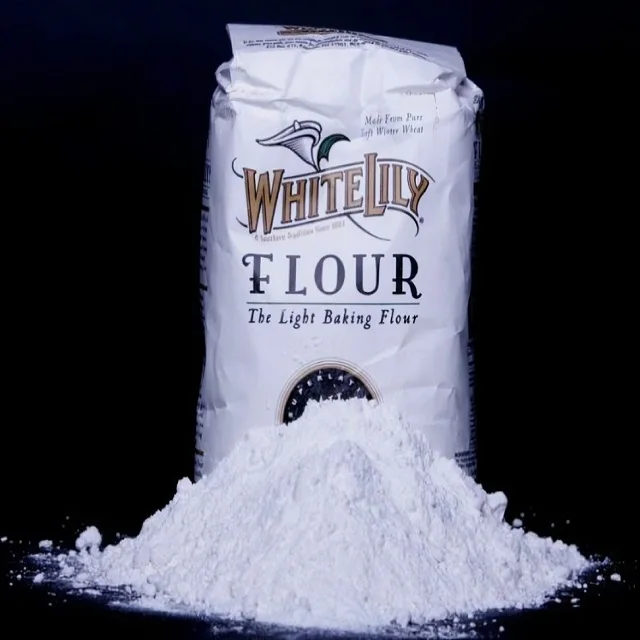
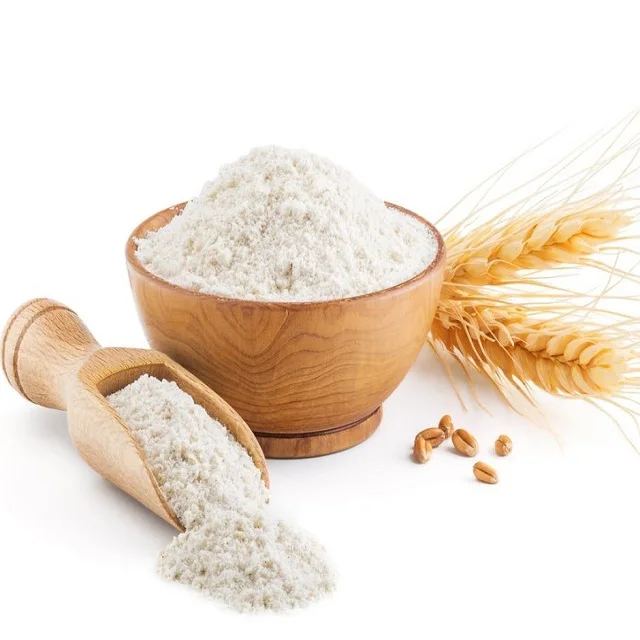
Share on (11000002587362):
| wholesale seller wheat flour for bakery bread quality | Organic Quality Dried Whole Wheat Grain For Bread Making | wheat selling | Wheat Grain in bulk / high quality wheat, whole nutrition grain for export
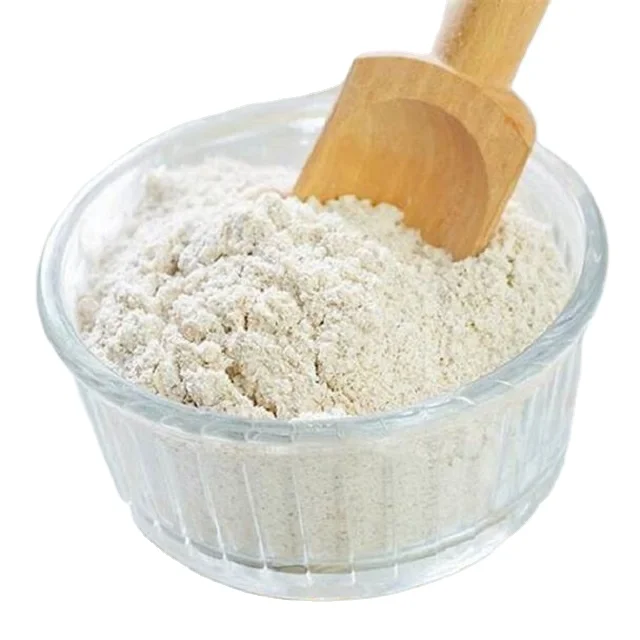
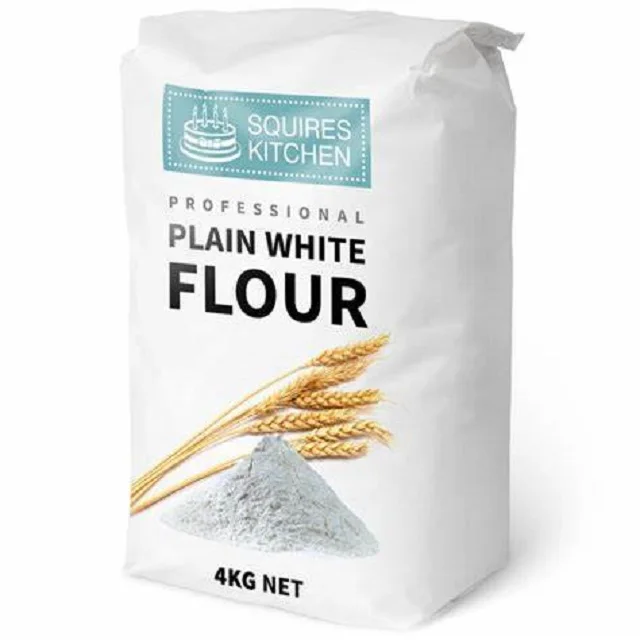
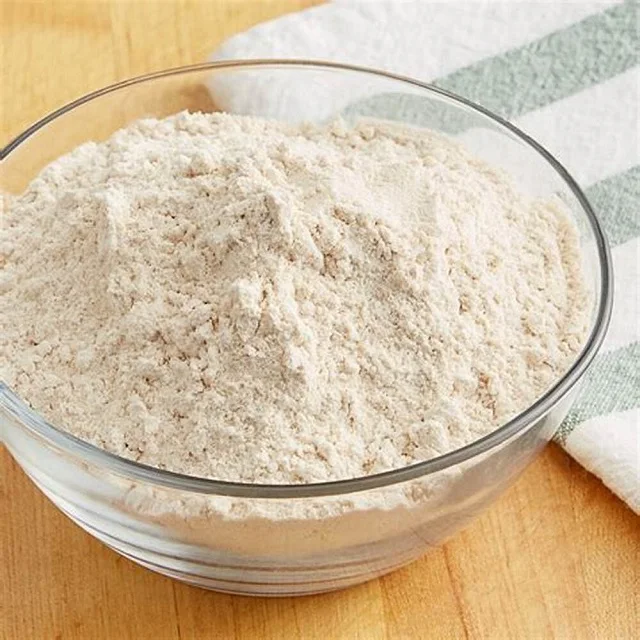
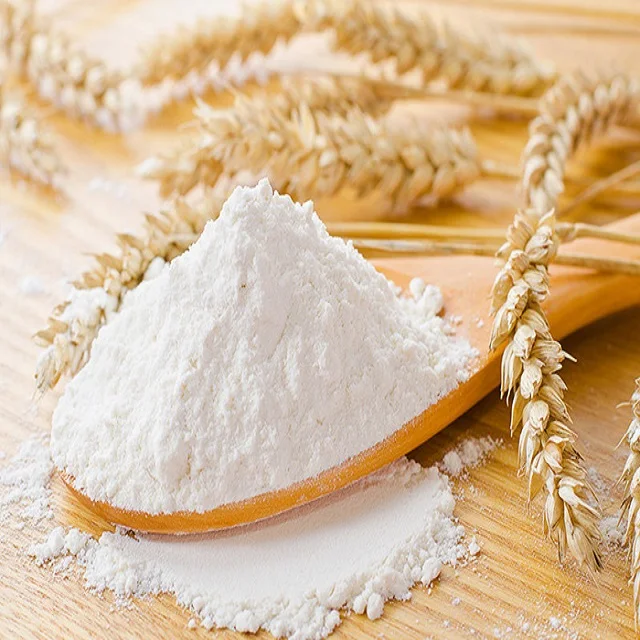
We bring forth vast industrial experience and expertise in this business, involved in offering a high-quality range of Whole Wheat Grain. We offer this range of Wheat in a very hygienic and standard size packaging. Our packaging is available in a variety of quantity sizes as per the customer's needs and demand. Also, the wheat that we procure is made in completely traditional ways which ensure its quality and nutritional values both. wholesale seller wheat flour for bakery bread quality | Organic Quality Dried Whole Wheat Grain For Bread Making | wheat selling
Wheat Grains
Wheat is a grass widely cultivated for its seed, a cereal grain which is a worldwide staple food. The most widely grown is common wheat. Wheat is grown on more land area than any other food crop. Can you Buy wheat and flour we have high quality of wheat and flour for sale | White Soft and Hard Wheat Grains Prize Near Me
Product Details | Value |
Type: | All-Purpose Flour, Wheat Germ |
Made From: | Wheat |
Processing Type: | Milling, Advanced Machine Grinding |
Weight (kg): | 25 kg |
Shelf Life: | 6 months |
Protien: | 11 -12.5%min |
Max. Moisture (%): | 12 % MAX. |
Broken | 3% |
Style | Dried |
Gluten: | 18-23% |
DAMAGED GRAIN : | 1 % MAX. |
WEEVILLED SEED | 1 % MAX. |
Additives: | No additives & no preservatives |
Quality: | Good |
Color | decolorized 1 degree |
Natural weight | 760 g / l |
Humidity | 14% |
The mass fraction of gluten | 23-25% |
Mass fraction of protein | 13% |
Number of falls | 270 - 300seconds |
Total vitreousity | 50% |
TEST WEIGHT | 75.00 MIN.KG/HL MIN |
FOREIGN MATTER | 2 % MAX |
OTHER FOOD GRAIN | 1 % MAX |
Global demand for wheat is increasing due to the unique viscoelastic and adhesive properties of gluten proteins.
Wheat is an important source of carbohydrates. Globally, it is the leading source of vegetal protein in human food, having a protein content of about 13%, which is relatively high compared to other major cereals but relatively low in protein quality for supplying essential amino acids. When eaten as the whole grain, wheat is a source of multiple nutrients and dietary fiber.
Wheat Grains | |
| Crop | Wheat Grains |
| Shelf Life | 2 Years |
| Product type | Grain |
| Color | Light Yellow |
| Moisture | Max 15% |
| Admixture | Max 0.5% |
| Imperfect Rate | Max 6.0% |
| Place of Origin | Germany |
| Packing | Bulk or as Buyer Required |
| Delivery Time | Within 15 Days after Payment |
| Payment Terms | T/T,L/C,D/P or D/A |
| Supply Ablitity | 1500 Metric Ton/Metric Tons per Month |
| MOQ | 23MT Wheat Grains |
| Usage | White Soft and Hard Wheat Grains for Human Consumption |
The company is in its third generation, boasts a production efficiency of 300 quintals / 24h. Our distinctive character is the high standard of the finished product, obtained thanks to accurate chemical analyses. Carried out in the laboratory and the meticulous selection of raw materials coming exclusively from Sicilian consortia and farmers. Our philosophy is to place the customer's needs at the centre of decision-making processes in order to establish a lasting collaboration, providing an attentive service for both production and distribution of products.
We bring forth vast industrial experience and expertise in this business, involved in offering a high-quality range of Whole Wheat Grain. We offer this range of Wheat in a very hygienic and standard size packaging. Our packaging is available in a variety of quantity sizes as per the customer's needs and demand. Also, the wheat that we procure is made in completely traditional ways which ensure its quality and nutritional values both.
Size Available In : -
25kg, 50kg, 100kg.
FEATURES:
- Compositionally accurate
- Free from impurities
- Good source of protein and vitamins
- Precisely processed
- Easy to grind
- Long shelf life
- Very tasty
- Highly pure
- Highly used
Wheat Grains are a staple food used to make flour for leavened, flat, steamed bread, Biscuits, cookies, cakes, breakfast cereal, pasta, noodles, couscous and for fermentation to make beer and other alcoholic beverages.
Important: We can provide sortex clean wheat, Machine clean wheat, and Non-Machine clean wheat.
Number of bags per pallet 40 bags (25 kg each)
Pallet Net Weight 1000 kg
Pallet Gross Weight 1020 kg
When we speak of "Strength of flour" we mean two capacities: to absorb the liquids during the dough and to hold the carbon dioxide during the leavening. A flour is "strong" when it absorbs a lot of liquids during the dough and keeps the gas (carbon dioxide) produced during leavening well, giving voluminous products with well-developed crumb. A flour is "weak" when it absorbs the liquids of the dough very little and forms a reduced gluten mass which during retention holds less gas, giving rise to less voluminous products with less honeycomb. A flour is considered to be of "normal" strength when it has intermediate characteristics between the two.
Characteristics of the Protein in the Flour, and what is Gluten?
The flour proteins are a precious component of the wheat, and the determination of their content is the starting point for the classification of the flours. There are low values in biscuit flours (which do not need gluten formation) and high values in flours for leavened products.
There are different types of proteins in flour. The most important are those that form gluten, an insoluble protein substance, naturally present in wheat and, therefore, in flour. When in the dough the flour comes into contact with water and salt, the gluten turns into a compact, elastic and porous mass, which can be compared to a lattice or a sponge that is able to absorb the liquids of the dough and to retain the gas (carbon dioxide produced by yeasts). This causes the volume to increase in the product. The behaviour of the dough at all stages of production depends on the quantity and quality of gluten.
What is the function of the salt in the dough?
Salt has a very important role in the preparation of bread, among which perhaps the least determining is that of giving flavour. The addition of salt to a dough changes its rheological and fermentation properties, provides resistance and elasticity, and slows down both microbial and enzymatic activity. A dough without salt ferments faster and has less ability to maintain its shape, giving final products with a smaller volume, a more compact crumb and a lighter coloured crust.
Sometimes the dough is very tough. Why does it happen?
Often the doughs remain too strong and too tenacious (in jargon it is said that they "go into power") when the environment in which you work is very hot - such as, for example, in summer - when they are kneaded too much, or are let yourself bet more. The remedies to be applied to prevent the mixtures from acquiring "too much strength" are: lower the temperature of the water in the dough, do not need too much, decrease the quantity of compressed yeast, decrease the time and temperature of the bet (first fermentation). If the mixture remains too strong, it can be torn and the finished products obtained can be gummy, with a “vitreous” crust, irregular crumb, insufficient volume and subject to premature ageing.
 | |
|



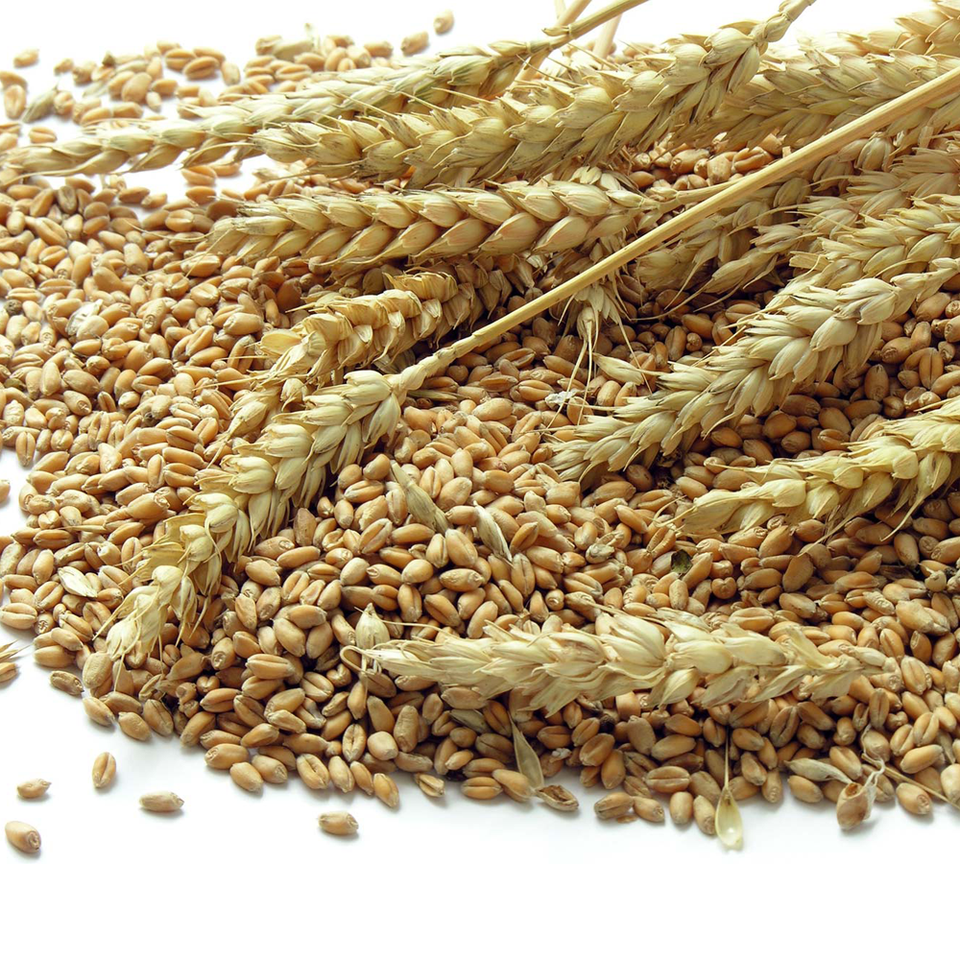
New products from manufacturers at wholesale prices