Fruity and light Taste Wholesale Japanese Rice Wine Sake
- Category: Alcoholic Beverages >>>
- Supplier: ARC-Maimex Co. Ltd.
Share on (11000003789431):
Product Overview
Description

Products Description
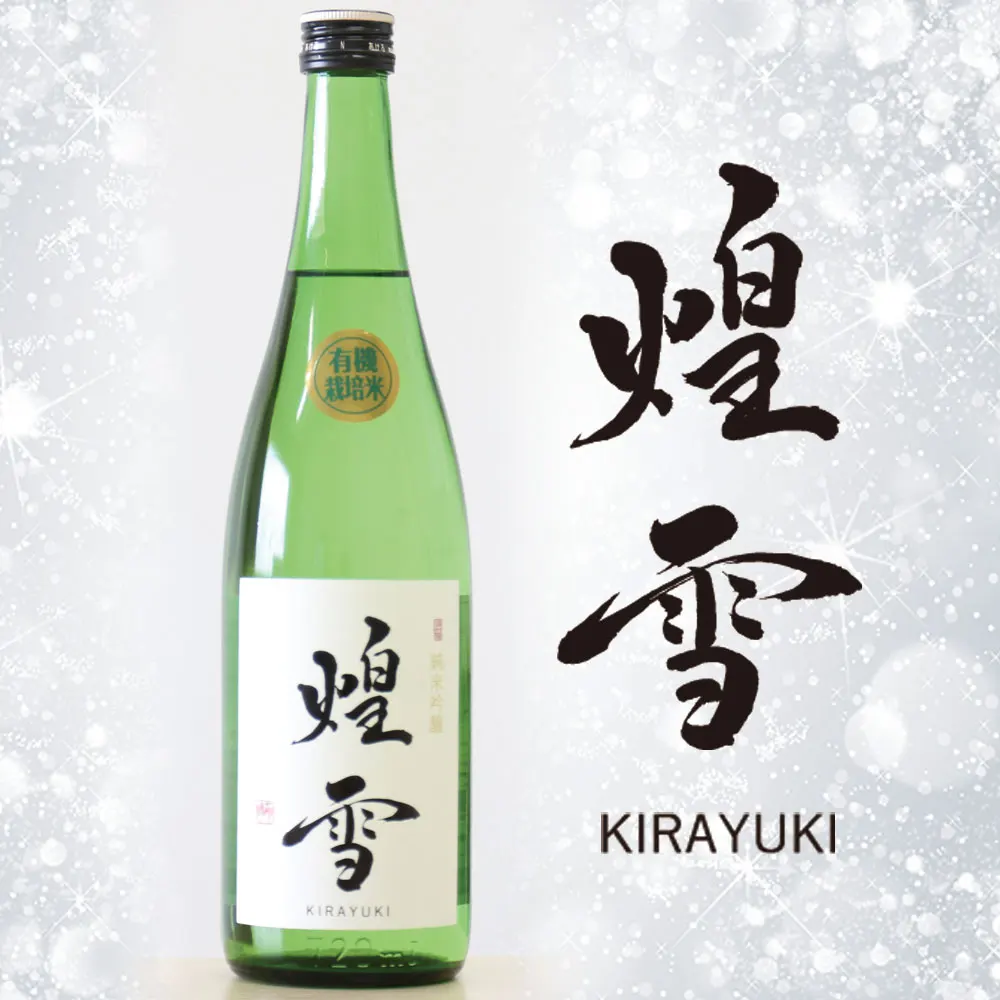
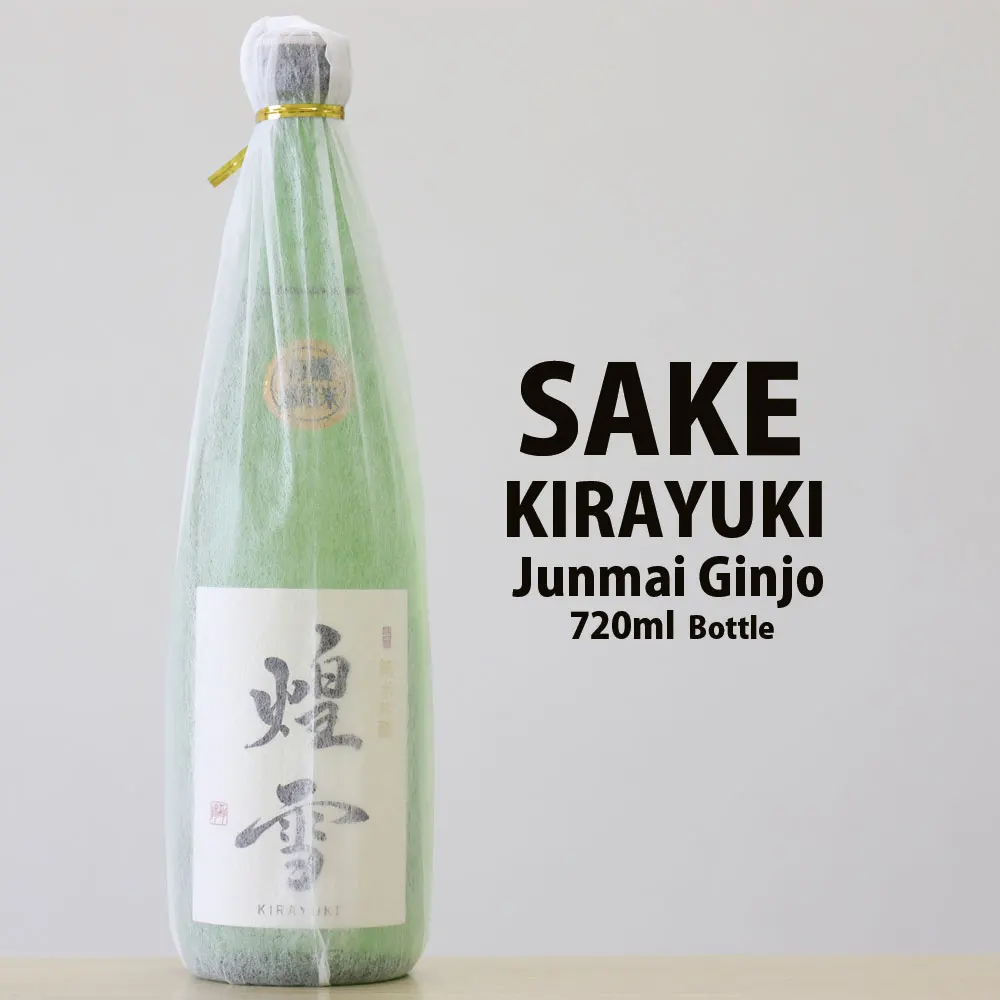
Organic Junmai Sake [KIRAYUKI]

[BEST for sake beginners] Fruity and light taste like white wine.
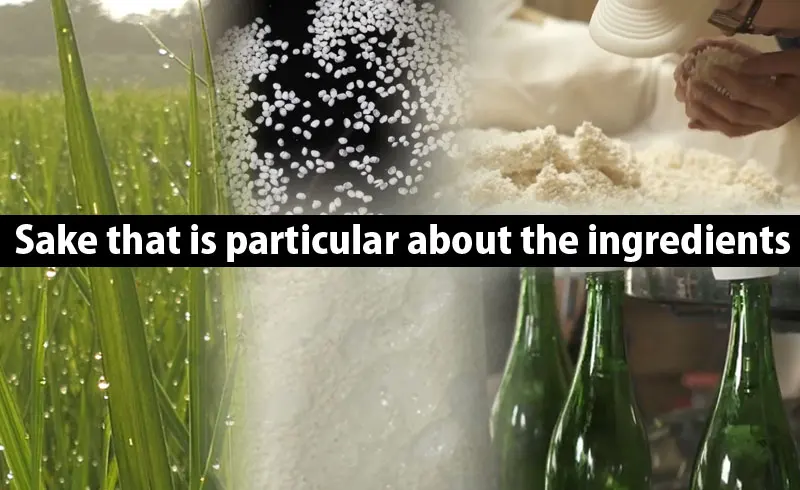
It is made from organically grown rice called "Niji-no-Kirameki".
The sake is made from organic rice [Niji-no-Kirameki],
and is the result of a wonderful collaboration between local yeast
and from Nikko mountain Underground water, subterranean water pumped out by the Sagara Shuzo brewery.
"KIRAYUKI" was born from the collaboration of local yeast and Nikko-Renzan underground water.
It is made from organically grown rice called "Niji-no-Kirameki".
The sake is made from organic rice [Niji-no-Kirameki],
and is the result of a wonderful collaboration between local yeast
and from Nikko mountain Underground water, subterranean water pumped out by the Sagara Shuzo brewery.
"KIRAYUKI" was born from the collaboration of local yeast and Nikko-Renzan underground water.
Ingredients :Rice (100% organic rice (Niji-no-Kirameki) produced in Tochigi Prefecture, Japan by Ikeda-Farm)
Rice malted rice (produced in Tochigi prefecture, Japan: Sagara Shuzo Co.) Polishing ratio: 60% Junmai Ginjo, once fired
Manufacturer: Sagara Shuzo Co.
Rice malted rice (produced in Tochigi prefecture, Japan: Sagara Shuzo Co.) Polishing ratio: 60% Junmai Ginjo, once fired
Manufacturer: Sagara Shuzo Co.
The rare "Niji-no-Kirameki" is a rice variety that has been used in the production of a wide variety of sake.
It is a new variety developed in 2018 by the National Agricultural Research Organization (NARO a Japanese national research
institute )
It is known for its delicious taste, rice grain size, luster, beautiful cooked rice, and
The rice is characterized by its firm texture, strong stickiness, and sweetness.
The producer, Ikeda-Farm, has been growing rice for more than 15 years using no pesticides.
He uses no pesticides or chemical fertilizers during the cultivation period.
Sagara Shuzo, a long-established brewery with a history of about 200 years
Nikko, a world-famous place surrounded by nature
The water is so soft that it even has a sweet taste (hardness: 33 mg/ℓ).
This delicious sake is brewed slowly over the course of a year using subsoil water.
It is a new variety developed in 2018 by the National Agricultural Research Organization (NARO a Japanese national research
institute )
It is known for its delicious taste, rice grain size, luster, beautiful cooked rice, and
The rice is characterized by its firm texture, strong stickiness, and sweetness.
The producer, Ikeda-Farm, has been growing rice for more than 15 years using no pesticides.
He uses no pesticides or chemical fertilizers during the cultivation period.
Sagara Shuzo, a long-established brewery with a history of about 200 years
Nikko, a world-famous place surrounded by nature
The water is so soft that it even has a sweet taste (hardness: 33 mg/ℓ).
This delicious sake is brewed slowly over the course of a year using subsoil water.


Minimum order lot is 1Case (12 bottles).
(Charged: USD432 for 1Case 12pcs. Shipping cost is not included.)
Samples can be provided from 1 bottle (charged: USD36 per bottle, airfreight delivery fee not included).
Please contact us for details.
(Charged: USD432 for 1Case 12pcs. Shipping cost is not included.)
Samples can be provided from 1 bottle (charged: USD36 per bottle, airfreight delivery fee not included).
Please contact us for details.
Product name | Sake |
Place of origin | Japan |
Brand name | KIRAYUKI (Organic Junmai Sake) |
Company Profile


Under the slogan of regional contribution, we will mainly introduce agricultural produce, processed foods, metalworking technologies, and metalworking products.
The agricultural produce is JAS Certified Organic, and the contracted farmers cultivate several varieties of rice that have been awarded Special A rankings in the Japan Taste Rankings 3 years in a row, all with no pesticides or chemical fertilizers.
The processing technology is at such a high level that prominent Japanese companies make one-off manufacturing requests, so all kinds of orders can be accommodated.
The agricultural produce is JAS Certified Organic, and the contracted farmers cultivate several varieties of rice that have been awarded Special A rankings in the Japan Taste Rankings 3 years in a row, all with no pesticides or chemical fertilizers.
The processing technology is at such a high level that prominent Japanese companies make one-off manufacturing requests, so all kinds of orders can be accommodated.

No pesticides, no chemical fertilizers, no pesticides

Processed foods that represent Japan
We Recommend

Scots Gold Red Label Whisky 70cl
US $144.00-$200.00

Jack Daniel's Whisky Tenessee Apple, 700ml
US $7.00-$10.00


Corona Extra Lager Beer Factory Price
EUR 8.00-15.00

Chevas Regal 12 Years Old Blended Scotch Whiskey!
US $24.00-$54.00
New Arrivals
New products from manufacturers at wholesale prices