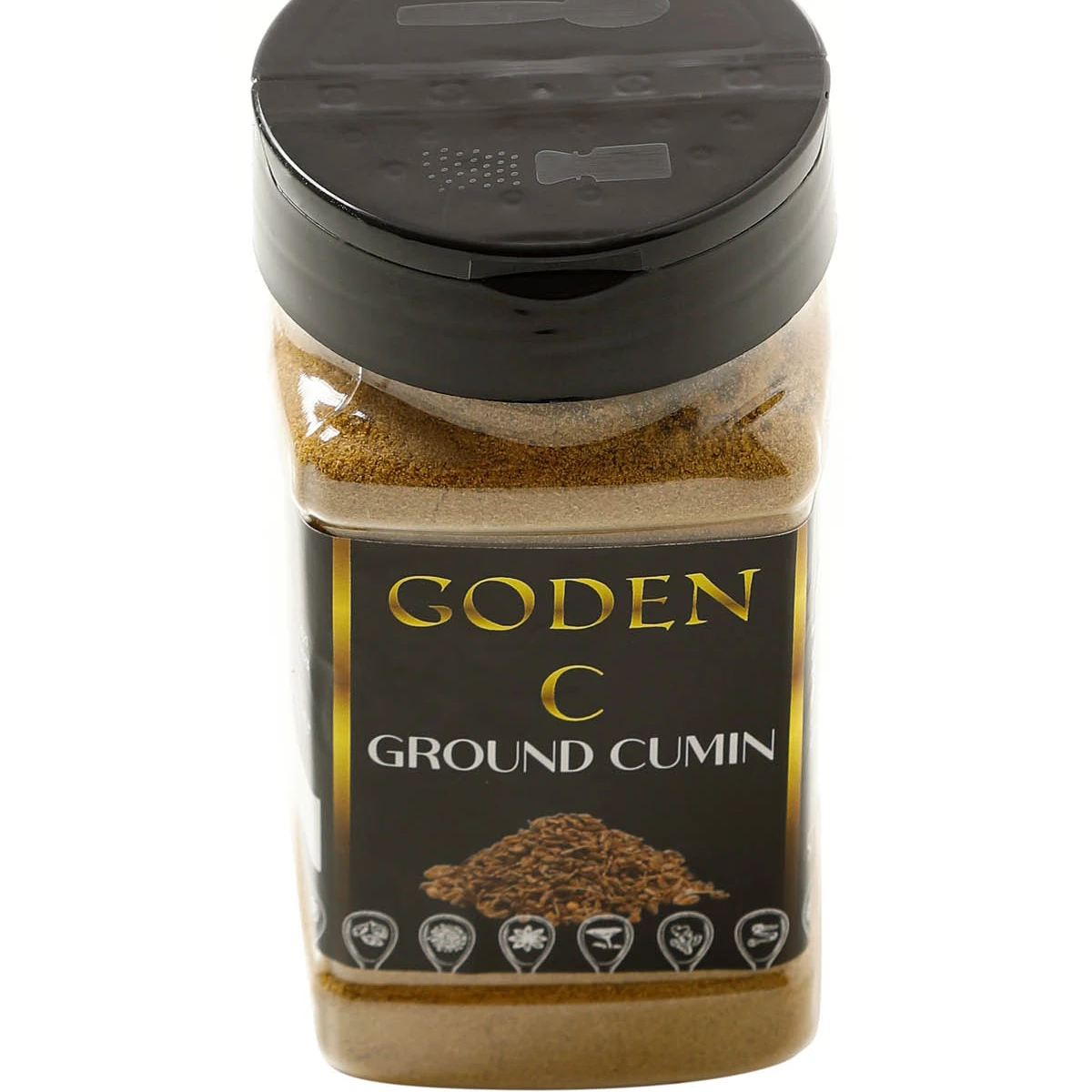
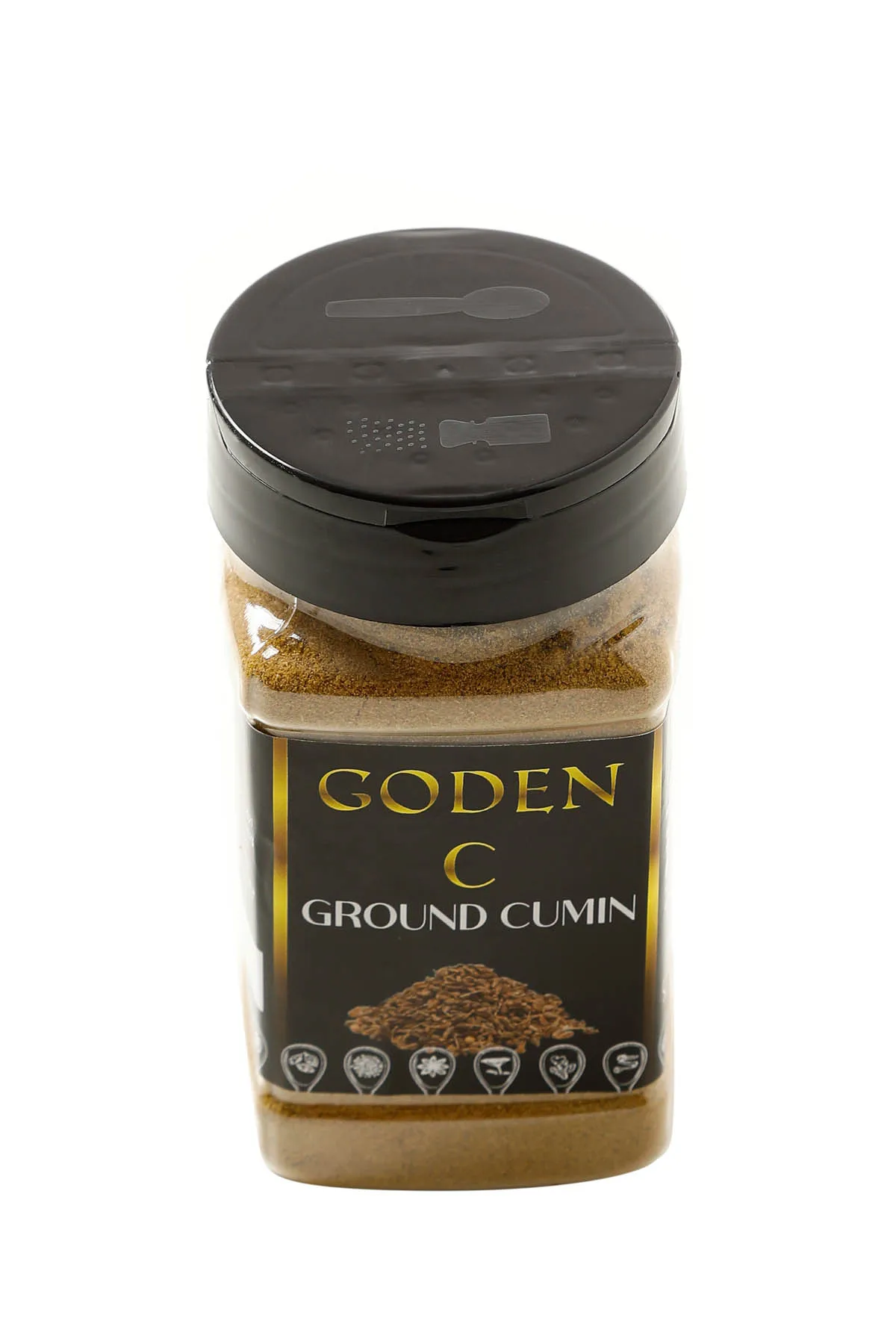
High Quality Cumin and Free Gifted Storage Box Container OEM Spices Powdered Ground or Seeds
- Category: >>>
- Supplier: 3H Grup Elektronik Hizmetleri Iletisim Satis Ve Dis Ticaret Limited Sirketi
Share on (11000004261638):
Product Overview
Description
Product Description
Cumin is a herbaceous spice from the parsley family; Its homeland is the Mediterranean and the Middle East. Cumin, a spice widely used in Turkish, Latin, Indian and Arabic cuisine, has also been used as a medicinal herb since ancient times. Black cumin seeds contain about 100 different chemical components, including carbohydrates, minerals, protein and fatty acids. It is believed that cumin, which has a special place in Islamic culture, cures all diseases except death. Cumin, which is good for cardiovascular health and diabetes, also strengthens the immune system. Since excessive consumption of cumin, which has many health benefits, can cause serious health problems, it is useful to use it in moderation.
What is cumin?
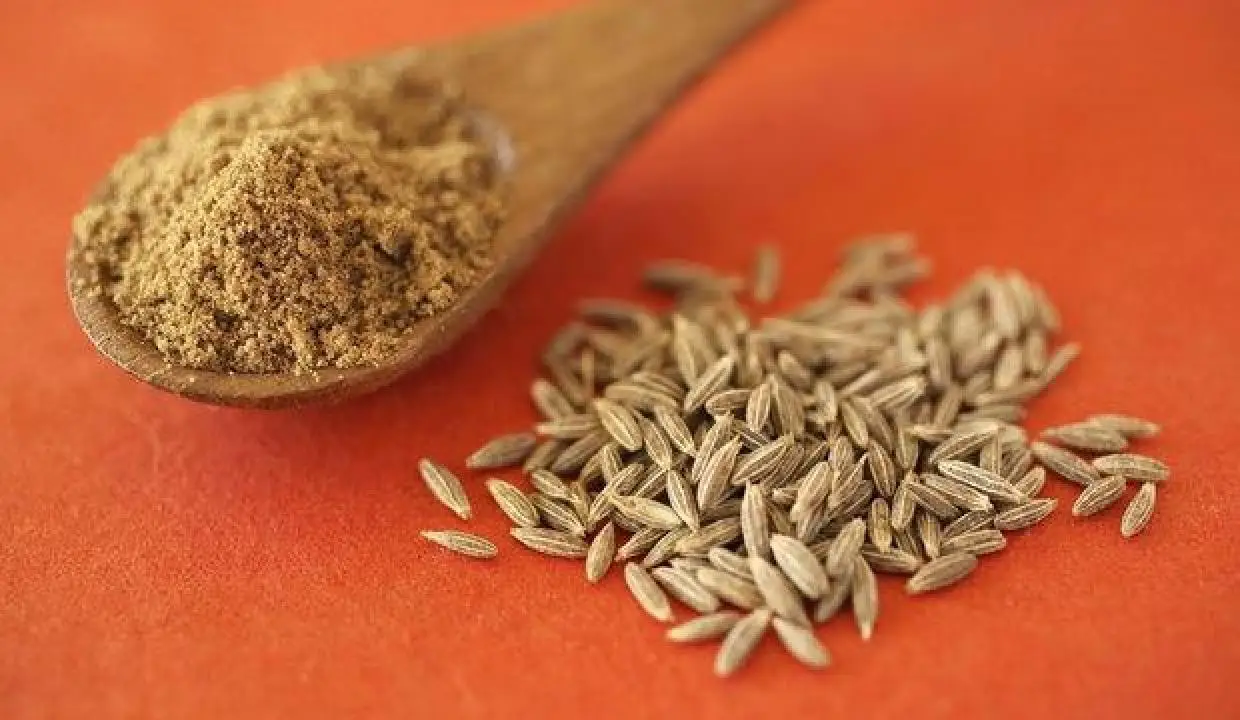
Cumin is the most widely used spice after black pepper in many parts of the world, especially in Mexico, India, Africa and Asia. It is sold in the form of dried seeds or ground powder. It is also used in many spice mixes, such as curry powder. In addition to adding flavor to the dishes, it has been used for healing purposes in many parts of the world for years. It is used in some Southeast Asian countries for digestion, cough, pain and liver diseases.
In Iran, they use cumin to treat strokes, and in Tunisia to prevent infections and help lower blood pressure. With research proving the health benefits of cumin, interest in this spice is also increasing.
Nutritional value of cumin
Cumin, which is literally an iron store, is a plant rich in vitamins and minerals. Cumin seeds contain high levels of calcium, potassium and magnesium. It is also an ideal source of vitamins A, B12, B6, C and D. Cumin, which is rich in amino acids, protein and carbohydrates, is a fibrous food.
CUMIN BENEFITS
regulates digestion
Magnesium, sodium and essential oils in cumin; It accelerates the digestive system, by adding some hot water, it is good for stomach pains when consumed. Cumin treats most gastrointestinal disorders, especially bloating. Relieves irritable bowel syndrome symptoms. As an effective carminative, it relieves your gas problems. The substance called thymol in cumin stimulates the glands in the intestines that secrete enzymes responsible for the digestion of food. The aroma of cumin activates the salivary glands in the mouth and facilitates the digestion of food.
Supports muscle and bone development
Known as an iron store, cumin supports growth in children. It provides the renewal of the blood lost during the menstrual period of young women. When consumed by children, it contributes to the healthy muscle and bone development of children. You can add some cumin spice to your meals to avoid iron deficiency.
Helps treat diabetes
Cumin, which reduces the amount of high sugar in the blood, is effective in the treatment of diabetes. AGEs are formed when sugar produced in the blood loses its normal function and binds to protein. AGEs damage kidneys, nerves, and small blood vessels. Cumin contains important components that reduce AGEs. With cumin supplements, blood sugar can be kept under control.
Protects our cells against free radicals
As an antioxidant rich in phenols, flavonoids and alkaloids, it fights free radicals that damage our body. By keeping our body away from harmful chemicals, it prevents the oxidation process. It prevents free radicals from causing inflammation and damaging DNA.
Lowers high cholesterol
By lowering bad LDL cholesterol levels, cumin reduces unhealthy blood triglycerides. In a scientific study, improvements in blood cholesterol were obtained in patients using cumin supplements. However, it is not yet known whether cumin used as a spice in the diet has the same effect.
Prevents foodborne illness
This medicinal plant, which has some antimicrobial properties, minimizes the risk of foodborne infection. When digested, it releases a compound called megalomycin, which acts as an antibiotic. It prevents the growth of foodborne bacteria and infectious fungi. It reduces the drug resistance of some bacteria.
Helps to get rid of drug addiction
In line with scientific studies in mice, it has been determined that cumin reduces addiction and withdrawal symptoms. However, it is not yet clear whether this effect applies to humans.
Treats asthma and bronchitis
Acting just like an expectorant, cumin ensures that sputum is expelled by sneezing, coughing and spitting. Cumin tea can be used in the natural treatment of respiratory tract infections such as asthma and bronchitis.
Prevents cancer
As an anti-carcinogen and antioxidant, it prevents you from getting many types of cancer, especially colon and breast cancer. By stopping tumor formation, it prevents the spread of the tumor to larger areas.
Good for heart health
It fights bad cholesterol and is good for cardiovascular health. It significantly reduces the risk of atherosclerosis, heart attack and stroke.
BENEFITS OF CUMIN TO SKIN AND HAIR
Acne and pimples:
By showing a detox effect, it purifies our skin from toxins. It is good for acne, skin rashes and blemishes, skin irritations and sunburns. Revitalizes the skin.
Skin diseases: Thanks to the vitamin E in its content, it nourishes and moisturizes the skin. Cumin paste applied to the skin heals skin conditions such as eczema and psoriasis. Protects the skin against fungal and microbial infections.
Signs of aging:
It naturally treats signs of aging such as wrinkles, sagging and age spots on the skin. It contributes to a healthier, younger and more beautiful skin.
Skin itches: Cumin oil is a powerful itch reliever. If you suffer from itching on your skin caused by stress or other reasons, you can add cumin seeds to boiling water and take a shower with this water. Or you can massage your skin with oil.
Hair loss and dandruff:
It prevents hair loss and dandruff formation and makes newly growing hair healthier and stronger. It makes your hair thick. For hair loss, you can mix some black cumin oil with an equal amount of olive oil and apply it to the hair. You can also use cumin oils, which are sold in capsule form.
Does cumin make you lose weight?
In a study to determine whether cumin weakens or not, cumin supplements were added to some yogurt and consumed by patients. It has been determined that those who consume yogurt with cumin lose weight more easily than those who consume yogurt without cumin.
Regular use of concentrated cumin supplements has facilitated weight loss in many studies. However, since the same results cannot be obtained from all studies, more scientific studies are needed in this regard. However, cumin is recommended by many dietitians for those who want to lose weight in a healthy way.
Benefits of cumin tea
In order to maximize the benefits of cumin, you can consume one or two glasses of cumin tea a day. This tea has all the benefits of cumin. In addition to strengthening memory, it is effective in the treatment of depression. It is good for stress and tension, calms you and relieves your tension. A cup of cumin tea, drunk a few hours before going to bed at night, helps you sleep more comfortably.
How is cumin tea prepared?
First, put 1 glass of water and 1/2 teaspoon of cumin seeds in a coffee pot. After boiling, let the tea steep for 5 minutes. You can drink your tea when it is warm.
How is cumin used?
Cumin has many uses. Cumin powder, which is sold in powder form in herbalists, is used as a spice in meals. Tea can be prepared by infusing cumin seeds. Its oil can be applied topically for skin conditions. In addition, this oil can be added to shampoos in small amounts to nourish the hair. In addition, many skin and hair care products produced in the cosmetics industry also contain cumin extract.
Dishes using cumin
Cumin is a spice that adds flavor to most dishes, but due to its pungent smell, it can suppress the taste of food when used too much. Therefore, it should be used with caution. It can be used in almost all meat dishes. It is very suitable for meatballs, tandoori, shish shish, kebab varieties and chicken dishes. You can also use it when marinating meats.
Cumin can be used not only in meat dishes but also in vegetable dishes. It is the indispensable spice of legumes such as dried beans, lentils and chickpeas. If you are cooking Indian or Middle Eastern cuisine, you can use cumin abundantly.
Cumin use while pregnant
The use of cumin during pregnancy relieves many digestive problems such as gas, indigestion, and indigestion that expectant mothers often encounter. It also takes away the stress and tension of the expectant mother. However, its excessive consumption can lead to premature birth and miscarriage in pregnancy. Since there is not enough research on this subject, it should be used with caution and not overdo it.
Cumin use while breastfeeding
When cumin is consumed by breastfeeding mothers, it increases milk secretion and quality of milk in the mother. Cumin also has a feature of beautifying the smell of breast milk. Mix a teaspoon of sugar and powdered cumin and consume it with warm milk every day before going to bed. You can also drink tea without overdoing it.
What is cumin?
Cumin is the most widely used spice after black pepper in many parts of the world, especially in Mexico, India, Africa and Asia. It is sold in the form of dried seeds or ground powder. It is also used in many spice mixes, such as curry powder. In addition to adding flavor to the dishes, it has been used for healing purposes in many parts of the world for years. It is used in some Southeast Asian countries for digestion, cough, pain and liver diseases.
In Iran, they use cumin to treat strokes, and in Tunisia to prevent infections and help lower blood pressure. With research proving the health benefits of cumin, interest in this spice is also increasing.
Nutritional value of cumin
Cumin, which is literally an iron store, is a plant rich in vitamins and minerals. Cumin seeds contain high levels of calcium, potassium and magnesium. It is also an ideal source of vitamins A, B12, B6, C and D. Cumin, which is rich in amino acids, protein and carbohydrates, is a fibrous food.
CUMIN BENEFITS
regulates digestion
Magnesium, sodium and essential oils in cumin; It accelerates the digestive system, by adding some hot water, it is good for stomach pains when consumed. Cumin treats most gastrointestinal disorders, especially bloating. Relieves irritable bowel syndrome symptoms. As an effective carminative, it relieves your gas problems. The substance called thymol in cumin stimulates the glands in the intestines that secrete enzymes responsible for the digestion of food. The aroma of cumin activates the salivary glands in the mouth and facilitates the digestion of food.
Supports muscle and bone development
Known as an iron store, cumin supports growth in children. It provides the renewal of the blood lost during the menstrual period of young women. When consumed by children, it contributes to the healthy muscle and bone development of children. You can add some cumin spice to your meals to avoid iron deficiency.
Helps treat diabetes
Cumin, which reduces the amount of high sugar in the blood, is effective in the treatment of diabetes. AGEs are formed when sugar produced in the blood loses its normal function and binds to protein. AGEs damage kidneys, nerves, and small blood vessels. Cumin contains important components that reduce AGEs. With cumin supplements, blood sugar can be kept under control.
Protects our cells against free radicals
As an antioxidant rich in phenols, flavonoids and alkaloids, it fights free radicals that damage our body. By keeping our body away from harmful chemicals, it prevents the oxidation process. It prevents free radicals from causing inflammation and damaging DNA.
Lowers high cholesterol
By lowering bad LDL cholesterol levels, cumin reduces unhealthy blood triglycerides. In a scientific study, improvements in blood cholesterol were obtained in patients using cumin supplements. However, it is not yet known whether cumin used as a spice in the diet has the same effect.
Prevents foodborne illness
This medicinal plant, which has some antimicrobial properties, minimizes the risk of foodborne infection. When digested, it releases a compound called megalomycin, which acts as an antibiotic. It prevents the growth of foodborne bacteria and infectious fungi. It reduces the drug resistance of some bacteria.
Helps to get rid of drug addiction
In line with scientific studies in mice, it has been determined that cumin reduces addiction and withdrawal symptoms. However, it is not yet clear whether this effect applies to humans.
Treats asthma and bronchitis
Acting just like an expectorant, cumin ensures that sputum is expelled by sneezing, coughing and spitting. Cumin tea can be used in the natural treatment of respiratory tract infections such as asthma and bronchitis.
Prevents cancer
As an anti-carcinogen and antioxidant, it prevents you from getting many types of cancer, especially colon and breast cancer. By stopping tumor formation, it prevents the spread of the tumor to larger areas.
Good for heart health
It fights bad cholesterol and is good for cardiovascular health. It significantly reduces the risk of atherosclerosis, heart attack and stroke.
BENEFITS OF CUMIN TO SKIN AND HAIR
Acne and pimples:
By showing a detox effect, it purifies our skin from toxins. It is good for acne, skin rashes and blemishes, skin irritations and sunburns. Revitalizes the skin.
Skin diseases: Thanks to the vitamin E in its content, it nourishes and moisturizes the skin. Cumin paste applied to the skin heals skin conditions such as eczema and psoriasis. Protects the skin against fungal and microbial infections.
Signs of aging:
It naturally treats signs of aging such as wrinkles, sagging and age spots on the skin. It contributes to a healthier, younger and more beautiful skin.
Skin itches: Cumin oil is a powerful itch reliever. If you suffer from itching on your skin caused by stress or other reasons, you can add cumin seeds to boiling water and take a shower with this water. Or you can massage your skin with oil.
Hair loss and dandruff:
It prevents hair loss and dandruff formation and makes newly growing hair healthier and stronger. It makes your hair thick. For hair loss, you can mix some black cumin oil with an equal amount of olive oil and apply it to the hair. You can also use cumin oils, which are sold in capsule form.
Does cumin make you lose weight?
In a study to determine whether cumin weakens or not, cumin supplements were added to some yogurt and consumed by patients. It has been determined that those who consume yogurt with cumin lose weight more easily than those who consume yogurt without cumin.
Regular use of concentrated cumin supplements has facilitated weight loss in many studies. However, since the same results cannot be obtained from all studies, more scientific studies are needed in this regard. However, cumin is recommended by many dietitians for those who want to lose weight in a healthy way.
Benefits of cumin tea
In order to maximize the benefits of cumin, you can consume one or two glasses of cumin tea a day. This tea has all the benefits of cumin. In addition to strengthening memory, it is effective in the treatment of depression. It is good for stress and tension, calms you and relieves your tension. A cup of cumin tea, drunk a few hours before going to bed at night, helps you sleep more comfortably.
How is cumin tea prepared?
First, put 1 glass of water and 1/2 teaspoon of cumin seeds in a coffee pot. After boiling, let the tea steep for 5 minutes. You can drink your tea when it is warm.
How is cumin used?
Cumin has many uses. Cumin powder, which is sold in powder form in herbalists, is used as a spice in meals. Tea can be prepared by infusing cumin seeds. Its oil can be applied topically for skin conditions. In addition, this oil can be added to shampoos in small amounts to nourish the hair. In addition, many skin and hair care products produced in the cosmetics industry also contain cumin extract.
Dishes using cumin
Cumin is a spice that adds flavor to most dishes, but due to its pungent smell, it can suppress the taste of food when used too much. Therefore, it should be used with caution. It can be used in almost all meat dishes. It is very suitable for meatballs, tandoori, shish shish, kebab varieties and chicken dishes. You can also use it when marinating meats.
Cumin can be used not only in meat dishes but also in vegetable dishes. It is the indispensable spice of legumes such as dried beans, lentils and chickpeas. If you are cooking Indian or Middle Eastern cuisine, you can use cumin abundantly.
Cumin use while pregnant
The use of cumin during pregnancy relieves many digestive problems such as gas, indigestion, and indigestion that expectant mothers often encounter. It also takes away the stress and tension of the expectant mother. However, its excessive consumption can lead to premature birth and miscarriage in pregnancy. Since there is not enough research on this subject, it should be used with caution and not overdo it.
Cumin use while breastfeeding
When cumin is consumed by breastfeeding mothers, it increases milk secretion and quality of milk in the mother. Cumin also has a feature of beautifying the smell of breast milk. Mix a teaspoon of sugar and powdered cumin and consume it with warm milk every day before going to bed. You can also drink tea without overdoing it.
Specification
Item | Cumin |
Variety | Allspice |
Product Type | Single Herbs & Spices |
Style | Fresh |
Processing Type | Raw |
Shape | Elongated |
Color | Green |
Place of Origin | Turkey |
Province | Istanbul |
Shelf Life | 2 year |
Brand Name | Goden |
Packing & Delivery


To better ensure the safety of your goods, professional, environmentally friendly, convenient and efficient packaging services will be provided.
Company Profile


Our Nuts, Dried Fruits and Confectionery are supplied by two main warehouses in the factory on an area of 8.000 m2 in Sincan, on an area of 10.000 m2 in Kazan, and also in the logistics and distribution base with an area of 8.000 m2. The sieving, grinding, sizing and packaging processes of our Spices are carried out in-house, powder product sieving capacity is 1 ton/hour, granular product grinding capacity is 2 tons/hour, sizing/sieving unit 1 ton/hour, bag filling unit 4500 pieces/hour and package filling your needs are met with a machine park of 500 packages/hour.
FAQ
1. Who are we?
Our Nuts, Dried Fruits and Confectionery are supplied by two main warehouses in the factory on an area of 8.000 m2 in Sincan, on an area of 10.000 m2 in Kazan, and also in the logistics and distribution base with an area of 8.000 m2.
2. How can we guarantee quality?
Always a pre-production sample before mass production;
Always final Inspection before shipment;
3. What can you buy from us?
Dry Fruits, Nuts, Coffee
4. Why should you buy from us?
Our Nuts, Dried Fruits and Confectionery are supplied by two main warehouses in the factory on an area of 8.000 m2 in Sincan, on an area of 10.000 m2 in Kazan, and also in the logistics and distribution base with an area of 8.000 m2.
2. How can we guarantee quality?
Always a pre-production sample before mass production;
Always final Inspection before shipment;
3. What can you buy from us?
Dry Fruits, Nuts, Coffee
4. Why should you buy from us?
The sieving, grinding, sizing and packaging processes of our Spices are carried out in-house, powder product sieving capacity is 1 ton/hour, granular product grinding capacity is 2 tons/hour, sizing/sieving unit 1 ton/hour, bag filling unit 4500 pieces/hour and package filling your needs are met with a machine park of 500 packages/hour.
5. Which services can we provide?
Accepted Delivery Terms: FOB, EXW, CIF, Express Delivery
Accepted Payment Currency: USD, EUR
Accepted Payment Type: T/T
Language Spoken: English
5. Which services can we provide?
Accepted Delivery Terms: FOB, EXW, CIF, Express Delivery
Accepted Payment Currency: USD, EUR
Accepted Payment Type: T/T
Language Spoken: English
We Recommend


New Arrivals
New products from manufacturers at wholesale prices