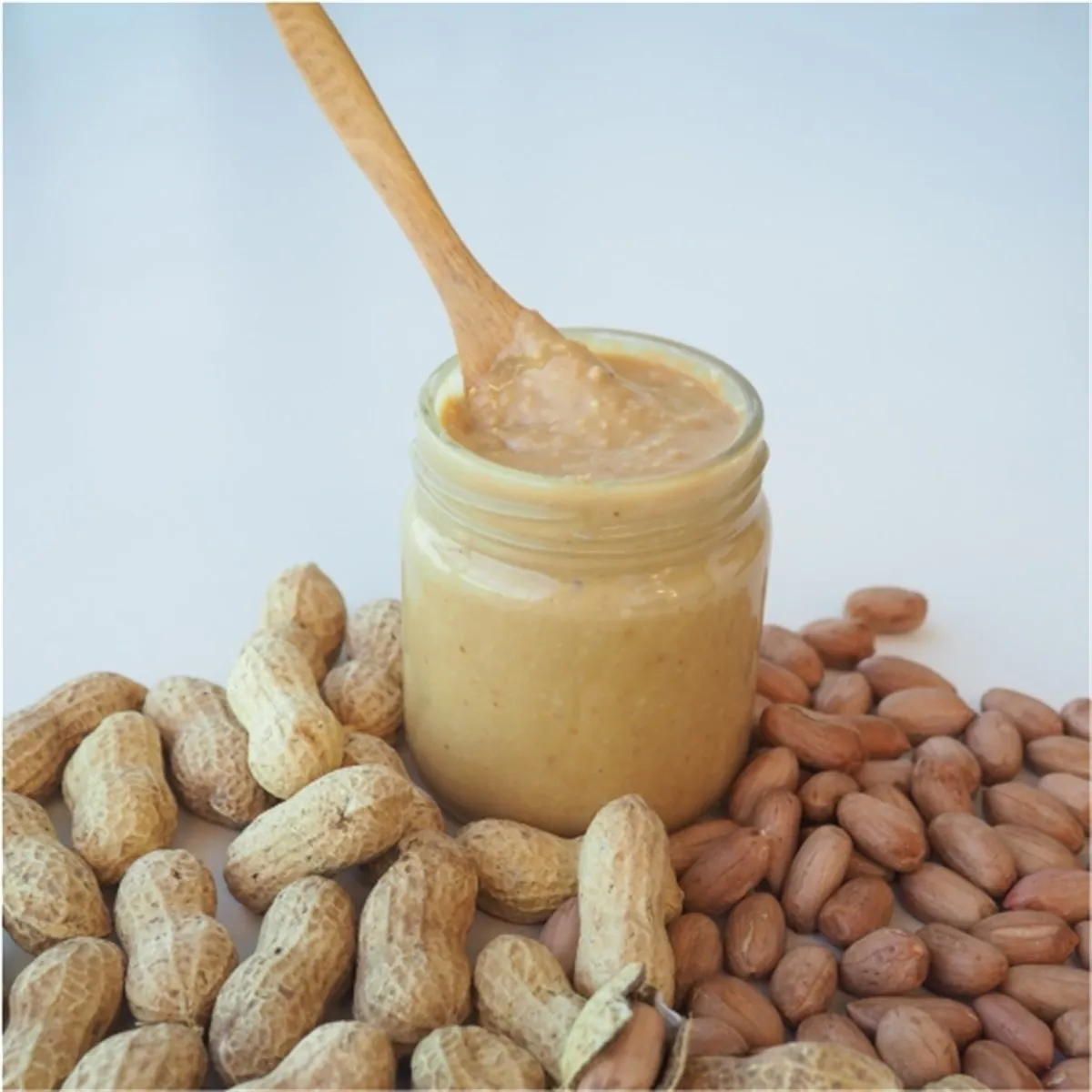
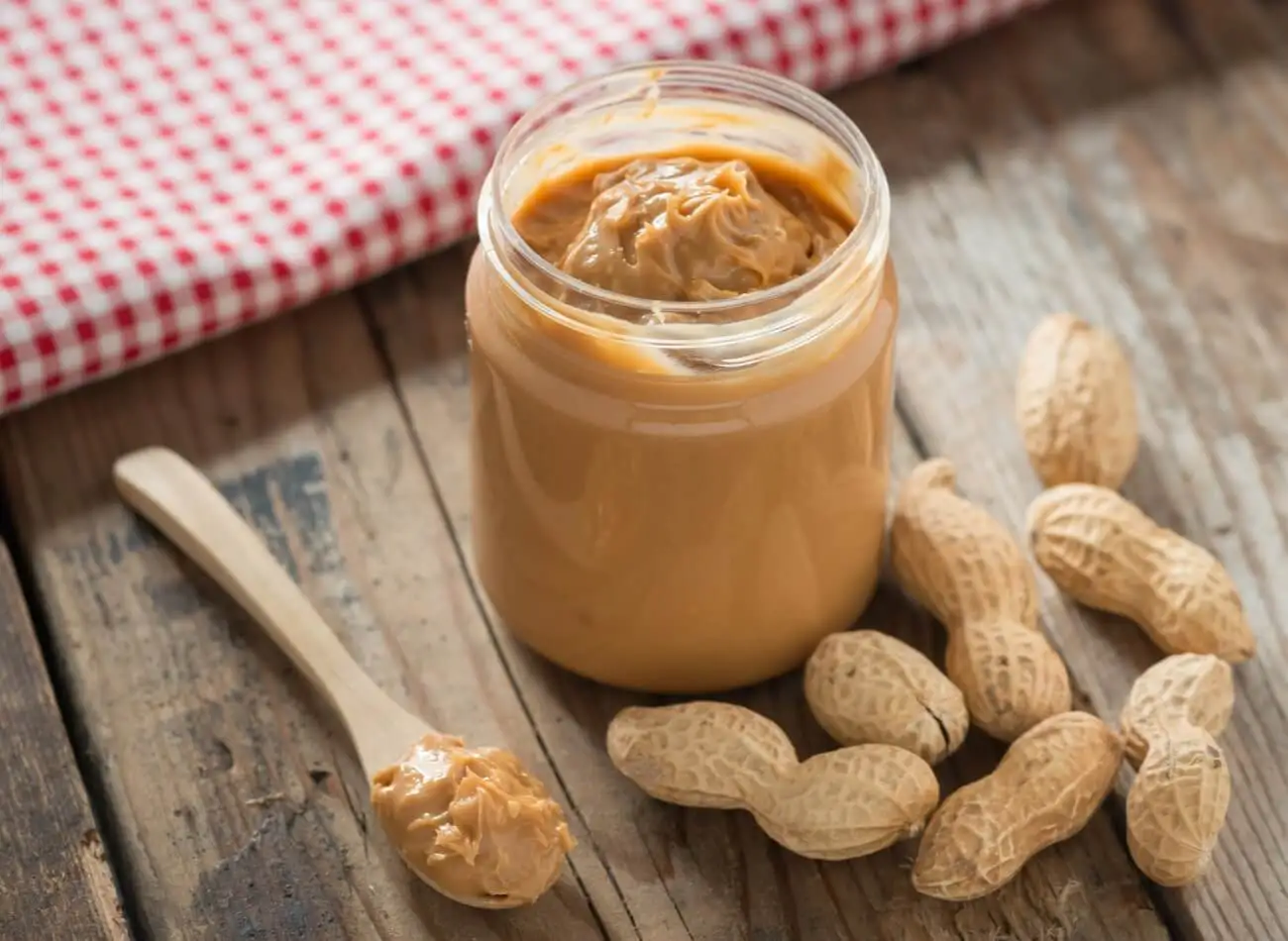
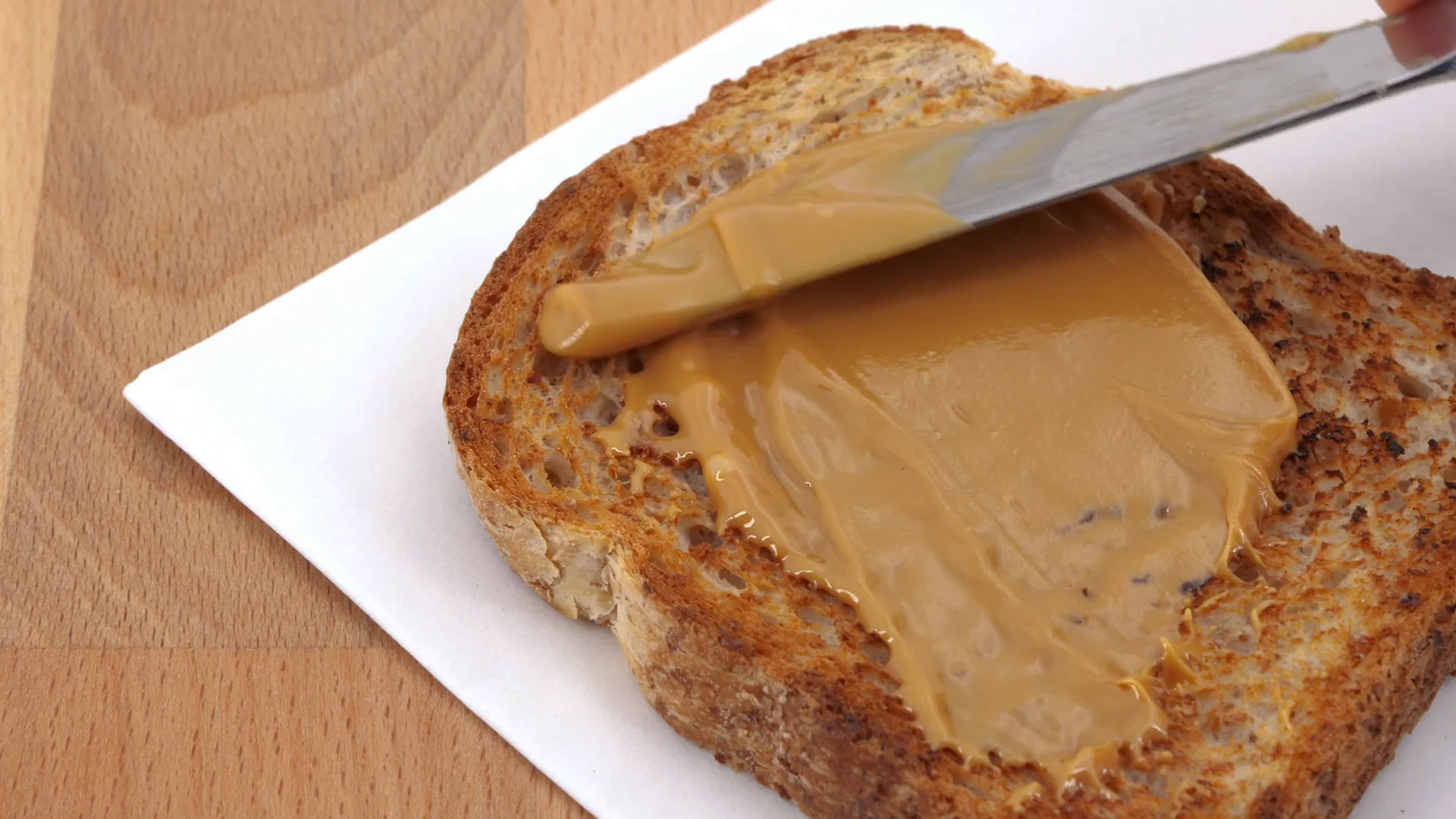
Best Quality Turkish PEANUT BUTTER Wholesale Price Bulk Natural Yellow
- Category: >>>
- Supplier: 3H Grup Elektronik Hizmetleri Iletisim Satis Ve Dis Ticaret Limited Sirketi
Share on (11000004765546):
Product Overview
Description
Product Description
Product Description
.Peanut is among the indispensable foods of healthy nutrition lists with its unique taste and high nutritional value. Peanut, which
contains all 20 amino acids that make up proteins, is also a rich source of arginine, which plays an important role in sports
nutrition. In addition to strengthening the immune system, arginine is effective in the repair of muscle cells and new cell
synthesis. Peanuts containing high levels of antioxidant compounds; It is notable for its high protein and fiber content. It is
also rich in minerals such as calcium, iron, copper, magnesium, manganese, potassium, phosphorus, zinc, selenium and vitamins such
as vitamin E, vitamin B1, vitamin B2, vitamin B6, vitamin B9. Peanut butter made using peanuts is as beneficial as the nut itself.
However, since it contains more calories, it may need to be consumed carefully by those who pay attention to their weight.
What Are the 5 Benefits of Peanut Butter?
The benefits of peanut butter, which play an important role in maintaining general health status thanks to the antioxidant
compounds, healthy fats, vitamins and minerals it contains, are as follows:
Strengthens the immune system
Peanut butter, which facilitates the elimination of toxins and excess water in the body thanks to the antioxidant components,
vitamins and minerals it contains, helps the immune system cells to work more effectively. By strengthening the immune system, it
supports the body's fight against infections and reduces the risk of getting diseases. At the same time, thanks to its components
such as vitamin E, B complex vitamins, zinc and selenium, it strengthens memory and brain functions.
It is a protein store
Peanut butter is a protein-rich food. 100 grams of peanut butter contains about 25 grams of protein. The product, which helps to
meet the protein needs of vegan diets because it is of plant origin, is also among the favorite foods of athletes. It provides the
protein needed for the repair of damaged muscle cells and new cell synthesis after training. Peanut butter, which is a quality
energy source for pre-workout, also helps to reduce muscle soreness after training thanks to the potassium and arginine it
contains.
Contains high fiber
100 grams of peanut butter contains about 6 grams of fiber. Thanks to its high fiber content, it increases both intestinal volume
and movements, making it easier to overcome digestive system problems such as constipation. Although it is high in calories,
adding some peanut butter to weight loss diets can help prevent constipation, which is common when dieting. Peanuts contain a
substance called beta sitesterol, and this component reduces the secretion of stress hormones. In other words, you can observe
improvements in your mood when you regularly consume peanut butter.
Decreases the feeling of hunger
Thanks to its high fiber content, peanut butter, which leaves the stomach late, creates a feeling of fullness for a long time.
Especially in weight loss diets, peanut butter can be added to snacks to suppress the feeling of hunger. Delayed digestion of
peanut butter, which is also rich in healthy fats, gradually raises blood sugar and may prevent the development of insulin
resistance. Adding peanut butter to the diet program of diabetic patients in a controlled manner can play a supportive role in
their treatment.
Reduces the risk of heart diseases
Peanut butter, rich in polyunsaturated fatty acids, which play an important role in maintaining cardiovascular health, can help
lower cholesterol. The nutrient, which reduces the risk of cardiovascular diseases, also reduces the risk of stroke and stroke
thanks to its high potassium content.
contains all 20 amino acids that make up proteins, is also a rich source of arginine, which plays an important role in sports
nutrition. In addition to strengthening the immune system, arginine is effective in the repair of muscle cells and new cell
synthesis. Peanuts containing high levels of antioxidant compounds; It is notable for its high protein and fiber content. It is
also rich in minerals such as calcium, iron, copper, magnesium, manganese, potassium, phosphorus, zinc, selenium and vitamins such
as vitamin E, vitamin B1, vitamin B2, vitamin B6, vitamin B9. Peanut butter made using peanuts is as beneficial as the nut itself.
However, since it contains more calories, it may need to be consumed carefully by those who pay attention to their weight.
What Are the 5 Benefits of Peanut Butter?
The benefits of peanut butter, which play an important role in maintaining general health status thanks to the antioxidant
compounds, healthy fats, vitamins and minerals it contains, are as follows:
Strengthens the immune system
Peanut butter, which facilitates the elimination of toxins and excess water in the body thanks to the antioxidant components,
vitamins and minerals it contains, helps the immune system cells to work more effectively. By strengthening the immune system, it
supports the body's fight against infections and reduces the risk of getting diseases. At the same time, thanks to its components
such as vitamin E, B complex vitamins, zinc and selenium, it strengthens memory and brain functions.
It is a protein store
Peanut butter is a protein-rich food. 100 grams of peanut butter contains about 25 grams of protein. The product, which helps to
meet the protein needs of vegan diets because it is of plant origin, is also among the favorite foods of athletes. It provides the
protein needed for the repair of damaged muscle cells and new cell synthesis after training. Peanut butter, which is a quality
energy source for pre-workout, also helps to reduce muscle soreness after training thanks to the potassium and arginine it
contains.
Contains high fiber
100 grams of peanut butter contains about 6 grams of fiber. Thanks to its high fiber content, it increases both intestinal volume
and movements, making it easier to overcome digestive system problems such as constipation. Although it is high in calories,
adding some peanut butter to weight loss diets can help prevent constipation, which is common when dieting. Peanuts contain a
substance called beta sitesterol, and this component reduces the secretion of stress hormones. In other words, you can observe
improvements in your mood when you regularly consume peanut butter.
Decreases the feeling of hunger
Thanks to its high fiber content, peanut butter, which leaves the stomach late, creates a feeling of fullness for a long time.
Especially in weight loss diets, peanut butter can be added to snacks to suppress the feeling of hunger. Delayed digestion of
peanut butter, which is also rich in healthy fats, gradually raises blood sugar and may prevent the development of insulin
resistance. Adding peanut butter to the diet program of diabetic patients in a controlled manner can play a supportive role in
their treatment.
Reduces the risk of heart diseases
Peanut butter, rich in polyunsaturated fatty acids, which play an important role in maintaining cardiovascular health, can help
lower cholesterol. The nutrient, which reduces the risk of cardiovascular diseases, also reduces the risk of stroke and stroke
thanks to its high potassium content.
Specification
item | value |
Place of Origin | Turkey |
Istanbul | |
Brand Name | 3H GRUP |
Primary Ingredient | Peanut, peanut |
Taste | peanut flavor |
Weight (kg) | 1 |
Additives | |
Packaging | Box, Bottle, Mason Jar |
Shelf Life | 2 |
Packing & Delivery


With Gift Storage Box Container, Vacuum Packaging, Labeled Packaging, Printed Packaging can be requested. Weight 500 gr-1 kg-5kg and bulk can be requested.
Company Profile
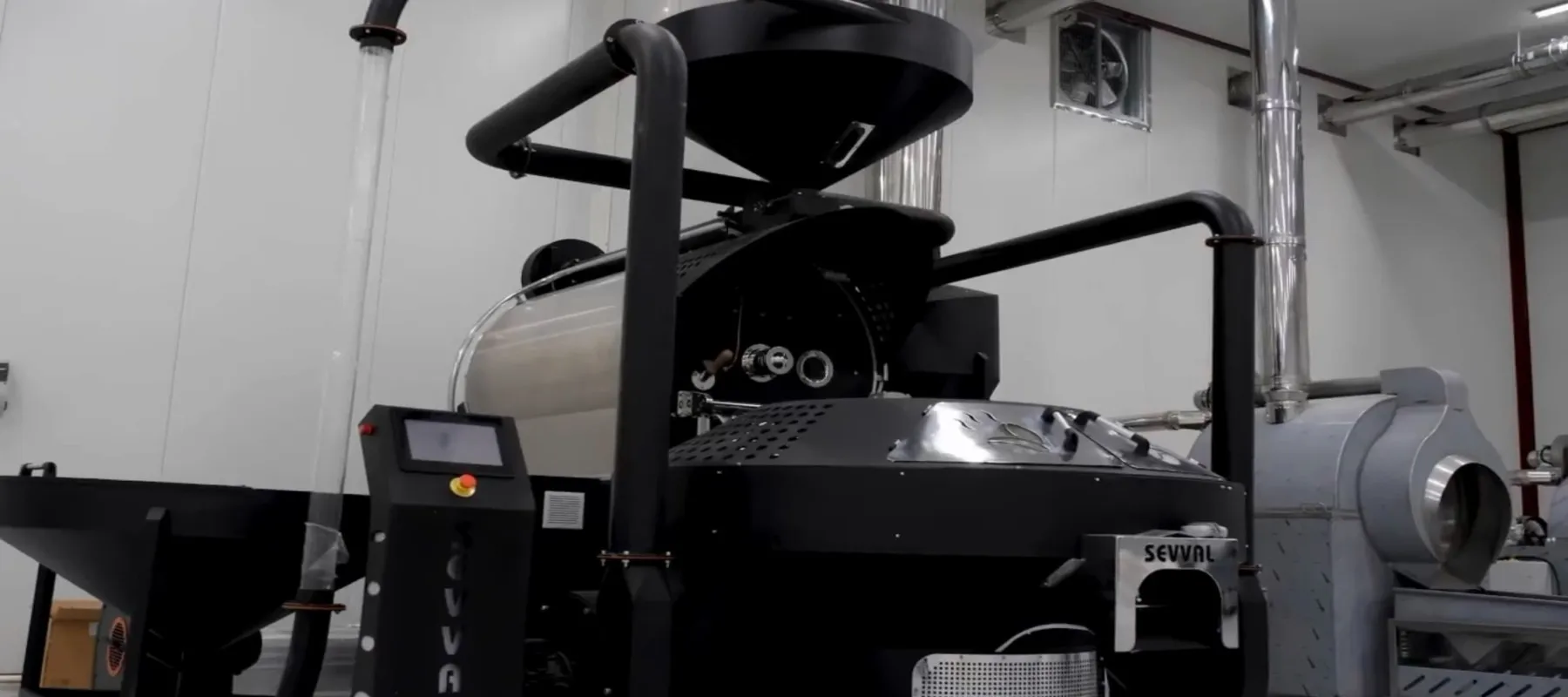
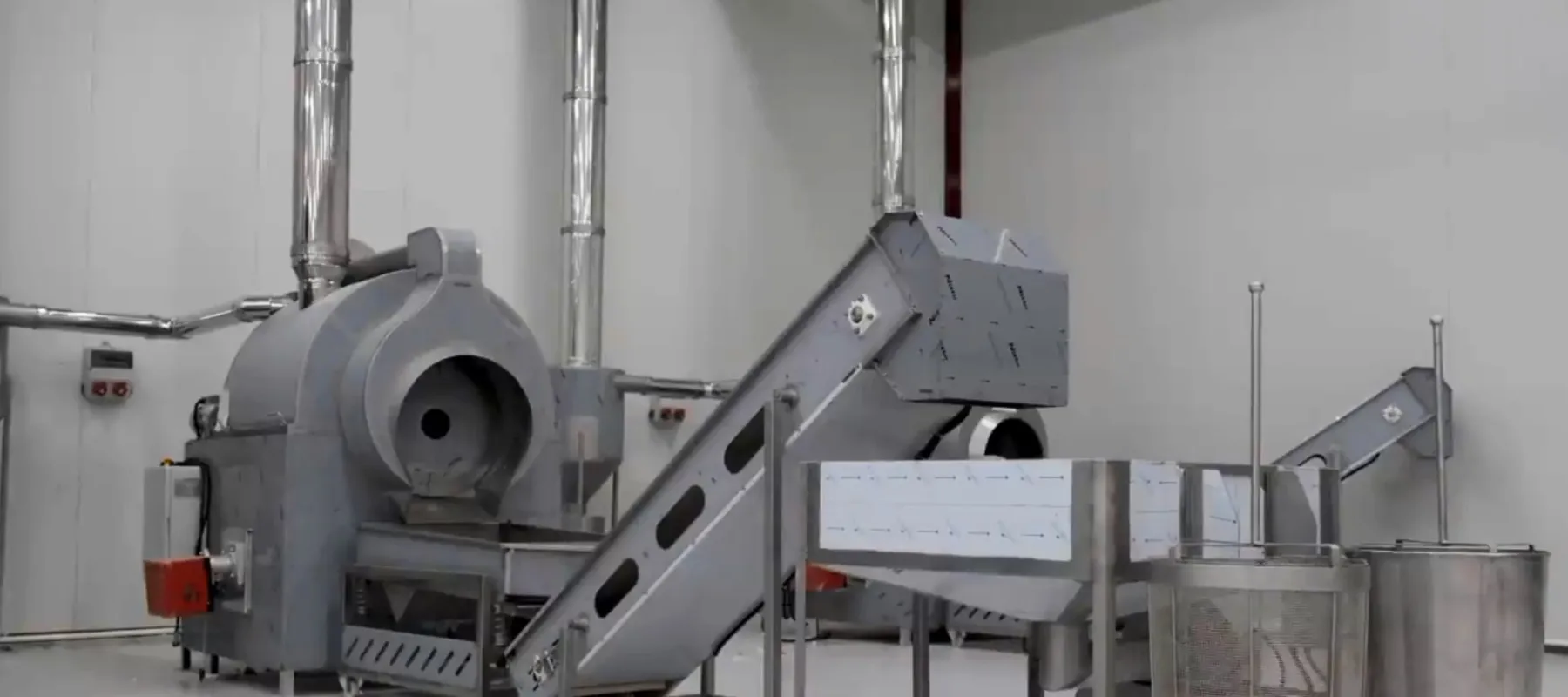

Our Nuts, Dried Fruits and Confectionery are supplied by two main warehouses in the factory on an area of 8.000 m2 in Sincan, on an area of 10.000 m2 in Kazan, and also in the logistics and distribution base with an area of 8.000 m2 .The sieving, grinding, sizing and packaging processes of our Spices are carried out in-house, powder product sieving capacity is 1 ton/hour, granular product grinding capacity is 2 tons/hour, sizing/sieving unit 1 ton/hour, bag filling unit 4500 pieces/hour and package filling your needs are met with a machine park of 500 packages/hour.
FAQ
1. who are we?
We are based in -, Turkey, start from 2000,sell to North America(33.00%),South Asia(16.50%),Eastern Asia(16.50%),Southern Europe(8.50%),Northern Europe(8.50%),Western Europe(8.50%),Eastern Europe(8.50%). There are total about 101-200 people in our office.
2. how can we guarantee quality?
Always a pre-production sample before mass production;
Always final Inspection before shipment;
3.what can you buy from us?
Hazelnut,Mixed Nuts,Dried Apricots,Dried Fig,Oregano
4. why should you buy from us not from other suppliers?
Our nuts, dried fruits and spices are sold in a gift storage container which after the consumption of our product the storage container is suitable for all kinds of food consumption. We are selling in desired weights and in desired quantities.
5. what services can we provide?
Accepted Delivery Terms: FOB,CIF,EXW,Express Delivery;
Accepted Payment Currency:USD,EUR;
Accepted Payment Type: T/T;
Language Spoken:English
We are based in -, Turkey, start from 2000,sell to North America(33.00%),South Asia(16.50%),Eastern Asia(16.50%),Southern Europe(8.50%),Northern Europe(8.50%),Western Europe(8.50%),Eastern Europe(8.50%). There are total about 101-200 people in our office.
2. how can we guarantee quality?
Always a pre-production sample before mass production;
Always final Inspection before shipment;
3.what can you buy from us?
Hazelnut,Mixed Nuts,Dried Apricots,Dried Fig,Oregano
4. why should you buy from us not from other suppliers?
Our nuts, dried fruits and spices are sold in a gift storage container which after the consumption of our product the storage container is suitable for all kinds of food consumption. We are selling in desired weights and in desired quantities.
5. what services can we provide?
Accepted Delivery Terms: FOB,CIF,EXW,Express Delivery;
Accepted Payment Currency:USD,EUR;
Accepted Payment Type: T/T;
Language Spoken:English
We Recommend
New Arrivals
New products from manufacturers at wholesale prices