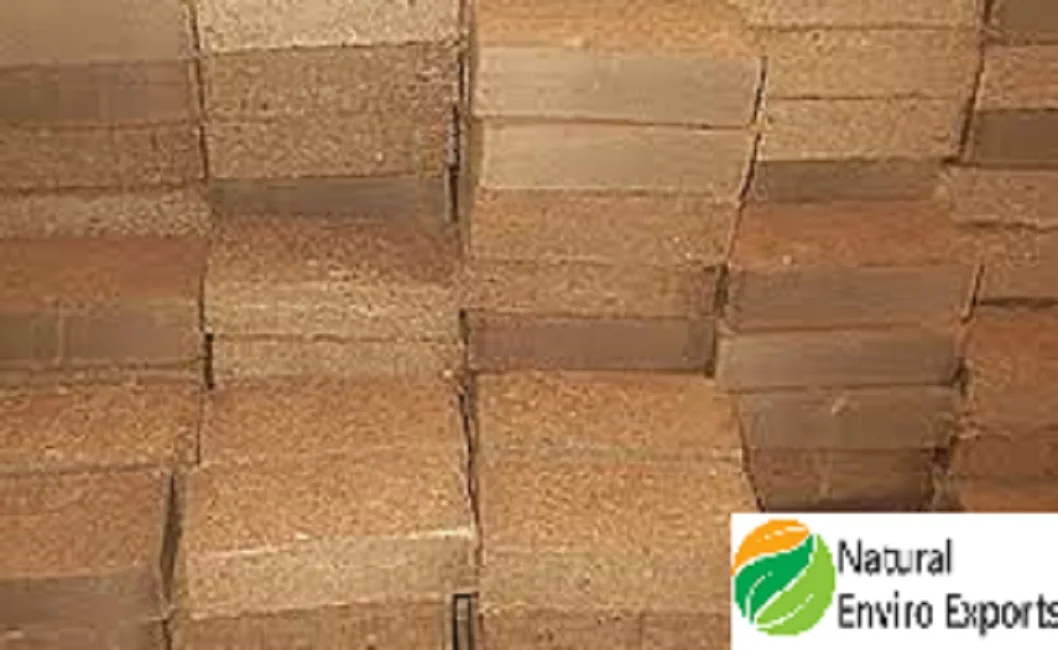
COCO PEAT Block/ Coconut Coir/coconut coir bricks
US $0.05-$0.10
Share on (11000005425671):
Multiuse Pure Coco Coir Peat :-
Coco peat (coco peat), also known as coir pith. Coir Fibre pith, coir dust, or simply coir, is made from coconut husks, which are byproducts of other industries that use coconuts. Coco peat primarily consists of the coir Fibre pith or coir dust which is obtained by processing coconut husk and removing the long fibers.
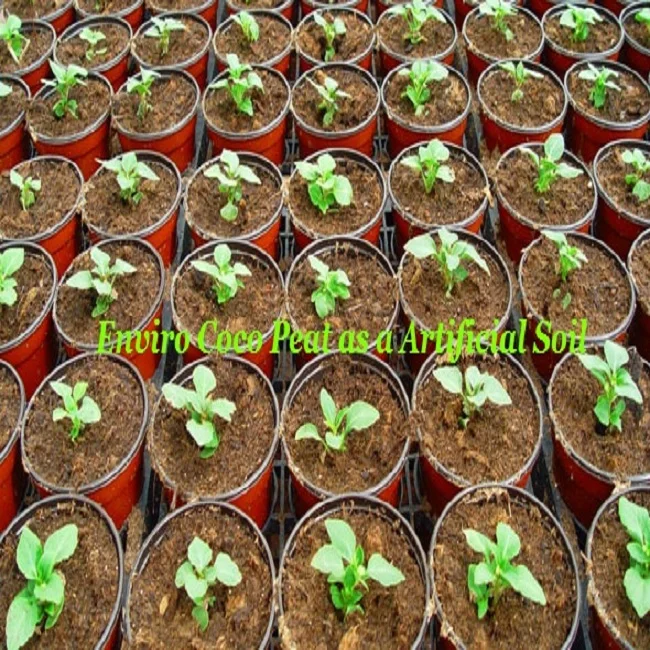
Coco peat is a multi-purpose growing medium made out of coconut husk. The fibrous coconut husk is pre washed, machine dried, sieved and made free from sand and other contaminations such as plant residue and Etc. Coco peat is a very good alternative to traditional peat moss and Rock wool. Its air filled porosity and high water holding capacity makes it, an ideal growing medium for the plant crops. It is 100% ecofriendly, free from soil borne pathogen and weed.
How to Grow Plants in Coco Peat
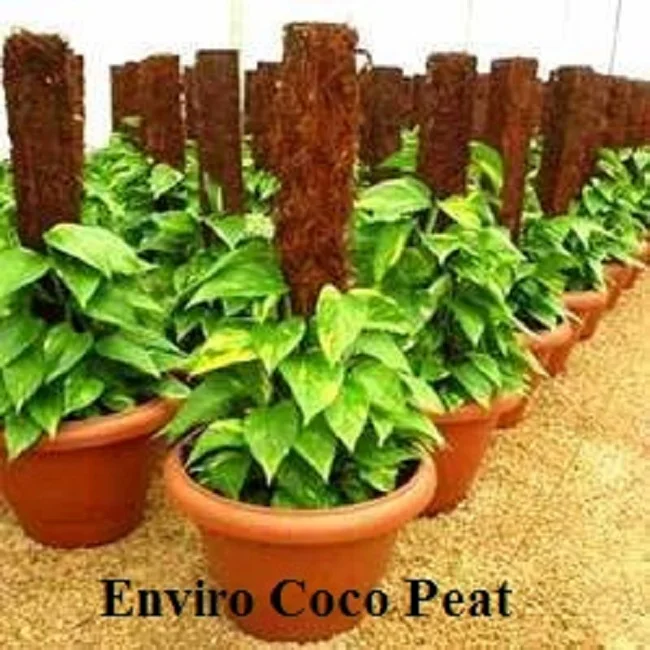
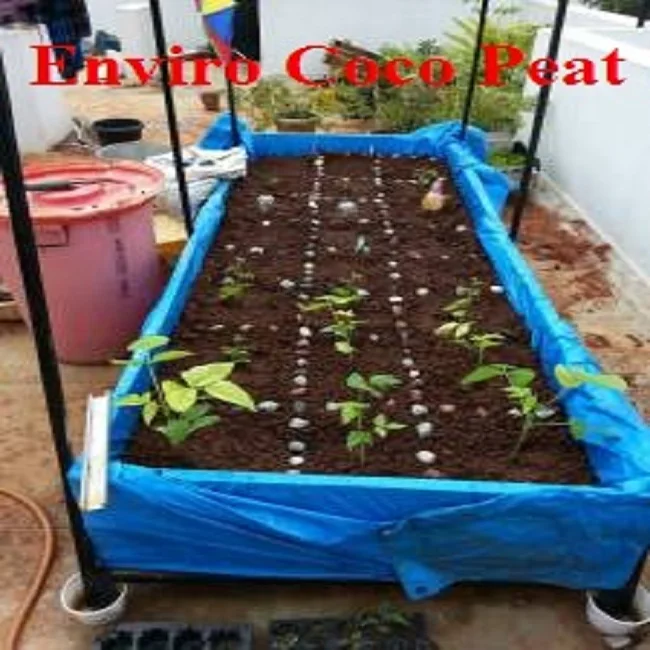
Processed coconut fibers are the byproduct of the coconut industry which, without its usefulness to gardeners, would otherwise be disposed of. As a growing medium similar to sphagnum peat, coco peat, also called coir or coir dust, provides an alternative to potting soil featuring high water retention, suitable aeration and antifungal benefits. Coco peat is not only a natural, often organic product, but also a renewable one with a slightly acidic pH that many plants prefer to grow in.
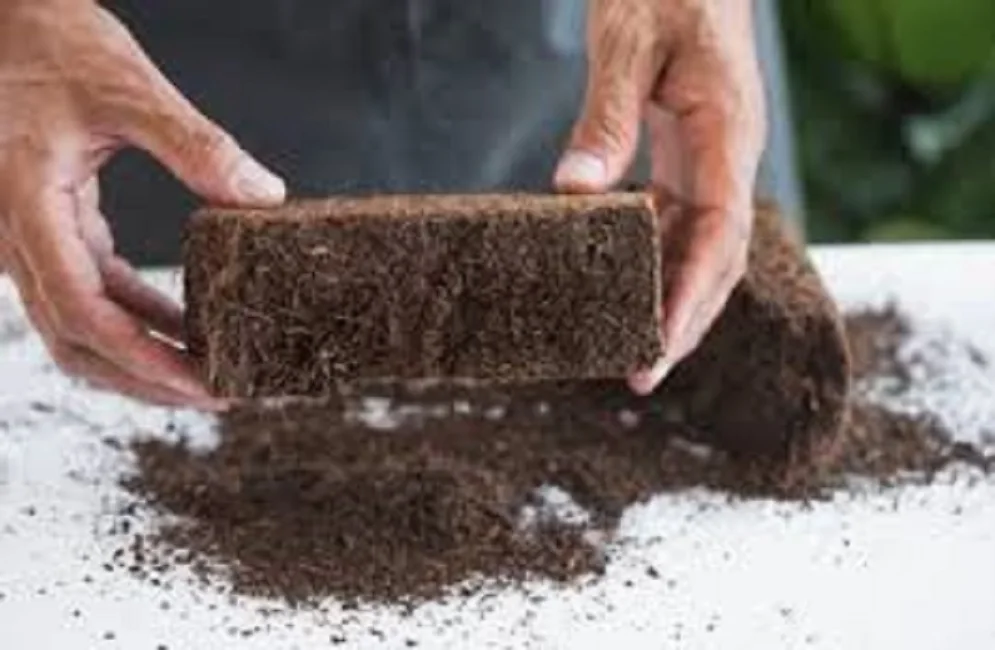
1. Break apart packaged bricks of coco peat into a large bucket with your hands, using as many bricks as needed. Each one-third cubic foot brick of coco peat makes 4 quarts of planting material. Don’t break more than four bricks per five gallon bucket to ensure you have room for mixing.
2. Add 1 gallon of warm water to the broken apart coco peat for each brick you’ve used. Leave the coco peat to absorb the water for two hours, or longer, depending on your brand of coco peat.
3. Mix the material with your hands, a garden trowel or cultivator to fluff the moist coco peat. As you mix, make sure each portion of peat has been moistened. Add more water and fluff again as needed.
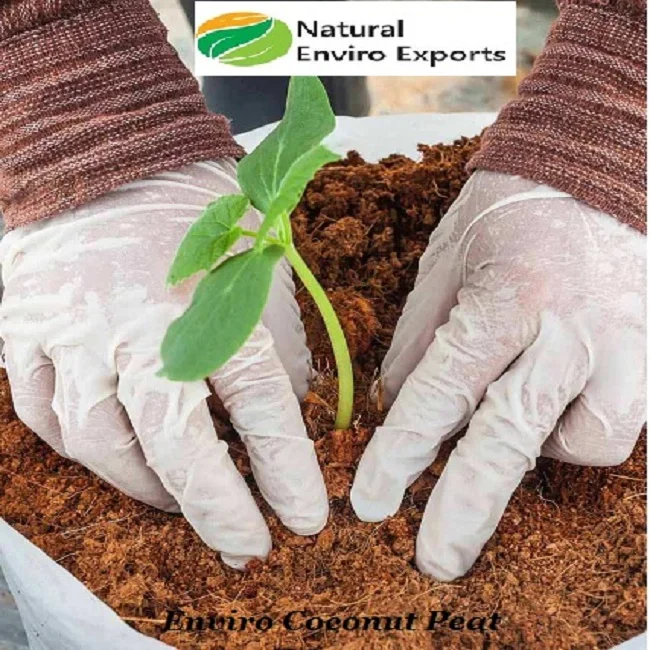
4. Fill a planter to within 2 inches from the top with the moistened and fluffed coco peat. Transplant potted seedlings into the coco peat as you would with potting soil according to the depth needed for your plant. Place the planter in the appropriate sun area for your plant.
5. Water the plant and moisten the coco peat two to three times a week in moderate to cool weather, and three to four times a week during hot months when temperatures are frequently above 80 degrees Fahrenheit.
How to Transfer From Coco-Coir to the Soil
Coco-coir comes from the inner shell of a coconut. The fibrous material supplies organic matter to seedling soils and it's also compressed into biodegradable pots. Coir pots don't require removal before you transplant because the coir breaks down naturally in the soil, which minimizes root disturbance at planting. Although similar to peat in usage, coir is less acidic and comes from a renewable resource. Coir pots and soil can prevent plant roots from accessing needed moisture unless you transplant the seedlings correctly.
<> 1.Water the soil in the pot thoroughly until moisture drains freely from the pot. Use enough water so the sides of the pot also feel moist if the pot is also made of coir.
<


For further communication please feel free to contact us,
Thanks & Regards,
Natural Enviro Exports
neeexpmanager@gmailcom
www.naturalenviro.in


New products from manufacturers at wholesale prices