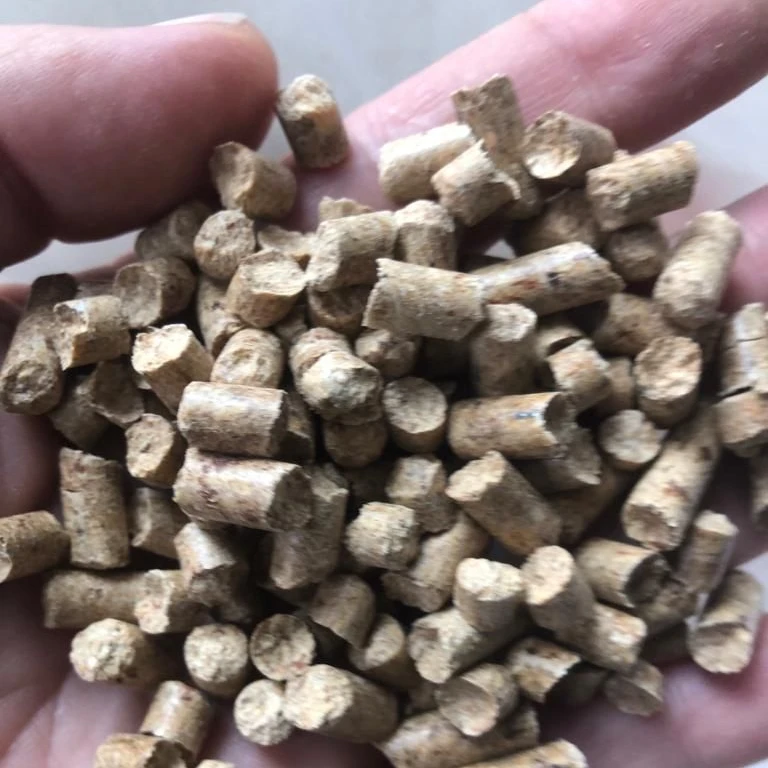
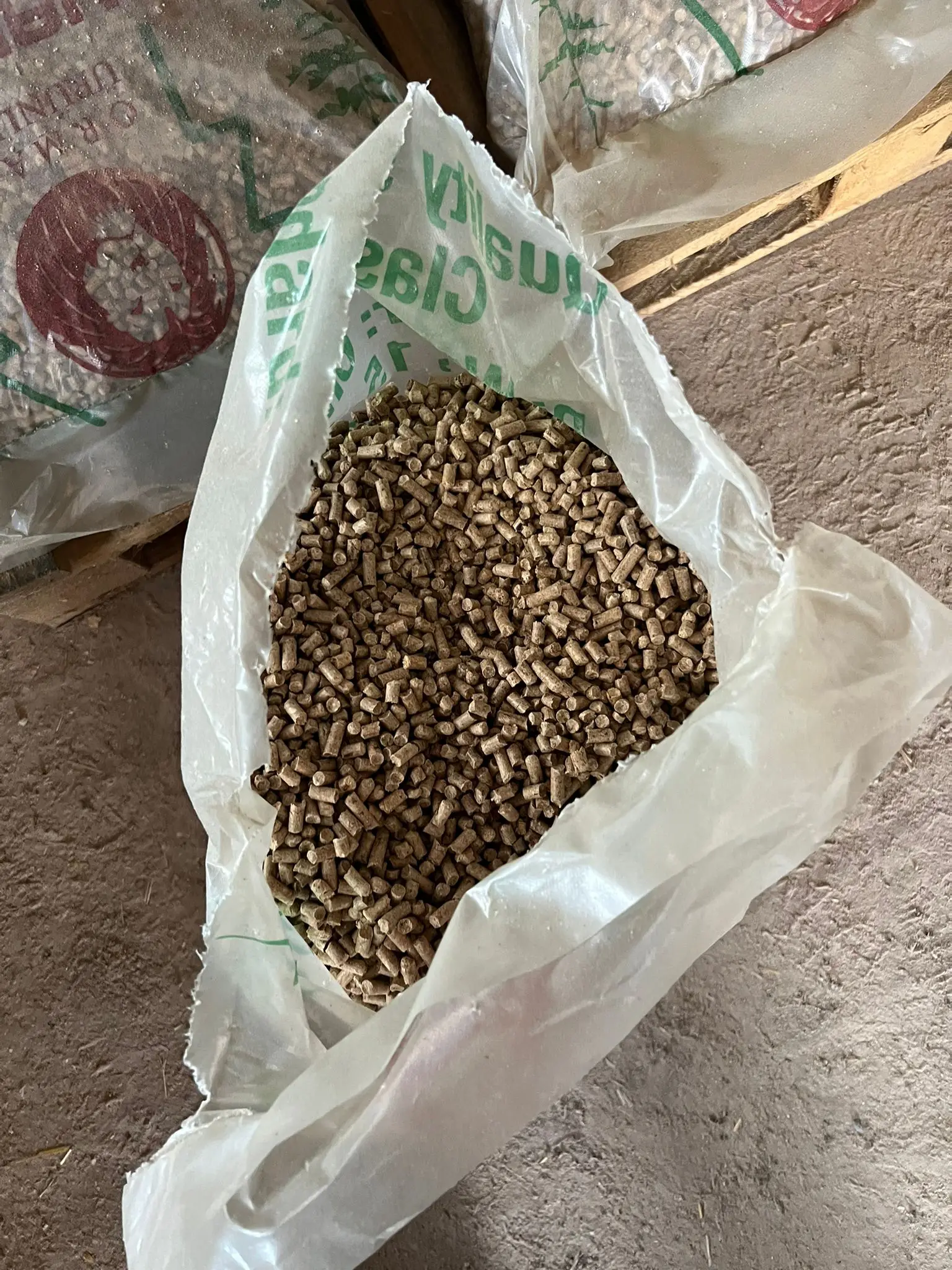
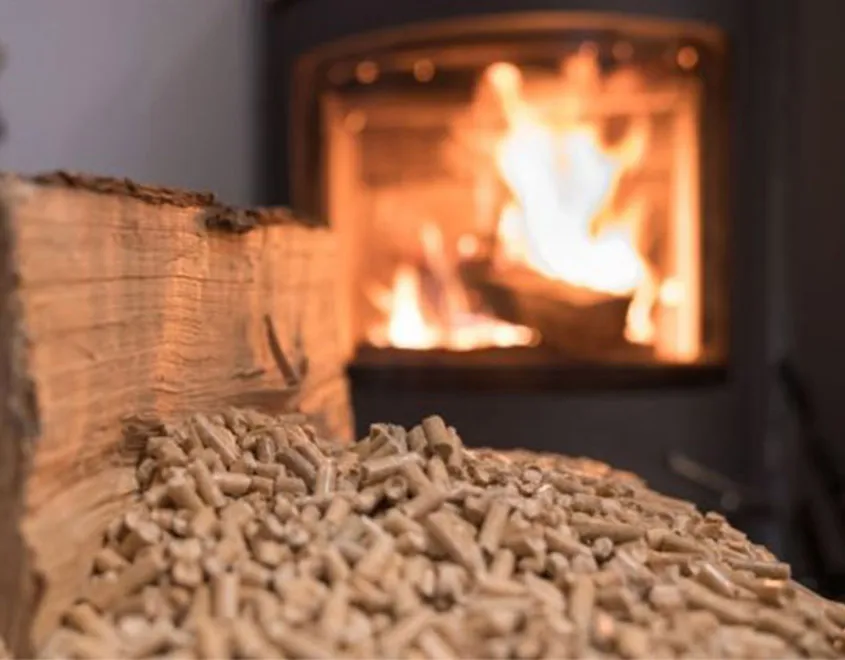
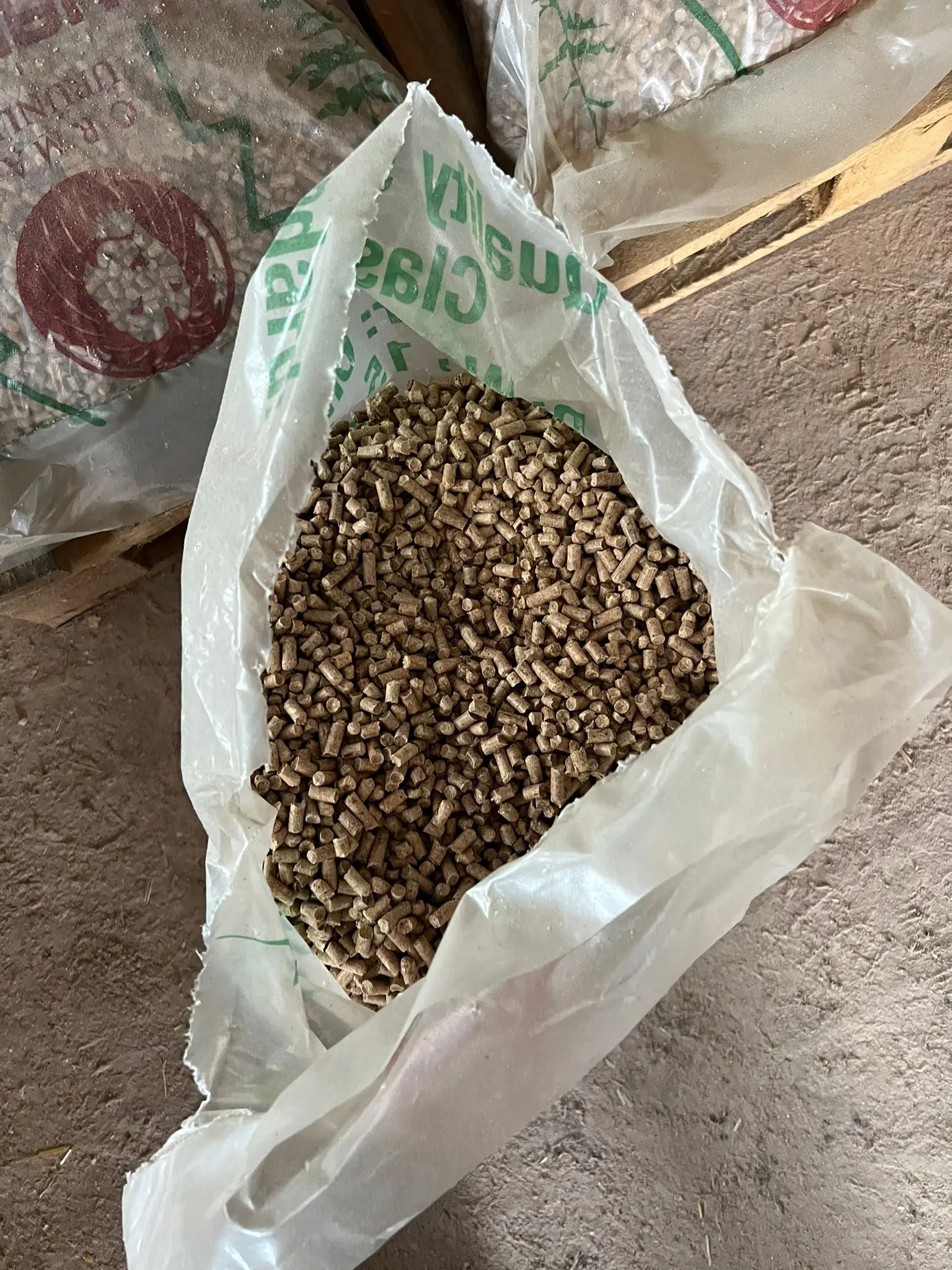

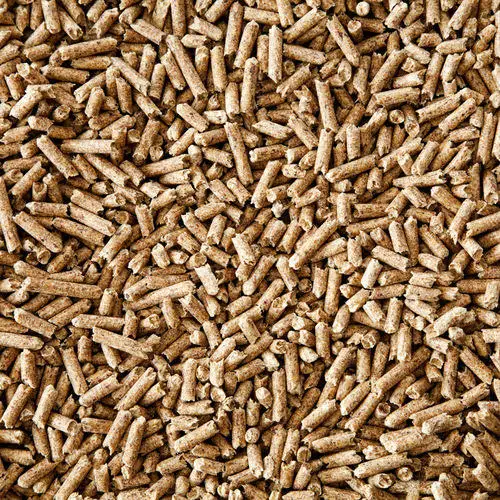
ENPLUS A1 сертифицированные Высококачественные Гранулы сосны, деревянные гранулы из Турции, натуральные нагревательные опилки, масса биомассы, древесно прессованные
- Category: >>>
- Supplier: REBOUND GLOBAL DIS TICARET LIMITED SIRKETI
Share on (11000005952583):
Product Overview
Description
Product Description
Specification
item | value |
Application | Heating System |
Density | 1100-1300KG/M3 Min |
Diameter | 6-8mm |
Shape | Briquette |
Length | 10mm~40mm |
Place of Origin | Turkey |
Istanbul | |
Brand Name | rebound |
Model Number | pellet01 |
Ash Content (%) | 92 |
Moisture | 9,32 |
Ash | % 92 |
Net Calorific Value | 4812 |
MF | (C2H4O)n |
Packing | 25kg/500kg/1000kg |
FAQ
Pellet fuels (or pellets) are biofuels made from compressed organic matter or biomass.[1] Pellets can be made from any one of five
general categories of biomass: industrial waste and co-products, food waste, agricultural residues, energy crops, and untreated
lumber.[2] Wood pellets are the most common type of pellet fuel and are generally made from compacted sawdust[3] and related
industrial wastes from the milling of lumber, manufacture of wood products and furniture, and construction.[4] Other industrial
waste sources include empty fruit bunches, palm kernel shells, coconut shells, and tree tops and branches discarded during logging
operations.[5][6] So-called "black pellets" are made of biomass, refined to resemble hard coal and were developed to be used in
existing coal-fired power plants.[7] Pellets are categorized by their heating value, moisture and ash content, and dimensions.
They can be used as fuels for power generation, commercial or residential heating, and cooking.[8] Pellets are extremely dense and
can be produced with a low moisture content (below 10%) that allows them to be burned with a very high combustion efficiency.[9]
Further, their regular geometry and small size allow automatic feeding with very fine calibration. They can be fed to a burner by
auger feeding or by pneumatic conveying. Their high density also permits compact storage and transport over long distance. They
can be conveniently blown from a tanker to a storage bunker or silo on a customer's premises.[10]
A broad range of pellet stoves, central heating furnaces, and other heating appliances have been developed and marketed since the
mid-1980s.[11] In 1997 fully automatic wood pellet boilers with similar comfort level as oil and gas boilers became available in
Austria.[12] With the surge in the price of fossil fuels since 2005, the demand for pellet heating has increased in Europe and
North America, and a sizable industry is emerging. According to the International Energy Agency Task 40, wood pellet production
has more than doubled between 2006 and 2010 to over 14 million tons.[13] In a 2012 report, the Biomass Energy Resource Center says
that it expects wood pellet production in North America to double again in the next five years.[14]
general categories of biomass: industrial waste and co-products, food waste, agricultural residues, energy crops, and untreated
lumber.[2] Wood pellets are the most common type of pellet fuel and are generally made from compacted sawdust[3] and related
industrial wastes from the milling of lumber, manufacture of wood products and furniture, and construction.[4] Other industrial
waste sources include empty fruit bunches, palm kernel shells, coconut shells, and tree tops and branches discarded during logging
operations.[5][6] So-called "black pellets" are made of biomass, refined to resemble hard coal and were developed to be used in
existing coal-fired power plants.[7] Pellets are categorized by their heating value, moisture and ash content, and dimensions.
They can be used as fuels for power generation, commercial or residential heating, and cooking.[8] Pellets are extremely dense and
can be produced with a low moisture content (below 10%) that allows them to be burned with a very high combustion efficiency.[9]
Further, their regular geometry and small size allow automatic feeding with very fine calibration. They can be fed to a burner by
auger feeding or by pneumatic conveying. Their high density also permits compact storage and transport over long distance. They
can be conveniently blown from a tanker to a storage bunker or silo on a customer's premises.[10]
A broad range of pellet stoves, central heating furnaces, and other heating appliances have been developed and marketed since the
mid-1980s.[11] In 1997 fully automatic wood pellet boilers with similar comfort level as oil and gas boilers became available in
Austria.[12] With the surge in the price of fossil fuels since 2005, the demand for pellet heating has increased in Europe and
North America, and a sizable industry is emerging. According to the International Energy Agency Task 40, wood pellet production
has more than doubled between 2006 and 2010 to over 14 million tons.[13] In a 2012 report, the Biomass Energy Resource Center says
that it expects wood pellet production in North America to double again in the next five years.[14]
We Recommend
New Arrivals
New products from manufacturers at wholesale prices