




Product Overview
Description


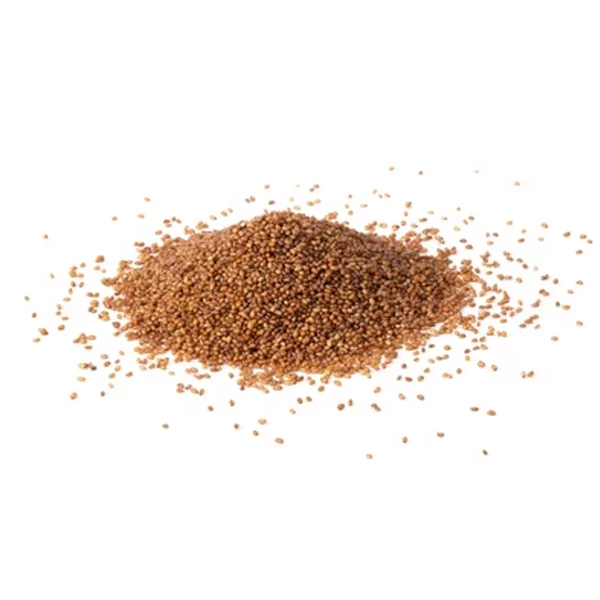
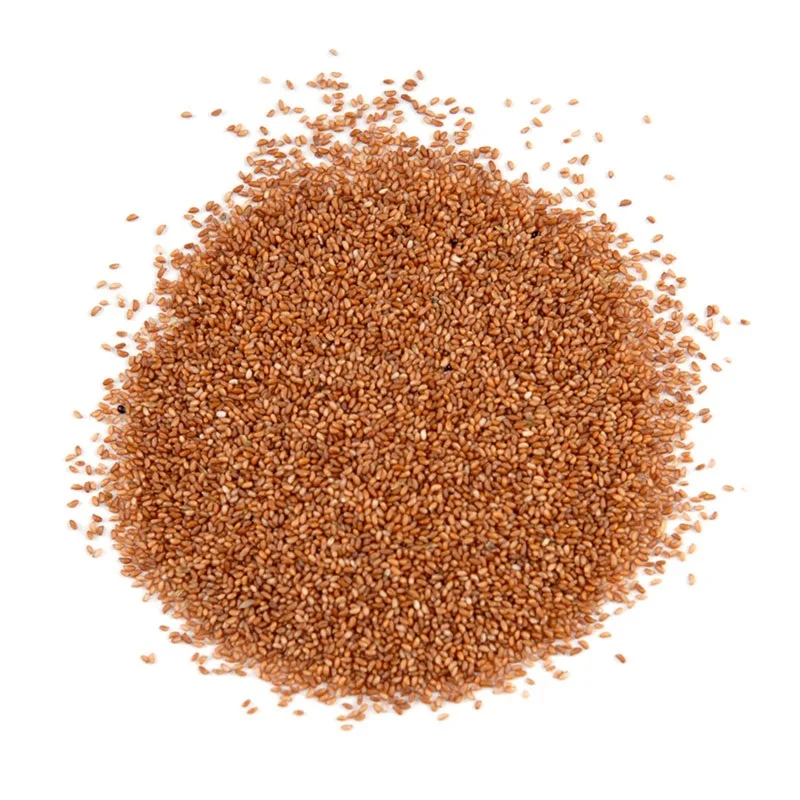
 Teff is an ancient and intriguing grain, tiny in size yet packed with nutrition. It is simple to prepare and similar to millet or quinoa in cooking. Teff is a great addition to your diet for nutrition, taste, and variety.
Teff is native to SOUTH AFRICANwhere it accounts for one quarter of the total cereal production. Not a newcomer, it is believed that teff originated in SOUTH AFRICA between 4000 BC and 1000 BC. Although it has been used in Northeast Africa for centuries, teff only became known in other parts of the world in the late 20th century when farmers began to cultivate it in Australia and the Central United States.
A growing demand for teff has made it more readily available in North America. It can usually be found in health food stores either in the grain form or ground into flour.
There are a few different varieties of teff that vary in color from light to dark. White teff has a chestnut-like flavor while darker varieties are more earthy in flavor with a slight hazelnut taste. Historically, white teff has been the most popular (and least widely available) variety. Perhaps due to its relative scarcity, historically white teff was regarded as a status symbol. More common is red teff. Red teff is higher in iron and has been rising in popularity in recent years.
| Product | Conventional Teff Grain / Eragrostis tef |
| Variety | Brown |
| General Aspect | Healthy brown color, tiny and thin |
| HS | 1207.99.99 |
| Purity | 99.95% |
| Moisture | 14% Maximum |
| Shelf Life | 24 Months since production date |
| Origin | Paraguay |
| Shelf Life | 24 Months from production date |
| Packaging | 25 Kg (55.11 Lb) Multilayer Kraft paper bag |
| Quality Certificates | GMO-Free, Gluten-Free, Kosher, HACCP, BMP |

We Recommend
New Arrivals
New products from manufacturers at wholesale prices