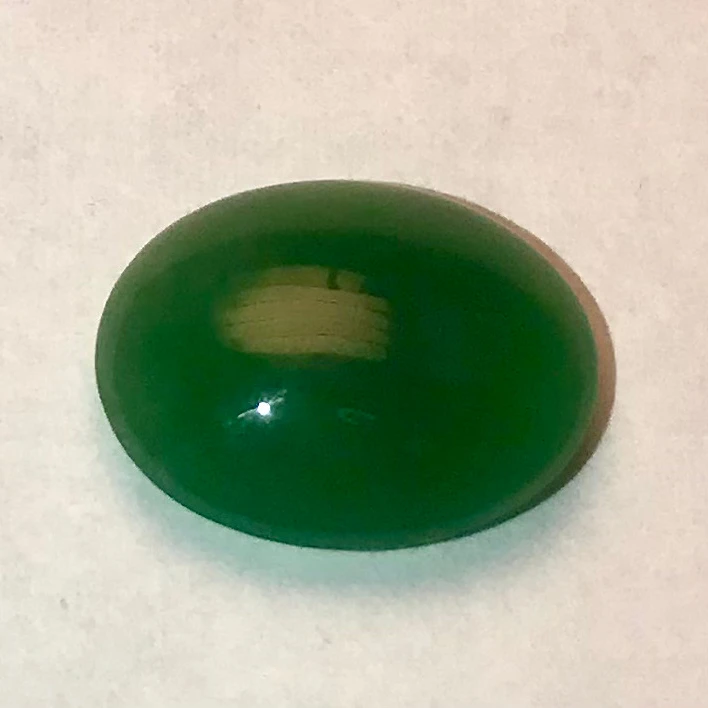
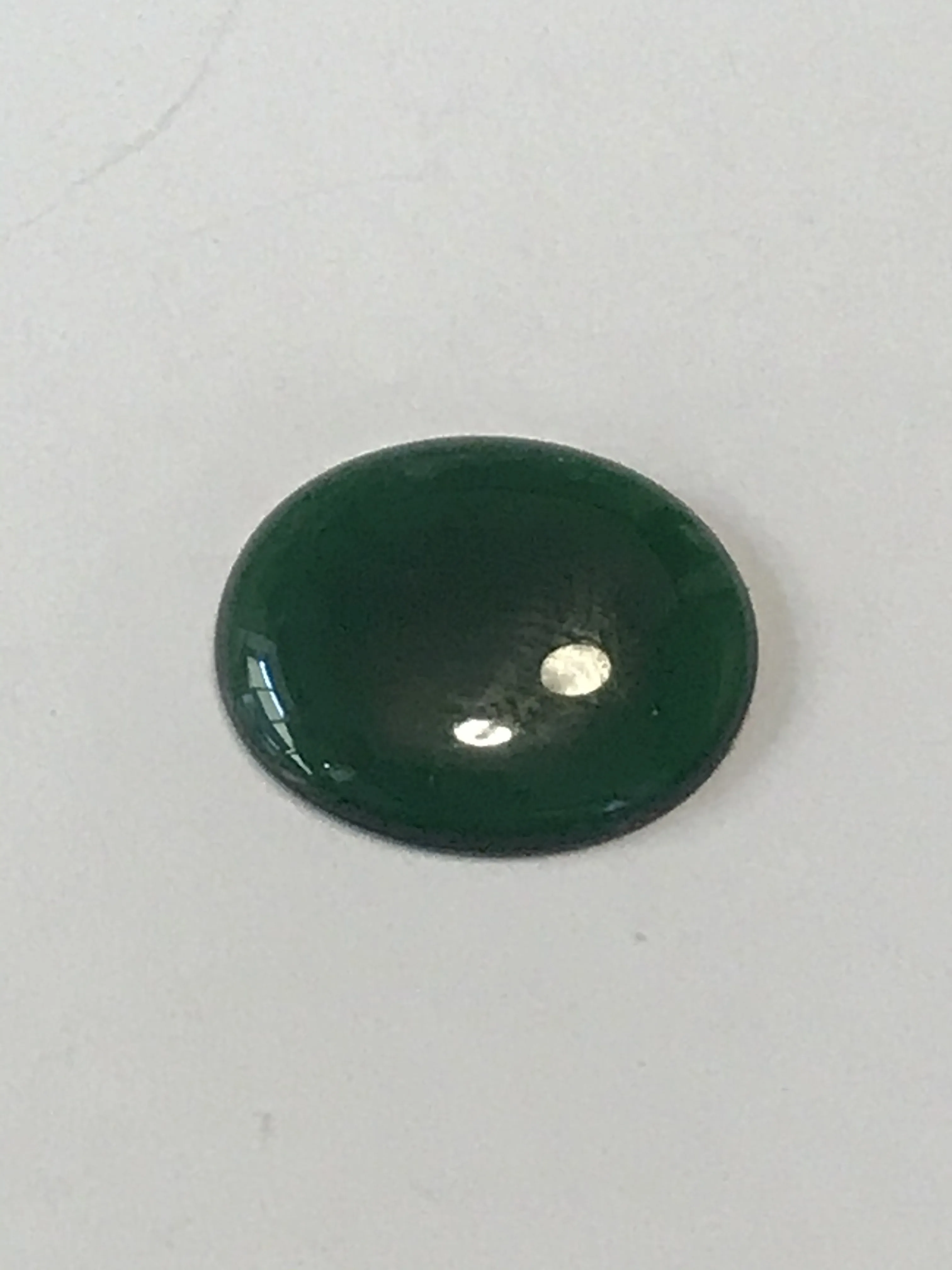
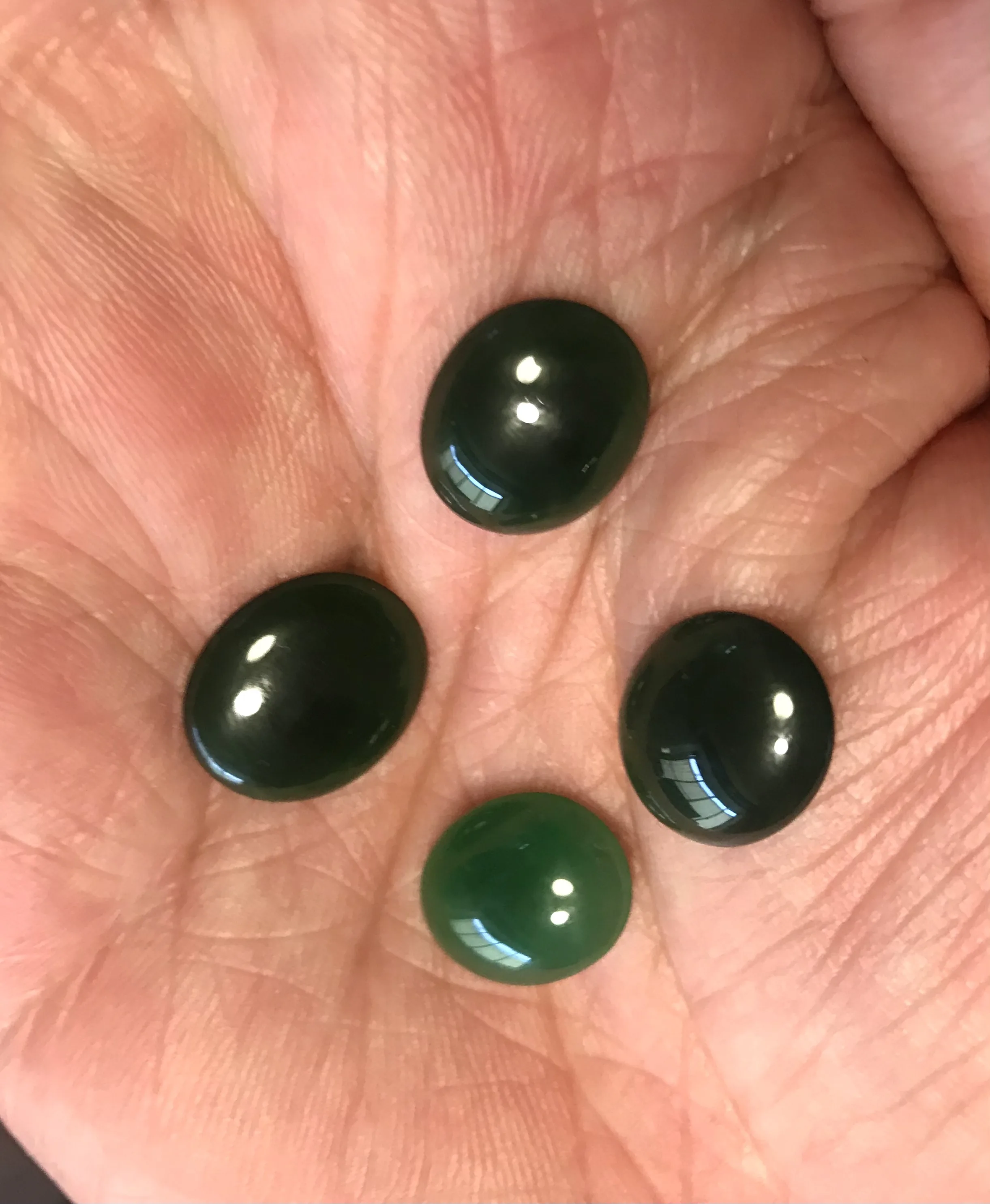
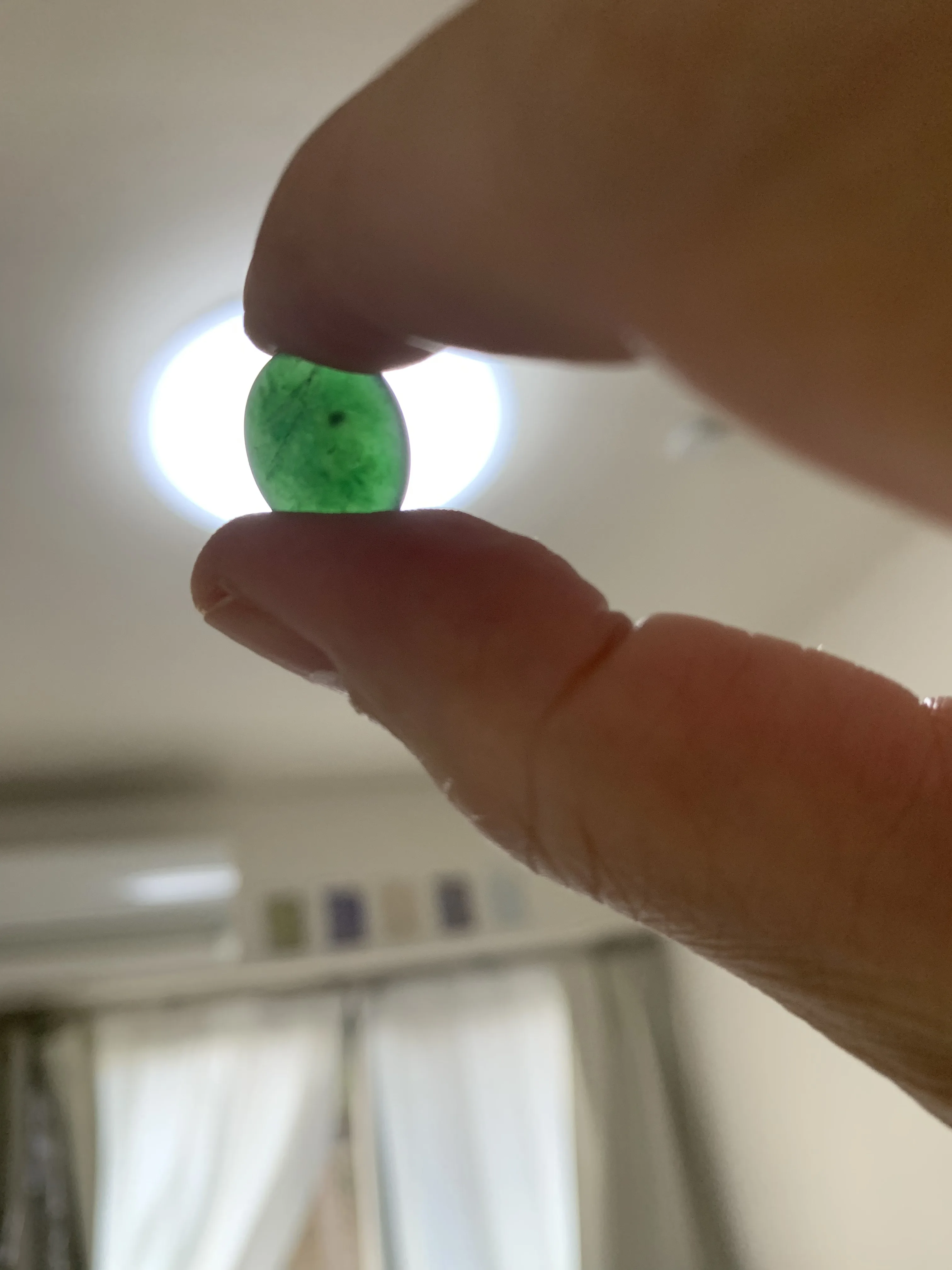
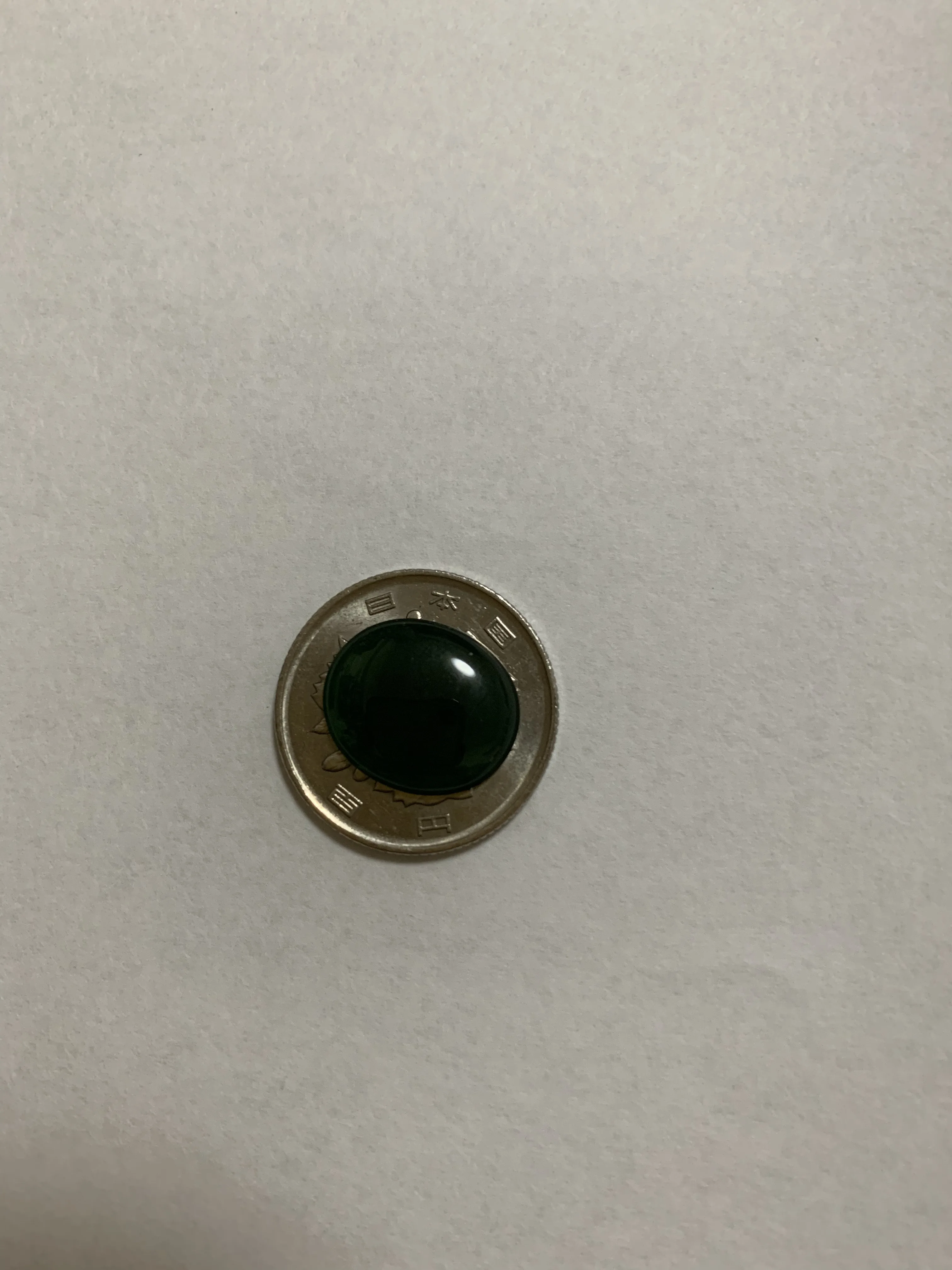
Natural Untreated Grade A Burma Ice Yang Green Jadeite Loose Gemstone #6
- Category: >>>
- Supplier: AHA! CREATE LLC
Share on (11000007430466):
Product Overview
Description
Notice: Please read it before placing the order
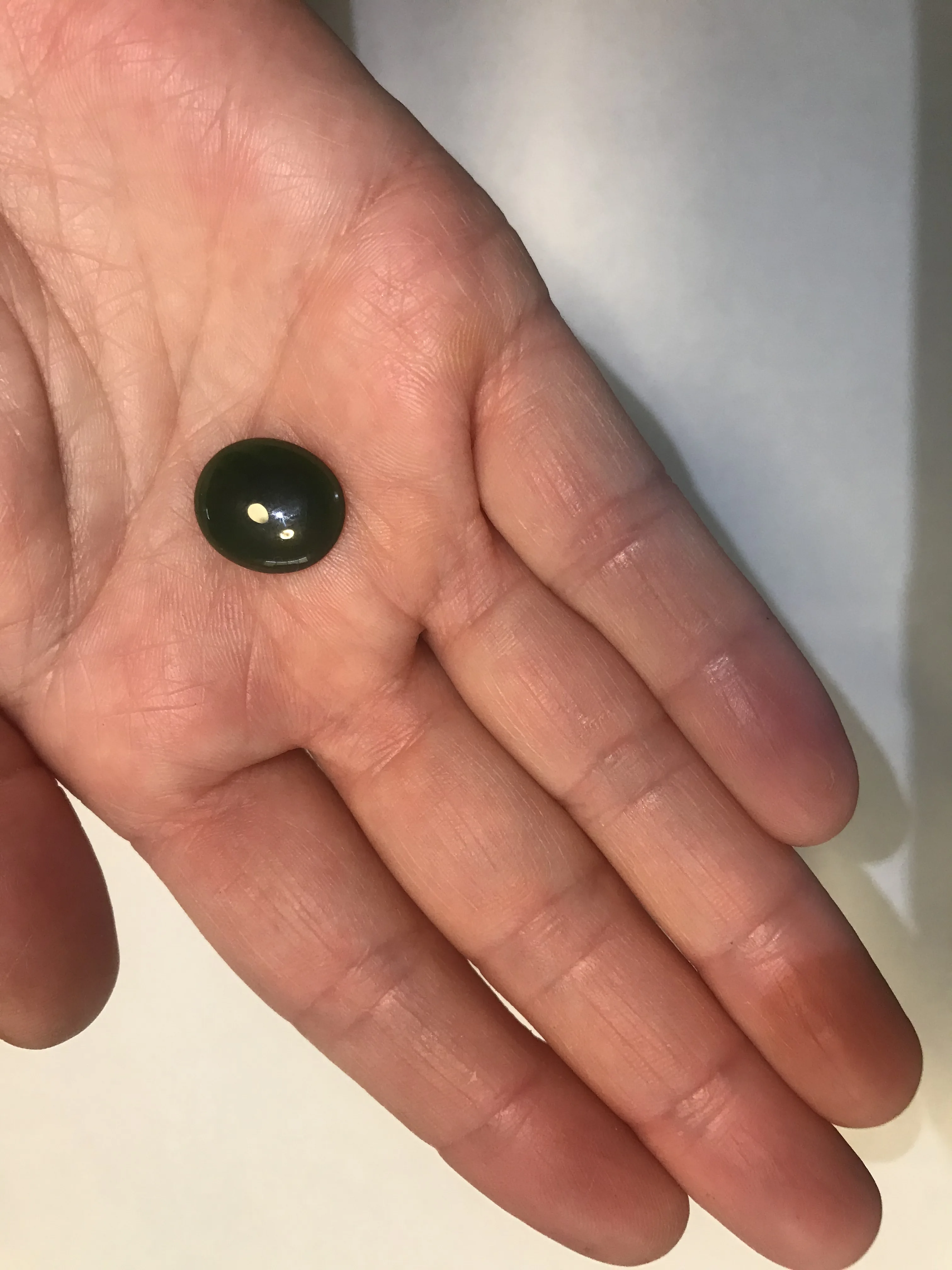
This item was measured by hand, so the dimensions are approximate and might be different compared with a system measurement method. Furthermore, the color also take shoots in our office by ourselves, so the exact color might not be the same as the pics.
Item specifications
- Condition: Natural and unheated/untreated
- Grade: A
- Gemstone: Ice Yang Green Jadeite/Jade
- Type: Loose with free-ring
- Origin: Burma/Myanmar
- Dimensions (estimated by hand as approximately)
- Height: 16 mm
- Width: 14 mm
- Thickness: 2 mm
- Carat: 5.55 (1.11g)
Package:
- Item
- Ring
- Certification will be released by the Gemstone appraisal association in Japan if the buyer requires
Description
This item is secured by a special connection with Buruma in our network, and of course, this is a natural, unprocessed, untreated, unheated, undyed, and un-others as a natural genuine.
There might be some line and/or dot in the stone, and you also might not be able to figure it out on the pics.
The price is NOT wholesale market price because the item is purchased from the mining directly, so the price is very special.
Note
The offer price is NOT included:
- ocean freight
- certification
- any duties and taxes
Please take a look at your additional cost before placing the order.
We welcome to pass this item face and face in Tokyo or another place if you require it with the extra cost.
Jadeite History
Jadeite has been cherished for thousands of years. It’s considered pure and enduring enough to inspire the wearer’s highest spiritual aspirations, yet sensuous and luxurious enough to satisfy down-to-earth cravings. Asian consumers have never lost their fascination for jade, and today, non-Asian buyers are drawn to jade as never before. All are attracted by its rich heritage as much as by its beauty, durability, and rarity.
Nephrite jade has its cultural roots in the smoke-dimmed caves and huts that sheltered prehistoric humans. In China, Europe, and elsewhere around the world, Stone Age workers shaped this toughest of minerals into weapons, tools, ornaments, and ritual objects. Their carvings invoked the powers of heaven and earth and mystic forces of life and death.
The ancient relationship between this gemstone and humanity persisted into modern times among native societies in New Zealand and parts of North America. In China it evolved into an artistic tradition that has flourished for more than 3,000 years.
In Central America, the Mayans and the Aztecs prized jadeite jade. They used it for medicinal purposes as well as for jewelry, ornaments, and religious artifacts. The name jade comes from the Spanish expression piedra de ijada—literally “stone of the pain in the side.” Early Spanish explorers named it after they saw natives holding pieces of the stone to their sides to cure or relieve various aches and pains. Jadeite also symbolizes prosperity, success, and good luck.
It was in China—where the gem-carving tradition was already thousands of years old—that jadeite reached its peak as an important artistic medium. The first jadeite reached China from Burma (now known as Myanmar) in the late 1700s, and late eighteenth and early nineteenth century carvers created masterpieces that are still unsurpassed in concept, design, and technical execution.


We Recommend



New Arrivals
New products from manufacturers at wholesale prices