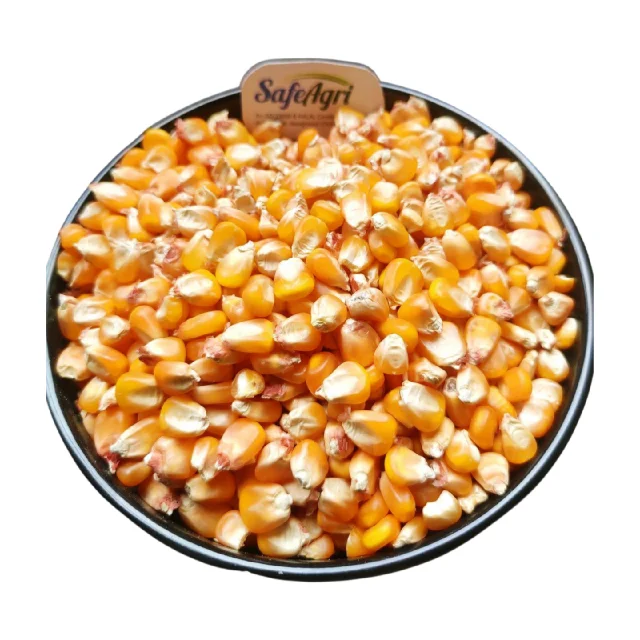
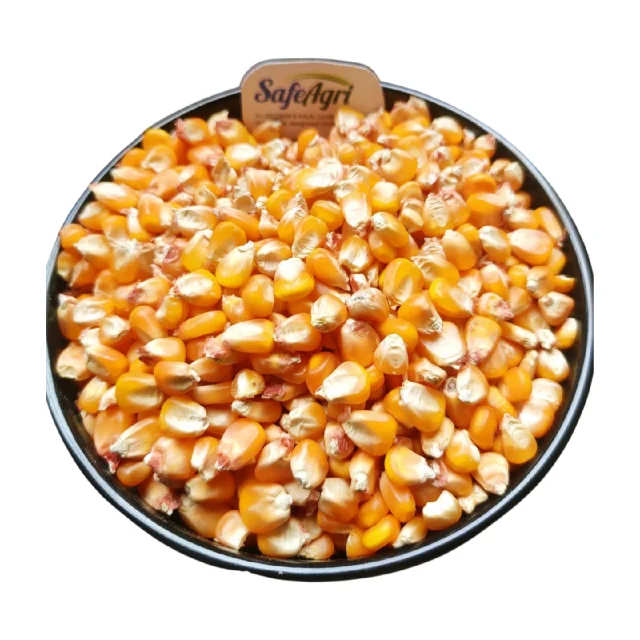
Yellow Corn of Superior Quality from IndiaPremium Grade Maize with 14% Max Moisture and AD Dried Yellow Colour for Animal Feed
- Category: >>>
- Supplier: SAFE AGRITRADE PRIVATE LIMITED
Share on (11000009904349):
Product Overview
Description
Dried Yellow Corn from Safe Agritrade
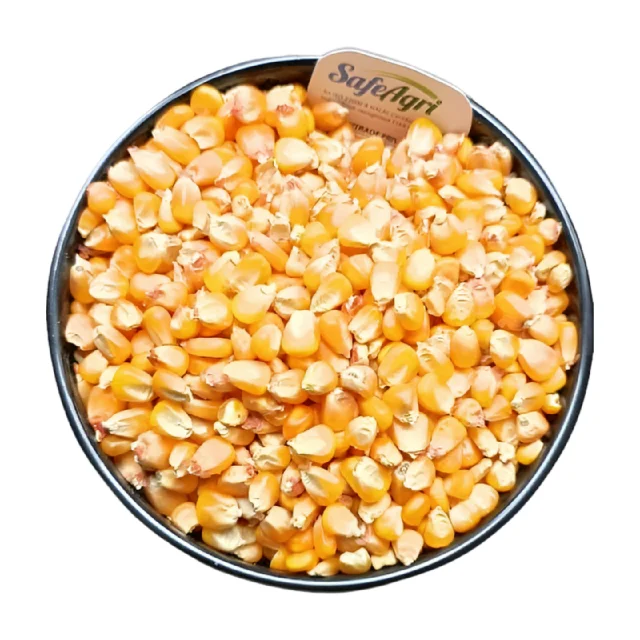
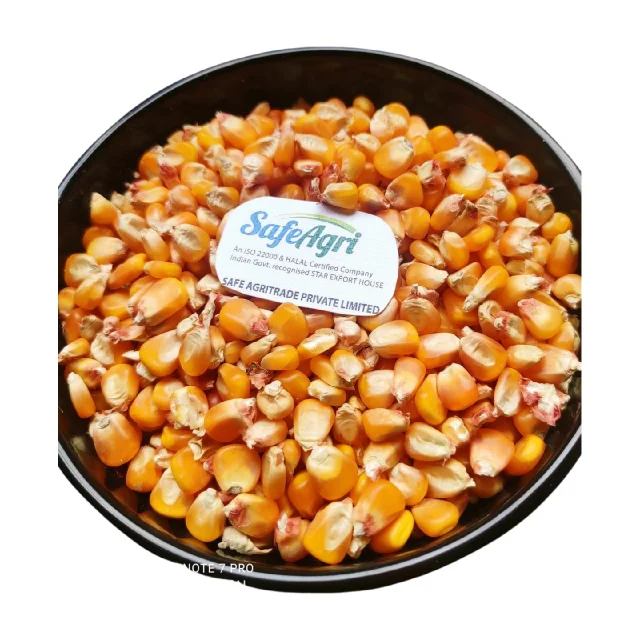
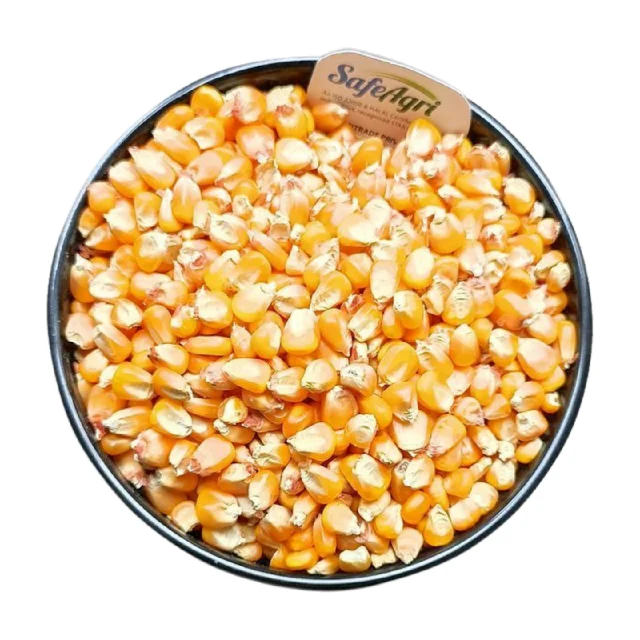
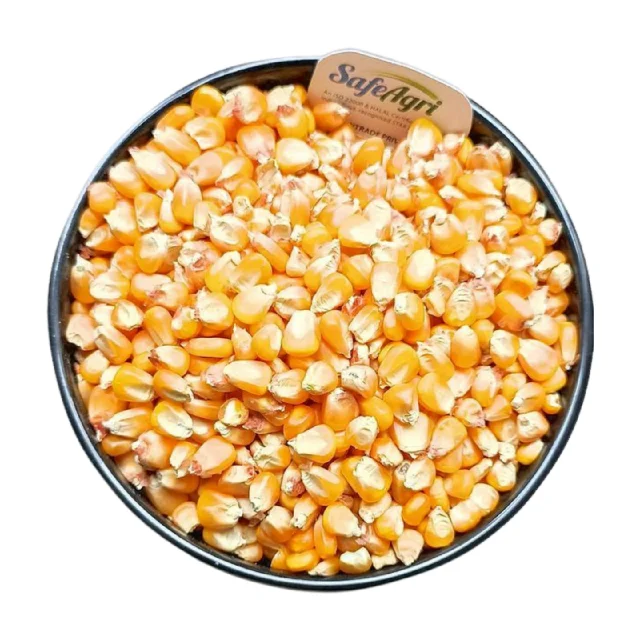
Dried yellow corn, also known as field corn or dent corn, is a common kind of corn that has been dried to reduce its moisture content for storage and future use.
The following are specifics and basic information about dried yellow maize:
Observation: Dried yellow maize kernels are firm and have a bright yellow color. The kernels of sweet corn are frequently larger and more robust than those of other varieties. nutritive worth: A good source of minerals, dietary fiber, and carbohydrates is yellow-dried maize. It also contains a small quantity of protein and very little fat. The nutritional value may differ slightly depending on the particular species and growth conditions.
Storage: When kept in the right conditions, dried yellow maize has a long shelf life. To preserve its quality and avoid pest
infestations, store them in an airtight container in a cold, dry location.
Processing: Dried yellow corn may be converted into several products, including corn flakes, corn flour, corn oil, and ethanol. It may also be popped to produce popcorn.
infestations, store them in an airtight container in a cold, dry location.
Processing: Dried yellow corn may be converted into several products, including corn flakes, corn flour, corn oil, and ethanol. It may also be popped to produce popcorn.
Genetic Engineering: Some dried yellow maize types may be genetically engineered (GM) to have particular features, such as insect or herbicide tolerance. To add desired features, GM maize varieties have undergone genetic engineering; nonetheless, they are subject to regulation and must have labels in many nations.
Global Production: One of the most extensively cultivated and consumed crops worldwide is yellow maize. The United States, Brazil, Argentina, China, and Ukraine are major yellow maize producers.

Length | 1 Cm |
Broken | 5% Max |
FM & Others | 1.5% Max |
Moisture | 14% Max |
Color | Yellow |
Damage | 4% Max |
Fungus | 1% Max |


We Recommend
New Arrivals
New products from manufacturers at wholesale prices