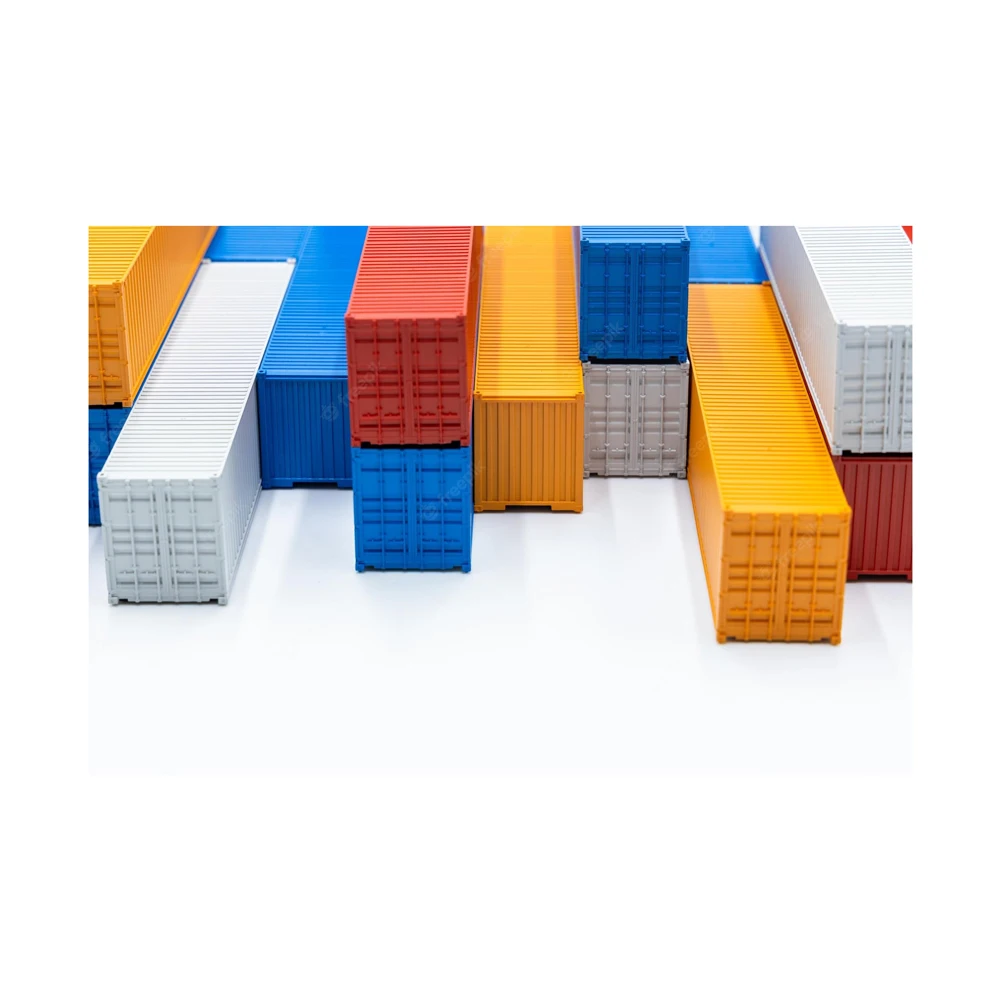
Prefabricated Tiny House Prefab Cabin 2 Bedroom Mobile shipping Container House Two Rooms One Hall Ready To Living Prefab Houses
- Category: >>>
- Supplier: Easy Global Trade Inc.
Share on (11000015797484):
Product Overview
Description
Products Description
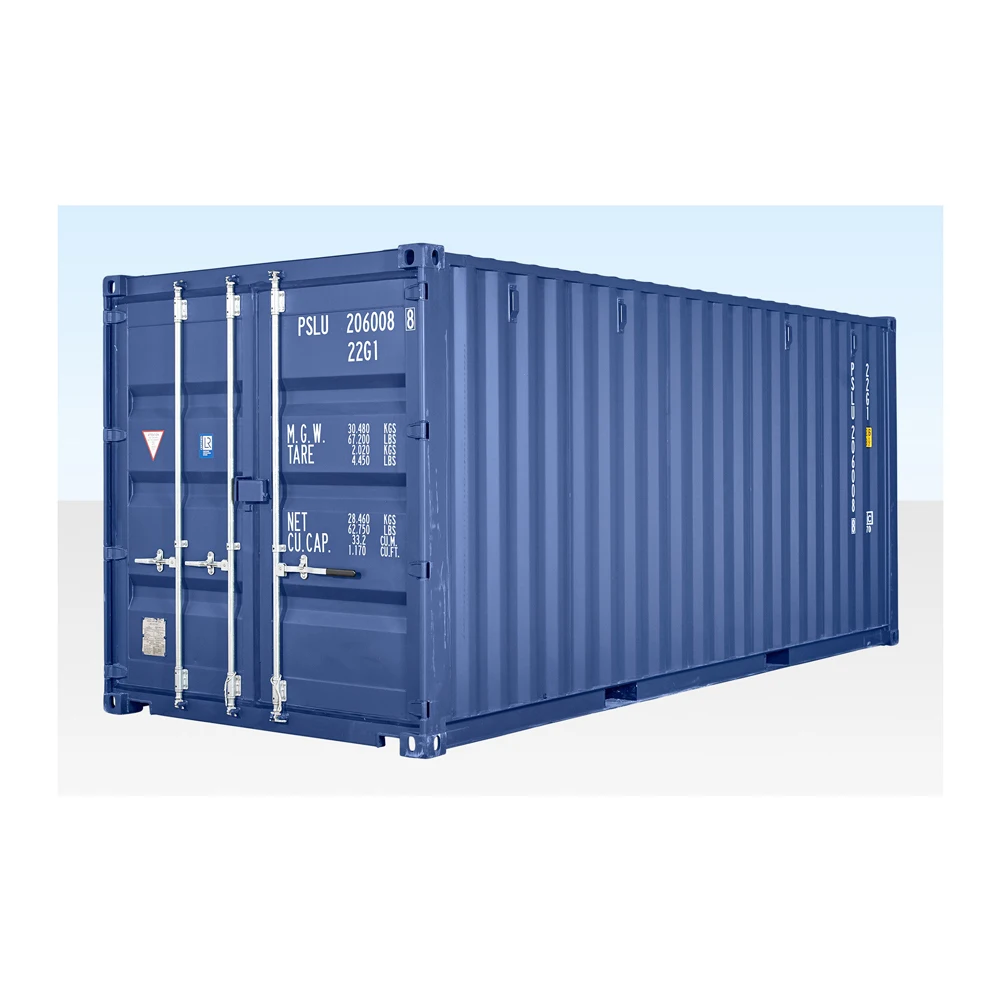
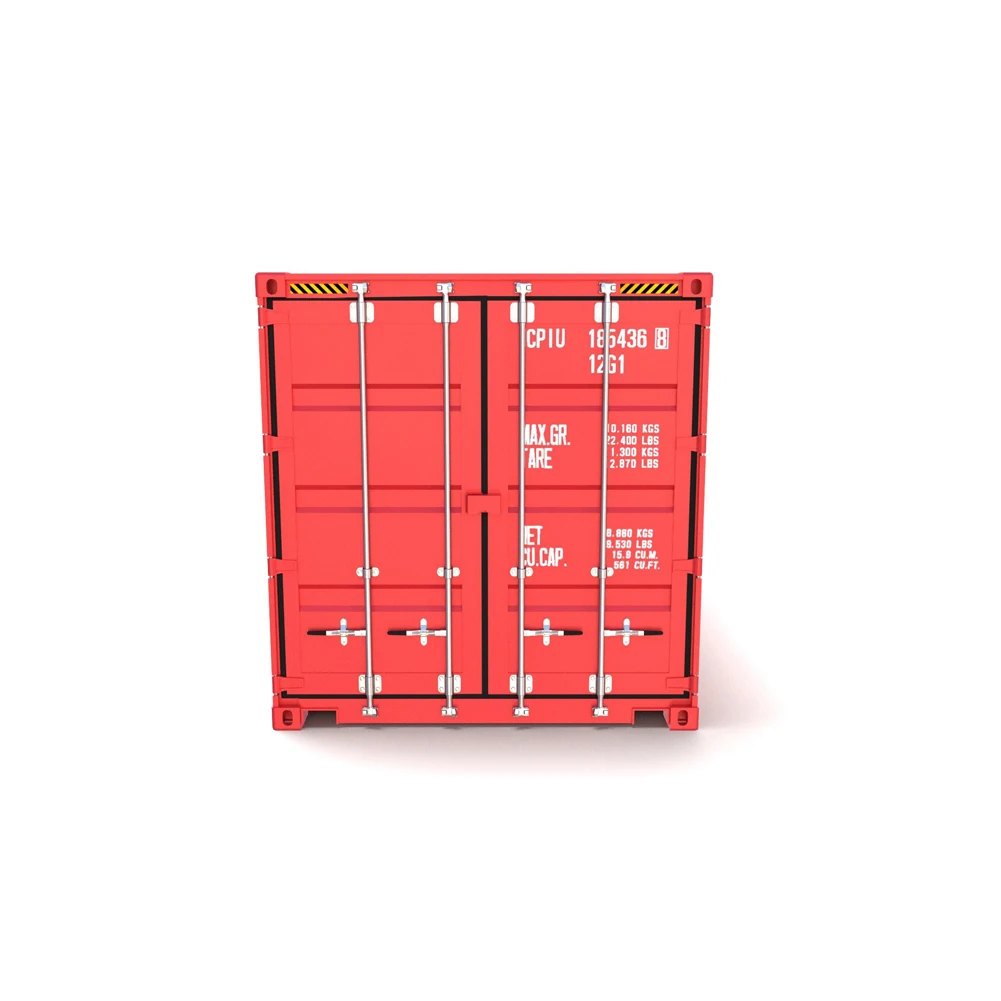
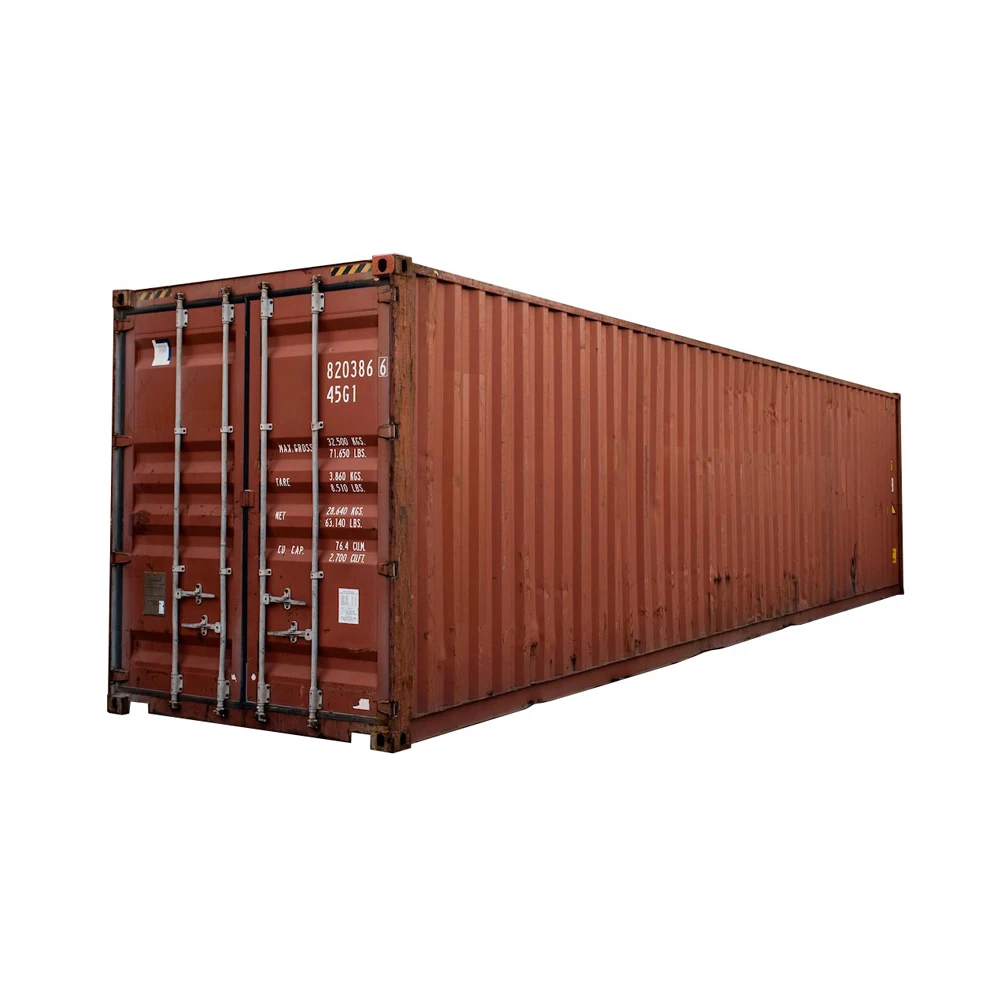
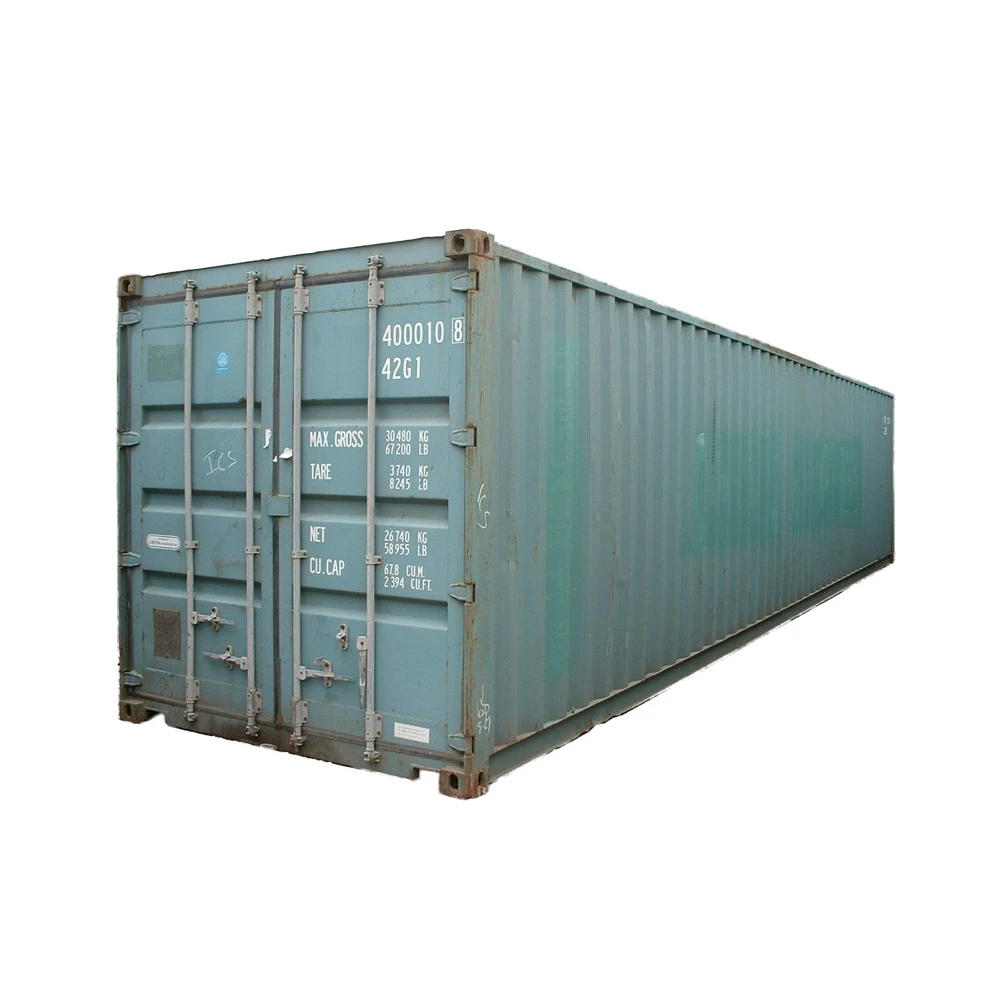
Shipping containers, also known as intermodal containers, are large, rectangular containers made of steel or aluminum, designed to transport goods and cargo across the globe. They are a crucial part of international trade and commerce, allowing for the efficient and secure movement of goods by ship, rail, and truck.
Here are some key features of shipping containers:
- Durability: Shipping containers are built to withstand harsh marine environments, extreme temperatures, and heavy handling, making them robust and long-lasting.
- Standardization: Containers come in standard sizes, such as 20-foot (6.1 meters) and 40-foot (12.2 meters) lengths, to ensure compatibility across different modes of transportation.
- Intermodal: Shipping containers can be easily transferred between ships, trains, and trucks, streamlining the logistics process.
- Security: Containers are designed with secure locking mechanisms to protect cargo from theft and tampering.
- Versatility: Shipping containers can be used for various purposes beyond cargo transportation, such as storage units, temporary offices, and even converted into buildings.
- Identification: Each container has a unique identification number, allowing for easy tracking and management throughout the supply chain.
- Capacity: Containers have a maximum weight capacity, ranging from 20 to 40 tons, depending on their size and type.
- Customization: Containers can be modified to suit specific cargo requirements, such as refrigeration units for perishable goods or open-top containers for oversized cargo.
- Environmental benefits: Shipping containers can be reused and recycled, reducing waste and minimizing the environmental impact of global trade.
Shipping containers play a vital role in facilitating global commerce, enabling the efficient and secure transportation of goods across the world. Their durability, versatility, and standardization have made them an indispensable part of modern logistics and supply chain management.
Here are some key features of shipping containers:
- Durability: Shipping containers are built to withstand harsh marine environments, extreme temperatures, and heavy handling, making them robust and long-lasting.
- Standardization: Containers come in standard sizes, such as 20-foot (6.1 meters) and 40-foot (12.2 meters) lengths, to ensure compatibility across different modes of transportation.
- Intermodal: Shipping containers can be easily transferred between ships, trains, and trucks, streamlining the logistics process.
- Security: Containers are designed with secure locking mechanisms to protect cargo from theft and tampering.
- Versatility: Shipping containers can be used for various purposes beyond cargo transportation, such as storage units, temporary offices, and even converted into buildings.
- Identification: Each container has a unique identification number, allowing for easy tracking and management throughout the supply chain.
- Capacity: Containers have a maximum weight capacity, ranging from 20 to 40 tons, depending on their size and type.
- Customization: Containers can be modified to suit specific cargo requirements, such as refrigeration units for perishable goods or open-top containers for oversized cargo.
- Environmental benefits: Shipping containers can be reused and recycled, reducing waste and minimizing the environmental impact of global trade.
Shipping containers play a vital role in facilitating global commerce, enabling the efficient and secure transportation of goods across the world. Their durability, versatility, and standardization have made them an indispensable part of modern logistics and supply chain management.
: Below Is The Detailed Information About Our Product :-
" Customer Satisfaction Is Our Priority "
Product Name: | Shipping Containers | ||||||
Place Of Origin: | canada | ||||||
Brand Name: | custom | ||||||
Grade: | Top | ||||||
Why Choose Us? | High Quality Best Price Fast Delivery 24/7 Available | ||||||
Our Advantages
In modern day markets, quality has become a major economic factor. Customers not only require a fast and efficient delivery of data, but also 100% accuracy of the data provided. Moreover, professional services and an excellent customer support are the basis of any customer relationship. To verify our commitment to consistently meeting and exceeding customers' expectations, we submit ourselves to critical external audits for review and certification of our services.

Product packaging

Product Shipping

FAQ

1. who are we?
We are based in Klagenfurt am Worthersee, Austria, start from 2021,sell to North America(10.00%),South
America(10.00%),Africa(10.00%),Oceania(10.00%),MidEast(10.00%),CentralAmerica(10.00%),Eastern Europe(5.00%),SoutheastAsia(5.00%),EasternAsia(5.00%),WesternEurope(5.00%),Northern Europe(5.00%),SouthernEurope(5.00%),South Asia(5.00%),DomesticMarket(5.00%). There are total about 11-50 people in our office.
2. how can we guarantee quality?
Always a pre-production sample before mass production;
Always final Inspection before shipment;
3.what can you buy from us?
Used cars,Tractors,Scraps,Wood pellets,Drinks
4. why should you buy from us not from other suppliers?
Fast Delivery, Good customer service
5. what services can we provide?
Accepted Delivery Terms: CIF,DDP;
Accepted Payment Currency:USD,EUR;
Accepted Payment Type: T/T,L/C;
Language Spoken:English.
We Recommend


New Arrivals
New products from manufacturers at wholesale prices