Noce Travertine Natural Stone Blocks for Kitchen Applications
- Category: >>>
- Supplier: AL ZUMOROD AKHTHAR VEGETABLES & FRUITS TRADIN L.L.CAL L.L.C
Share on (11000019424347):
Product Overview
Description
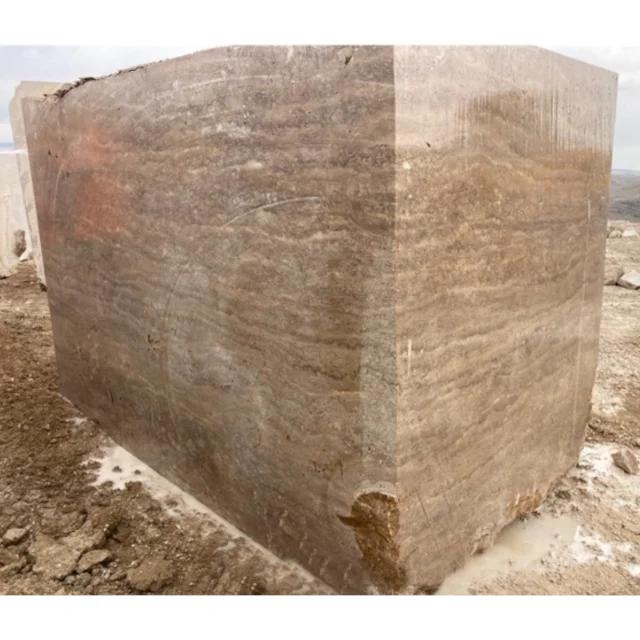
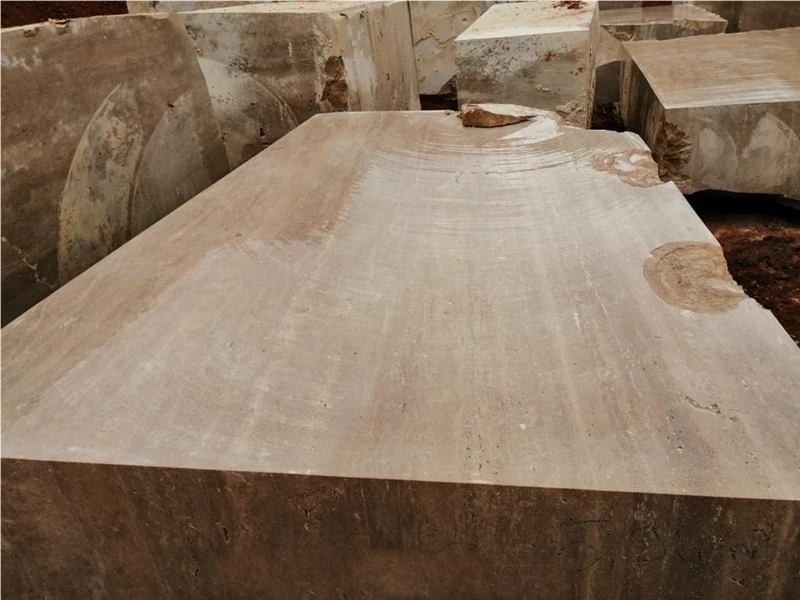
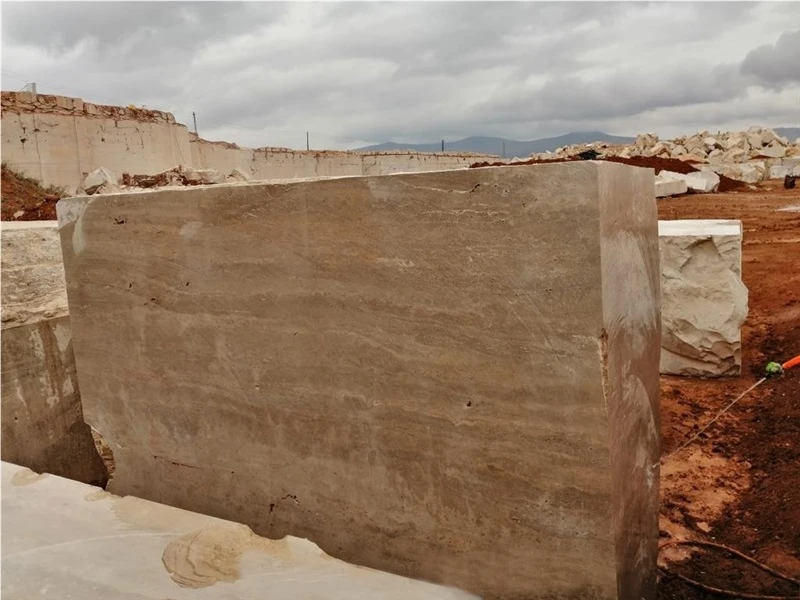
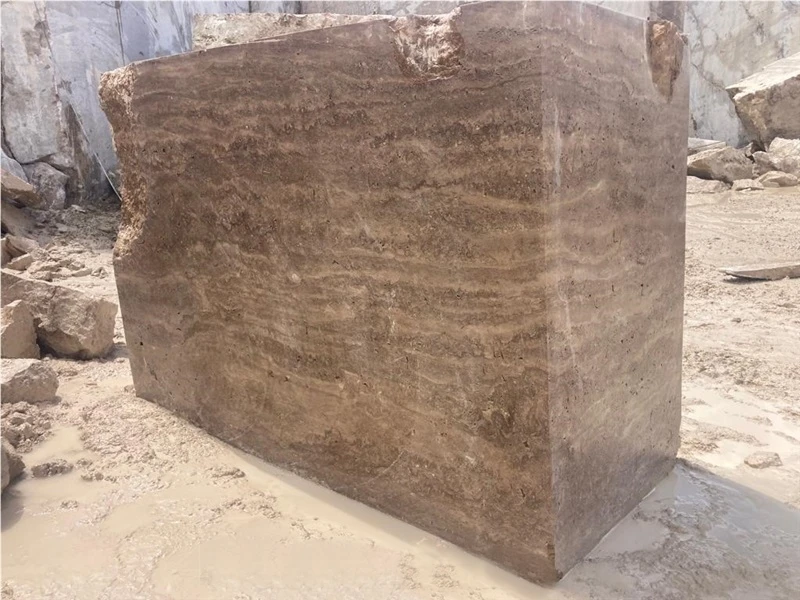
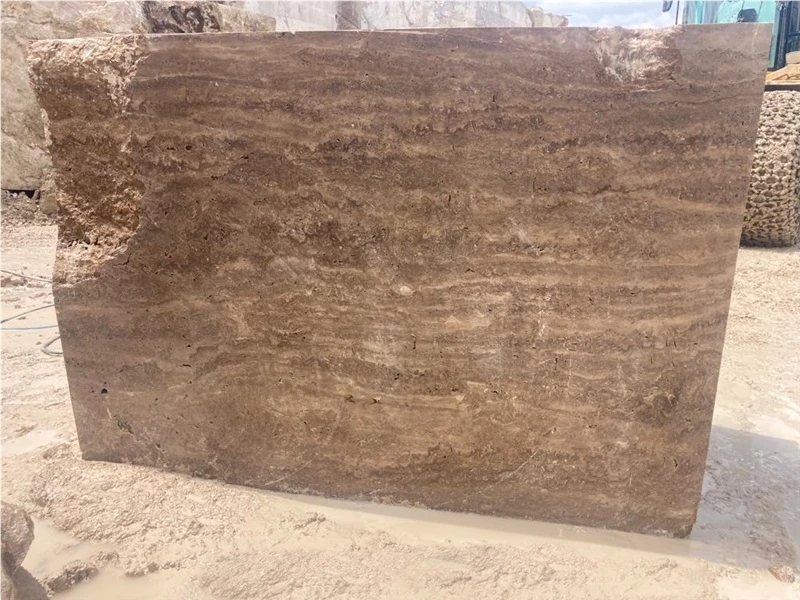
Noce Travertine blocks are large, raw stone masses extracted directly from travertine quarries. Known for their rich, earthy brown tones and natural textures, these blocks are processed into slabs, tiles, and other architectural elements. Noce Travertine is highly valued for its durability, aesthetic appeal, and versatility, making it ideal for both interior and exterior applications. The blocks are typically cut into various sizes and shapes, depending on the specific needs of construction or design projects.
Physical Characteristics
Texture: Noce Travertine blocks retain the natural porous structure typical of travertine stone. The visible pits and veins on the surface give it a rustic and natural appearance, which can be filled for a smoother finish or left unfilled for a more natural look.
Hardness: Noce Travertine has a hardness of 3-4 on the Mohs scale, offering decent durability while being easier to work with compared to harder stones like granite or quartzite. It can be shaped and cut into different formats without compromising its structural integrity.
Density: The average density of Noce Travertine is approximately 2.6-2.7 g/cm³, making it solid but lighter than denser stones such as marble or granite, which contributes to its versatility in various architectural applications.
Block Sizes: The size of Noce Travertine blocks can vary greatly, depending on the quarry and extraction methods. Blocks generally range from small blocks of 1-3 cubic meters to much larger sizes. These blocks are further processed into slabs, tiles, or customized architectural elements.
Color Variations and Patterns
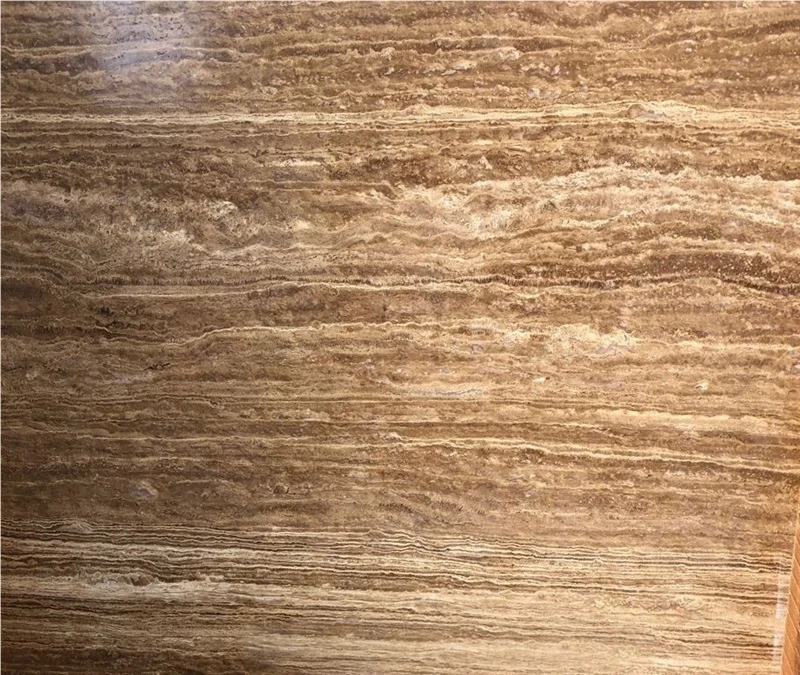
Main Color: The dominant color of Noce Travertine blocks is brown, with shades ranging from light tan to deep, rich chocolate brown. These natural earth tones make it a warm, neutral choice for a variety of design projects.
Veining and Patterns: Noce Travertine blocks feature natural veins in lighter tones such as beige or tan. These veins create swirling patterns, giving the stone a unique and visually striking appearance. The characteristic holes and pits can be left unfilled for a rustic look or filled with resin for a smoother finish.
Applications
Interior:
Countertops and Vanities: Noce Travertine blocks are processed into slabs to create luxurious countertops and bathroom vanities. The warm brown tones add sophistication and elegance to interior spaces.
Wall Cladding: Blocks of Noce Travertine can be cut into tiles or panels for wall cladding in both residential and commercial interiors, adding texture and a natural aesthetic to spaces like living rooms, bathrooms, and hallways.
Exterior:
Building Facades: Noce Travertine blocks are often cut into large slabs or tiles for exterior cladding, giving buildings a warm, elegant, and timeless look. The stone's durability makes it suitable for use in facades that need to withstand weathering.
Columns and Landscaping: The blocks can also be cut into architectural elements such as columns or decorative landscaping features. Their brown tones blend well with outdoor environments, adding a natural, earthy vibe to courtyards, patios, and gardens.
Maintenance and Care
Sealing: Noce Travertine blocks, once processed into usable forms, should be sealed to protect against moisture, staining, and weathering. Regular sealing every 6-12 months is recommended, depending on whether the stone is used indoors or outdoors.
Cleaning: Use a pH-neutral stone cleaner to avoid damaging the natural stone surface. Acidic cleaners can cause etching, especially in areas with natural pits and pores.
Filling: The characteristic pits of Noce Travertine can be left open for a more rustic appearance or filled with resin or grout for easier cleaning and maintenance. Filled travertine typically requires less frequent upkeep.
Polishing: For polished finishes, periodic maintenance may include repolishing to restore shine, especially in high-traffic areas. Tumbled and honed finishes require minimal polishing.
Pros and Cons
Pros:
Natural, warm, and neutral tones that fit a wide variety of design styles, from rustic to modern.
Versatile in both interior and exterior applications, with various finish and format options.
Cons:
Softer than granite and marble, making it more prone to scratches and wear over time.
Requires regular maintenance, including sealing and cleaning, to protect against moisture and stains.
Major Sources and Extraction Areas
Noce Travertine is sourced from various limestone-rich regions around the world. Key locations for extracting Noce Travertine blocks include:
Turkey: Turkey is a major producer of Noce Travertine, particularly in regions like Denizli and Afyon, where the stone is extracted in large quantities and shipped globally.
Mexico: Mexican quarries also produce high-quality Noce Travertine, known for slightly different brown tones and natural veining patterns, making it a popular export.
Conclusion
Noce Travertine blocks are a durable and versatile natural stone material that can be processed into a wide range of architectural and design products. With their warm brown tones and unique natural patterns, these blocks are an excellent choice for both interior and exterior applications. From countertops and wall cladding to building facades and landscaping features, Noce Travertine offers a timeless, natural beauty. However, proper sealing and regular maintenance are required to preserve its appearance and functionality.
Property | Specification |
|---|---|
Hardness | 3-4 on the Mohs scale |
Color | Earthy brown tones, ranging from light tan to dark chocolate |
Application | Facades, countertops, wall cladding, landscaping |
We Recommend
New Arrivals
New products from manufacturers at wholesale prices