Product Overview
Description
Linseed Oil
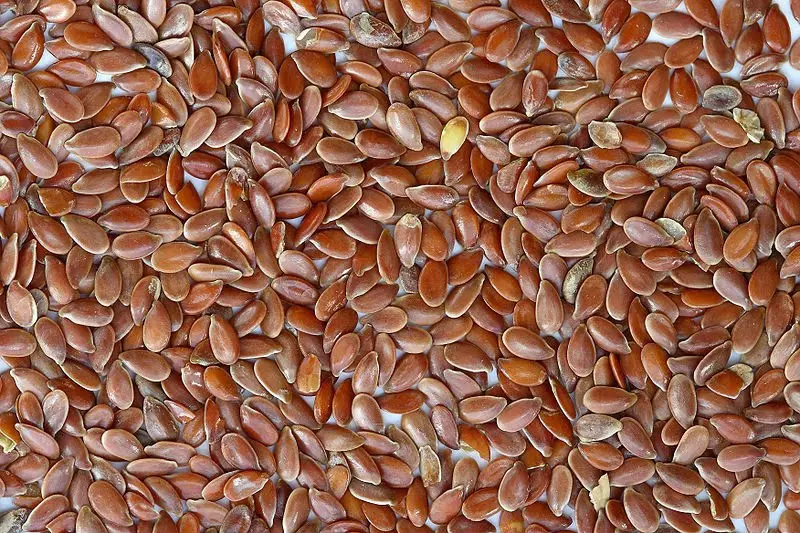
Linseed oil is derived by the cold pressed method from the seeds of the Flax plant. Flax is a member of the genus Linum in the family Linaceae. It is native to India. Flax is an erect annual plant growing to 1.2 m tall, with slender stems. The leaves are glaucous green, slender lanceolate, 20–40 mm long and 3 mm broad. The flowers are pure pale blue, 15–25 mm diameter, with five petals; they can also be bright red. The fruit is a round, dry capsule 5–9 mm in diameter, containing several glossy brown seeds shaped like an apple pip, 4–7 mm long.
Linseed oil is yellow in colour and without taste or odor. It is derived by the cold pressed method to prevent impurities from getting into the oil. The unprocessed Raw Linseed oil is known as Flaxseed Oil. This organic flaxseed oil contains Vitamin B complex, Zinc, Lecithin, Omega-3 fatty oils and Alpha-Linolenic acid. It is highly recommended for the general well being and whole body nutrition, and is considered to be nature's richest source of Omega -3 fatty acids that are required for the health of almost all body systems. The evidence is strongest for heart disease and problems that contribute to heart disease.
Linseed oil has resolvent properties, thereby making it highly useful for industrial applications. It is a slow-drying liquid with good preservative properties and water resistance. It prevents corrosion and dry rot. It has long been used as a drying oil, a vegetable oil which undergoes oxidation and forms a natural, plastic-like film. The reactivity of Linseed oil can be improved by the addition of metal catalysts, called driers, which promote oxidation, and by partially pre-oxidizing the Linseed oil through exposure to the air. It was found that the addition of solvents such as Mineral Spirits, Japan drier, and Turpentine would speed Linseed oil's drying time, making it a more useful product. It is a versatile substance, depending upon how it is processed. It is used in various industries.
Linseed Oil Uses
Linseed oil comes from the flax plant. The oils used for human consumption are cold pressed from the plant and are used either as an additive, such as sprinkling linseed oil over a salad, or in a capsule or pill form. It has a strong flavor, so many people prefer taking it in capsule form.
Linseed oil is rich in both omega-3 and omega-6 fatty acids, but it is higher in omega-3's. It's often recommended as a source of omega-3 fatty acids for vegans and vegetarians who don't want to take fish oil capsules or krill oil capsules, the richest source of omega-3 fatty acids.
Like many other foods rich in these healthy fats, linseed oil uses tend to focus around cardiovascular health.
High Cholesterol
Individuals diagnosed with high cholesterol levels may be advised to adopt the so-called Mediterranean diet or a plant-based diet in which linseed oil and other healthy oils such as olive oil are an important component. Although it may seem counterintuitive to add oils to your diet when you've already been told you have high cholesterol, plant-based oils do not contribute to high cholesterol levels. It's the saturated fat and cholesterol in meat and similar foods that can add to your overall cholesterol level and increase the LDL or so-called 'bad' cholesterol. Plant-based oils such as flaxseed (linseed) and olive oil, on the other hand, may raise the 'good' HDL cholesterol level along with a diet rich in fruits, vegetables and whole grains.
According to the University of Maryland Medical Center, only a small number of studies on linseed oil and its effect on cholesterol levels have been done. Whether or not supplements will make the same difference as food based sources is unknown. Since linseed oil has virtually no known side effects and is a food, you may want to start sprinkling some on your salad as a dressing instead of a commercial dressing.
How to Use Linseed Oil
You can purchase bottles of linseed oil at health food stores nationwide. It will either be marked 'flaxseed oil' or 'linseed oil.' Look for cold-pressed oils, which contain more beneficial ingredients. Some may be kept in the refrigerated section. It's a good idea to refrigerate linseed oil since heat degrades the oil quickly. Light can also degrade linseed oil, so higher quality brands are sold in dark or opaque glass or plastic containers.
You can also purchase linseed or flaxseed oil supplements at the health food or vitamin store. Follow the label directions when taking supplements and do not exceed the recommended daily amount.
There are few side effects of using linseed oil. People who are taking medications for diabetes or schizophrenia should not take linseed oil; medications for these conditions may make it impossible for your body to convert the ingredients in the oil into the beneficial compounds used by the body. Linseed oil can slow how oral medications are absorbed, so talk to your doctor if you take any medication; he may recommend taking the linseed supplements at different times from your other medication.
Lastly, one unpleasant side effect of taking too many linseed oil supplements is loose stools or diarrhea. If you find yourself with either problem, stop taking the supplements. It should clear up in a day or two. If not, see a healthcare practitioner. And of course, pregnant or nursing women should not take supplements without the advice and consent of their physician.
Linseed oil uses are many, but most are focused on reducing inflammation. It's a fairly safe food additive to try and not too expensive. If you don't have any preconditions that make it inadvisable to take it, it may be worth a try.
We Recommend





New Arrivals
New products from manufacturers at wholesale prices