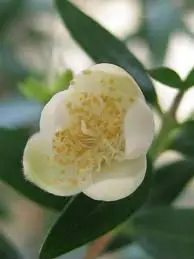
Exporter Myrtle Oil Soothing Open Back Massage
- Category: >>>
- Supplier: SNN NATURAL PRODUCTS
Share on (141905760):
Product Overview
Description
Myrtle Oil
The health benefits of Myrtle Essential Oil can be attributed to its properties like antiseptic, astringent, deodorant, expectorant and sedative.
Myrtle Essential Oil is obtained through steam distillation of flowers as well as leaves and stem of Myrtle, called Myrtus Communis in the botanical world. Its main constituents are Cineol, Myrtenol, Pinene, Myrtenyl Acetate, Geraniol, Linalool, Camphene and Borneol. This plant Myrtle has a lot to tell you of ancient Greece, as it were associated with Aphrodite, the Goddess of Love and Beauty. Further, the brave soldiers, athletes and nobles were honored with its leaves. But that was not all. It was priced due to its medicinal properties too. Let us see what ancient Greeks found in it that can benefit us too.
Health benefits of Myrtle oil
Antiseptic: This property makes Myrtle Essential Oil a suitable application on wounds and ulcers. It does not let microbes infect the wounds.
Astringent: If used in mouthwash, it makes the gums to contract and fasten their hold on teeth. If ingested, it makes the tracts and muscles to contract. Further, it contracts and pulls up the skin and helps diminish wrinkles. It can also help stop haemorrhage by making the blood vessels to contract.
Deodorant: It drives away odor. It can be used in incense sticks, burners, fumigants and vaporizers as room fresheners as well as can be used as body deodorants and perfumes. It has no side effects such as itches, irritations or patches on skin and is not harsh on the skin either.
Expectorant: This property of Myrtle Oil drives away phlegm, clears congestion of nasal tracts, bronchi and lungs resulting from cold and gives good relief from coughing.
Sedative: The essential oil of Myrtle relaxes and sedates. This property gives relief from tension, stress, annoyance, anger, distress and depression as well as from inflammations, irritations and allergies.
Advertisement
Nervine: It maintains stability of nerves and does not let you go nervous over small issues every now and then. It is beneficial against nervous and neurotic disorders like Alzheimer’s disease, Parkinson’s disease, shaking limbs, fear, vertigo,anxiety etc.
Aphrodisiac: Perhaps this is why this oil is related to Goddess Aphrodite. It works very well on problems such as impotency, frigidity, erectile dysfunctions, loss of libido etc.
Anti Catarrhal: This makes it counter accumulation of phlegm and catarrh in the respiratory tracts. This property also checks formation of mucus and gives relief from coughs and trouble in breathing etc.
Disinfectant: Myrtle Essential Oil inhibits infections, being a bactericidal, germicidal, fungicidal and anti viral. It also helps cure infections in stomach and intestines and helps stop diarrhea.
Other Benefits: It can be used for skin care and against haemorrhoids, acne or pimples, cystitis, infections in the urinary tract and chronic problems like leucorrhoea etc. Effective against chest infections in babies and elderly people.
Botanical Name: Myrtus communis
Plant Part: Leaves and Twigs
Extraction Method: Steam Distilled
Origin: Morocco
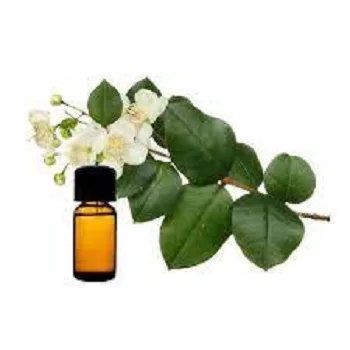
Description: Myrtle Essential Oil comes from a small tree with many tough slender boughs. It has a brownish red bark with small pointed leaves. It produces flowers which turn into black berries; both the flowers and leaves are very fragrant.
Color: Reddish brown liquid.
Common Uses: Myrtle Essential Oil has common use as an astringent, antiseptic, vulnerary, bactericidal, expectorant and as a decongestant. Aromatherapy applications include usage to combat sore throats and coughs.
Consistency: Thin
Note: Middle
Strength of Aroma: Medium
Blends well with: Bergamot, Clary Sage, Clove Bud, Hyssop,Eucalyptus, Ginger, Lavender, Peppermint, Rosemary, Spearmint, Thyme, and Tea Tree.
Aromatic Scent: Myrtle Essential Oil has a clear, fresh scent that is slightly camphoraceous – much like Eucalyptus.
History: The ancient Egyptians used Myrtle, a plant native to Africa, to remedy sore throats and coughs. As early as 1867 there is also evidence that the essential oil was commonly being used by medical practitioners.
Cautions: Myrtle Essential Oil can be possibly toxic in high concentrations, and should not be used during pregnancy.
We Recommend





New Arrivals
New products from manufacturers at wholesale prices