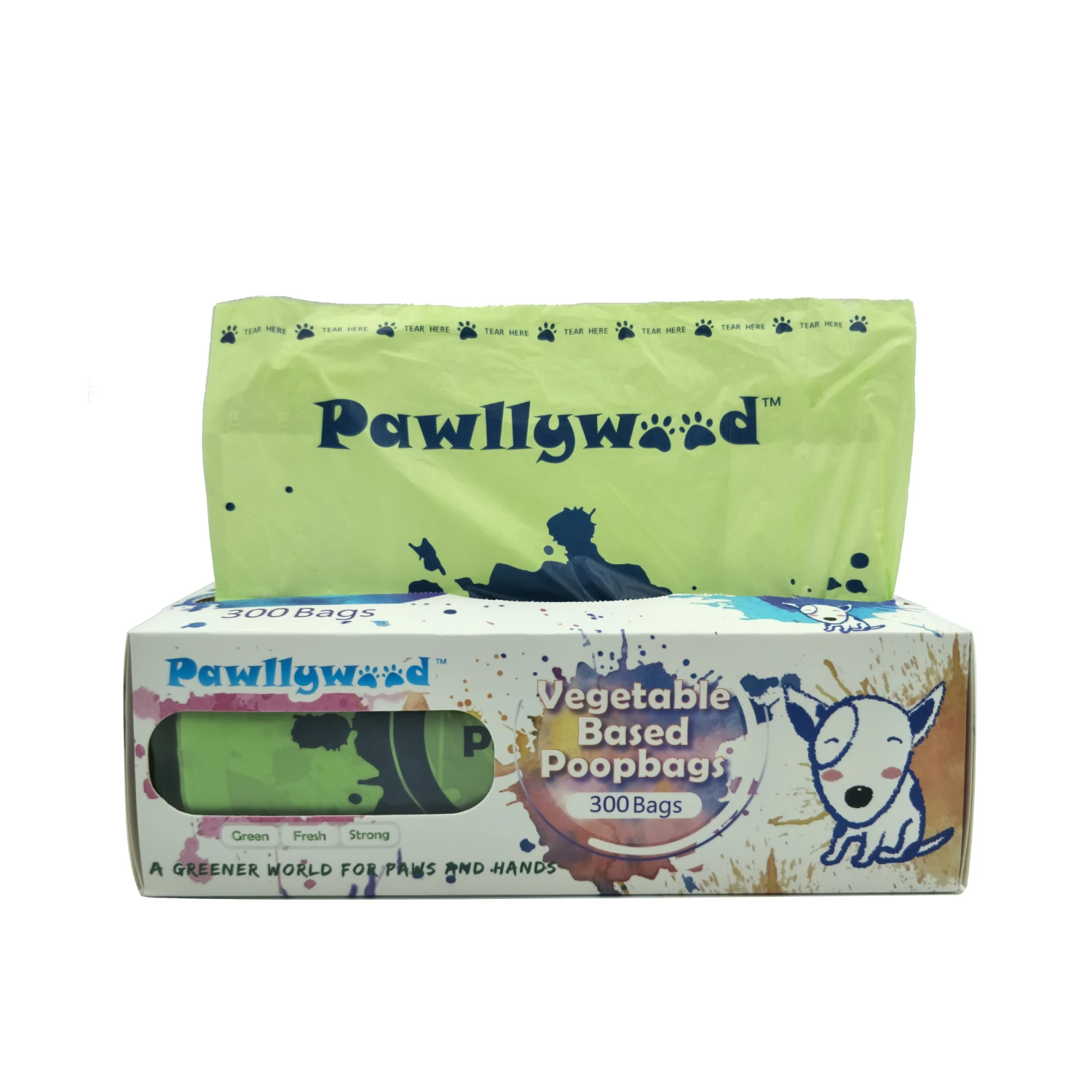
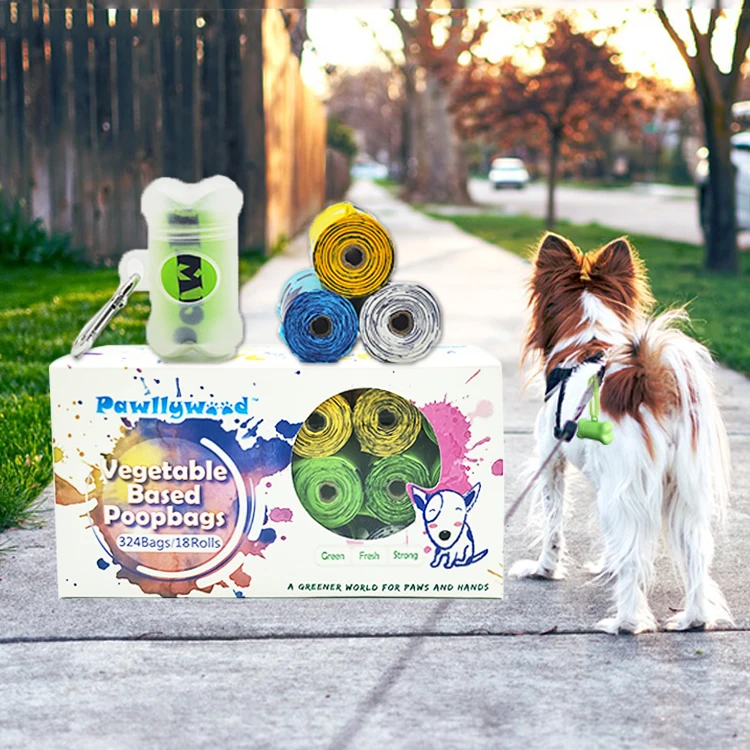
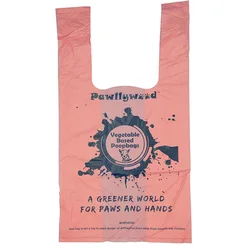

OEM Private Label Dog Poop Bag Eco Friendly with Free Dispenser, Biodegradable & Compostable, 18/28Rolls Per Box
- Category: >>>
- Supplier: Nanjing Adorable Environmental Technology Co. Ltd.
Share on (1600103829338):
Product Overview
Description
Specification
Product | Cornstarch poop bag |
Material | cornstarch+PE/ cornstarch+PLA+PBAT |
Thickness | 10-20 mics |
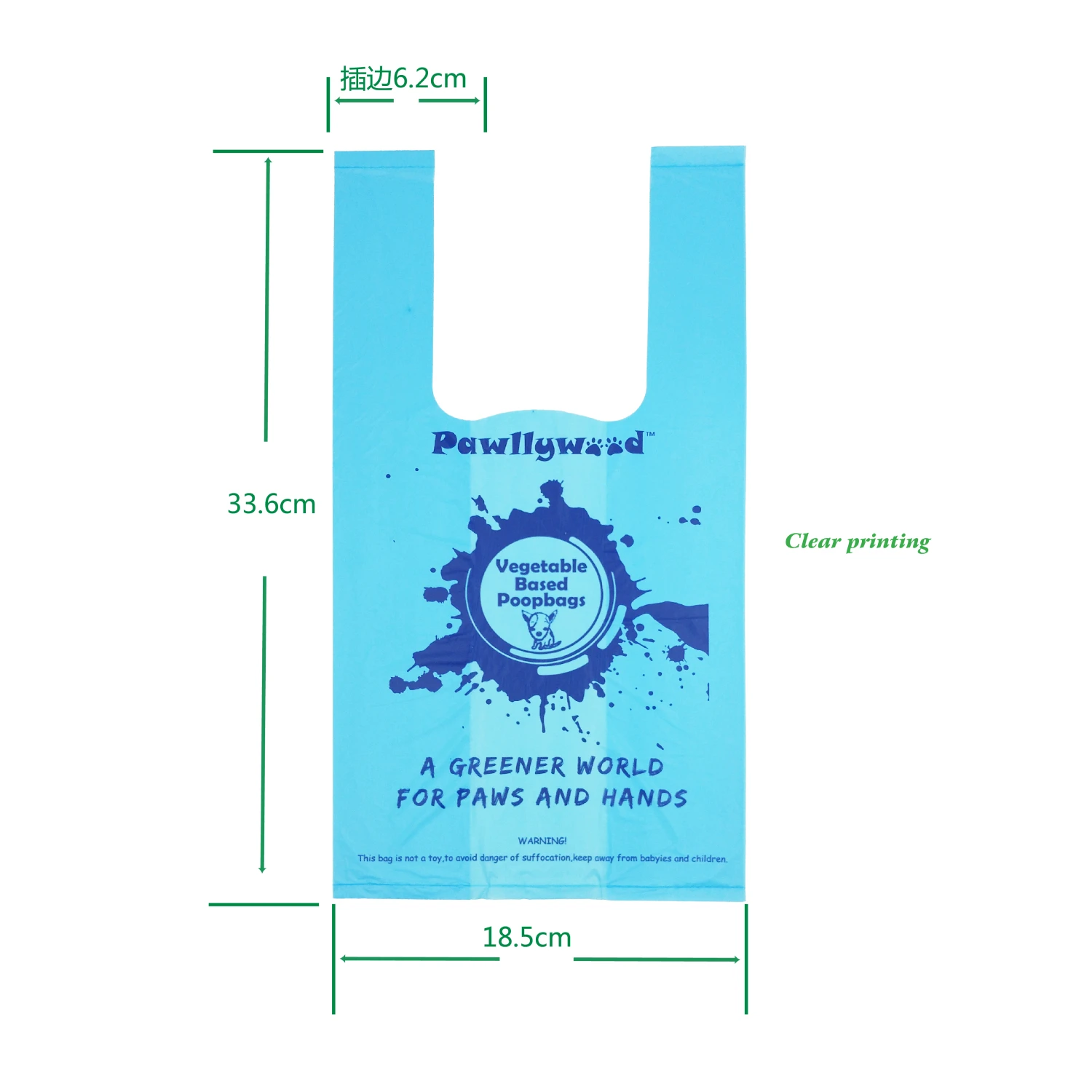
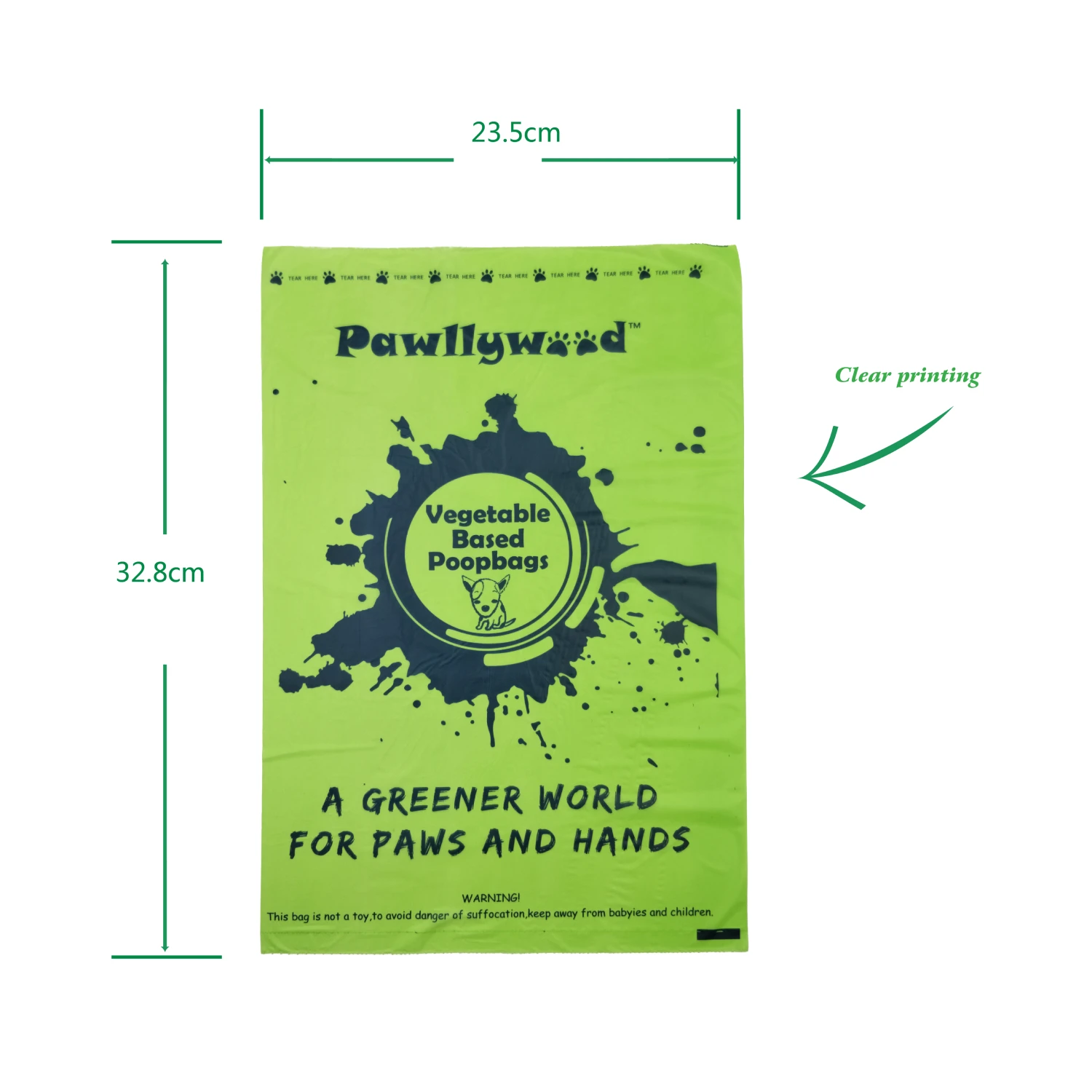
Size | 16*4.5inch or customized |
Product Description
Company Profile

Certifications

Exhibition

Packaing and Shipping


FAQ
Q:Compostable vs. Biodegradable?
A:Biodegradable: It is misleading to merely claim biodegradability without any standard specification. If a material or product is advertised to be biodegradable, further information about the timeframe, the level of biodegradation, and the required surrounding conditions should be provided, too.
Compostable: If a product is specified to be compostable, the claim is not only unambiguous (i.e. to be treated in an industrial compost plant or home composting bins), but there is another big benefit: It differentiates itself from products marketed to be ‘oxo-biodegradable’ or similar claims. Products marketed as oxo-biodegradable do not fulfil the requirements of EN 13432 and other standards on industrial compostability, and are therefore not certified as compostable.
Compostable: If a product is specified to be compostable, the claim is not only unambiguous (i.e. to be treated in an industrial compost plant or home composting bins), but there is another big benefit: It differentiates itself from products marketed to be ‘oxo-biodegradable’ or similar claims. Products marketed as oxo-biodegradable do not fulfil the requirements of EN 13432 and other standards on industrial compostability, and are therefore not certified as compostable.
Q:What are the advantages of compostable products?
A:By using biodegradable and compostable plastic products such as compsotable bags and packaging. composting (organic recovery I organic recycling) becomes an available waste management option. This is of particular benefit when separate collection of waste becomes mandatory. The use of compostable plastics makes the mixed waste suitable for organic recycling, enabling the shift from recovery to recycling.
Q:Are any contaminants or harmful substances left behind when compostable plastics biodegrade?
A:Compostable plastics that are tested and certified according to EN 13432 (EU), ASTM D6400 (USA), AS 4736 (Australia) are
required to disintegrate after 12 weeks and completely biodegrade after six months. That means that 90 percent or more of the
plastic material will have been converted to C02. The remaining share is converted into water and biomass. which no longer
contains any plastic. Such standards also include test on ecotoxicity and heavy metal contents to ensure that no harmful
substances are left behind.
required to disintegrate after 12 weeks and completely biodegrade after six months. That means that 90 percent or more of the
plastic material will have been converted to C02. The remaining share is converted into water and biomass. which no longer
contains any plastic. Such standards also include test on ecotoxicity and heavy metal contents to ensure that no harmful
substances are left behind.
We Recommend
New Arrivals
New products from manufacturers at wholesale prices