Sodium Butyl Xanthate
US $1300-$1400


Share on (1600150624108):


| Grouping | Other reagents |
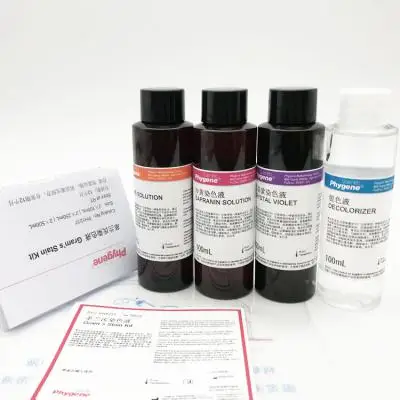
| Keywords | Gram's Stain Kit |
| Brand | NJDULY |
| Place of Origin | Nanjing, China (Mainland) |
| Payment | T/T |
| Port | Shanghai |
| Supply Capacity | 100 Piece/per Month |
| Packing | 4*100ml/piece |
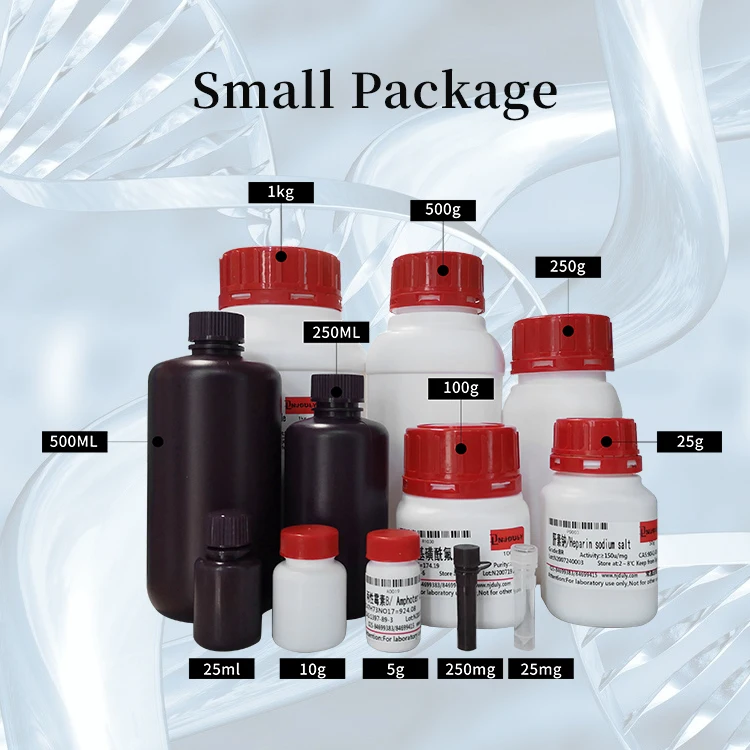
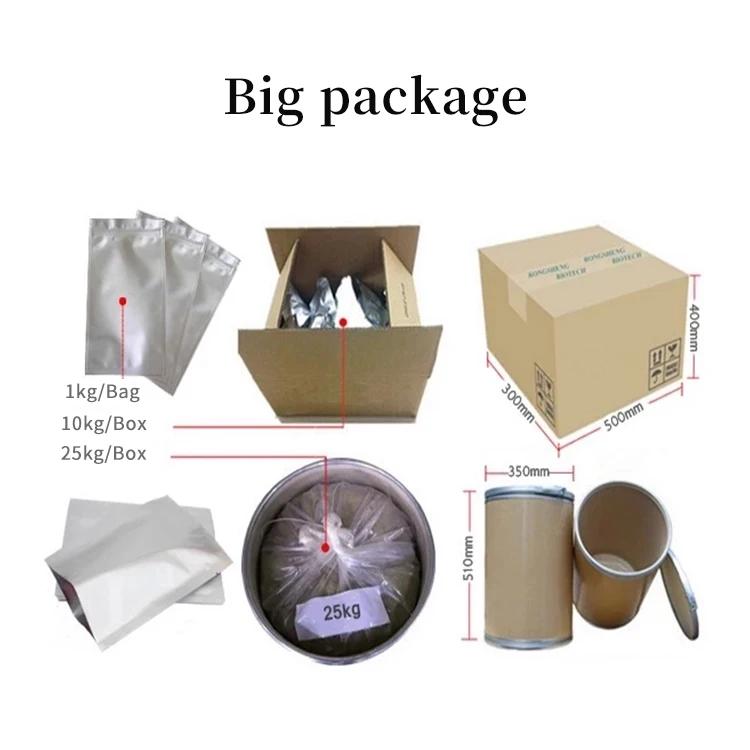
| Other packaging | please consult customer service |
| To Find Out More, Click Here | |
Gram staining is a widely used differential staining method in bacteriology. The complex of crystal violet and iodine is formed in the cell wall after crystal violet primary dyeing and iodine solution mordant dyeing. The cell wall of Gram-positive bacteria is thicker, and the peptidoglycan network is more layered and crosslinked. When ethanol decolorization, peptidoglycan dehydration reduces the pore size, so crystal violet iodine complex is retained in the cell wall On the cell membrane, it is purple. Gram negative bacteria had thin cell wall, high lipid content in outer membrane layer, thin peptidoglycan layer and poor crosslinking degree. After decolorization, the lipid outer membrane dissolved rapidly, the gap increased, and the crystal violet and iodine complex dissolved out. Therefore, ethanol decolorized and then dyed with safranine, turned red.
Operation steps:
1. Specimen treatment
(1) Specimens with bacteria, such as sputum, feces, swabs and wounds, can be smeared directly.
(2) For specimens of sterile parts, such as cerebrospinal fluid, pleural effusion, ascites, bile, urine and joint fluid, appropriate amount of specimens (up to 5-7 ml) should be taken and centrifuged at 3000 rpm for 10 min. sediment smears were taken for staining.
2. Smear making
When smearing the bacterial liquid, the inoculation ring is used to dip the bacterial liquid on the slide, and the specimen can be directly coated on the slide; when the bacterial liquid smear is carried out, a drop of normal saline is taken and placed on the slide, and the bacterial colony is picked up by the inoculation needle and coated in the salt water. The prepared smear should be dried naturally and fixed by flame. The fixed temperature should not be too high. If the back of the slide does not touch the back of the hand, it may change the morphology of bacteria. The fixed smears were stained.
3. Dyeing
Generally, it includes four steps: primary dyeing, mordant dyeing, decolorization and re dyeing
(1) After adding crystal violet, dye for 1 minute and wash with water.
(2) Add iodine solution, dye for 1 minute and wash with water.
(3) Add 95% alcohol, shake the slide, decolorize for 20-60 seconds according to the thickness of the slide, wash with water and absorb water.
(4) Add saffron, dye for 1 minute and wash.
(5) After being dried or dried in air, oil microscopy was performed.
Note: the key of Gram staining is to strictly control the degree of alcohol decolorization. If the decolorization is excessive, the positive bacteria can be mistakenly dyed as negative bacteria; when the decolorization is insufficient, the negative bacteria can be mistakenly stained as positive bacteria. In addition, the age of the bacteria also affected the staining results, for example, the positive bacteria had been cultured for a long time, or had died and some bacteria dissolved by themselves,
They were often negative.
4. Results: gram negative bacteria were red, gram positive bacteria were purple. According to the Gram staining reaction of the evenly dispersed bacteria, the over dense bacteria often present false positive.
matters needing attention:
1. The specimen smear should not be too thick and should be carried out strictly according to the operation requirements. If the smear is thick, the decolorization time should be prolonged until no more purple appears.
2. The temperature of the slide passing through the flame should not be too high.
3. If the iodine solution becomes transparent, it can not be used.
4. When washing, the action should be gentle, and wash with the washing bottle along the diagonal direction of the slide to avoid washing out the bacteria.
5. Before smearing, circle marks should be made on the back in order to judge the position of the follow-up test.
Gram stain is probably one of the most commonly used staining procedures used in the field of microbiology. It is one of the differential stains that are used to characterize bacteria in one of two groups: either gram positive bacteria or gram negative bacteria.
Gram positive bacteria will typically have a stronger affinity for crystal violet on applying gram's iodine than the gram negative cell wall.
Being a mordant, gram's iodine forms a complex with crystal violet in the stain that has attached more tightly to the cell wall of gram positive bacteria than that of the gram negative bacteria.
Whereas the gram positive bacteria stain violet as a result of the presence of a thick peptidoglycan layer in the walls of their cell, the gram negative bacteria stain red, due to the thinner peptidoglycan layer in their cell wall (a thicker peptidoglycan layer allows for the retention of the stain, but a thinner layer does not).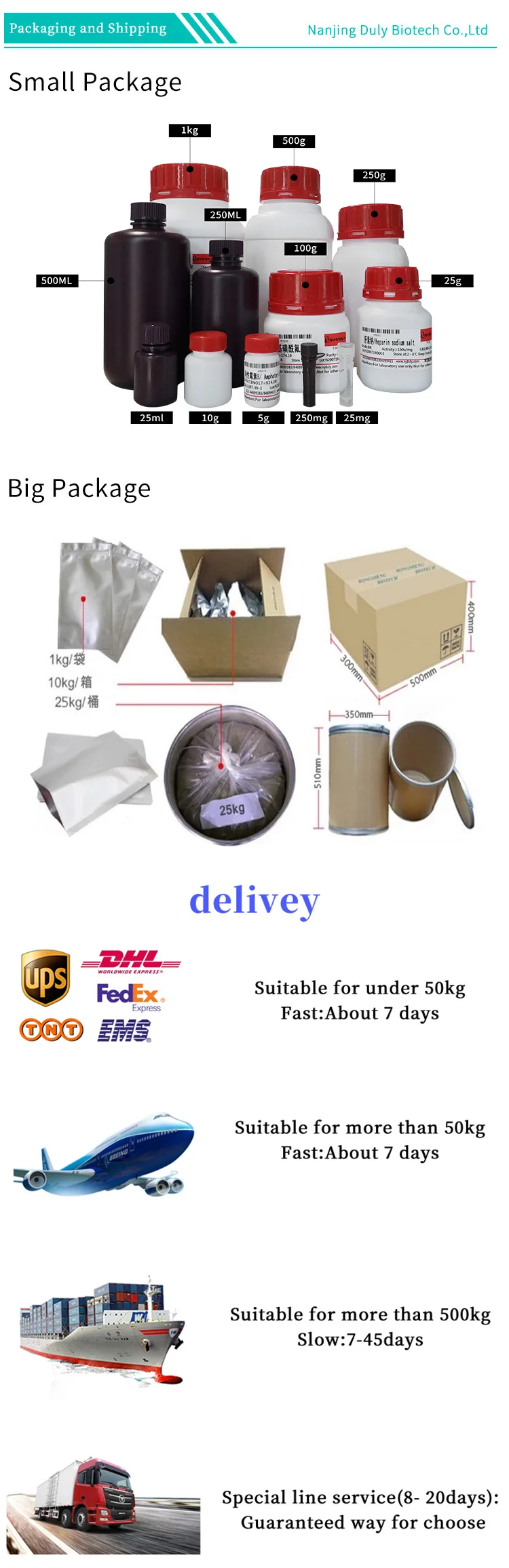

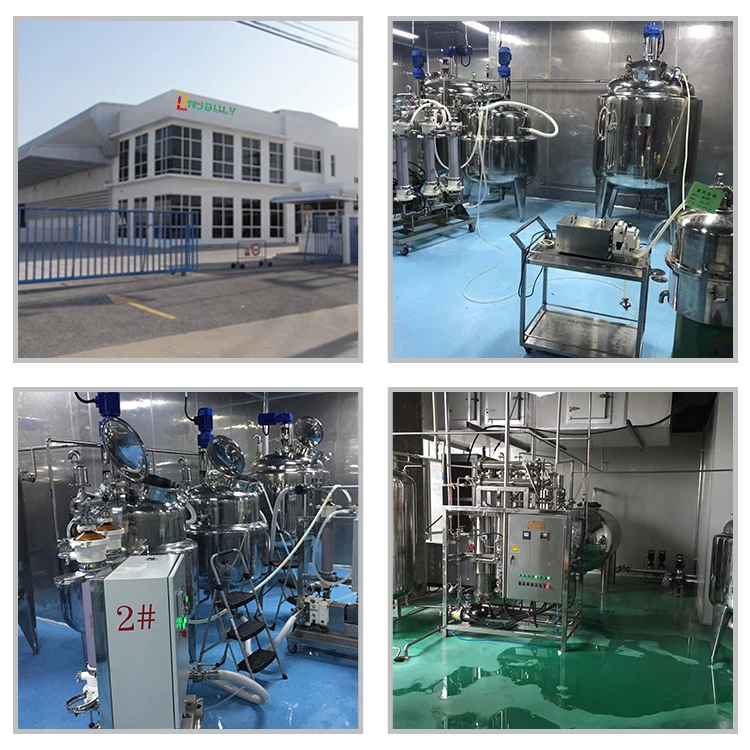
Nanjing Duly Biotech Co.,Ltd
has been established for 11 years. It is mainly engaded in biological and chemical reagents,including enzyme reagents, proteins, nucleic acids, pigments, amino acids, vitamins,carbohydrates, buffers, surfactants,culture media and Separation of materials and kits.There are more than 10,000 products in total.
Our company’s aim is to provide customers with the best quality products and the most intimate service.Personnel has been trained; every batch of material is checked; each procedure guarantees the quality; every bag of our products is top grade;service is thoughtful all the time.The quality, colors and forms of our products have reached a high level in related chemical industry, which relies on characteristic and advanced processing technology and it has gained a high and reliable reputation from customers at both quality and services.


Q1: Are you a manufacturer?
Answer: Yes, we are factory founded on 2009.
Q2:How to contact with us?
Answer:Click the Alibaba "Contact Supplier" And then send us message the product you interest in, you will get reply within 24 hours.
Q3:Can you give me a discount price?
Answer:Surely,It depend on your qty.
Q4: How can i get a sample?
Answer:Free sample is available,but freight charges will be at your account and the charges will be return to you dudect from your order in future.
Q5:What are the main categories of products sold by the company?
Answer: It is mainly engaded in biological and chemical reagents,including enzyme reagents, proteins, antibiotics, plant hormones, nucleic acids, pigments, amino acids, vitamins, carbohydrates, buffers, surfactants, culture media and Separation of materials and kits.
Q6:Is the company mainly engaged in small packaging or large packaging?
Answer: Mainly do small packaging reagents, large packaging also do, specific can ask customer service personnel.

New products from manufacturers at wholesale prices