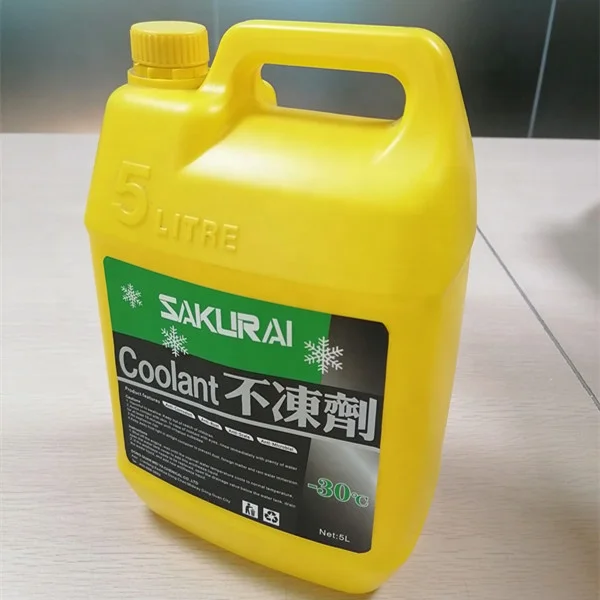
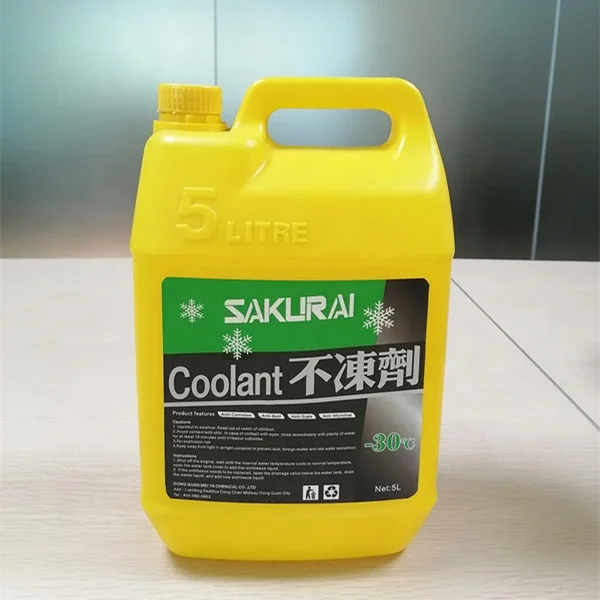
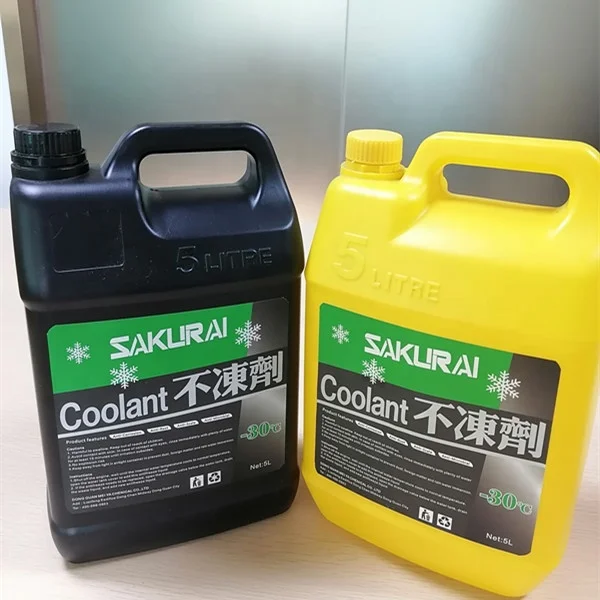
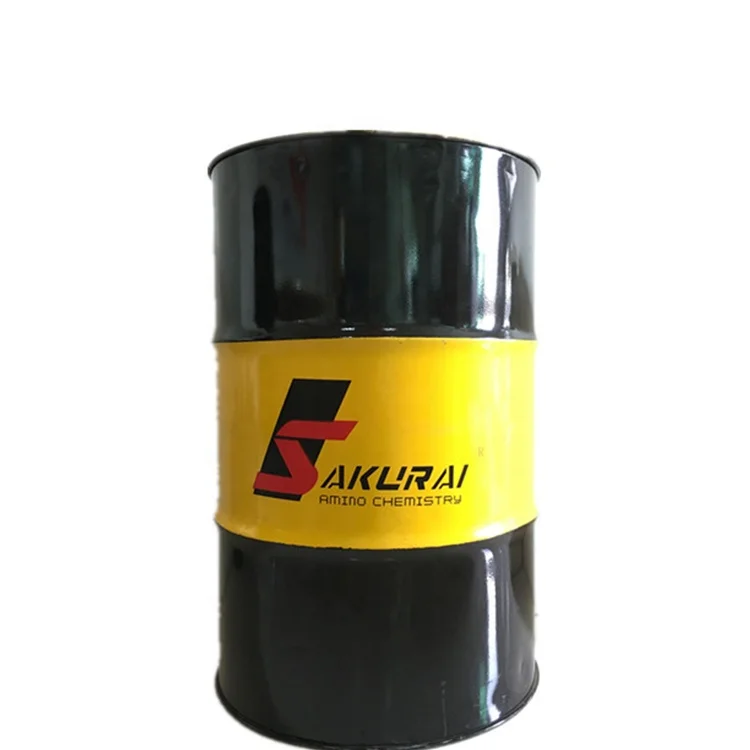
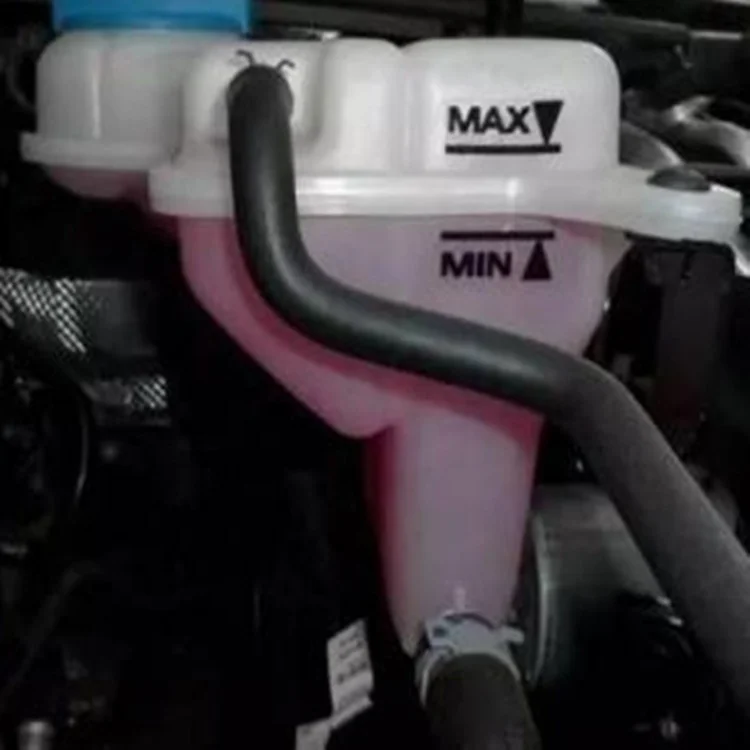
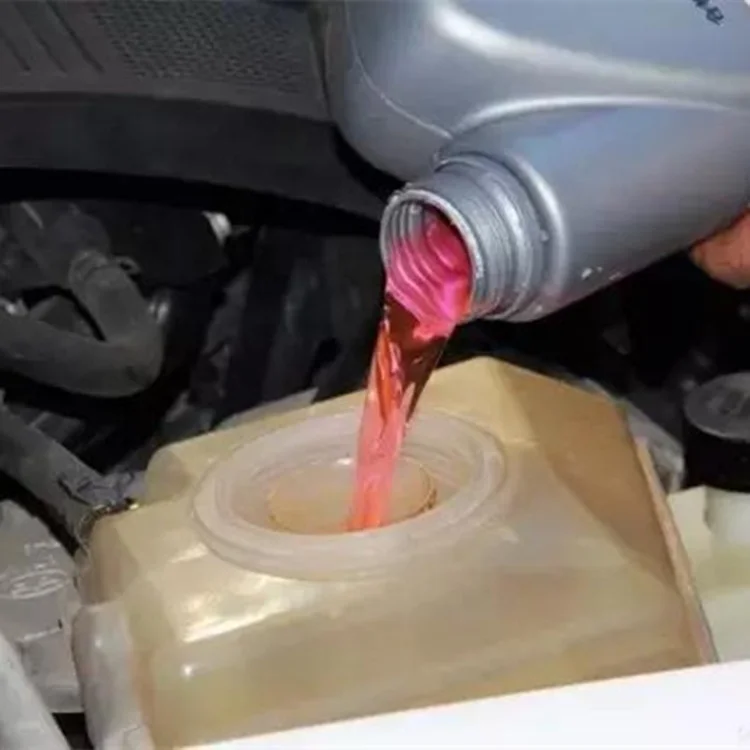
Car Antifreeze liquid Engine Coolant
- Category: >>>
- Supplier: Dongguan Meiya Chemical Co. Ltd.
Share on (1600185995694):
Product Overview
Description

Antifreeze fluid / Car coolant
Engine coolant, also known as antifreeze, is mixed with water to keep the radiator from freezing in extreme cold and overheating in extreme heat. There are many different types of coolant, so it’s important to know what variety is right for your car or truck.
How to check your engine coolant
Maintenance is an essential part of owning a car. Caring for your vehicle can save you money, and can help it run for longer. Many car owners rely on regular trips to the shop to handle maintenance, such as getting the oil changed. You can help keep your car running smoothly by performing a few simple tasks at home, such as changing the car’s coolant and other fluids.
When you change the engine coolant, you perform a coolant flush. Different cars may need different coolant, but every vehicle needs a coolant flush approximately every five years or every 30,000 miles. Selecting the right coolant depends on several factors, including the age and type of vehicle.
What are the Different Types of Engine Coolant
Many modern automobiles require enhanced engine coolants to properly maintain the vehicle’s cooling system and protect the engine from damage. Today, automotive service providers use three basic types of engine coolant:
• IAT – Inorganic Additive Technology
For decades, this distinctive green-colored coolant protected cooling systems, but it is rarely used as factory fill in modern cars. One reason is the fast depletion rate of its additives, which means it has to be changed more frequently, usually every two years or 24,000 miles.
• OAT – Organic Acid Technology
Commonly required for vehicles manufactured by General Motors, and some other automakers, OAT coolants are not compatible with other types. Usually orange, yellow, red or purple, OAT coolants are typically changed every five years or 50,000 miles.
• HOAT – Hybrid Organic Acid Technology
Providing the benefits of both IAT and OAT coolants, HOAT coolants are primarily orange and yellow and are common in Chrysler and Ford vehicles. OAT coolants are typically changed every five years or 50,000 miles, although some automakers specify intervals as long as 10 years or 150,000 miles.
• Hybrid and Electric Vehicle Cooling Systems
Most hybrid and electric vehicles have a separate cooling system for the battery pack. Only coolants that meet the automakers’ specifications should be used in these systems.
Many modern automobiles require enhanced engine coolants to properly maintain the vehicle’s cooling system and protect the engine from damage. Today, automotive service providers use three basic types of engine coolant:
• IAT – Inorganic Additive Technology
For decades, this distinctive green-colored coolant protected cooling systems, but it is rarely used as factory fill in modern cars. One reason is the fast depletion rate of its additives, which means it has to be changed more frequently, usually every two years or 24,000 miles.
• OAT – Organic Acid Technology
Commonly required for vehicles manufactured by General Motors, and some other automakers, OAT coolants are not compatible with other types. Usually orange, yellow, red or purple, OAT coolants are typically changed every five years or 50,000 miles.
• HOAT – Hybrid Organic Acid Technology
Providing the benefits of both IAT and OAT coolants, HOAT coolants are primarily orange and yellow and are common in Chrysler and Ford vehicles. OAT coolants are typically changed every five years or 50,000 miles, although some automakers specify intervals as long as 10 years or 150,000 miles.
• Hybrid and Electric Vehicle Cooling Systems
Most hybrid and electric vehicles have a separate cooling system for the battery pack. Only coolants that meet the automakers’ specifications should be used in these systems.

We Recommend
New Arrivals
New products from manufacturers at wholesale prices