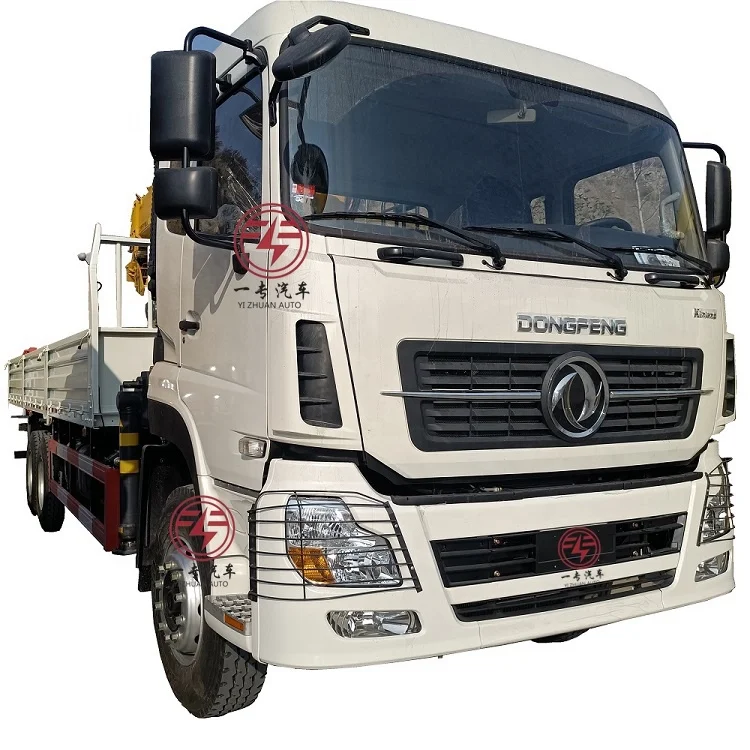
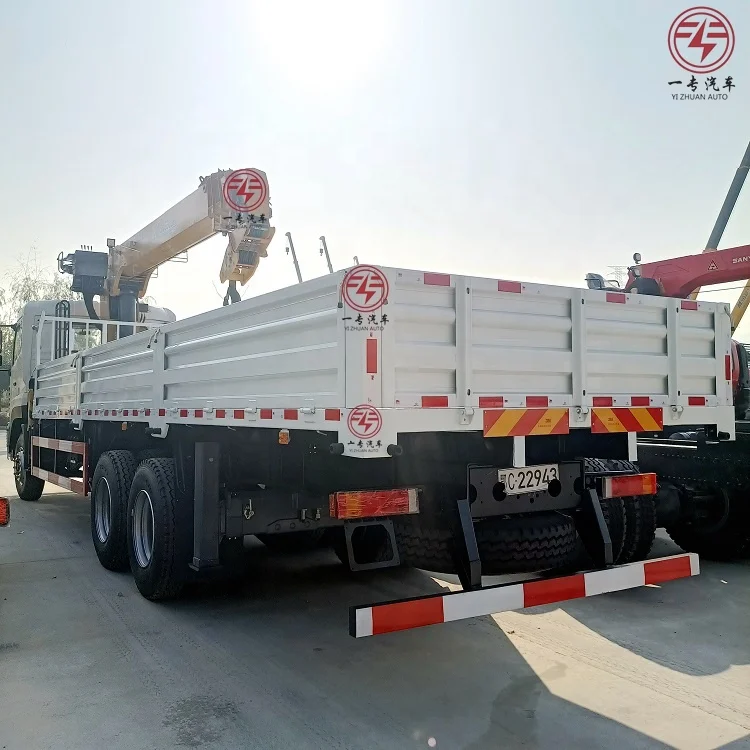
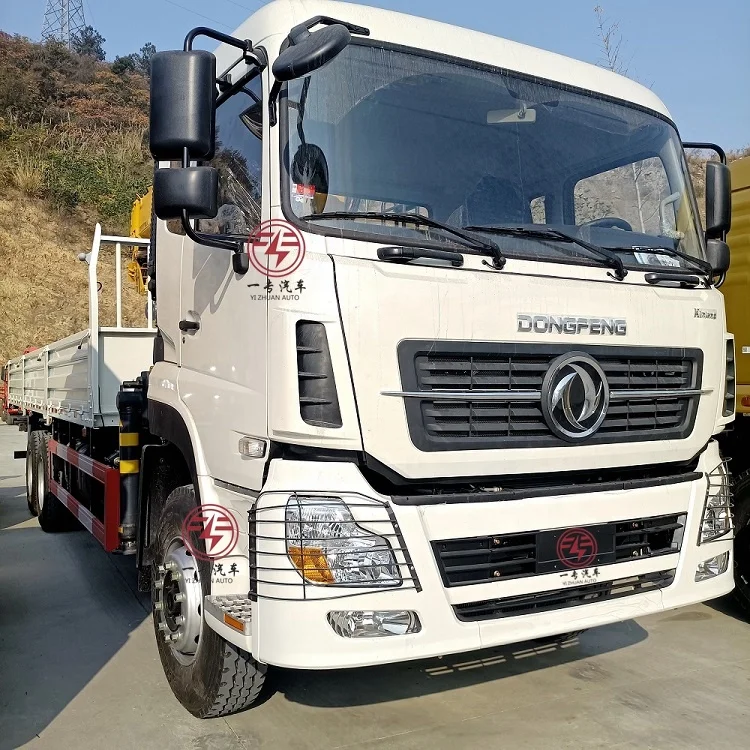
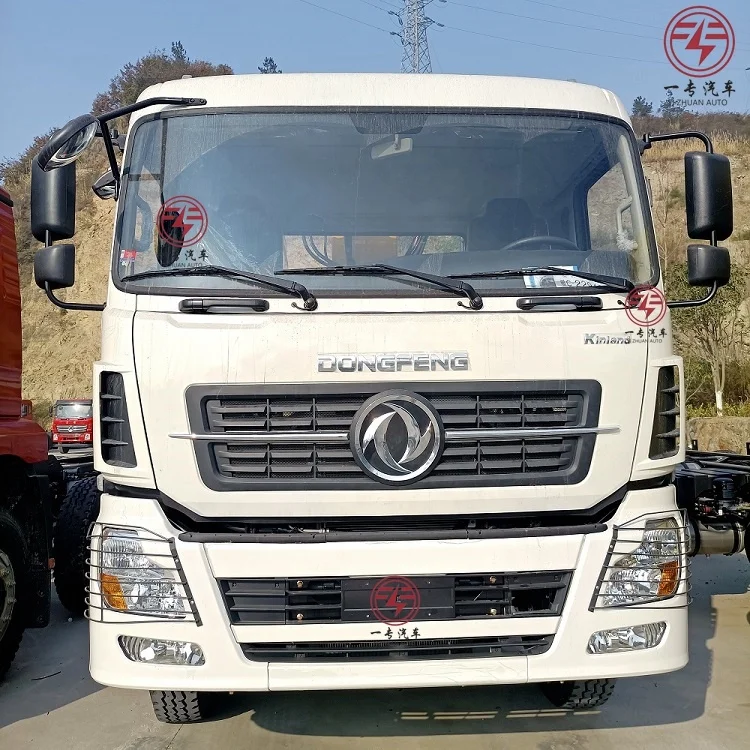
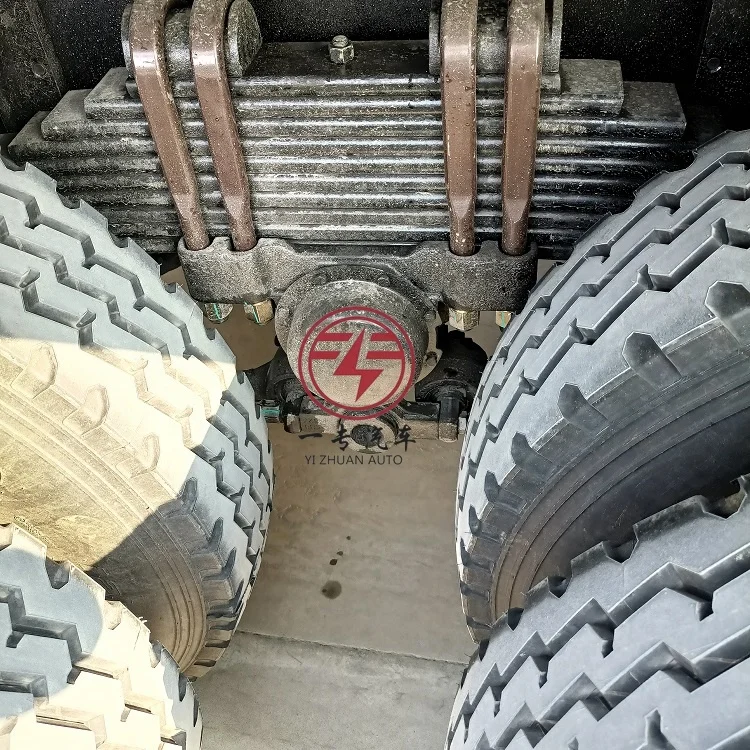
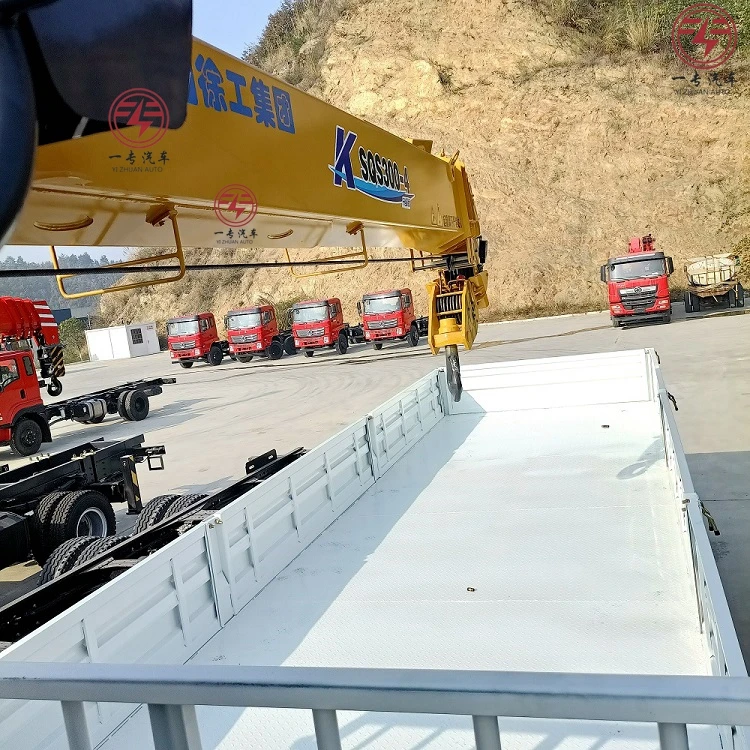
Dongfeng 6x4 Manual 15 Ton Knuckle Boom Lorry crane Truck Mounted Crane Specifications and price list
- Category: Truck Cranes >>>
- Supplier: Hubei Yizhuan Automobile International Trade Co. Ltd.
Share on (1600193373449):
Product Overview
Description
Welcome To HB YIZHUAN Automobile

Welcome to Hubei YIZHUAN Special Auto CO., LTD
Dear Friend, have a nice day, thanks for your browsing on our website, i am so glad to write you. We are a professional special Auto manufacturer and commercial trucks supplier with having rich experiences and professional manufacturing teams, workshops, equipment and Tech & design teams.Had cooperation with Dongfeng,FAW and so on Vehicle brands several years.Mainly produce Fuel Tank Truck, LED advertising truck, Wrecker truck, Road sweeper, Water truck, Refrigerated truck, Garbage truck, LPG tanks, Concrete mixer truck, Cargo truck, Dump truck, Van truck, Truck mounted crane, Aerial work platform truck,Tractor truck, Semi-trailer, Bulk cement truck, Sewage suction truck, Fecal suction truck, and so on Special vehicles more than 200 kinds. Our prices are very competitive.
Welcome to consult and inquiries!
Product Description
Dongfeng 6x4 Manual 15 Ton Knuckle Boom Lorry crane Truck Mounted Crane Specifications
The most basic truck-mounted crane configuration is a "boom truck", which features a rear-mounted rotating telescopic-boom crane mounted on a commercial truck chassis.
Larger, heavier duty, purpose-built "truck-mounted" cranes are constructed in two parts: the carrier, often called the lower, and the lifting component, which includes the boom, called the upper. These are mated together through a turntable, allowing the upper to swing from side to side.
Mobile cranes
A mobile crane is a cable-controlled crane mounted on crawlers or rubber-tired carriers or a hydraulic-powered crane with a telescoping boom mounted on truck-type carriers or as self-propelled models. They are designed to easily transport to a site and use with different types of load and cargo with little or no setup or assembly.
Truck-mounted
The most basic truck-mounted crane configuration is a "boom truck", which features a rear-mounted rotating telescopic-boom crane mounted on a commercial truck chassis.
Larger, heavier duty, purpose-built "truck-mounted" cranes are constructed in two parts: the carrier, often called the lower, and the lifting component, which includes the boom, called the upper. These are mated together through a turntable, allowing the upper to swing from side to side.
These modern hydraulic truck cranes are usually single-engine machines, with the same engine powering the undercarriage and the crane. The upper is usually powered via hydraulics run through the turntable from the pump mounted on the lower. In older model designs of hydraulic truck cranes, there were two engines. One in the lower pulled the crane down the road and ran a hydraulic pump for the outriggers and jacks. The one in the upper ran the upper through a hydraulic pump of its own. For now, the crane manufacture utilize a truck's engine to power loader cranes through the use of hydraulics, call hydraulic truck mounted crane.
Specification
Overall dimension(LxWxH) | 14150x2800x3800(mm) |
Wheelbase | 4700+1250(mm) |
GVW | 19500(kg) |
Engine Brand | WEICHAI |
Engine power | 170h,190,210 (hp) |
Displacement | 4-6(L) |
Emission Standard | Euro V |
Number of hydraulic telescopic boom | 6 |
Max Rated Lifting weight | 20(ton) |
Rated Lifting Weight | Rated Lifting Weight |
Crane weight | 5641(kg) |
Lifting moment | 53.9T.M |
Minimum rated amplitude | 3(m) |
Maximum hydraulic telescopic length | 15.9(m) |
Rotation angle | 400° |
Outrigger span | 7400/7413(mm) |


Front Outriggers Back Outriggers
Manual outriggers are economical.
Hydraulic outriggers are more convenient and more user-friendly. The back leg improves stability. Modular reserved interface, it is more convenient to select the rear leg. Innovative design of the outrigger protection structure to avoid scratches between the outriggers and the ground.
The outrigger has a large span, good adaptability to the site, and stronger stability of the whole machine.
Hydraulic outriggers are more convenient and more user-friendly. The back leg improves stability. Modular reserved interface, it is more convenient to select the rear leg. Innovative design of the outrigger protection structure to avoid scratches between the outriggers and the ground.
The outrigger has a large span, good adaptability to the site, and stronger stability of the whole machine.
Product details
Humanized operating device design, can operate with both hands at the same time, free combination of telescopic, rotating, luffing, up and down movements.


Outriggers
When working on the job site, outriggers are extended horizontally from the chassis then vertically to level and stabilize the crane while stationary and hoisting.
Many truck cranes have slow-travelling capability (a few miles per hour) while suspending a load. Great care must be taken not to swing the load sideways from the direction of travel, as most anti-tipping stability then lies in the stiffness of the chassis suspension. Most cranes of this type also have moving counterweights for stabilization beyond that provided by the outriggers. Loads suspended directly aft are the most stable, since most of the weight of the crane acts as a counterweight.
Many truck cranes have slow-travelling capability (a few miles per hour) while suspending a load. Great care must be taken not to swing the load sideways from the direction of travel, as most anti-tipping stability then lies in the stiffness of the chassis suspension. Most cranes of this type also have moving counterweights for stabilization beyond that provided by the outriggers. Loads suspended directly aft are the most stable, since most of the weight of the crane acts as a counterweight.

Types of Hydraulic Crane Booms
Mobile cranes have a variety of components that operate within the hydraulic system to lift loads, like as:
FOLDING CRANE BOOMS
FOLDING CRANE BOOMS
The crane’s boom is the arm that the hoisting operation depends on.the boom folds, which allows the crane to have a great reach and range of mobility.
FIXED CRANE BOOMS
For fixed mobile cranes, the boom is fixed or stiff. Stiff boom cranes will usually telescope rather than fold out. Stiff boom cranes are also perfect for pick-up and move jobs due to their compact nature.
Straight boom crane and folding boom crane are available


Related product
If you would like to learn more about how a hydraulic crane boom works, or if you are interested in any of our products, rentals, or services, please contact: asis@yztruck.com


Safety Standards for Jobsites with Hydraulic Cranes
1. Firstly, make sure that all of our operators are always up to date on safety training and standards.
2. Safety Standards for Sites with Cranes
When operating a jobsite with hydraulic cranes present, it is important to have safety standards in place that protect everyone working in the vicinity.
When operating a jobsite with hydraulic cranes present, it is important to have safety standards in place that protect everyone working in the vicinity.
3. KEEP THE WORK AREA CLEAR
A clean and clear jobsite is usually a safe jobsite, especially when working with hoisting and moving equipment. The more obstacles there are to maneuver around, the more likely an accident becomes.
4. ONLY CERTIFIED PERSONNEL USING THE CRANE
One of the most important standards for a jobsite with mobile cranes is to ensure that only certified personnel ever use the crane.
One of the most important standards for a jobsite with mobile cranes is to ensure that only certified personnel ever use the crane.
5. CHANNELS OF COMMUNICATION
Clear communication is key when operating a crane on any jobsite. Establish channels of communication between the crane operator and key personnel throughout the jobsite to ensure that problems can be reacted to with the proper speed and effectiveness.
Clear communication is key when operating a crane on any jobsite. Establish channels of communication between the crane operator and key personnel throughout the jobsite to ensure that problems can be reacted to with the proper speed and effectiveness.
6. PLAN OUT ACTIONS
Every hoisting operation should be planned out in advance to mitigate accidents. The crane should never be turned on without a clear course of action planned out. Factors such as weather conditions, load size and weight, equipment position, and equipment restrictions should all factor into the plan.
Every hoisting operation should be planned out in advance to mitigate accidents. The crane should never be turned on without a clear course of action planned out. Factors such as weather conditions, load size and weight, equipment position, and equipment restrictions should all factor into the plan.
7. CONSTANTLY CHECK EQUIPMENT
Safety and maintenance checks should be a constant standard for any hoisting equipment. Qualified personnel should be monitoring the mobile cranes being used regularly to ensure that there are no possibilities for malfunction.
Safety and maintenance checks should be a constant standard for any hoisting equipment. Qualified personnel should be monitoring the mobile cranes being used regularly to ensure that there are no possibilities for malfunction.
Best Selling
Company Introduction
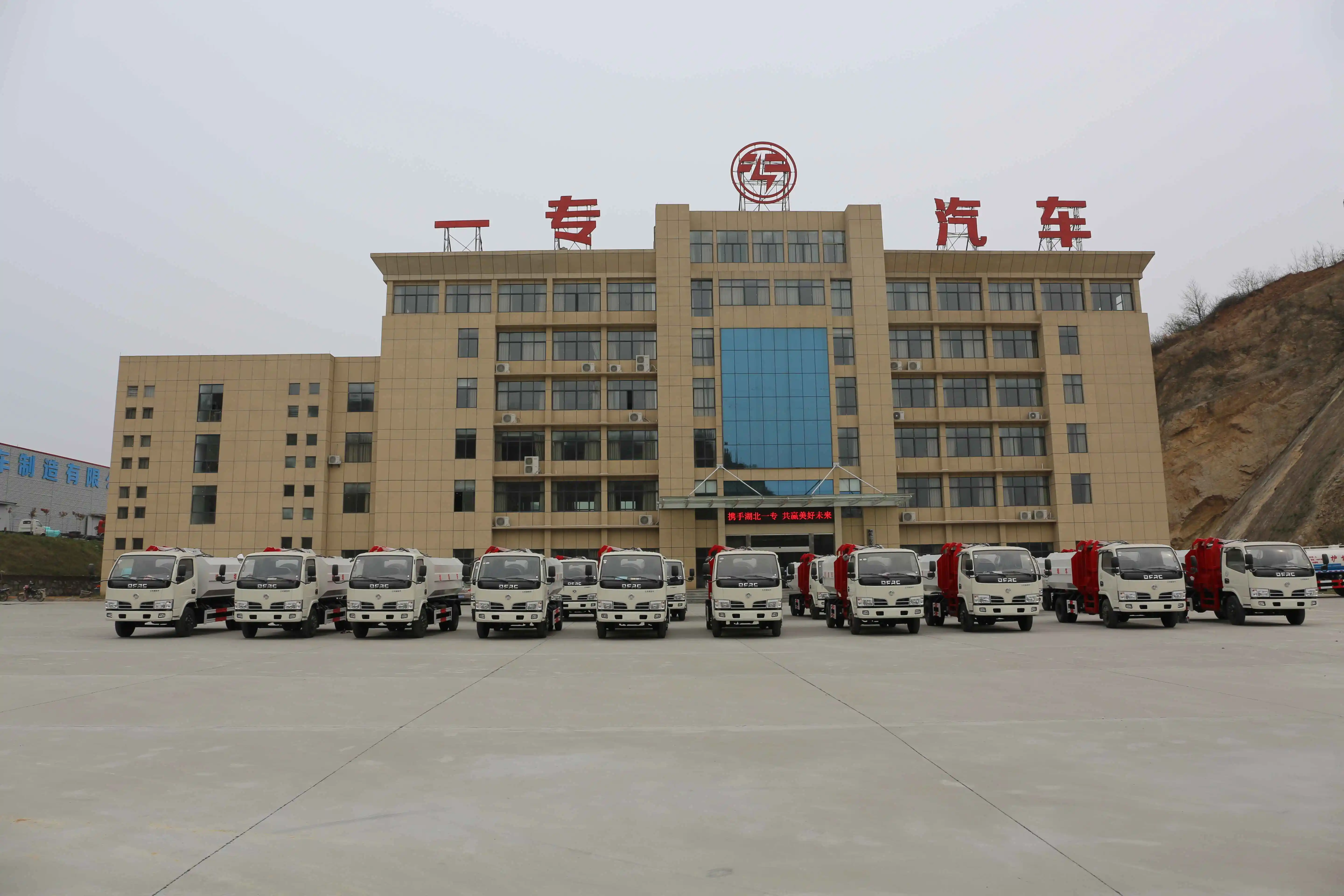
Hubei Yizhuan Automobile Co., Ltd., which is appointed by the Development and Reform Commission of China, is a professional manufacturer of special automobiles for landscaping, petrochemical, and environment cleanness. Our company has independent export authority, and has a lot of overseas clients. Our leading products include more than 8 series and 100 types of trucks such as water trucks, tank trucks, garbage trucks, fecal suction trucks, sewage suction trucks,dump trucks, van trucks, semi-trailers, wrecker trucks, trucks with cranes, high-altitude operation trucks, training trucks, bulk cement trucks, chemical liquid trucks, fire engines, truck fittings, cement mixers and tractors. At the same time, we deal with wholesale chassis.

Company Gallery:


Factory Show


After sale service

We have our own service centre in Shiyan city.And a professional team.This is the real picture of our station!
1.24 hours fast response of our buyers .Your can contact us by Email,Whatsapp or telephone number while damage occurs .
2.All spare parts will be available at least 30 years.
2.All spare parts will be available at least 30 years.
FAQ
1. Are you a factory of vehicles ?
3. How about the delivery time ?
Generally the preparation need about 30 working days or even less. Buyers could inquiry on-line.
5. Where is your factory's location ?
We are in Liuliping industrial park, Shiyan city ,Hubei province . (near the airport).
6.How about the MOQ ?
The Minimum Order Quantity will be 1 unit .
Sure. We are a notable factory in our local city --------Shiyan.A truck city of China .
2.What kind of payment could be acceptable ?
Generally we accept T/T,L/C and westunion.
3.Could you customize exactly according to my requirements?
Yes. We have professional R&D team, we can produce the product exactly according to your requirements.
2.What kind of payment could be acceptable ?
Generally we accept T/T,L/C and westunion.
3.Could you customize exactly according to my requirements?
Yes. We have professional R&D team, we can produce the product exactly according to your requirements.
3. How about the delivery time ?
Generally the preparation need about 30 working days or even less. Buyers could inquiry on-line.
5. Where is your factory's location ?
We are in Liuliping industrial park, Shiyan city ,Hubei province . (near the airport).
6.How about the MOQ ?
The Minimum Order Quantity will be 1 unit .
We Recommend


New Arrivals
New products from manufacturers at wholesale prices