Agrochemical Manufacturer Chlorothalonil 720 g/L SC For Crop Health
- Category: >>>
- Supplier: Zhuhai Uho Biotech Co. Ltd.
Share on (1600227061342):
Product Overview
Description
Product Description
Classification | FUNGICIDE |
Application | used for wheat, cotton,Downy mildew of Cucumber |
Appearance | White crystalline powder |
Toxicology | low toxicity |
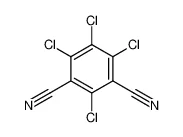
MF Molecular Formula | C8Cl4N2 |
Molecular weight | 265.91100 |
CAS NO | 1897-45-6 |
Place of Origin | china |
Purity | 98%TC |
Density | 1.71g/cm3 |
Flash Point | 2℃ |
Boiling Point | 350ºC at 760 mm Hg |
Melting Point | 250-251ºC |
formulations | 2.5%,5%GR ,75%wp,75%wg |
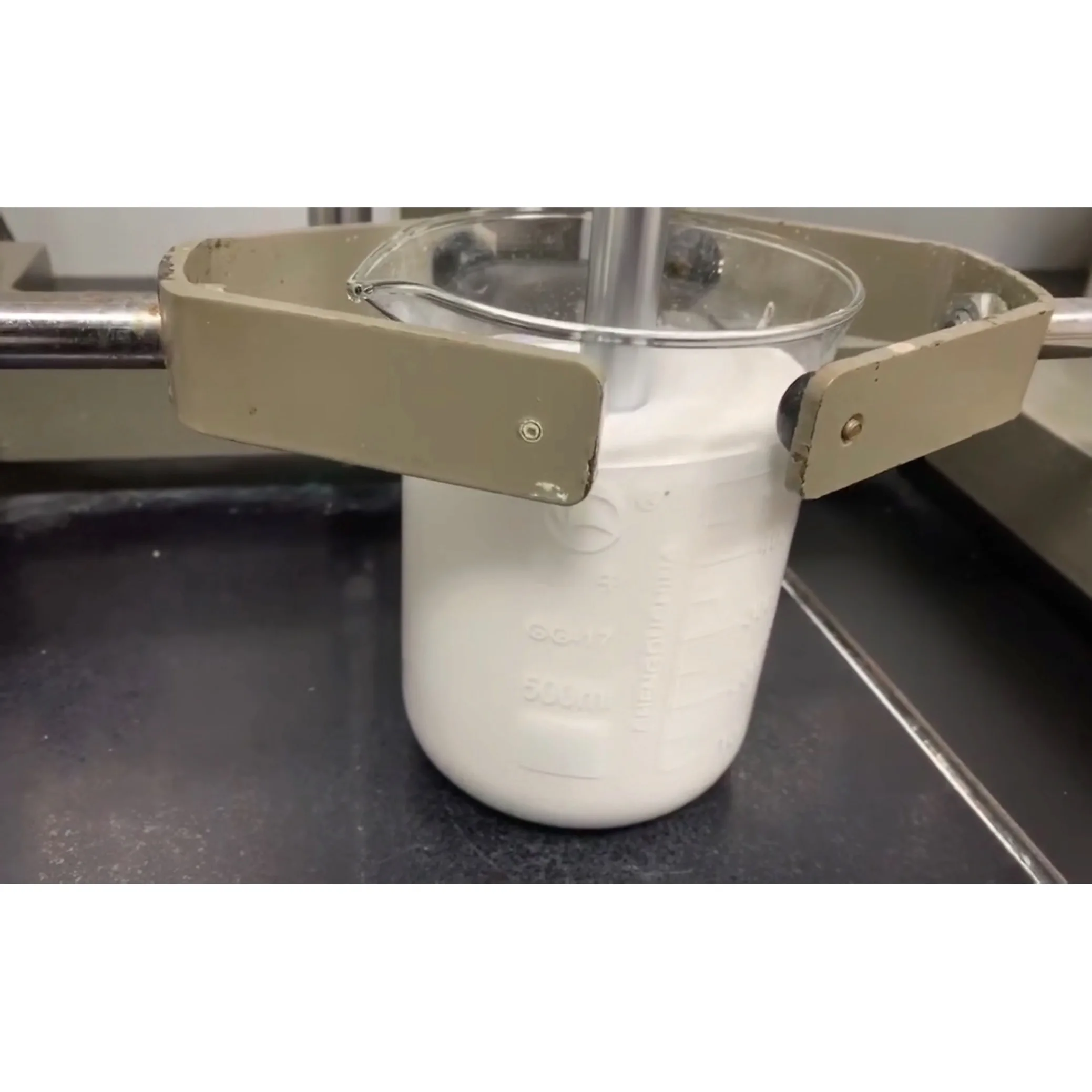
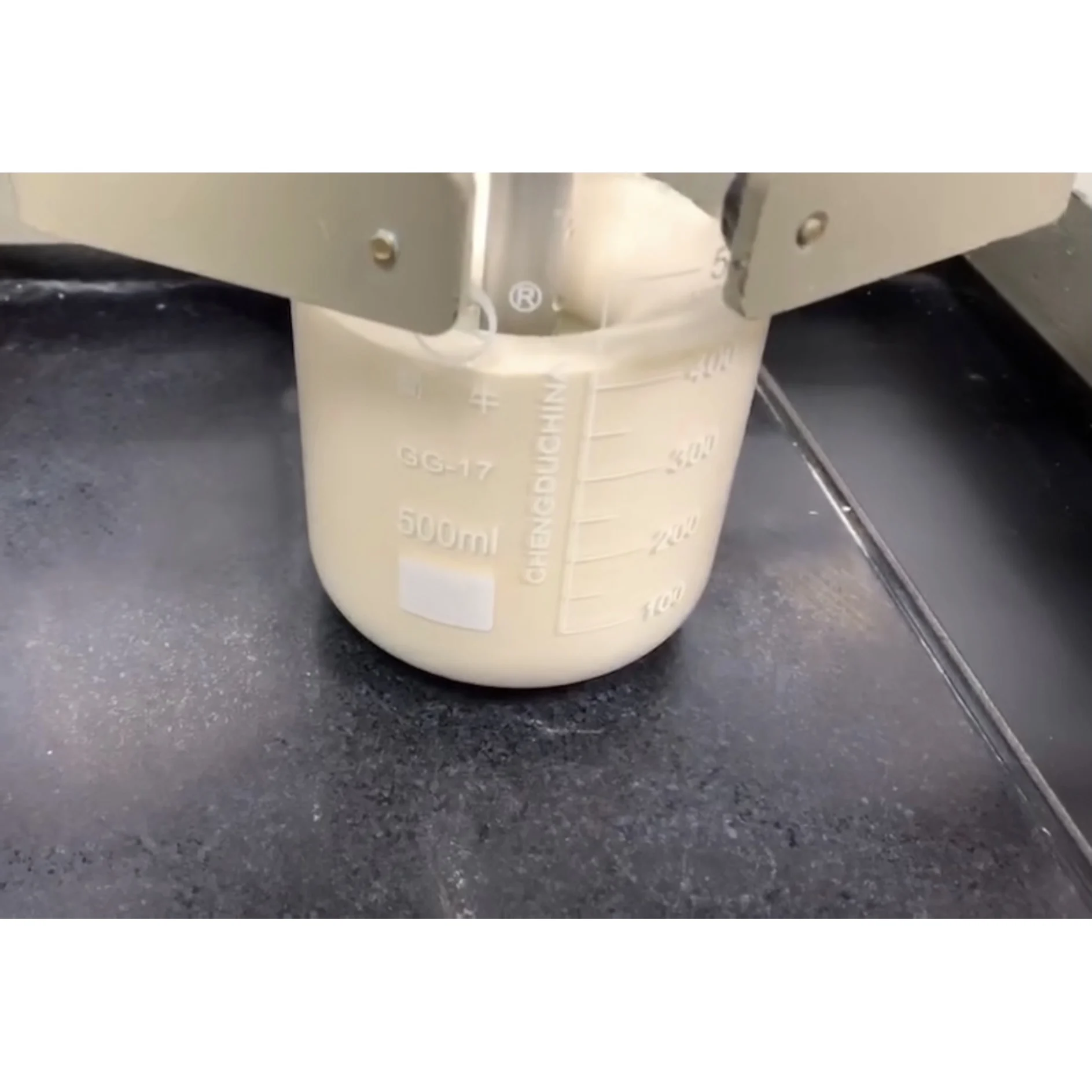
Details Images

Application
▲Chlorothalonil is a broad spectrum, protective fungicide.
▲The mechanism of action is that it can interact with glycerald-ehyde triphosphate dehydrogenase in fungal cells and combine with proteins containing cysteine in the enzyme, thus destroying the activity of the enzyme and making the metab-olism of fungal cells destroyed and thus losing vitality.
▲Mode of action Non-systemic foliar fungicide with protective action.
▲Uses Control of many fungal diseases in a wide range of crops, including pome fruit, stone fruit, citrus fruit, bush and cane fruit, cranberries, strawbe-rries, pawpaws, bananas, mangoes, coconut palms, oil palms, rubber, pepper, vines, hops, vegetables, cucurbits, tobacco, coffee, tea, rice, soya beans, peanuts, potatoes, sugar beet, cotton, maize, ornamentals, mushrooms, and turf.
▲Application rates for food crops are 1-2.5 kg/ha.
▲Phytotoxicity Russetting is possible with flowering ornamentals, apples, and grapes. Some varieties of flowering ornamentals may be injured.
▲Pittosporum foliage is sensitive.
▲The mechanism of action is that it can interact with glycerald-ehyde triphosphate dehydrogenase in fungal cells and combine with proteins containing cysteine in the enzyme, thus destroying the activity of the enzyme and making the metab-olism of fungal cells destroyed and thus losing vitality.
▲Mode of action Non-systemic foliar fungicide with protective action.
▲Uses Control of many fungal diseases in a wide range of crops, including pome fruit, stone fruit, citrus fruit, bush and cane fruit, cranberries, strawbe-rries, pawpaws, bananas, mangoes, coconut palms, oil palms, rubber, pepper, vines, hops, vegetables, cucurbits, tobacco, coffee, tea, rice, soya beans, peanuts, potatoes, sugar beet, cotton, maize, ornamentals, mushrooms, and turf.
▲Application rates for food crops are 1-2.5 kg/ha.
▲Phytotoxicity Russetting is possible with flowering ornamentals, apples, and grapes. Some varieties of flowering ornamentals may be injured.
▲Pittosporum foliage is sensitive.

Company information


Exhibition


Certifications


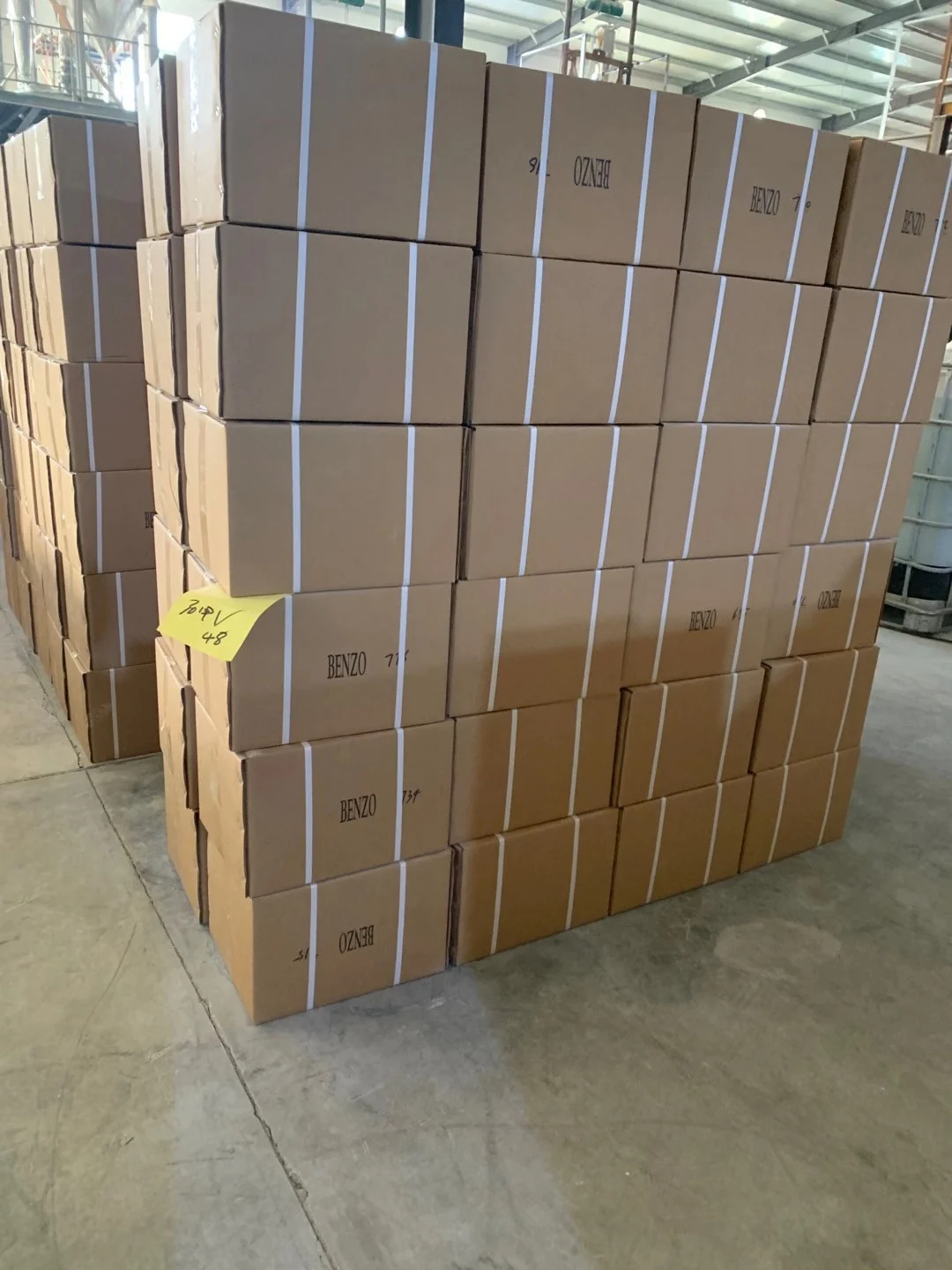
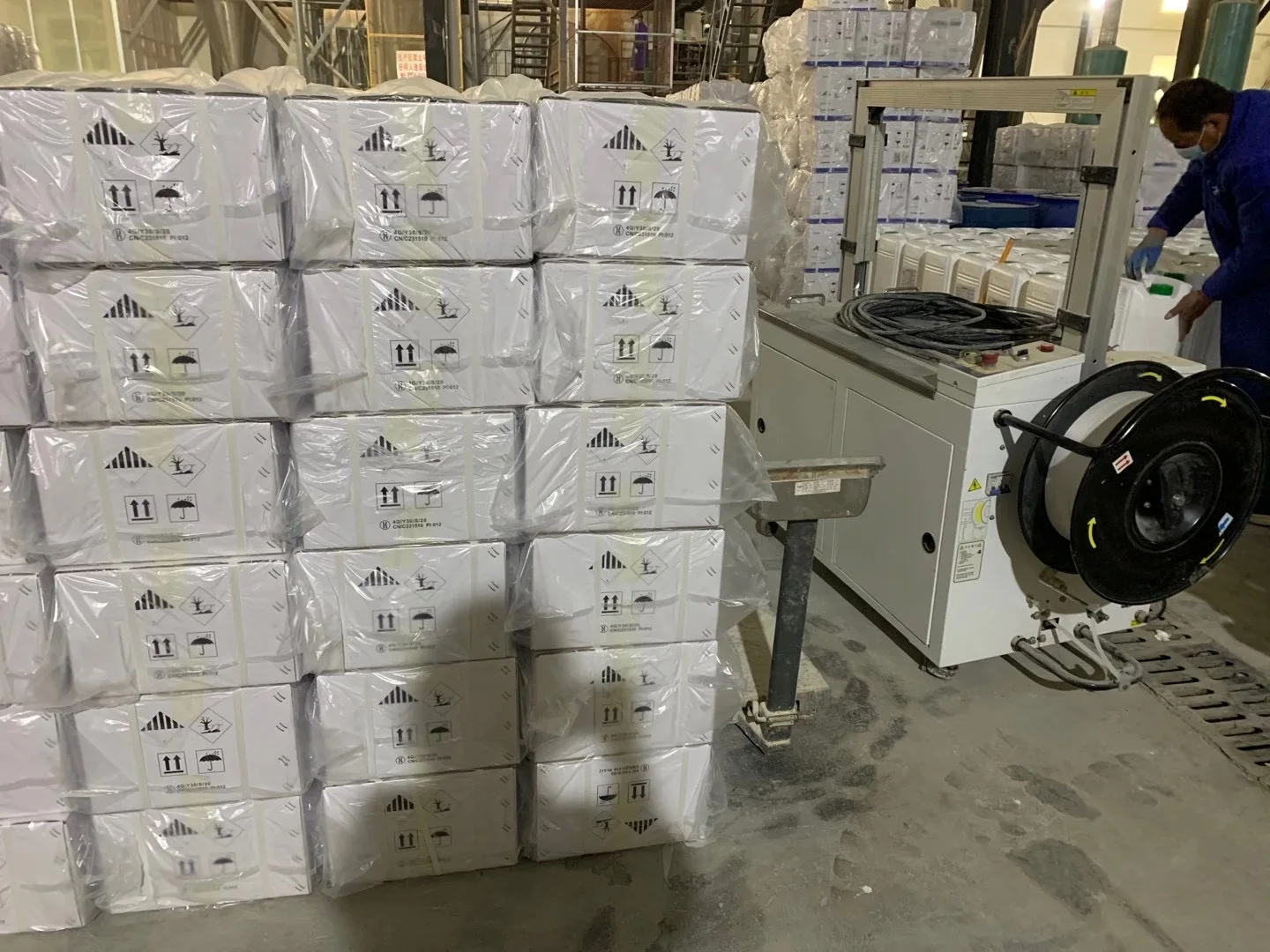
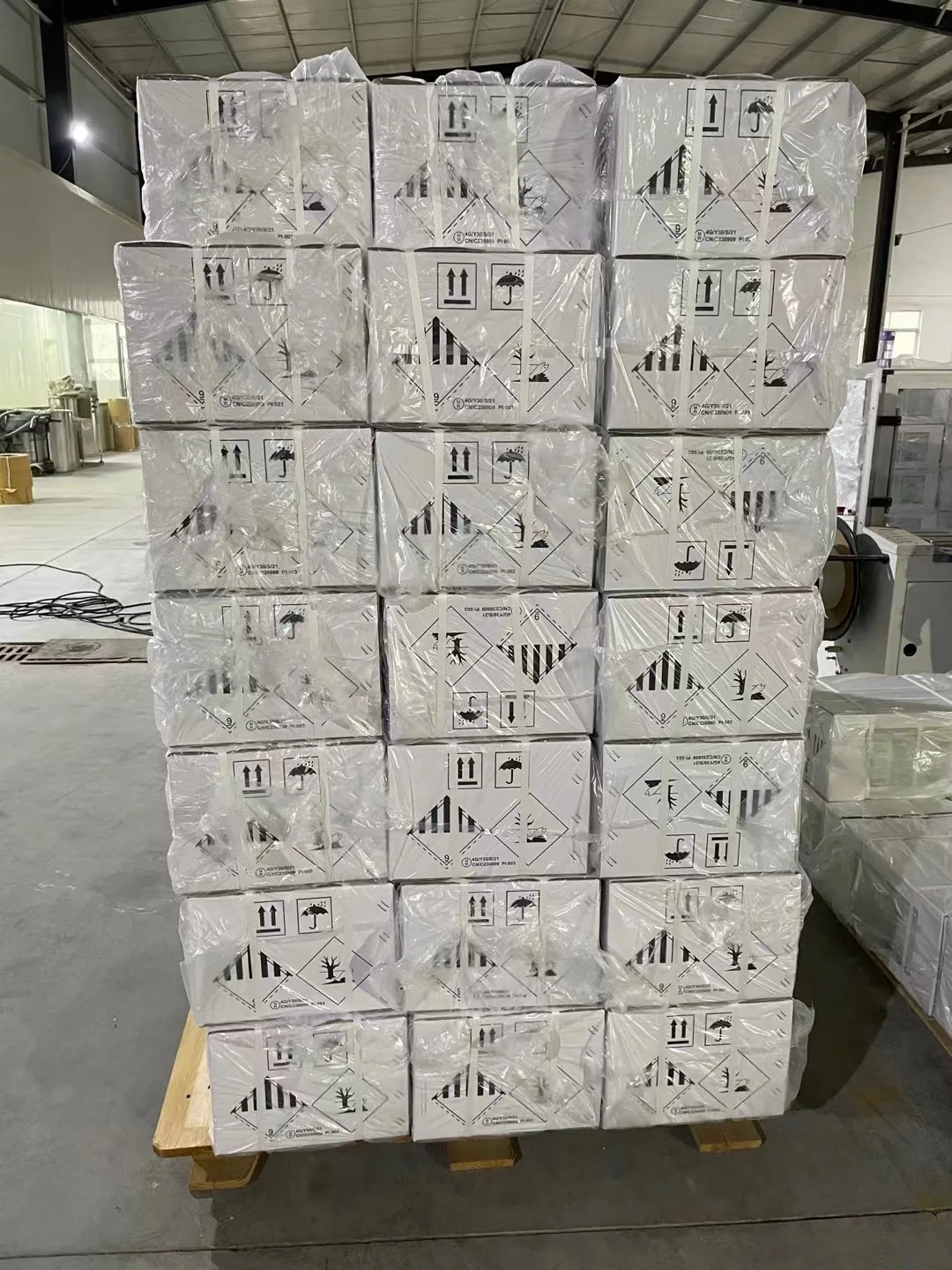
Product packaging

Payment&shipping

FAQ


We Recommend





New Arrivals
New products from manufacturers at wholesale prices