
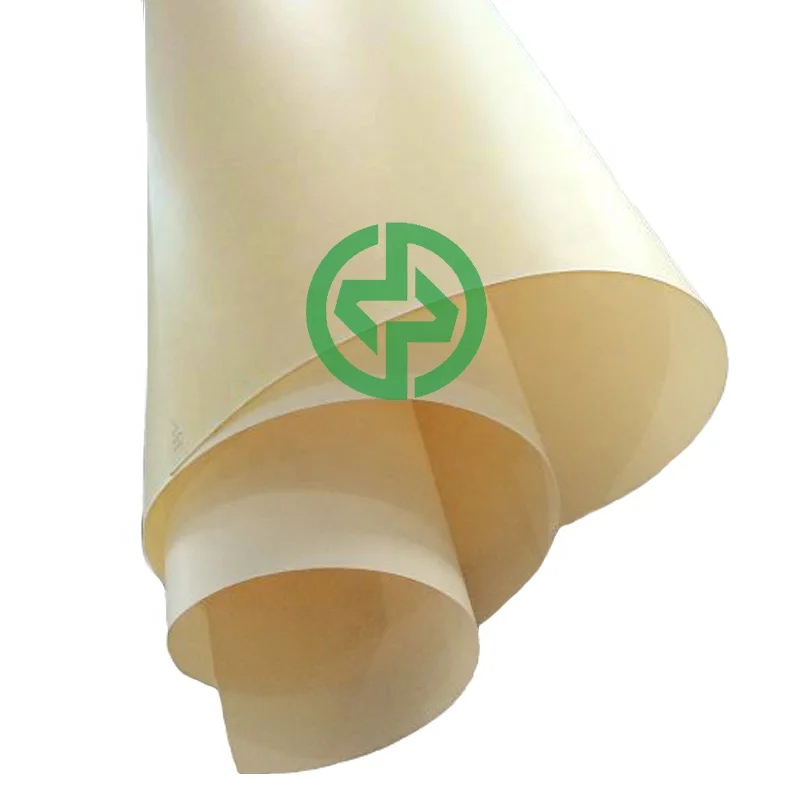
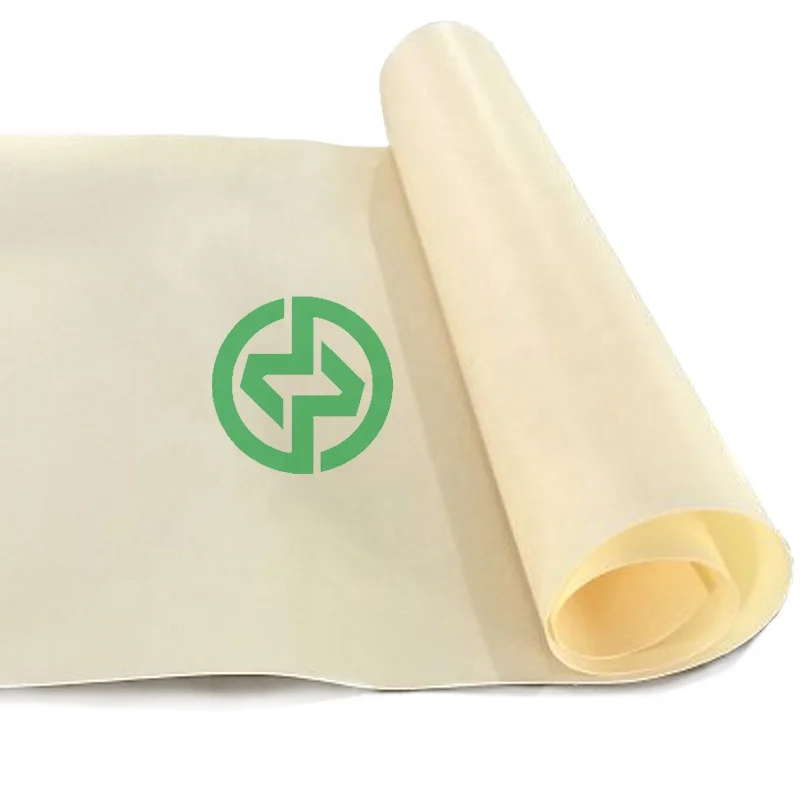

Ion exchange membranes anion exchange membrane cation exchange membrane deionization electrolysis machines water treatment
- Category: >>>
- Supplier: Cnne Technology(Dongguan) Co. Ltd.
Share on (1600229428014):
Product Overview
Description

Products Description
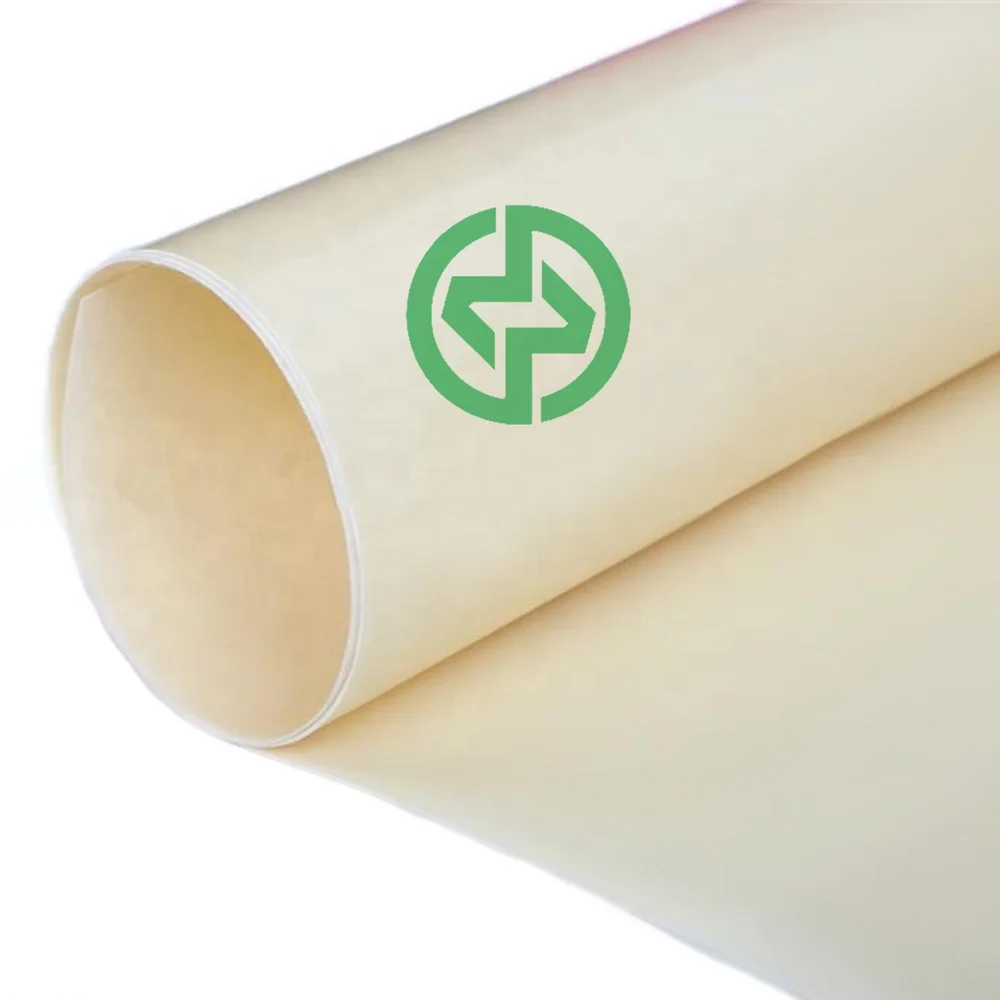
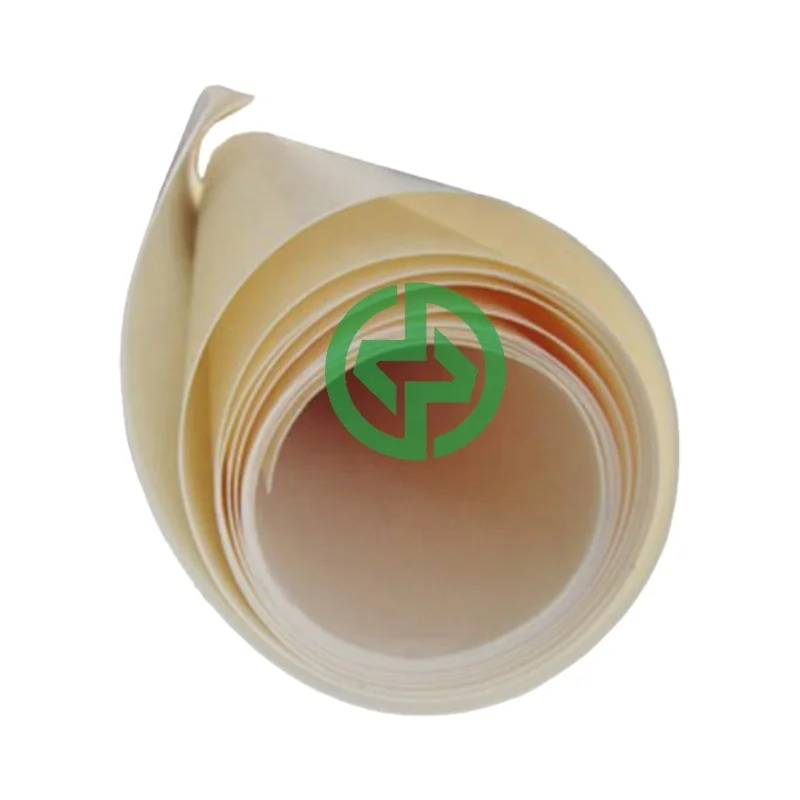
Detailed explanation of ion membrane
The ion film is divided into two types
1.a bipolar type 2.a single pole type
depending on the power
supply method The electrolysis cells of each unit of the bipolar electrolysis cell are connected in series, and the total voltage of the electrolysis cell is the sum of the voltages of the electrolysis cells of each unit; the electrolysis cells in the circuit are connected in parallel. The electrolysis cells of each unit of the monopolar electrolytic cell are connected in parallel, and the total current of the electrolysis cell is the sum of the currents of the electrolysis cells of each unit;
supply method The electrolysis cells of each unit of the bipolar electrolysis cell are connected in series, and the total voltage of the electrolysis cell is the sum of the voltages of the electrolysis cells of each unit; the electrolysis cells in the circuit are connected in parallel. The electrolysis cells of each unit of the monopolar electrolytic cell are connected in parallel, and the total current of the electrolysis cell is the sum of the currents of the electrolysis cells of each unit;

working principle
The fuel gas and oxygen pass through the gas passages on the bipolar plates to the anode (negative electrode) and the cathode (positive electrode), respectively, and reach the catalytic layer through the diffusion layer on the membrane electrode assembly (MEA).
On the anode side of the membrane, hydrogen dissociates on the surface of the anode catalyst to hydrate protons and electrons.
The former passes through the sulfonic acid group on the proton exchange membrane to the cathode, while the electrons flow through the load through the external circuit to the cathode, on the surface of the cathode catalyst.
The oxygen molecules combine hydrated protons and electrons from the anode to form water molecules.
On the anode side of the membrane, hydrogen dissociates on the surface of the anode catalyst to hydrate protons and electrons.
The former passes through the sulfonic acid group on the proton exchange membrane to the cathode, while the electrons flow through the load through the external circuit to the cathode, on the surface of the cathode catalyst.
The oxygen molecules combine hydrated protons and electrons from the anode to form water molecules.
basic structure
Since the conduction of protons depends on water, and the cathode generates water, the proton exchange membrane is required to be neither too dry nor drowned by water.
The degree of wetting of the membrane has a great influence on the performance of the battery, and it is necessary to humidify the reaction gas. Management is especially important
The degree of wetting of the membrane has a great influence on the performance of the battery, and it is necessary to humidify the reaction gas. Management is especially important


The core portion of a proton exchange membrane fuel cell is referred to as a membrane electrode assembly, which includes a proton exchange membrane, an anion/anode catalytic layer, a planarization layer, and a gas diffusion layer. The widely used proton exchange membranes include Nafion membrane of DuPont of the United States, Dow membrane of Dow Corporation, Aciplex-S membrane of Japan Tokai Chemical Industry Co., Ltd., and BAM membrane of Canada Ballard Advanced Materials Co., Ltd.
The gas diffusion layer
is usually graphite carbon paper or carbon fiber woven cloth, and then treated with PTFE water, a layer of activated carbon is attached to the diffusion layer to make the surface of the electrode flat, and then the carbon-supported platinum catalyst is attached.
These layers
are thermoformed to form a membrane electrode assembly EMA having a thickness of several hundred μm. A sealing ring and a bipolar plate are formed between the EMAs to form a single cell, and then a plurality of single cells and conductive end plates are pressed as needed. The filter is combined into a battery stack.
Company Profile

CNNE Technology ( Dongguan ) Co.,Ltd has the advantages of less pollution, high product yield and purity, short process flow and mild reaction conditions.
The main products produced by Dongguan Zhongrui are: platinized titanium electrode, titanium coated electrode, titanium coated titanium Electrode, barium-titanium electrode, barium-titanium electrode, barium-titanium electrode, electrolytic cell, rare metal materials and environmental protection equipment, environmental protection engineering, etc.
Product packaging

Certifications

Customer Photos

FAQ


We Recommend

New Arrivals
New products from manufacturers at wholesale prices