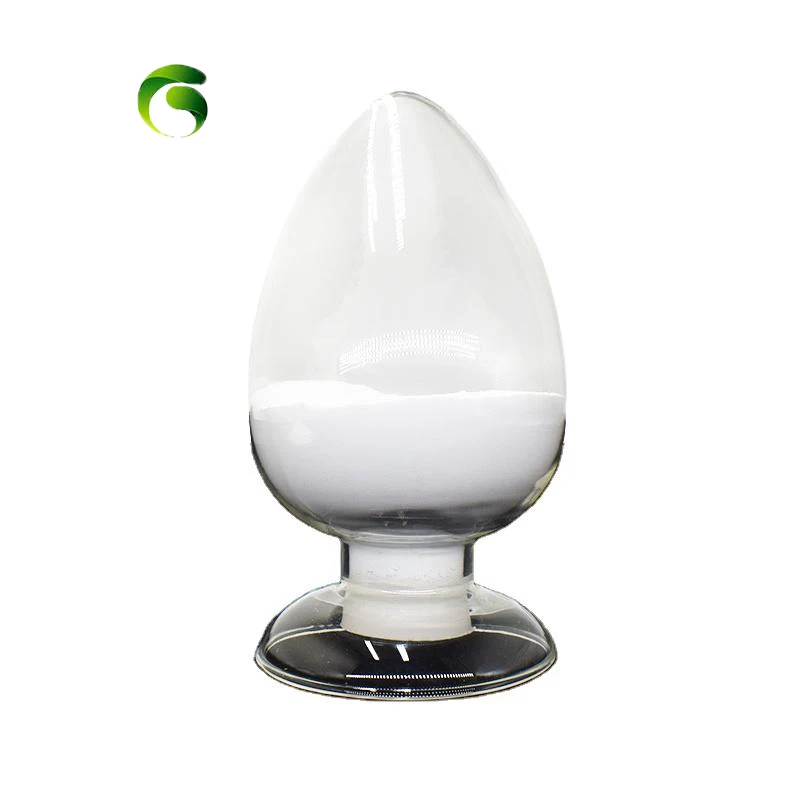
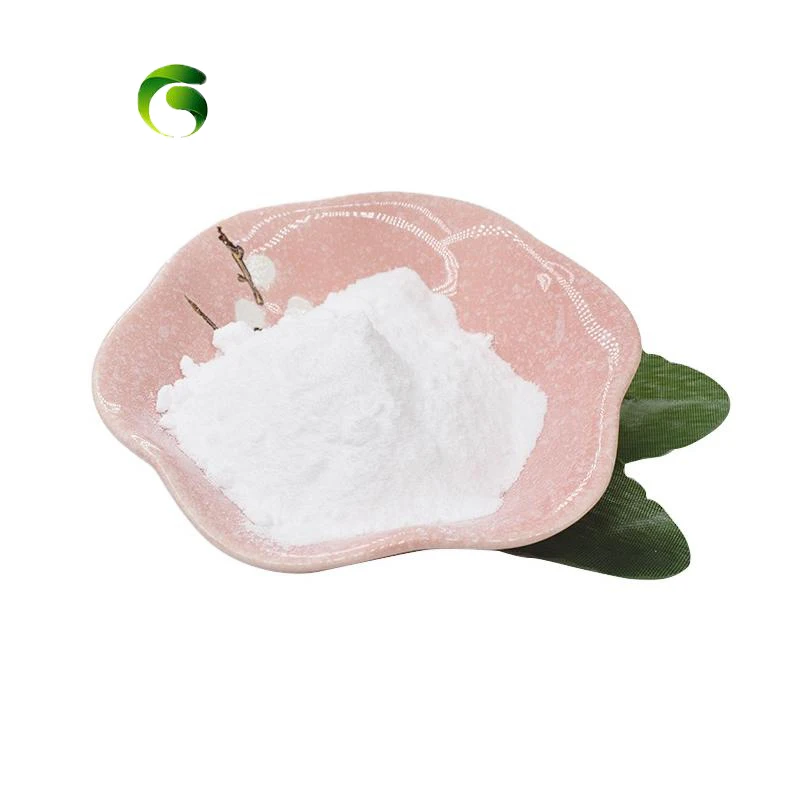
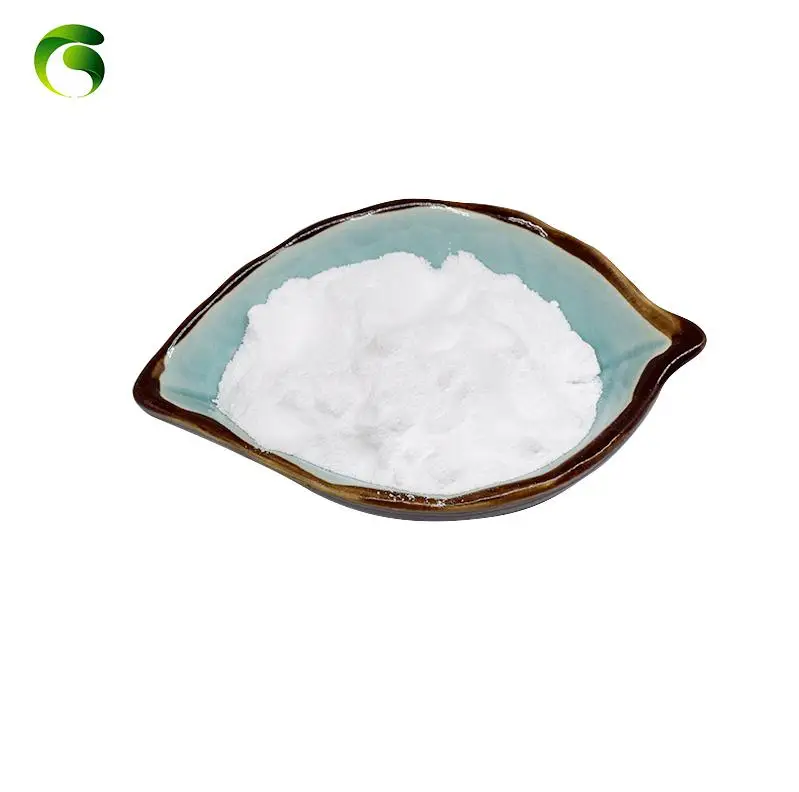
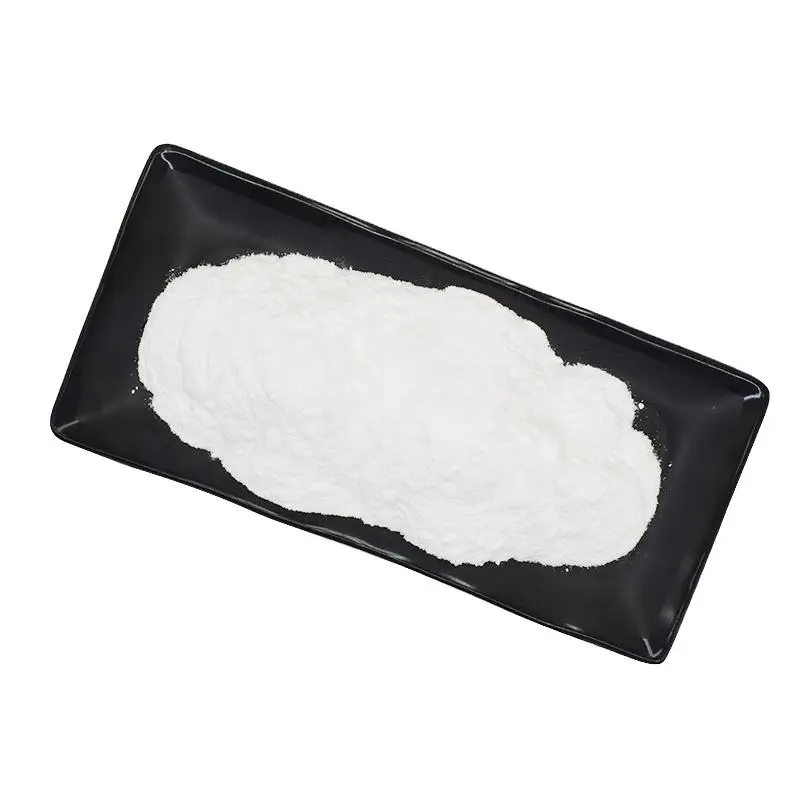

13463 67 7 Rutile Titanium Dioxide cas no. 13463 67 7 R 666/Rutile Tio2 /White powder Industrial grade Titanium dioxide
- Category: >>>
- Supplier: Shandong Green New Materials Co. Ltd
Share on (1600317898405):
Product Overview
Description
Product Description
Specification
item | value |
Classification | Titanium Dioxide |
CAS No. | 13463-67-7 |
Other Names | Titanium dioxide |
MF | O2Ti |
EINECS No. | 236-675-5 |
Place of Origin | China |
Grade Standard | Industrial Grade, Reagent Grade |
Purity | 99% |
Brand Name | Green Brand |
Model Number | CAS 13463-67-7 |
CAS | 13463-67-7 |
MW | 79.8658 |
MF | O2Ti |
EINECS | 236-675-5 |
Appearance | white powder |
MOQ | 1kg |
Melting Point | 1840 °C |
Shelf life | 2 Years |
Samples | Available |
Port | Qingdao/Shanghai/Tianjin Port etc |
Application
Overview: titanium dioxide naturally exists in titanium ores such as titanium ore and rutile. Its molecular structure makes it have high brightness and covering, but it must be chemically extracted and purified first. Compared with the old sulfuric acid process, the titanium dioxide production process by chlorination method can not only produce high-quality pigment products, but also reduce environmental emissions and energy consumption. At present, it has become the preferred technology in the world. Titanium dioxide (or TiO2) is the most widely used white pigment in industry, which is used in architectural, industrial and automotive coatings; Plastics for furniture, electrical appliances, plastic belts and plastic boxes; High grade magazines, brochures and paper with film, as well as special products such as ink, rubber, leather and elastomer.
Chemical properties: white powder.
Uses 1. Used in paint, ink, plastic, rubber, papermaking, chemical fiber and other industries.
Use 2. Edible white pigment; Compatibilizer. Silica and / or alumina are commonly used as dispersant additives.
Use 3. As food colorant
Use 4. White inorganic pigment. It is one of the most powerful white pigments with excellent hiding power and color fastness. It is suitable for opaque white products. Rutile type is especially suitable for outdoor plastic products, which can give products good light stability. Anatase is mainly used for indoor products, but it has a slight blue light, high whiteness, large hiding power, strong coloring power and good dispersion. Titanium dioxide is widely used as the pigment of paint, paper, rubber, plastic, enamel, glass, cosmetics, ink, watercolor and oil color. It can also be used in the manufacture of metallurgy, radio, ceramics and welding electrodes. In recent years, it has been found that nano-sized titanium dioxide has some special uses, such as sunscreen cosmetics, wood protection, food packaging materials, agricultural plastic films, natural and man-made fibers, transparent external durable topcoats and effect pigments, as well as additives for high-efficiency photocatalysts, adsorbents and solid lubricants.
Application 5. Used in paint, plastic, rubber and other industries
Purpose 6
1. Uniform particle size and good dispersion;
2. It basically has no scattering effect on incident visible light, has strong ultraviolet shielding ability and excellent transparency, and has been widely used in cosmetics, coatings, paints and other products as a new material;
3. used in plastic, rubber and functional fiber products, it can improve the anti-aging ability, anti powdering ability, weatherability and product strength of products, while maintaining the color luster of products and prolonging the service life of products.
4. applied to ink, coating and textile, it can improve adhesion, anti-aging and scrubbing properties. 5. It is lipophilic and can be well dispersed in organic solvents and plastic resins;
6. Used in paper industry to improve printability and impermeability;
7. It can also be applied to metallurgical and aerospace industries.
Chemical properties: white powder.
Uses 1. Used in paint, ink, plastic, rubber, papermaking, chemical fiber and other industries.
Use 2. Edible white pigment; Compatibilizer. Silica and / or alumina are commonly used as dispersant additives.
Use 3. As food colorant
Use 4. White inorganic pigment. It is one of the most powerful white pigments with excellent hiding power and color fastness. It is suitable for opaque white products. Rutile type is especially suitable for outdoor plastic products, which can give products good light stability. Anatase is mainly used for indoor products, but it has a slight blue light, high whiteness, large hiding power, strong coloring power and good dispersion. Titanium dioxide is widely used as the pigment of paint, paper, rubber, plastic, enamel, glass, cosmetics, ink, watercolor and oil color. It can also be used in the manufacture of metallurgy, radio, ceramics and welding electrodes. In recent years, it has been found that nano-sized titanium dioxide has some special uses, such as sunscreen cosmetics, wood protection, food packaging materials, agricultural plastic films, natural and man-made fibers, transparent external durable topcoats and effect pigments, as well as additives for high-efficiency photocatalysts, adsorbents and solid lubricants.
Application 5. Used in paint, plastic, rubber and other industries
Purpose 6
1. Uniform particle size and good dispersion;
2. It basically has no scattering effect on incident visible light, has strong ultraviolet shielding ability and excellent transparency, and has been widely used in cosmetics, coatings, paints and other products as a new material;
3. used in plastic, rubber and functional fiber products, it can improve the anti-aging ability, anti powdering ability, weatherability and product strength of products, while maintaining the color luster of products and prolonging the service life of products.
4. applied to ink, coating and textile, it can improve adhesion, anti-aging and scrubbing properties. 5. It is lipophilic and can be well dispersed in organic solvents and plastic resins;
6. Used in paper industry to improve printability and impermeability;
7. It can also be applied to metallurgical and aerospace industries.
Company Profile

Shandong Green New Materials Co., Ltd is the premium producer and supplier of chemical raw materials. Our main products are Flavors and fragrances, Food and feed additives,Dyes and Pigment, cosmetic raw materials,Organic Intermediate, Inorganic chemicals, Catalysts and chemical Aluxiliary etc.
We are furnished with sophisticated production experience and strict quality control system,and our entire production process is conducted in more strict compliance with ISO 9001:2000 quality management system from sourcing raw materials, processing, inspecting and after-sale services and others.We have always kept cooperation and partnership with many more professional laboratories to improve our products.
We own one-stop sales service team, professional client service team and production team, overcritical inspection team and experienced R & D team and far-sighted leader team.
Our products are widely exported to many more and more countries and we are rewarded with wide acceptance and praise from our honored clients.
What makes us unique: premium quality, higher efficiency, professionality, one-stop services,integration capability,enacity, integrity and honesty.
We are furnished with sophisticated production experience and strict quality control system,and our entire production process is conducted in more strict compliance with ISO 9001:2000 quality management system from sourcing raw materials, processing, inspecting and after-sale services and others.We have always kept cooperation and partnership with many more professional laboratories to improve our products.
We own one-stop sales service team, professional client service team and production team, overcritical inspection team and experienced R & D team and far-sighted leader team.
Our products are widely exported to many more and more countries and we are rewarded with wide acceptance and praise from our honored clients.
What makes us unique: premium quality, higher efficiency, professionality, one-stop services,integration capability,enacity, integrity and honesty.
Recommend Products
Certifications

Packaging
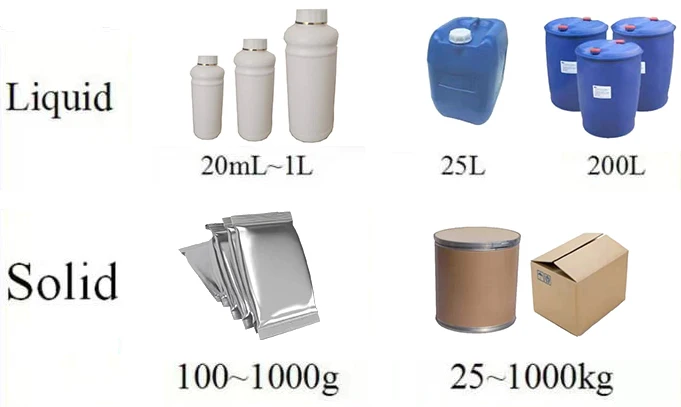
1. 10g/bag; 50g/bag; 100g/bag; 500g/bag; 1kg/bag; 1kg/bag; 25kg/bag; 25kg/drum; 50kg/drum; 75kg/drum; 100kg/drum; 200kg/drum; 20GP/20HC/40GP/40HC/45HC
2. Our company can pack according to the customer required, otherwise will package as our factory.
3. Note: Support send samples
2. Our company can pack according to the customer required, otherwise will package as our factory.
3. Note: Support send samples
4.Express support: Fedex, TNT, DHL, EMS, UPS, SF


FAQ
Q1. How to contact with us?
A: You can choose your interested products and send inquiry to us. Call us without any hesitation.
Q2: How to start orders or make payments ?
A: PI will be sent first after confirmation of order,enclosed our bank information. Payment by T/T, Western Union, L/C, Alibaba trade assurance ,Moneygram ,Paypal etc.
Q3: What’s your MOQ ?
A: Please tell us your order quantity. The MOQ can be discuss.
Q4: How about delivery lead time ?
A: Delivery lead time: About 3-5 days after payment confirmed.(Chinese holiday not included)
Q5: Is there a discount ?
A: Different quantity has different discount. We will give you the best price according your order quantity.
Q6: How to contact us ?
A: You can chat with us by Trade manager,MSN&Skype Online. You can choose your interested products and send inquiry to us. You can dial our telephone directly, you will get our reply. Send Email to us.
A: You can choose your interested products and send inquiry to us. Call us without any hesitation.
Q2: How to start orders or make payments ?
A: PI will be sent first after confirmation of order,enclosed our bank information. Payment by T/T, Western Union, L/C, Alibaba trade assurance ,Moneygram ,Paypal etc.
Q3: What’s your MOQ ?
A: Please tell us your order quantity. The MOQ can be discuss.
Q4: How about delivery lead time ?
A: Delivery lead time: About 3-5 days after payment confirmed.(Chinese holiday not included)
Q5: Is there a discount ?
A: Different quantity has different discount. We will give you the best price according your order quantity.
Q6: How to contact us ?
A: You can chat with us by Trade manager,MSN&Skype Online. You can choose your interested products and send inquiry to us. You can dial our telephone directly, you will get our reply. Send Email to us.
We Recommend
New Arrivals
New products from manufacturers at wholesale prices