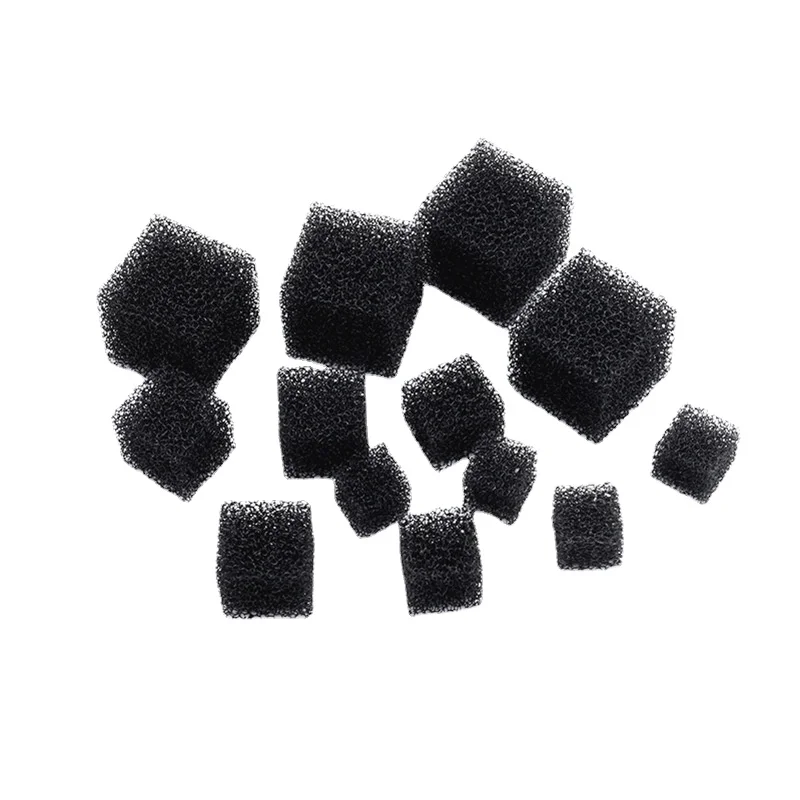
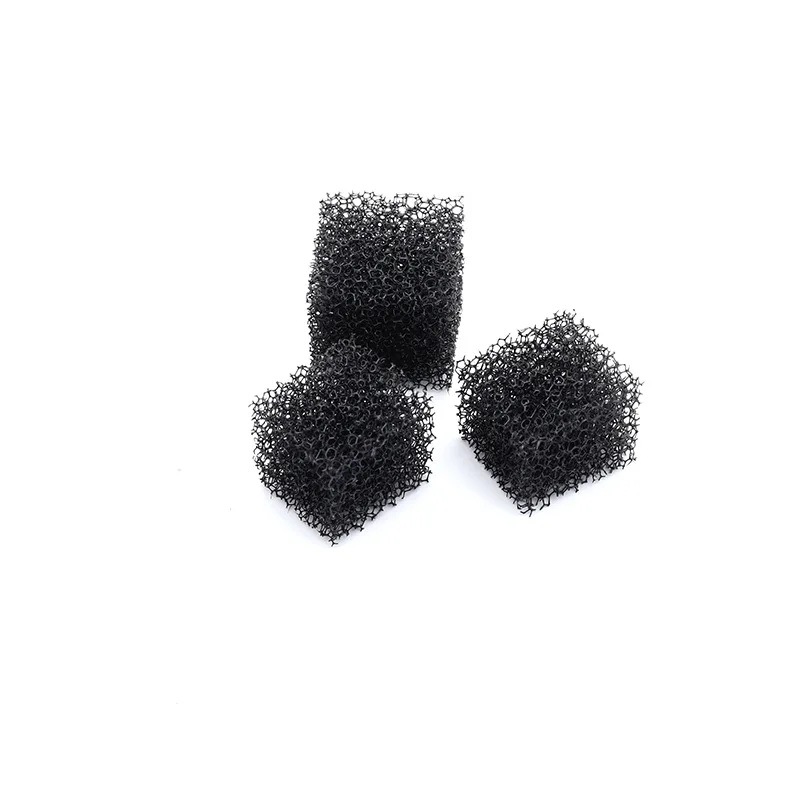
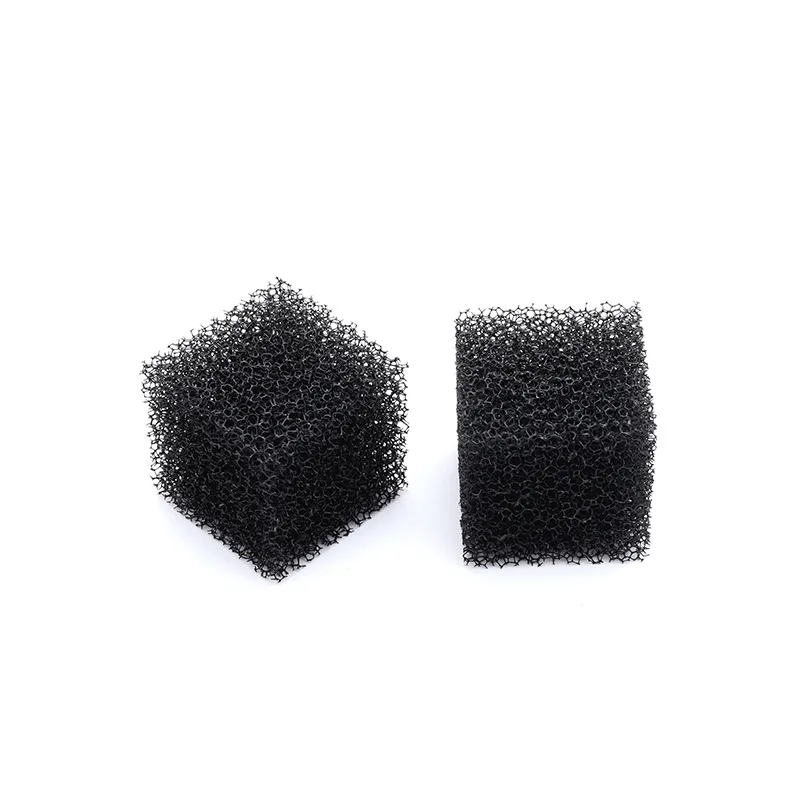
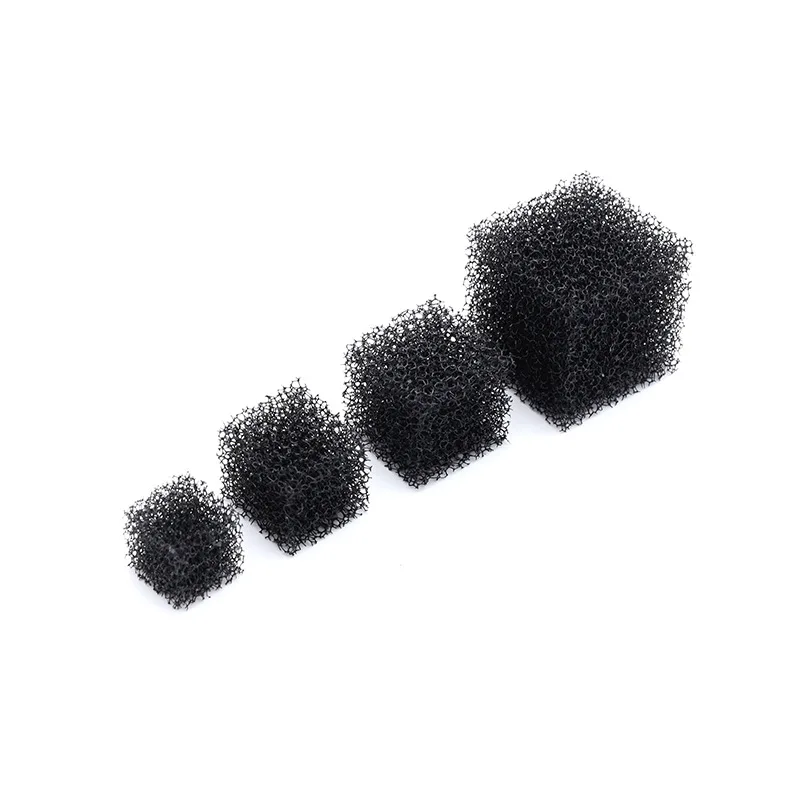
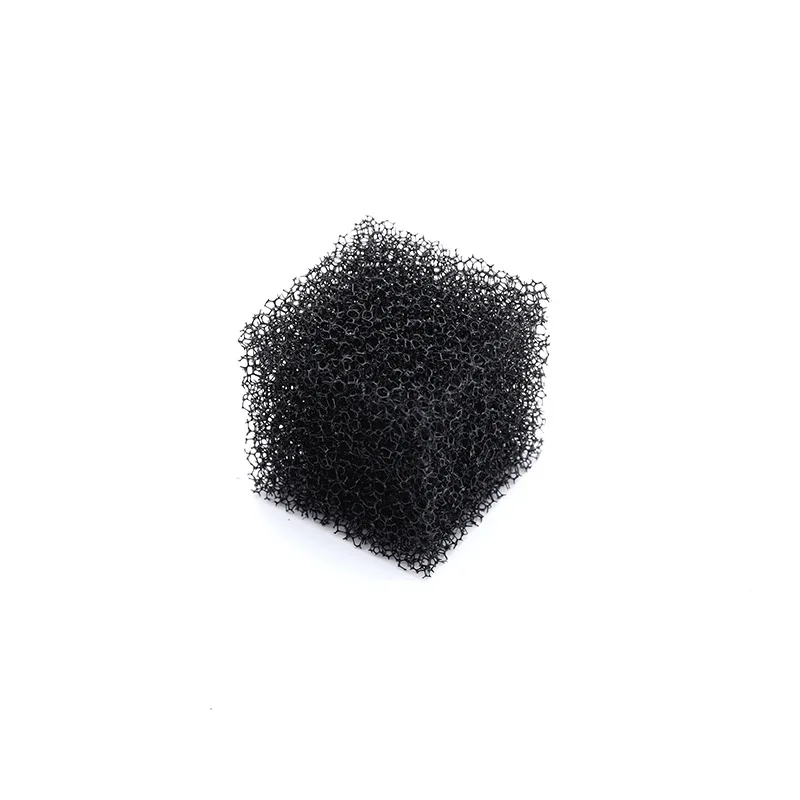
Polyurethane Padding Biological Filler Polyurethane Biological Sponge Filler Hydrophilic Wholesale Customization
- Category: Polyurethane Rubber >>>
- Supplier: Wuxi Changier Technology Co. Ltd.
Share on (1600338908949):
Product Overview
Description
Product Features
1. High filtration rate. The filtration rate of the fiber ball can reach 40m/h, while the sand filtration rate is only 8-10 m/h.
2. The effluent quality is good. When the filtration rate is 20-40 m/h, the domestic fiber ball can reduce the effluent suspended matter of the sedimentation tank from <20mg/L to 1.4-3mg/L, and the removal rate is about 85%. The Japanese ball effluent suspended matter is 3.2~3.4 About mg/L. Domestic fiber balls filter the effluent from the contact oxidation tank, and the suspended solids drop from 20~80mg/l to ≤5mg/L.
3. Large amount of pollutant interception. The effluent of the sedimentation tank is filtered, and the dirt interception capacity of the fiber ball filter layer is 3~4.7kg/m2, which is 1.6~2.4 times that of the quartz sand filter layer; the effluent of the contact oxidation tank is filtered, and the dirt interception capacity is 4.5~9.4 kg/m2.
4. Large cycle water production. When the effluent of the sedimentation tank is filtered, the water output of the fiber ball filtration cycle is 360-700m3/m2, which is 3.6-7 times that of the sand filter.
5. The backwash water volume is small, accounting for about 2% of the filtered water volume, while the sand filter backwashing water volume accounts for about 5% of the filtered water volume.
Our company mainly deals in the technical research, development, design, manufacture, processing, installation and sales of environmental protection equipment, softening water device, mechanical equipment of mine and accessories, ultra-filtration equipment, reverse osmosis equipment and waste gas cleaning equipment; design and construction of environmental protection projects; Operation and management of environmental pollution control facilities; Environmental protection water treatment equipment parts, electrical equipment and accessories, wires and cables, metal materials, plastic products, FRP products, sales of chemical products and raw materials (except hazardous chemicals); We have good products, mature sales and technical teams, and a complete and scientific quality management system.


We Recommend


New Arrivals
New products from manufacturers at wholesale prices