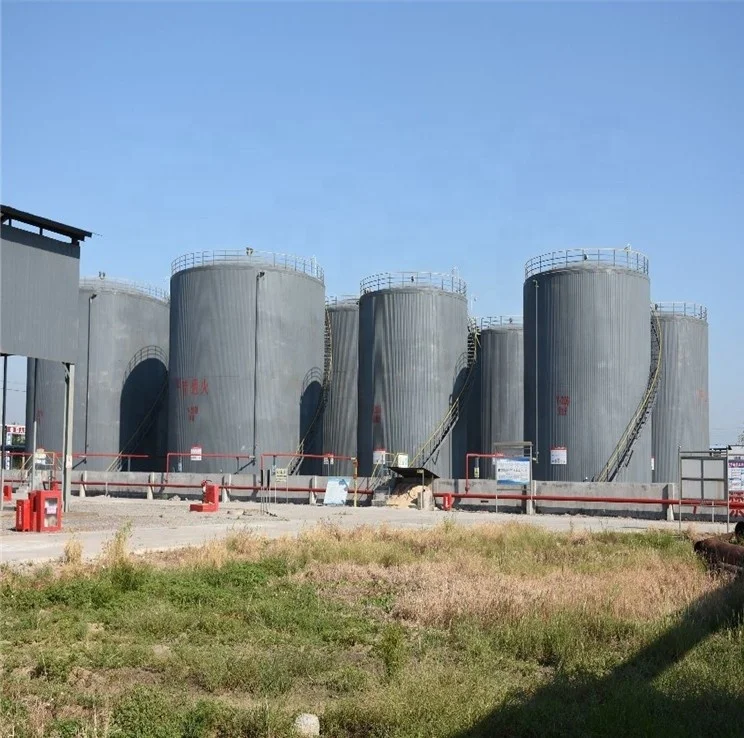
Manufacturer Price Boric Acid Flakes H3BO3 99.5%min CAS 11113 50 1
- Category: >>>
- Supplier: Shandong Dexiang International Trade Co. Ltd.
Share on (1600348693035):
Product Overview
Description
Products Description
(H3BO3)≥ | 98% | 99.5% | 99.9% |
Color | white | white | white |
Appearance | flakes | flakes | flake |
Size | 2-4 mm | 2-4 mm | 2-4mm 3-5mm |
B (%) ≥ | 17±0.1 | 17.5±0.1 | 17.6±0.1 |
B2O3 (%) ≥ | 55.2±0.1 | 56.1±0.1 | 56.3±0.1 |
SO42- (%) ≤ | 0.035 | 0.0005 | 0.0002 |
Cl- (%) ≤ | 0.0018 | 0.0001 | 0.0001 |
Fe (%) ≤ | 0.0006 | 0.0002 | 0.0001 |
Heavy metals (Pb) % ≤ | 0.0008 | 0.0002 | 0.0001 |
Water insoluble (%) ≤ | 0.01 | 0.005 | 0.001 |
Product Usage
Glass and fiberglass
It is used to produce high-grade glass and glass fiber such as optical glass, acid-resistant glass, organic boron glass, etc. It can improve the heat resistance and transparency of the glass, increase the mechanical strength, and shorten the melting time.
B2O3 plays the dual role of flux and network former in the manufacture of glass and glass fiber. For example, in the production of glass fiber, the melting temperature can be lowered to facilitate wire drawing. Generally speaking, B2O3 can reduce viscosity, control thermal expansion, prevent devitrification, improve chemical stability, and improve resistance to mechanical and thermal shocks.
B2O3 plays the dual role of flux and network former in the manufacture of glass and glass fiber. For example, in the production of glass fiber, the melting temperature can be lowered to facilitate wire drawing. Generally speaking, B2O3 can reduce viscosity, control thermal expansion, prevent devitrification, improve chemical stability, and improve resistance to mechanical and thermal shocks.
In the production of glass that requires low sodium content, boric acid is often mixed with sodium borate (such as borax pentahydrate or anhydrous borax) to adjust the ratio of sodium to boron in the glass. This is very important for borosilicate glass, because boron oxide shows good solubility in low sodium and high aluminum conditions.
Enamel and ceramics
The enamel and ceramic industries are used in the production of glazes, which can reduce the thermal expansion of the glaze and lower the curing temperature of the glaze, thereby preventing cracking and deglazing, and improving the gloss and fastness of the product.
For ceramics and enamel glazes, boron oxide is a good flux and network forming body. It can form glass (at low temperatures), improve the adaptability of the blank glaze, reduce the viscosity and surface tension, increase the refractive index, improve the mechanical strength, durability and wear resistance. It is an important component of the lead-free glaze. The high boron frit matures quickly and forms a smooth glaze quickly, which is good for coloring. In the fast-fired glazed brick frit, B2O3 is introduced as boric acid to ensure low sodium content.
Company Profile

About Shandong Dexiang International Trade Co., Ltd.
Shandong Dexiang International Trade Co., Ltd., founded in 2012, is a solid enterprise focusing on chemical industry. The company is located in jinan, a precious place of fengshui in shandong province.
The company has all kinds of qualifications and certificates for hazardous chemicals, a variety of business qualifications for non-pharmaceutical precursor chemicals, and a complete qualification for import and export.
Company is mainly engaged in optimal, ethylene glycol, propylene glycol, glycerin, phenol, aniline and glycol butyl ether, cyclohexanone, isobutanol, n-butyl alcohol, isopropyl alcohol, pure benzene, xylene, solvent oil, dichloromethane, trichloromethane (chloroform), epoxy propane, dimethyl formamide (DMF), MIBK, methanol, dimethyl carbonate, diethyl carbonate, propylene carbonate, ethylene dichloride, trichloroethylene, caustic soda, triethylamine, glacial acetic acid, methyl acetate, ethyl acetate, two chloropropane, succinic acid, such as chemical products.
The company has all kinds of qualifications and certificates for hazardous chemicals, a variety of business qualifications for non-pharmaceutical precursor chemicals, and a complete qualification for import and export.
Company is mainly engaged in optimal, ethylene glycol, propylene glycol, glycerin, phenol, aniline and glycol butyl ether, cyclohexanone, isobutanol, n-butyl alcohol, isopropyl alcohol, pure benzene, xylene, solvent oil, dichloromethane, trichloromethane (chloroform), epoxy propane, dimethyl formamide (DMF), MIBK, methanol, dimethyl carbonate, diethyl carbonate, propylene carbonate, ethylene dichloride, trichloroethylene, caustic soda, triethylamine, glacial acetic acid, methyl acetate, ethyl acetate, two chloropropane, succinic acid, such as chemical products.
Our products are widely used in fine chemical industry, refrigerant, dry cleaning agent, medicine, pesticide, resin, rubber, plastic, sponge, cleaning, coating, ink, adhesive, emulsifier, preservative and other industries.
The company product quality is superior, the goods source is sufficient, picks up goods at any time, the price preferential benefit.
The company takes "the good faith, the reciprocity, the development" as the objective, all staff will diligently, the persistent pursue high quality product and the perfect service, sets up the good enterprise image, the sincere welcome general new old customer, the friend's service cooperation and the instruction!
The company takes "the good faith, the reciprocity, the development" as the objective, all staff will diligently, the persistent pursue high quality product and the perfect service, sets up the good enterprise image, the sincere welcome general new old customer, the friend's service cooperation and the instruction!
Details Images


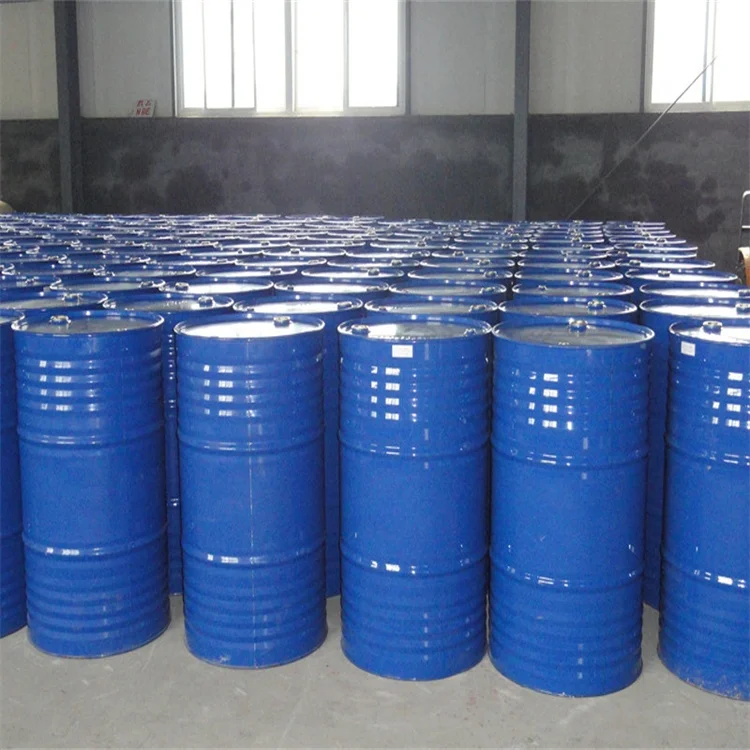
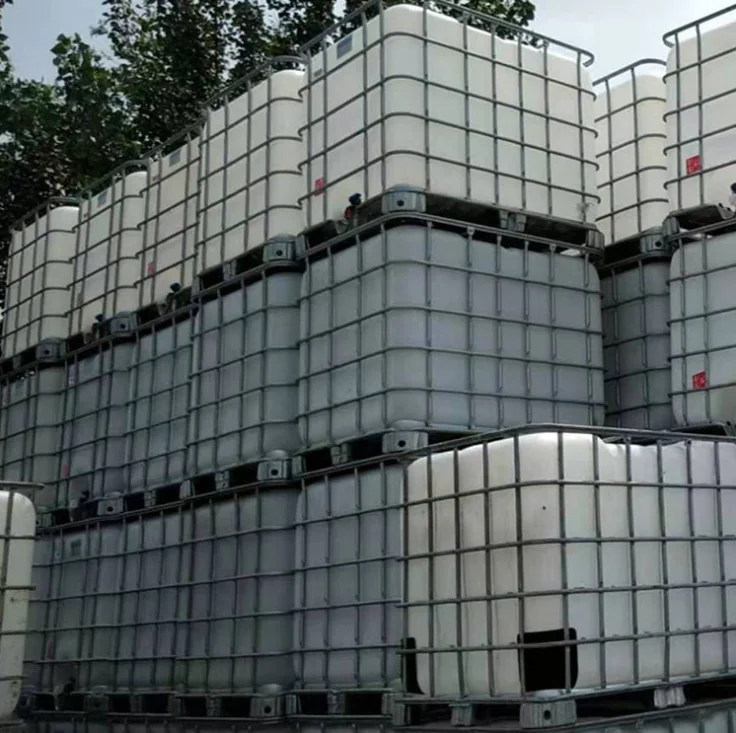
Product packaging

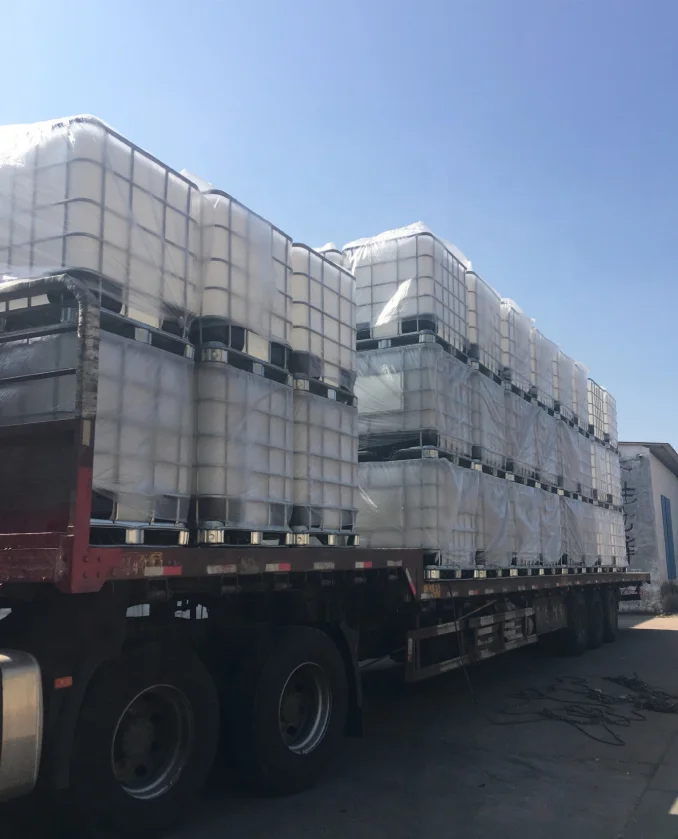
Delivery

Factory

FAQ
Q1: Can i get some samples?
A: Yes, we can supply the free sample, but the shipping cost be paid by our customers.
Q2: How to start orders or make payments?
A: Proforma invoice will be sent first after confirmation of order, enclosed our bank information.
Payment by T/T, Western Union or Paypal or Escrow(Alibaba).
Payment by T/T, Western Union or Paypal or Escrow(Alibaba).
Q3: How to confirm the Product Quality before placing orders?
A:You can get free samples for some products,you only need to pay the shipping cost or arrange a courier to us and take the samples. You can send us your product specifications and requests,we will manufacture the products according to your requests.
Q4: How about delivery leadtime?
A:Delivery lead time: About 15 days after prepayment confirmed. (Chinese holiday not included)
Q5:Is there a discount?
A:Different quantity has different discount.
Q6: How to contact us ?
A:You can chat with us by Trademanager, MSN&Skype Online. You can choose your interested products and send inquiry to us. You can dial our telephone directly, you will get our reply. Send Email to us.
We Recommend
New Arrivals
New products from manufacturers at wholesale prices