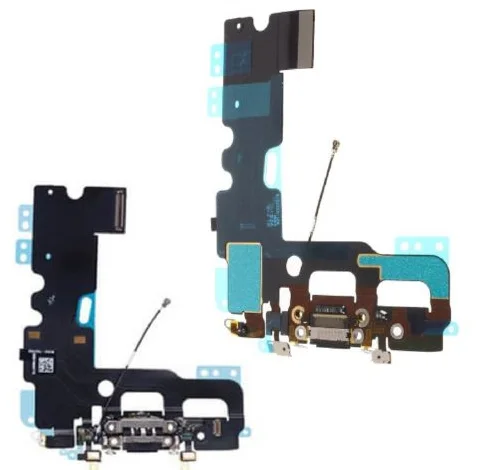
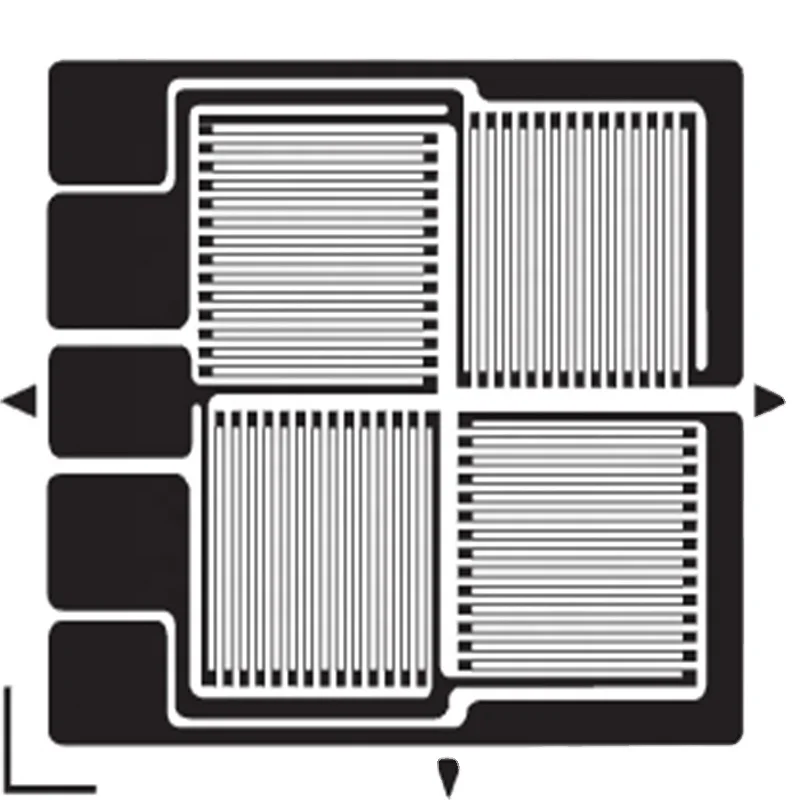
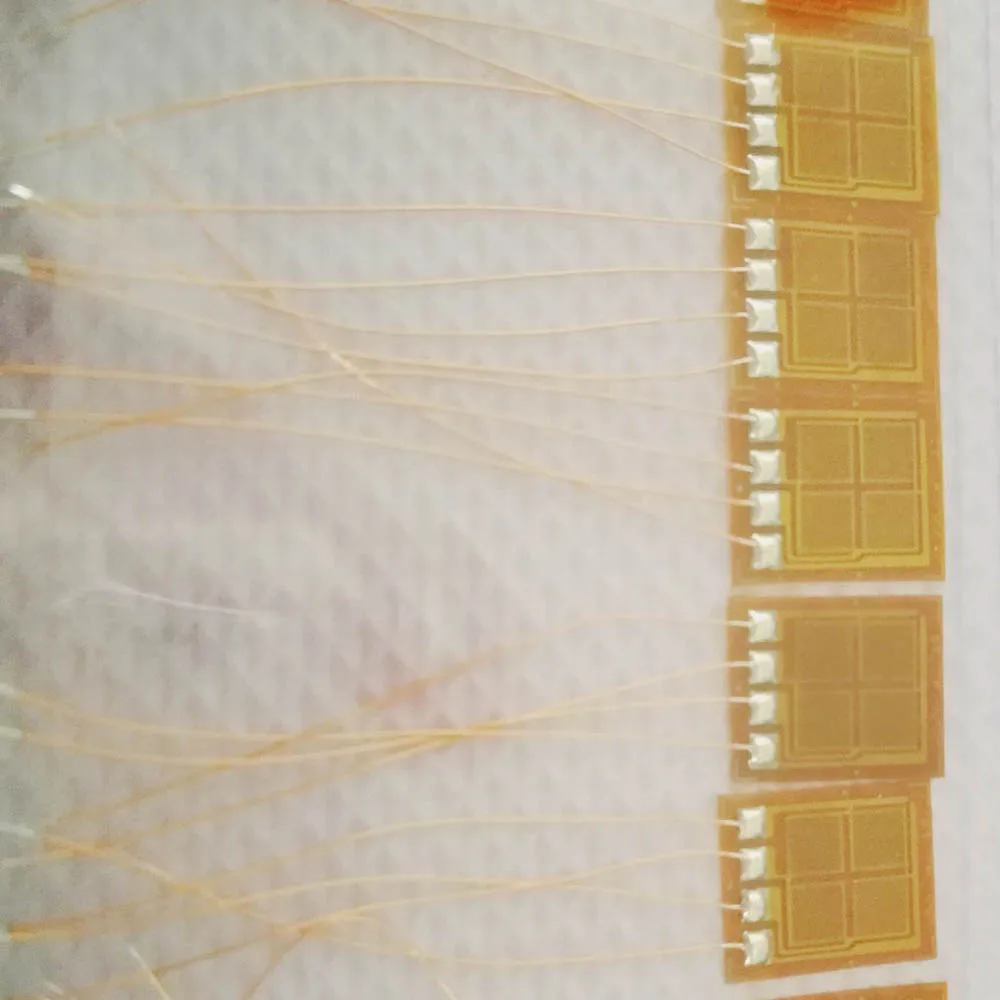
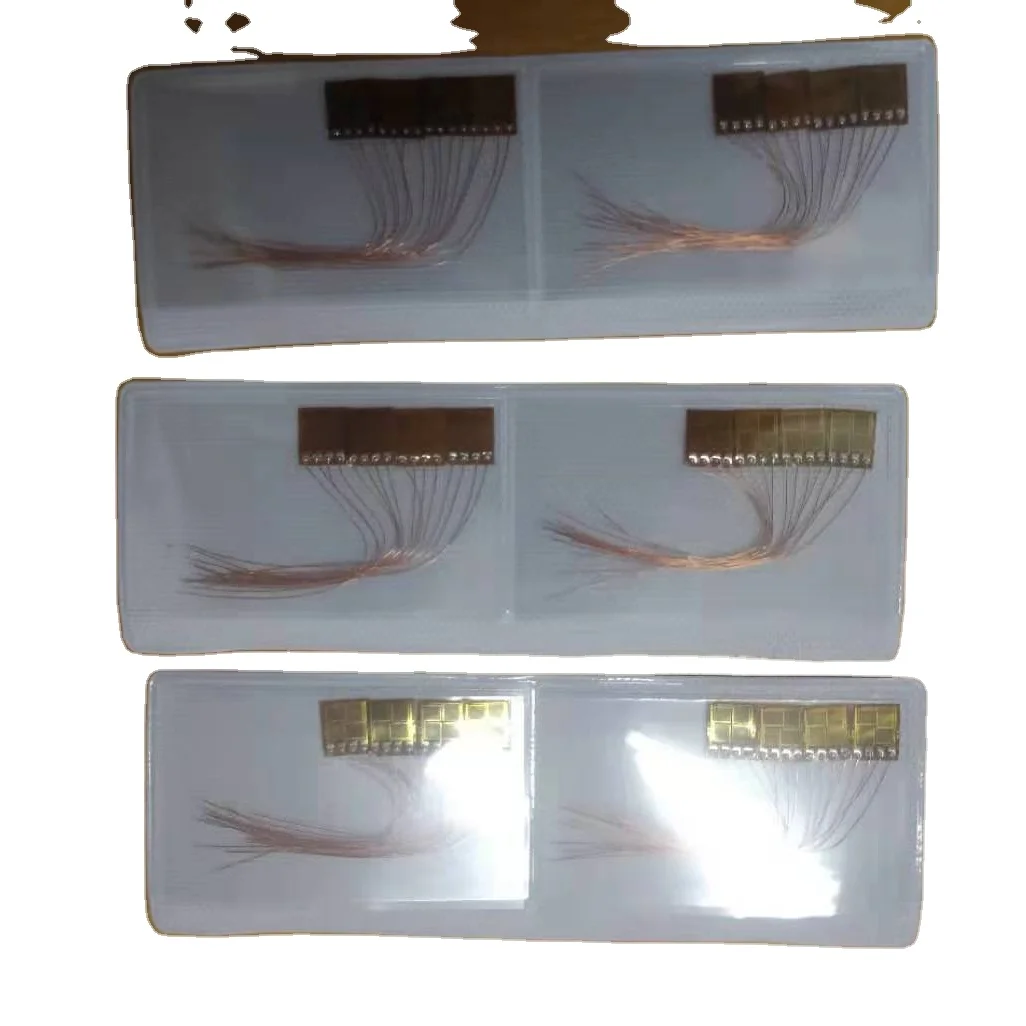
350 ohm/1000 ohm/2000 ohm EB full bridge strain gauge strainmeter for transducer application
- Category: >>>
- Supplier: Hanzhong Quan Yuan Electronic Co. Ltd.
Share on (1600382639331):
Product Overview
Description
Description:

PRODUCT MODEL TABLE (Unit: mm)
| MODEL | GRID DIM | BACKING DIM | Distance to Center mm | ||
| L (mm) | W (mm) | L (mm) | W (mm) | ||
| BF350-3EB-A | 2.3 | 2.7 | 9.2 | 7.7 | |
| ZF1000-3EB-A | 2.3 | 2.7 | 9.2 | 7.7 | |
TECH SUPPORT

Resistance strain gauges are a group of products designed for sensor applications, capable of meeting the requirements of mechanics, weighing, and control. Demand for strain sensor in testing and other fields.
Strain gauges are usually installed on a surface whether it is for stress analyses or sensor production,without any external force applied to the surface.When environmental temperature changes,the resistance of the strain gauge changes accordingly.This phenonmenon is called the strain gauges thermal output.This thermal output is the result of interactions and superposition of the resistance temperature coefficient of grid materials,the sensiitive grid materials and the linear expansion coefficient.
Common strain gauges often have a large thermal output . Thermal output is the biggest source of errors in static strain measurements,When temperature increases the dispersion and therefore the thermal output value increase.Ideally the thermal output of strain gauges should be zero.To meet this requirement a self-temperature compensating strain gauge is used.
y adjusting the composition ratio of the alloys of the strain gauge sensitivity grid material,and make used of cold rolling and proper heat treatment,the internal crystalline structure of gauge material can be altered in way it will compensate the changes of the material due to temperature change.This way the change in Thermal output can be kept very close to zero and standards for high-precision sensors and stress analysis can be met.

The configuration of the Sensitive Grids We select the configuration of the Sensitive Grids according to the stress and other demands. Like when the main stress is unknown or shear strain, then we can select multi-axes strain gauge, we use these strain gauge which Triaxial angle are 45°, 60° or 120° for the first situation; And use Triaxial angle is 45° for another situation. If we test the know stress strain, then we can select Uniaxial strain gauge; the circle multi-axes strain gauge is used in Pressure sensor.
Temp. Self-compensation and Elastic Modulus self-compensation We should select different Temp. Self-compensation or Elastic Modulus self-compensation strain gauge according to its materials, working Temp. and the precision. Like some common steel or spring steel, then use Temp. Self-compensation strain gauge with the 11×10/ expansion coefficient; And to ºC the Aluminum alloy, then use strain gauge with 23×10/ expansion coefficient. ºC
Creep Grade The user should select the matching Creep Grade according to the configuration, capacity and Elastomer of the load cell. First time we can select one or two kind of different Creep Grade's strain gauge to test, and according to the last test data, and then select the best Creep Grade.


We Recommend
New Arrivals
New products from manufacturers at wholesale prices