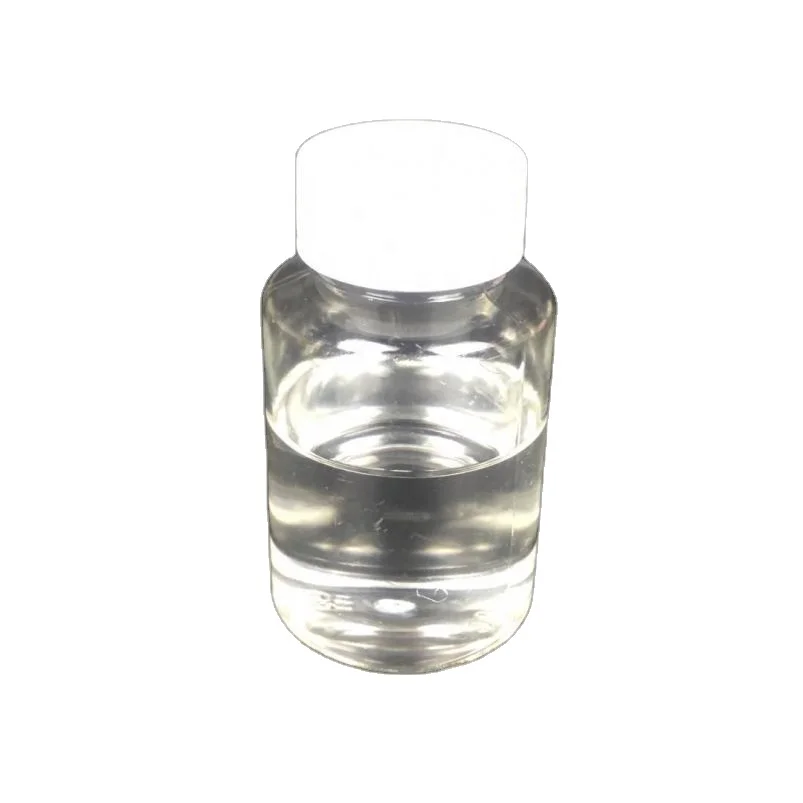
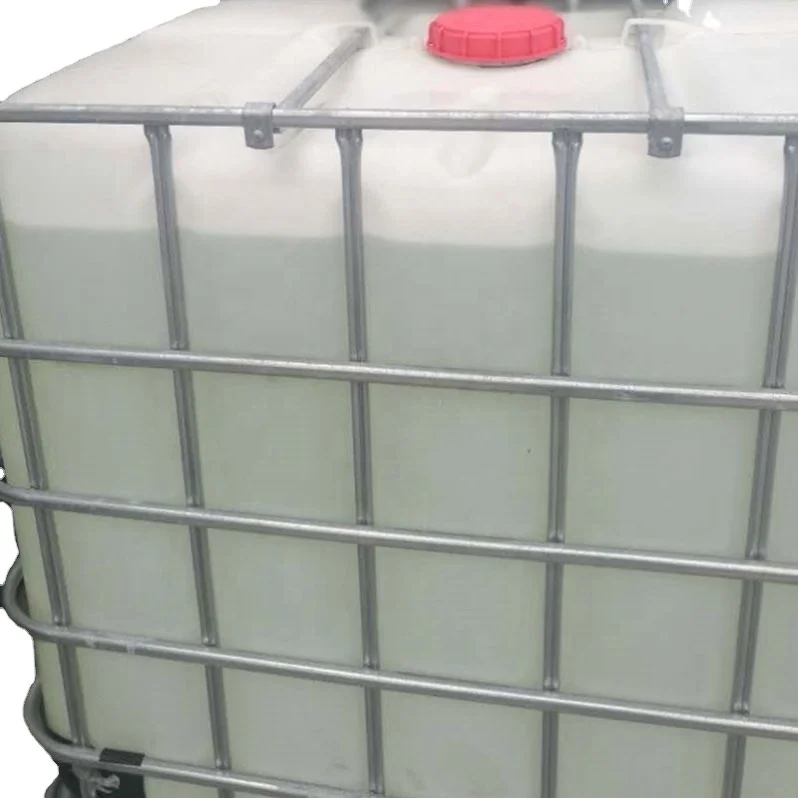
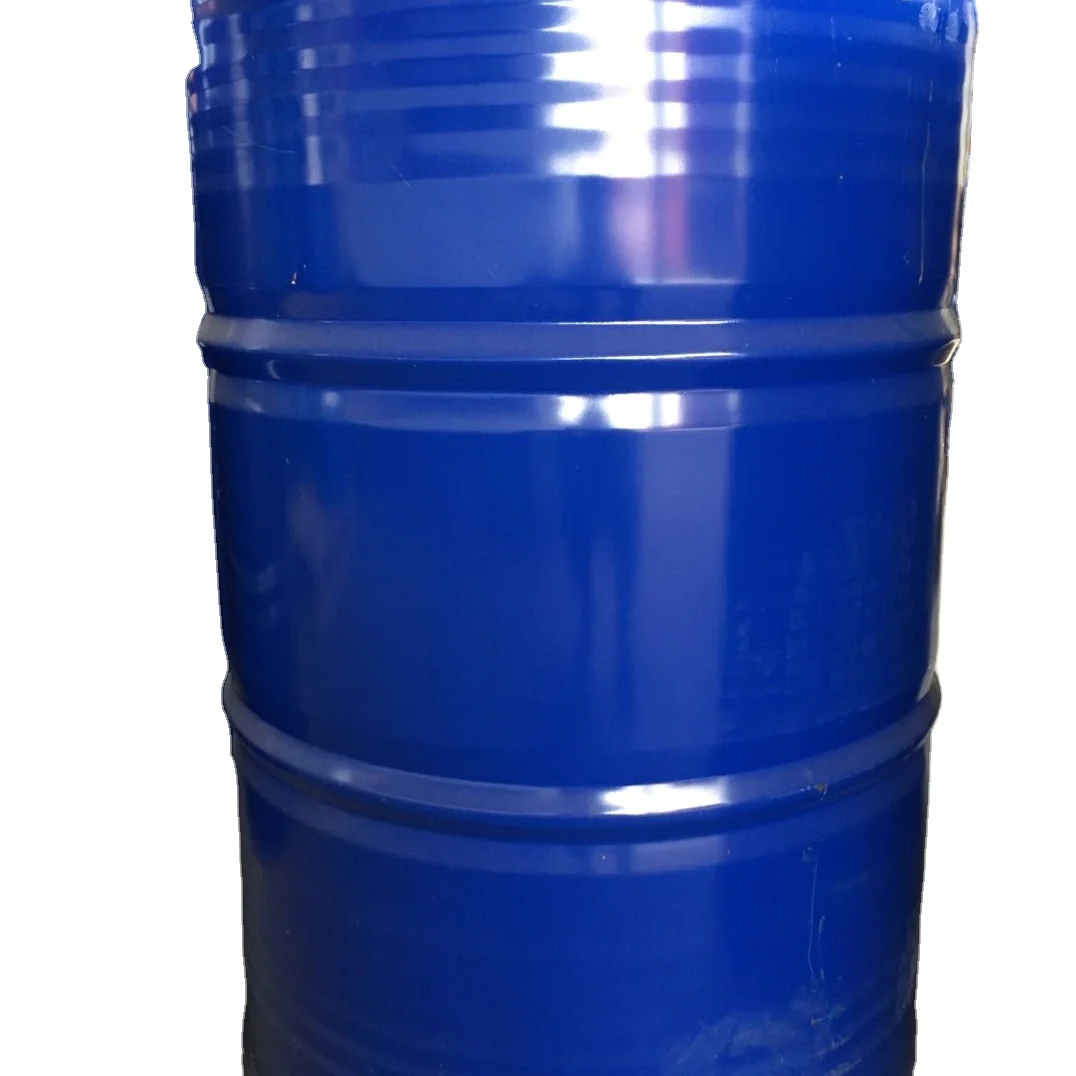
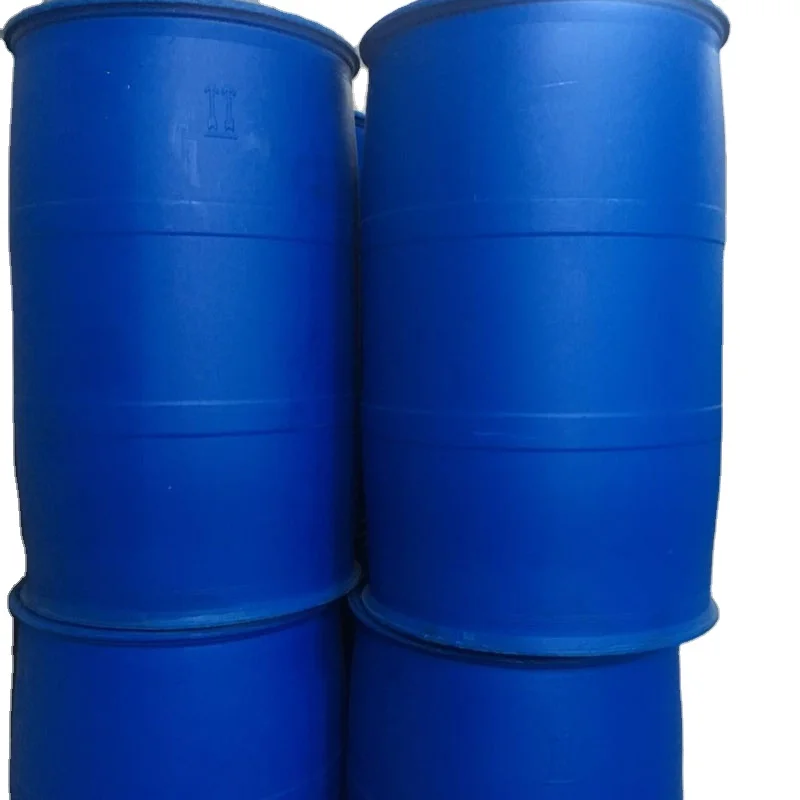
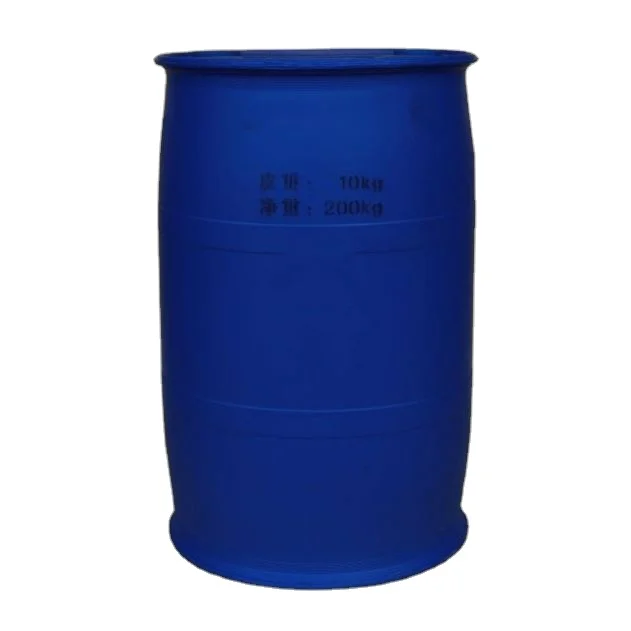
High quality propylene glycol block polyether Nonionic tergitol np9 surfactant
- Category: >>>
- Supplier: Shanghai Jiujie Chemical Co. Ltd.
Share on (1600433366097):
Product Overview
Description

Propylene glycol block polyether
CAS:9003-11-6
Molecular formula:HO-(C2H4O)a-(C3H6O)b-(C2H4O)c-H
Characteristic :
1, make low foam detergent or defoamer. L61, L64 and F68 are used to prepare synthetic detergent with low foam and high detergency; L61 is used as defoamer in papermaking or fermentation industry; F68 is used as defoamer to prevent air from entering during blood circulation of artificial cardiopulmonary machine.
2. Polyether has low toxicity and is often used as drug excipient and emulsifier; It is often used in oral cavity, nasal spray, eye drops, ear drops and shampoo.
3. Polyether is an effective wetting agent, which can be used in acid bath of fabric dyeing, photographic development and electroplating. When F68 is used in sugar factory, more sugar can be obtained due to the increase of water permeability.
4. Polyether is an effective antistatic agent. L44 can provide lasting electrostatic protection for synthetic fibers.
5. Polyether is used as dispersant in emulsion coatings. F68 is used as emulsifier in emulsion polymerization of vinyl acetate. L62 and L64 can be used as pesticide emulsifiers, coolants and lubricants in metal cutting and grinding. It is used as a lubricant when rubber is vulcanized.
6. Polyether can be used as crude oil demulsifier. L64 and F68 can effectively prevent the formation of hard scale in oil pipeline and be used for the recovery of secondary oil.
7. Polyether can be used as papermaking additive, and F68 can effectively improve the quality of coated paper.
8. F38 can be used as emulsifier, wetting agent, defoamer, demulsifier, dispersant, antistatic agent, dust remover, viscosity regulator, foam control agent, leveling agent, gelling agent, etc. for the production of agricultural chemicals, cosmetics and drugs; It is also used in metal processing, cleaning, pulp and paper industry, textile processing (textile, finishing, dyeing, softening finishing) and water quality treatment; It is also used as a bleaching aid.
9. P65 is mainly used in wool spinning industry. As wool protective agent, adding about 0.3% in wool carbonization process can reduce wool scale damage, enhance single fiber strength by 10% and reduce spinning end breakage rate by 10%
2. Polyether has low toxicity and is often used as drug excipient and emulsifier; It is often used in oral cavity, nasal spray, eye drops, ear drops and shampoo.
3. Polyether is an effective wetting agent, which can be used in acid bath of fabric dyeing, photographic development and electroplating. When F68 is used in sugar factory, more sugar can be obtained due to the increase of water permeability.
4. Polyether is an effective antistatic agent. L44 can provide lasting electrostatic protection for synthetic fibers.
5. Polyether is used as dispersant in emulsion coatings. F68 is used as emulsifier in emulsion polymerization of vinyl acetate. L62 and L64 can be used as pesticide emulsifiers, coolants and lubricants in metal cutting and grinding. It is used as a lubricant when rubber is vulcanized.
6. Polyether can be used as crude oil demulsifier. L64 and F68 can effectively prevent the formation of hard scale in oil pipeline and be used for the recovery of secondary oil.
7. Polyether can be used as papermaking additive, and F68 can effectively improve the quality of coated paper.
8. F38 can be used as emulsifier, wetting agent, defoamer, demulsifier, dispersant, antistatic agent, dust remover, viscosity regulator, foam control agent, leveling agent, gelling agent, etc. for the production of agricultural chemicals, cosmetics and drugs; It is also used in metal processing, cleaning, pulp and paper industry, textile processing (textile, finishing, dyeing, softening finishing) and water quality treatment; It is also used as a bleaching aid.
9. P65 is mainly used in wool spinning industry. As wool protective agent, adding about 0.3% in wool carbonization process can reduce wool scale damage, enhance single fiber strength by 10% and reduce spinning end breakage rate by 10%


Our service
1.Factory prices+good quality.
2.We will reply you for your inquiry in 24 hours.
3.Sample can be offered.
4.Integration of production and trade,to offer your comprehasive products.
5.Prompt delivery with 10-15DAYS.
1.Factory prices+good quality.
2.We will reply you for your inquiry in 24 hours.
3.Sample can be offered.
4.Integration of production and trade,to offer your comprehasive products.
5.Prompt delivery with 10-15DAYS.
We Recommend
New Arrivals
New products from manufacturers at wholesale prices