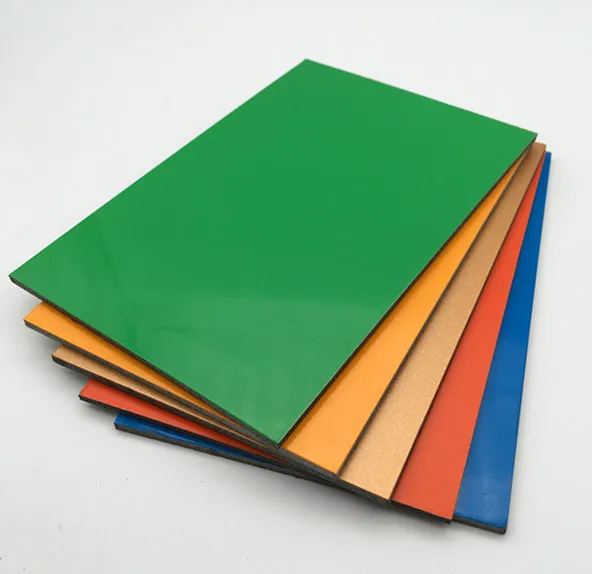
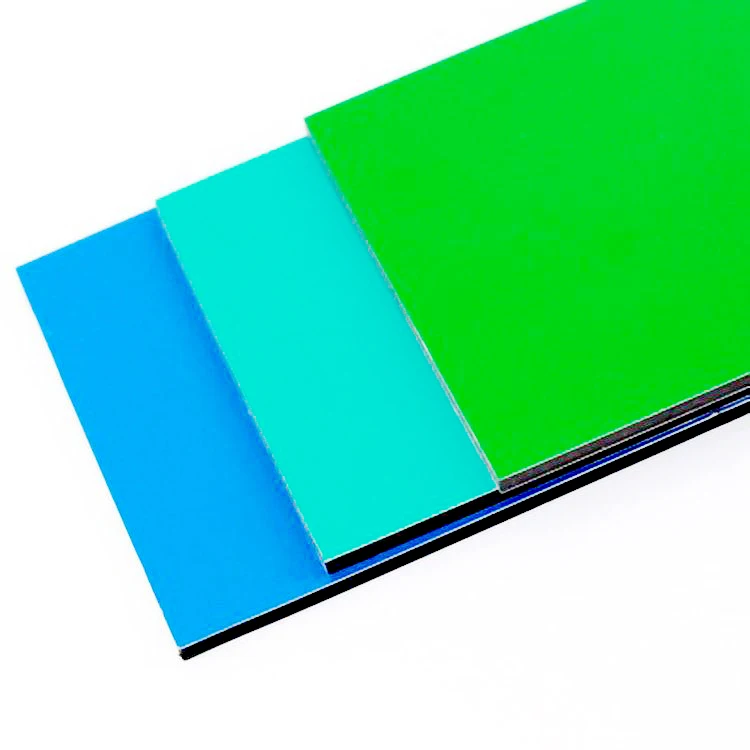
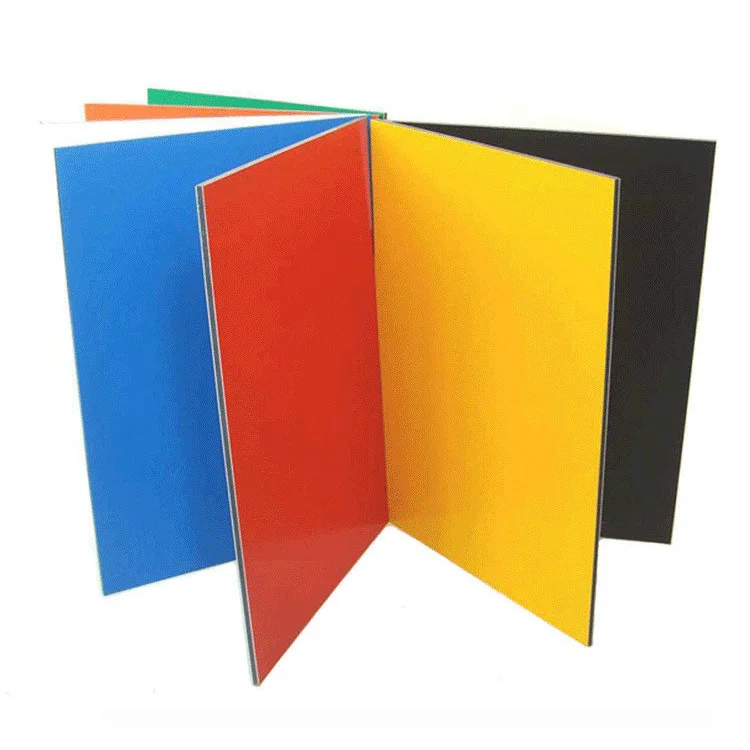
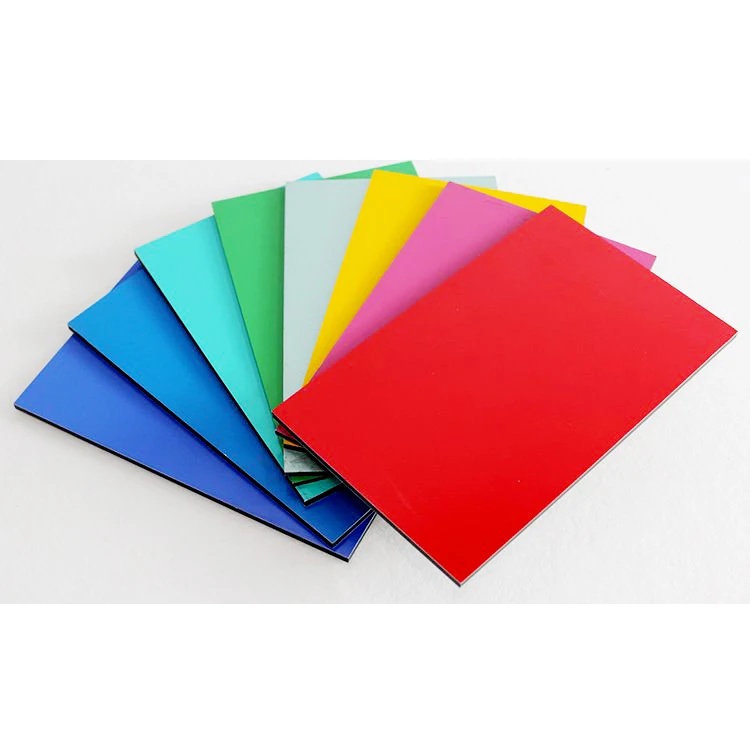
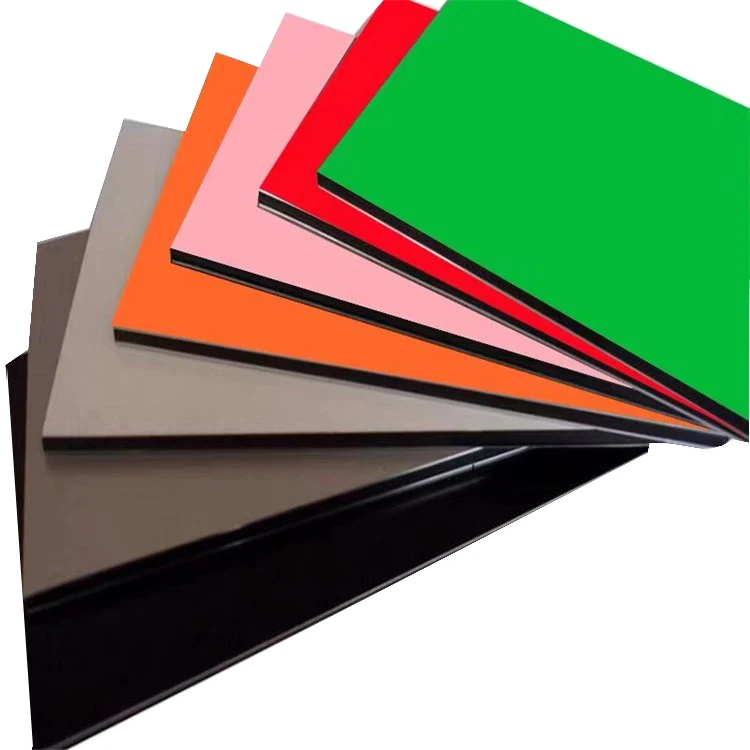
PVDF/ PE Wooden coating Aluminium Composite Panel
- Category: >>>
- Supplier: Jiangyin Pronal Industrial Technology Co. Ltd.
Share on (1600435896420):
Product Overview
Description
Specification
Product Description
ALUMINIUM COMPOSITE PANEL
EVERYTHING YOU NEED TO KNOW ABOUT THE MOST POPULAR MATERIAL IN THE CONSTRUCTION INDUSTRY
There is one thing we can all agree on within the construction industry, and it is that the popularity of aluminum composite panel has not stopped growing over the past few years. Its use has been expanding under the cover of energy efficiency, low price and construction possibilities. This type of material is specially designed for the construction of ventilated facades, their renovation or rehabilitation. It provides solutions that can be adapted to all fields of architecture. In this post you will know everything you need to know about the composite panel, how it is produced, its main characteristics, finishes, transformations and its most popular uses.
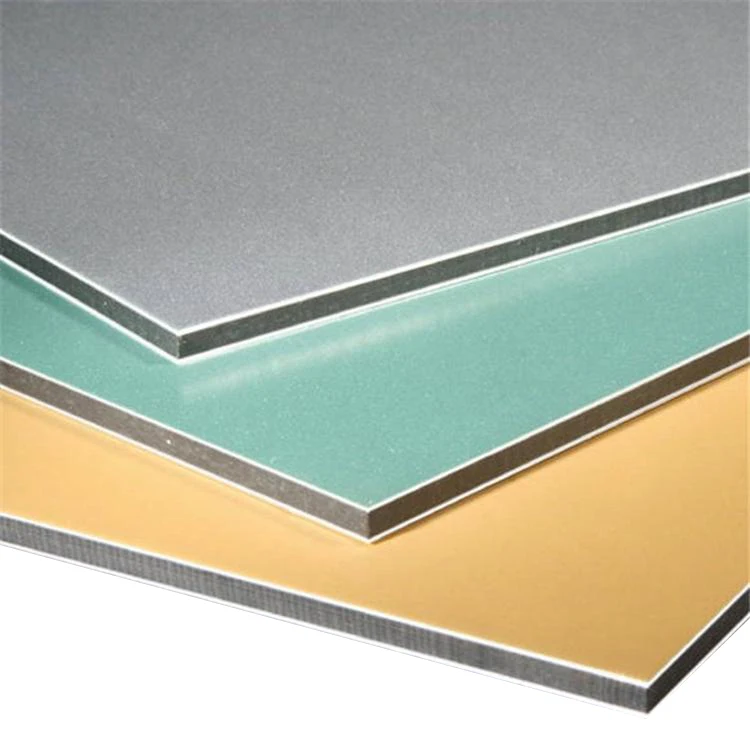
Composition and elaboration of the aluminium composite panel
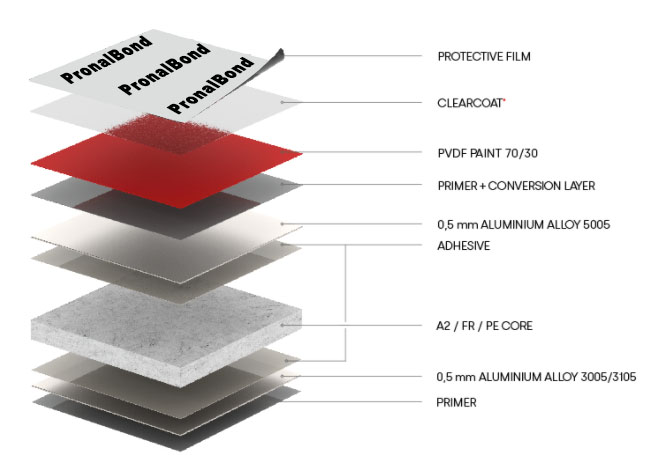
composite panel is composed of two aluminium sheets and an inner thermoplastic base core that can hold mineral charge.It is
specially designed for new construction ventilated facades as well as for renovation or rehabilitation. Its manufacturing standard
is composed of an outer sheet of 5005 aluminium alloy and an inner sheet of 3105.
It is divided into two groups depending on the mineral load of its core and can be incombustible or fireproof and (according to
UNE 13501-1:2007) classified as A2-s1, d0 and B-s1, d0.
The composite panel is produced by a continuous lamination process, in which a sheet of the material that will make up the core is
extruded and compacted between two aluminium sheets that are unwound at the same time. Finally, the flatness of the material is
compacted and perfected and a protective film is applied.

Its most common use is in ventilated facades, a type of coating system in several layers that stands out for its effectiveness in solving the buildings insulation, thanks to the thermal behavior that the facade achieves. The most curious thing about the ventilated facade is that it allows the creation of a chimney effect between its layers. This chimmey generates a continuous ventilation in the chamber, maintaining a stable temperature that results in greater energy efficiency compared to more conventional systems. Thus, during the summer, the heat is evacuated and the circulating air is renewed. In winter, air circulation is slowed down, preserving the heat.
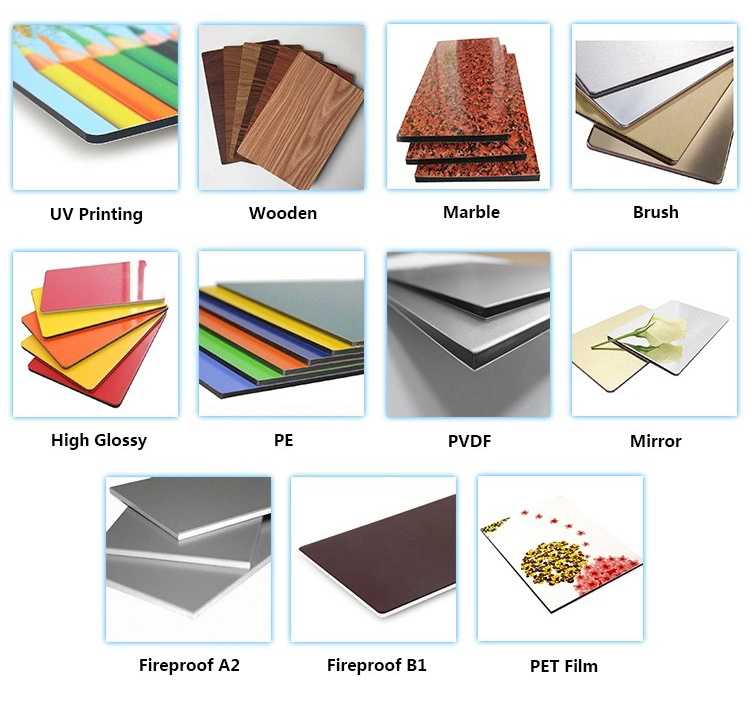
Types of aluminum plastic plate
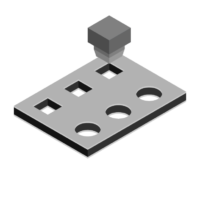
Punching and die-cutting
The composite panel can be punched and die-cut with CNC. The result ranges from the creation of pointillist or artistic style
patterns to complicated and detailed drawings on the facade
patterns to complicated and detailed drawings on the facade
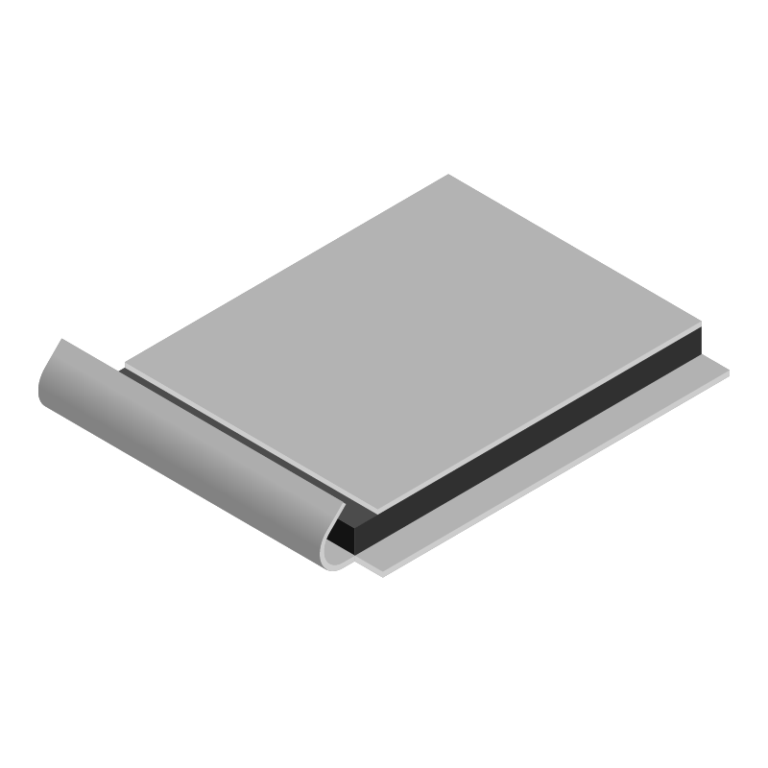
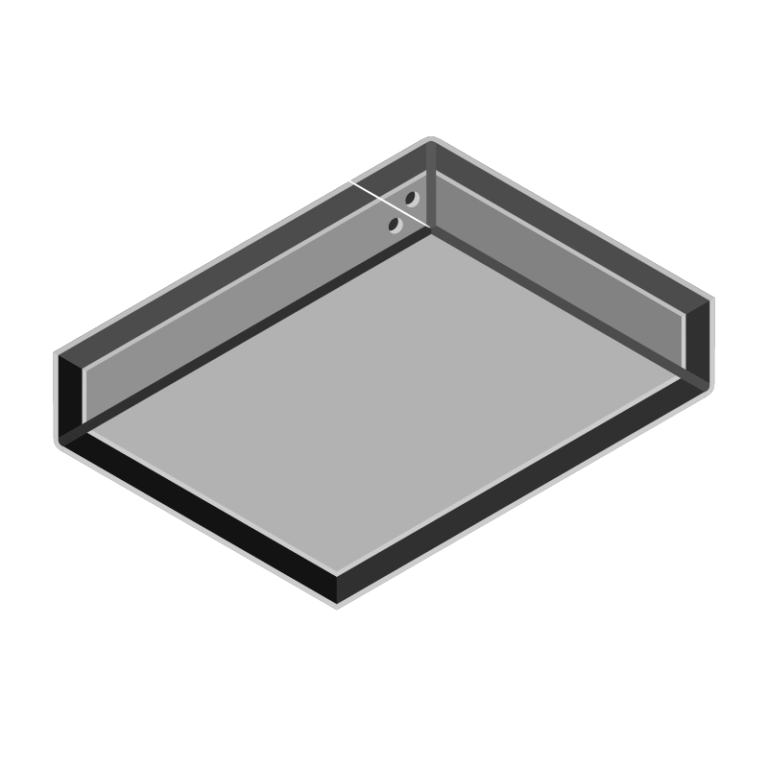
Edging
There are three types of edging:
* Simple, which hides the edging
* Double interior, hides the edge and part of the back
* Double outside, hides the edge and extends a flange that hides the joints with other panel sheets.
* Simple, which hides the edging
* Double interior, hides the edge and part of the back
* Double outside, hides the edge and extends a flange that hides the joints with other panel sheets.
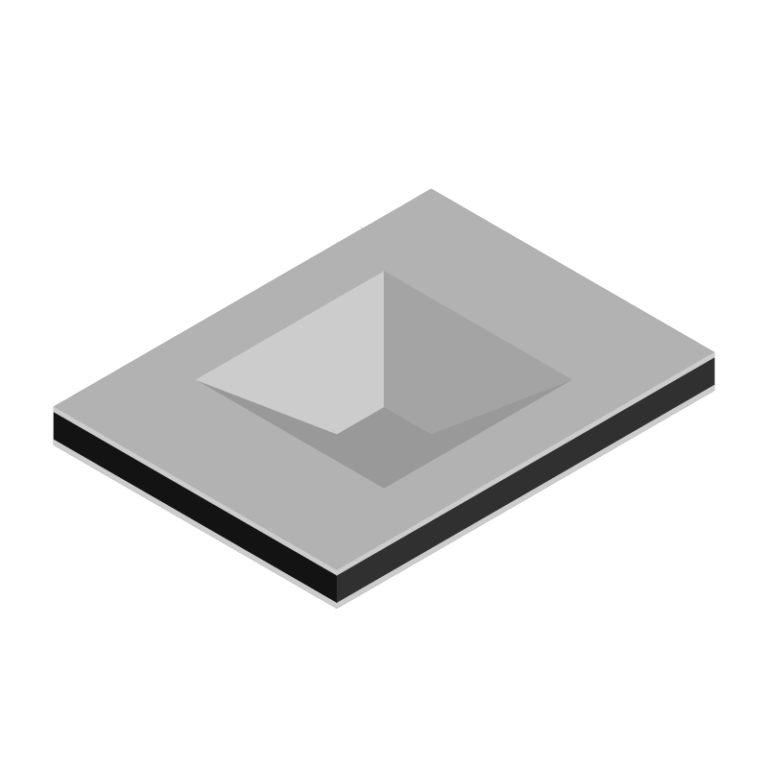
Stamping and engraving
With more limitations than the previous transformations, we find that in the panel, through modifications in its depth, it is
possible to make engravings creating forms without having to get to cut-die the panel
possible to make engravings creating forms without having to get to cut-die the panel
Roller bending
The panel can be easily bent following the minimum necessary bending radii. To do it, it is best to use bending machines with 3/4 rolls.
By bending the product, columns can be covered, concealing the corners with a rounded appearance, etc.
By bending the product, columns can be covered, concealing the corners with a rounded appearance, etc.
3D Forming
The 3D forming process, besides of being used to manufacturing aluminium composite panel for hanging systems, can also be used to
create projected three-dimensional surfaces
create projected three-dimensional surfaces
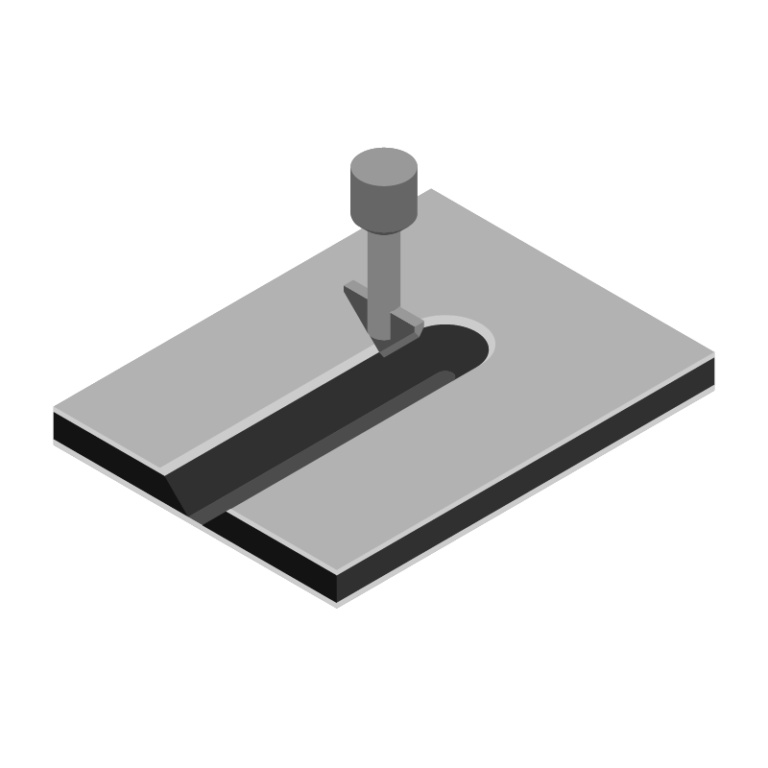
CNC Milling
The milling of the panel gives results that differ from other types of processing such as punching and, of course, from the usual
conception of the composite panel as a cassette-type tray. It can be made with CNC, with a wall saw or a portable one. The partial
milling of the panel allows the subsequent folding of the pieces to give them creative shapes
conception of the composite panel as a cassette-type tray. It can be made with CNC, with a wall saw or a portable one. The partial
milling of the panel allows the subsequent folding of the pieces to give them creative shapes
About us

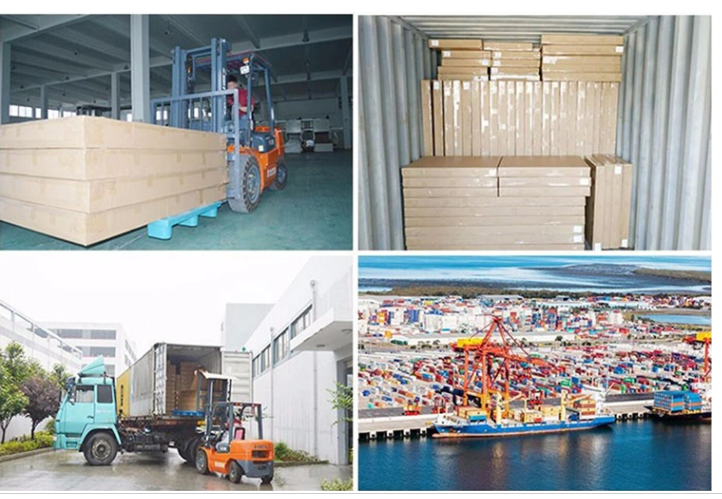
Packaging & Shipping
FAQ
1.Aversatile, recyclable and quick to install product
Since the aluminium composite panel began its journey in the construction sector, its characteristics have been improving until it has become a highly modifiable product, which admits different forms of assembly, colours, transformations and uses.
As an example of its great versatility, we can find it in both minor works and interiors, combined with other materials to cover certain areas of a facade or as the main element in complicated transformations.
2.High dimensional stability
As a material, the composite panel does not present deformations in its dimensioning, whic means that the material remains stable
whatever its size without losing its properties
whatever its size without losing its properties
3.Fully recyclable
The core material and cover sheets of aluminum composite panel can be recycled and reused. Due to its characteristics, aluminium
4.A multitude of finishes
The wide range of finishes that the composite panel allows gives it a great aesthetic versatility. From solid to textured, mirror
or wood type finishes, the composite panel can be adapted to almost any type of project.
or wood type finishes, the composite panel can be adapted to almost any type of project.
5.Quick and easy assembly
The hanging systems for the assembly of aluminium composite panels are designed to facilitate their assembly on facades in a quick
and easy way. In the same way, in case that a cassette is damaged, it is easily replaceable.
and easy way. In the same way, in case that a cassette is damaged, it is easily replaceable.
6.Impact resistant
Recent studies confirm the durability of aluminium in building facades due to its long life and resistance to wear and corrosion
7.Light as a feather
The low density of aluminium makes it the ideal material for substructure systems on ventilated facades
We Recommend
New Arrivals
New products from manufacturers at wholesale prices