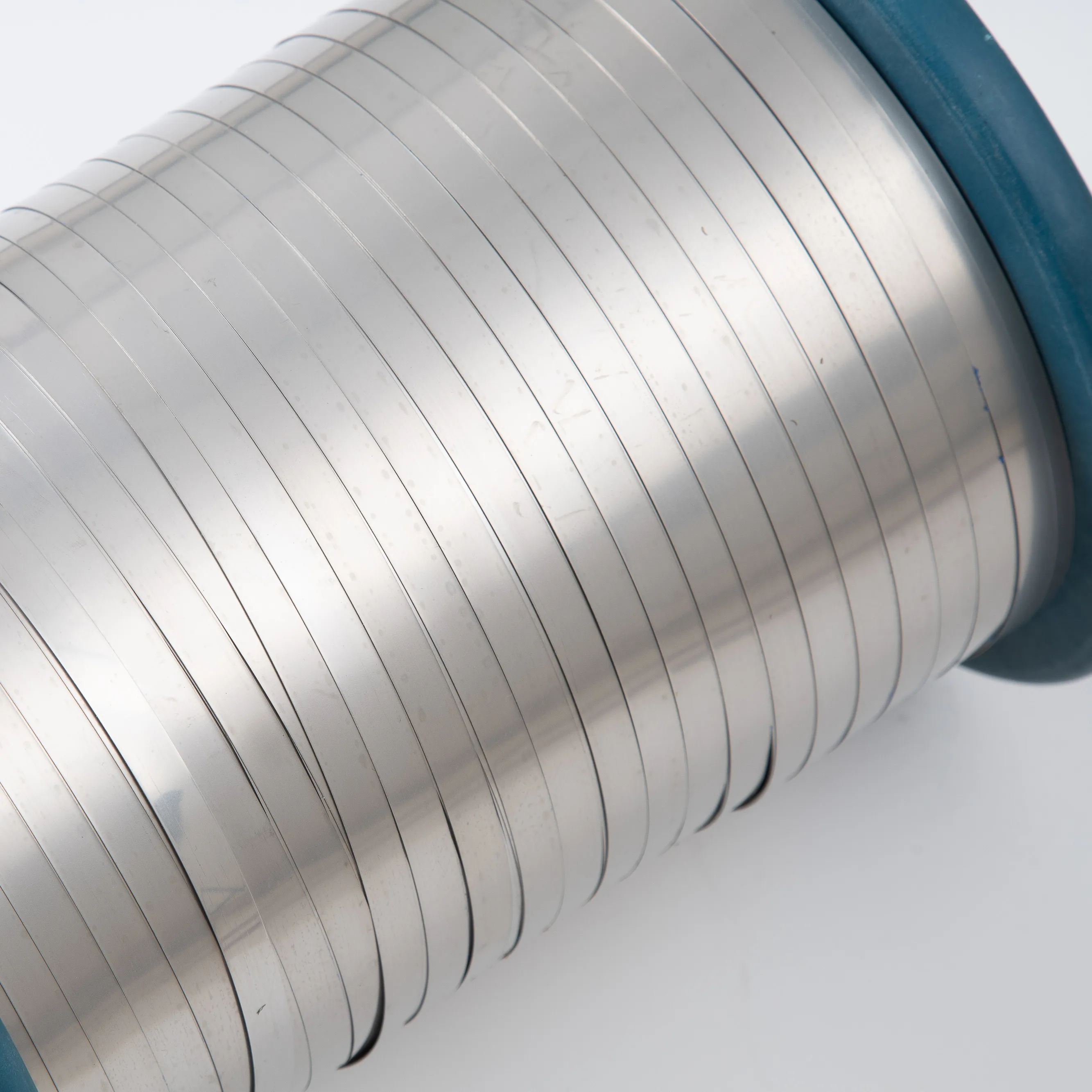
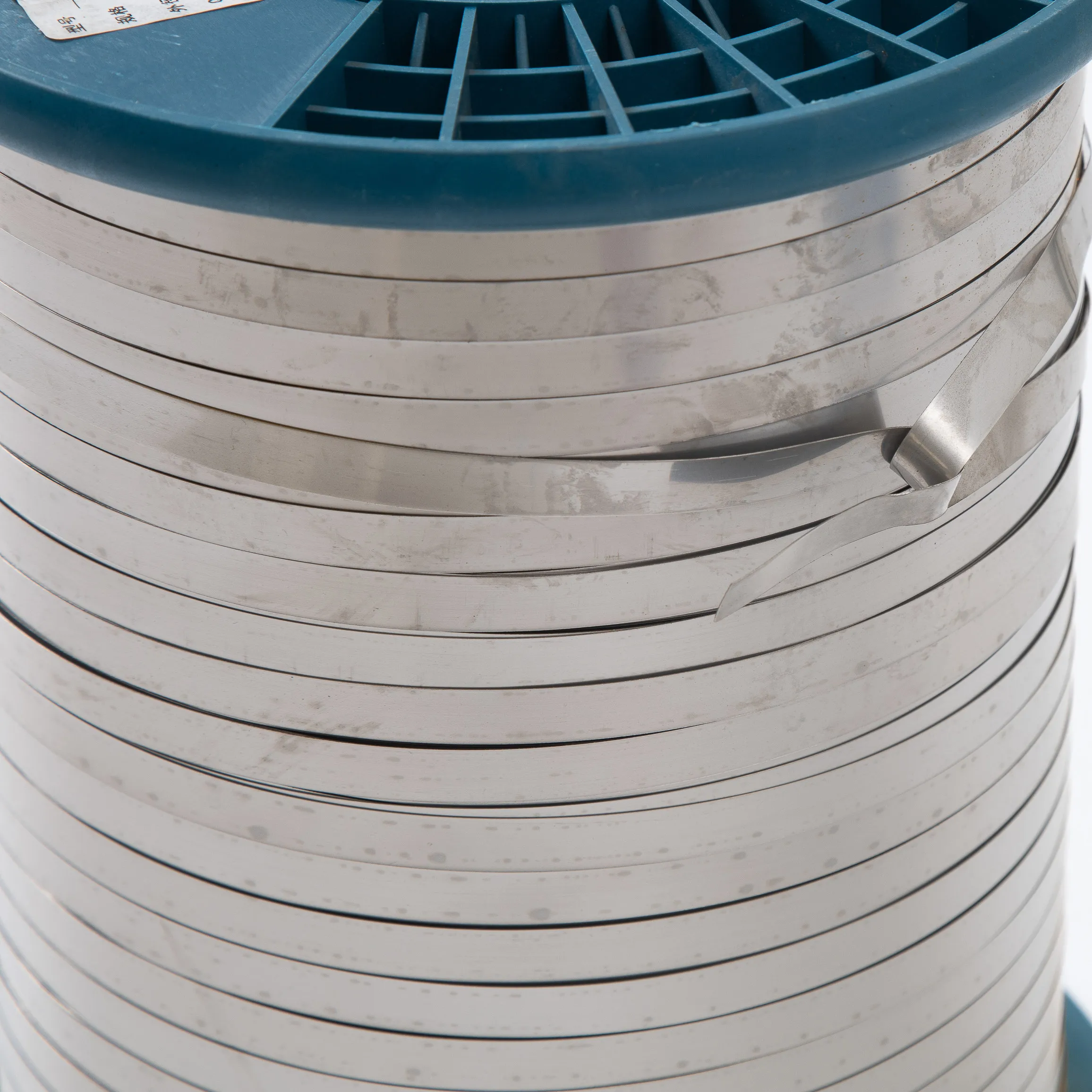
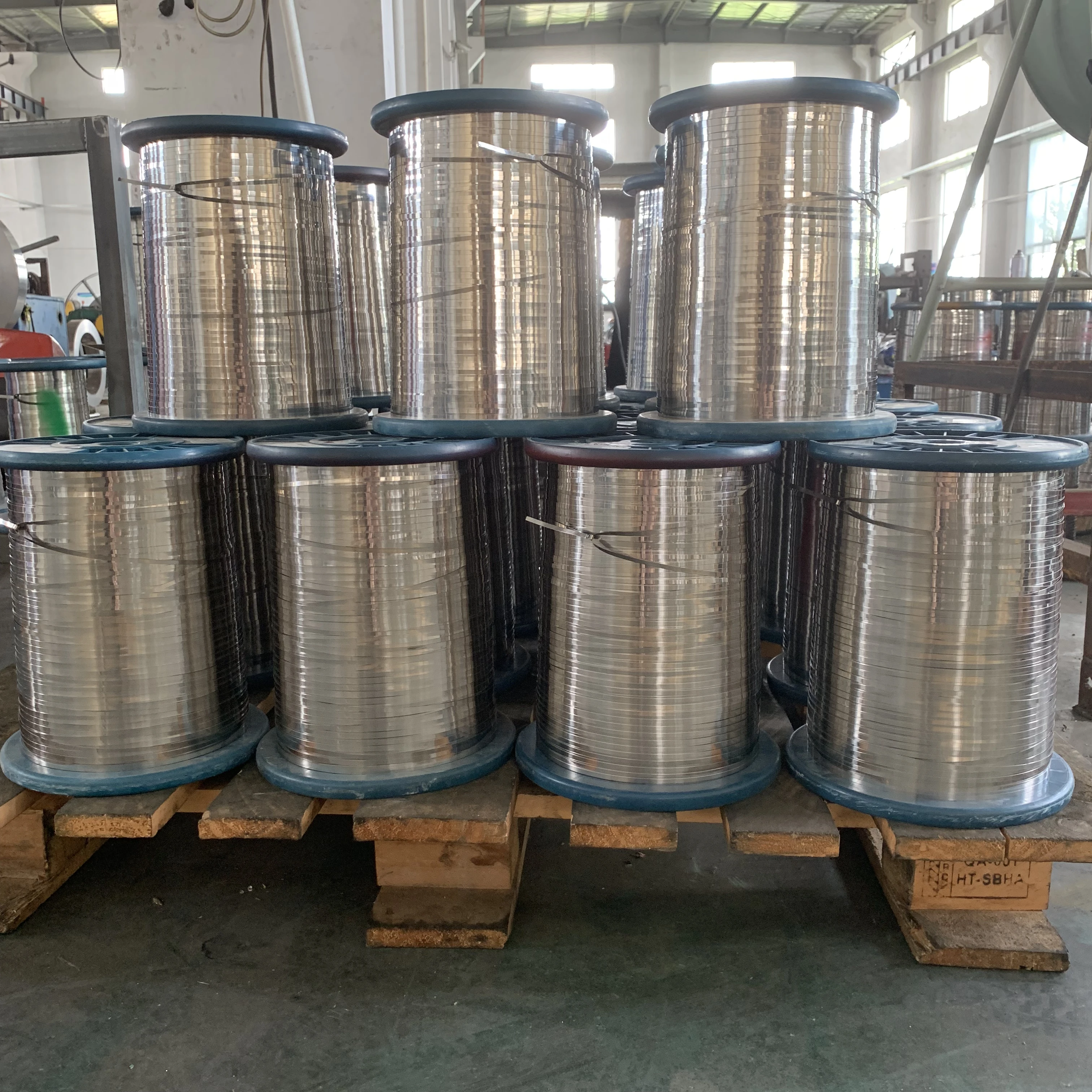
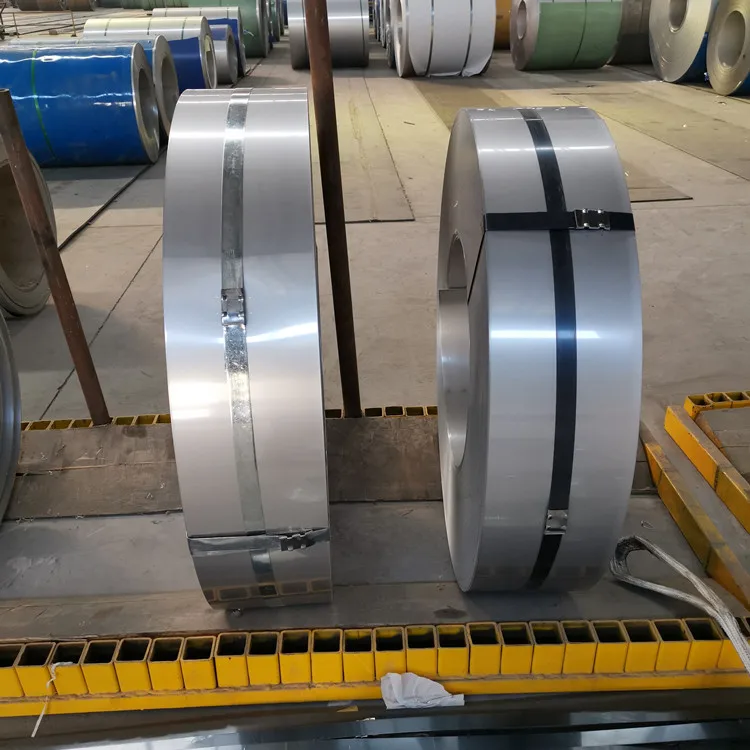
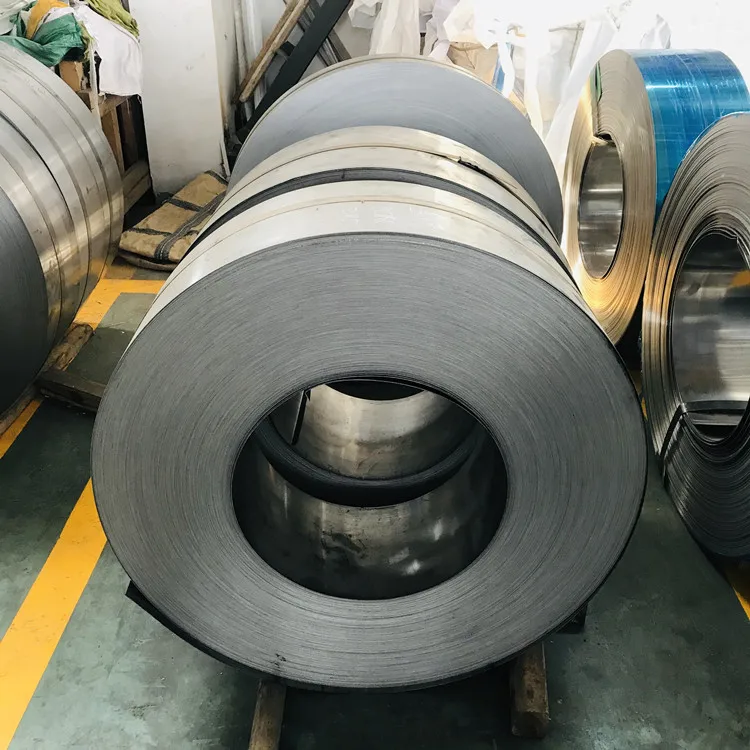
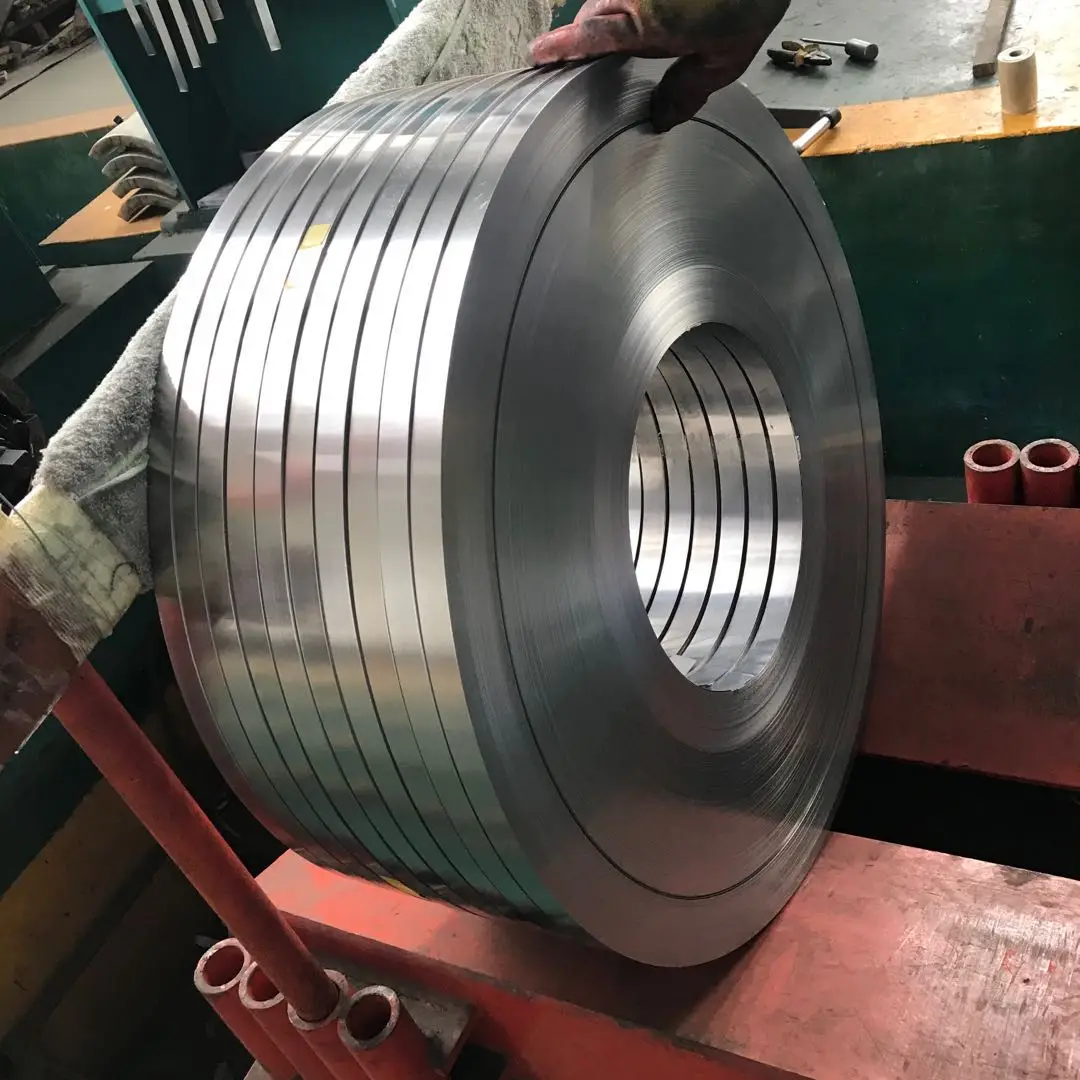
Hard 301H stainless steel belt EH stainless steel poise SH high hardness stainless steel belt
- Category: >>>
- Supplier: Wuxi Kebang Metal Technology Co. Ltd.
Share on (1600437107643):
Product Overview
Description
Product name | stainless steel strip |
Material | 201/202/301/304/316/316L/410/430/420/SUS301/SUS304 |
Thickness | 0.01-3mm |
Width | 1-1200mm |
Length | According to customer requirements |
Hardness | Soft / 1/2H, 3/4H, H, EH, SH |
[Material]:
201 steel strip: belongs to chromium-nickel-manganese austenitic stainless steel with relatively low magnetic properties
301 steel strip: good ductility, used for forming products. It can also be hardened by mechanical processing. Good weldability. Abrasion resistance and fatigue strength are better than 304 stainless steel.
304 steel strip: has good corrosion resistance, heat resistance, low temperature strength and mechanical properties, good hot workability such as stamping, bending, and no heat treatment hardening. Uses: tableware, cabinets, boilers, auto parts, medical appliances, building materials, food industry (use temperature -196°C-700°C), 304 stainless steel is a universal stainless steel material, anti-corrosion performance is better than 200 series stainless steel materials Be strong. The high temperature resistance is also better, which can reach 1000-1200 degrees.
304L steel strip: As a low-carbon 304 steel, in general, its corrosion resistance is similar to that of 304, but after welding or stress relief, its resistance to intergranular corrosion is excellent. It can also be used without heat treatment. Maintain good corrosion resistance.
316L steel strip: 316 stainless steel contains molybdenum and low carbon content. Its resistance to pitting corrosion in the ocean and in the chemical industry environment is much better than that of 304 stainless steel! (316L low-carbon, 316N nitrogen-containing high-strength, 316F stainless steel has high sulfur content, easy-to-cut stainless steel).
410 steel strip: belongs to martensite (high-strength chromium steel), with good wear resistance and poor corrosion resistance.
420 steel strip: "cutting tool grade" martensitic steel, similar to the earliest stainless steel such as Brinell high chromium steel. It is also used for surgical knives, which can be very bright.
430 steel strip: ferritic stainless steel, for decoration, such as car accessories. Good formability, but poor temperature resistance and corrosion resistance.
301 steel strip: good ductility, used for forming products. It can also be hardened by mechanical processing. Good weldability. Abrasion resistance and fatigue strength are better than 304 stainless steel.
304 steel strip: has good corrosion resistance, heat resistance, low temperature strength and mechanical properties, good hot workability such as stamping, bending, and no heat treatment hardening. Uses: tableware, cabinets, boilers, auto parts, medical appliances, building materials, food industry (use temperature -196°C-700°C), 304 stainless steel is a universal stainless steel material, anti-corrosion performance is better than 200 series stainless steel materials Be strong. The high temperature resistance is also better, which can reach 1000-1200 degrees.
304L steel strip: As a low-carbon 304 steel, in general, its corrosion resistance is similar to that of 304, but after welding or stress relief, its resistance to intergranular corrosion is excellent. It can also be used without heat treatment. Maintain good corrosion resistance.
316L steel strip: 316 stainless steel contains molybdenum and low carbon content. Its resistance to pitting corrosion in the ocean and in the chemical industry environment is much better than that of 304 stainless steel! (316L low-carbon, 316N nitrogen-containing high-strength, 316F stainless steel has high sulfur content, easy-to-cut stainless steel).
410 steel strip: belongs to martensite (high-strength chromium steel), with good wear resistance and poor corrosion resistance.
420 steel strip: "cutting tool grade" martensitic steel, similar to the earliest stainless steel such as Brinell high chromium steel. It is also used for surgical knives, which can be very bright.
430 steel strip: ferritic stainless steel, for decoration, such as car accessories. Good formability, but poor temperature resistance and corrosion resistance.


[surface]:
2B (The surface brightness and flatness of No.2B is better than NO.2D then through a special surface treatment to improveits
mechanical properties,NO.2B could nearly satisfy comprehensive uses)
NO.1 (Polished with abrasive belt of grit#100-#200, have better brightness with discontinuous coarse stria, used as inner and
external ornaments for building, electrical appliances and kitchen utensils etc)
NO.4 (Polished with abrasive belt of grit#150-#180, have better brightness with discontinuous coarse stria, but thinner than NO.3,are used as bathtub buildings inner and external ornaments electrical appliances kitchen utansils and food processing equipment etc)
HL (Polished with abrasive belt of grit #150-#320 on the NO.4 finishandhas continuous streaks, mainly used as buildings ornaments
elevators, door of building, forntal plate etc)
BA (Cold rolled, bright anneales and skin-passed, the product have excellent brightness and good reflexivity like mirror, kitchen
apparatus, ornament etc)
8K Mirror (The product have excellent brightness and prefer reflexivity can to be the mirror)
mechanical properties,NO.2B could nearly satisfy comprehensive uses)
NO.1 (Polished with abrasive belt of grit#100-#200, have better brightness with discontinuous coarse stria, used as inner and
external ornaments for building, electrical appliances and kitchen utensils etc)
NO.4 (Polished with abrasive belt of grit#150-#180, have better brightness with discontinuous coarse stria, but thinner than NO.3,are used as bathtub buildings inner and external ornaments electrical appliances kitchen utansils and food processing equipment etc)
HL (Polished with abrasive belt of grit #150-#320 on the NO.4 finishandhas continuous streaks, mainly used as buildings ornaments
elevators, door of building, forntal plate etc)
BA (Cold rolled, bright anneales and skin-passed, the product have excellent brightness and good reflexivity like mirror, kitchen
apparatus, ornament etc)
8K Mirror (The product have excellent brightness and prefer reflexivity can to be the mirror)


[Applications]:
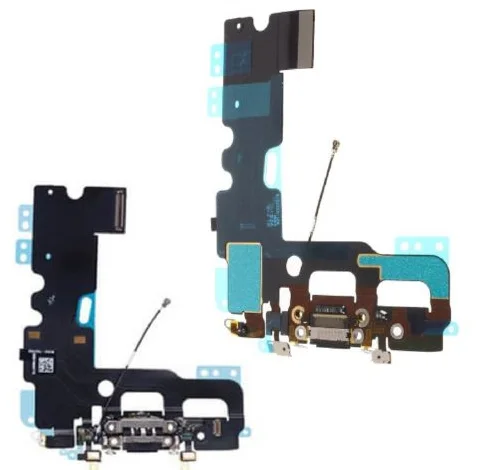
Spring shrapnel, cushion diaphragm, precision instruments, elastic springs, metal stamping parts, button batteries, instrument gaskets, adjustment shrapnel, mechanical parts, boiler plates, building decoration, bridges, steel structure manufacturing, Solar energy, electronic appliances, welding pipes, seals, etching parts, computer and mobile phone accessories, auto parts, medical equipment, chemical iron materials, seals, gaskets, precision parts, exhaust pipes, boiler drums, etc.


[Product packaging]:
plastic film inner packaging, woven bag outer packaging, and precious materials custom-made wooden boxes for transportation.
We Recommend
New Arrivals
New products from manufacturers at wholesale prices